

> Editorial Note: I’m Lauren Ro, and I write furniture buying guides. The picks here are judged on the specs that predict how a piece ages — frame joinery, foam density, and load ratings — checked against BIFMA and FSC certifications plus aggregated owner reports.
The fastest way to ruin an old wood piece is to hit it with a soaking wet rag and an all-purpose spray, which lifts the finish and swells the grain. Old furniture almost always needs cleaning, not stripping, and the two get confused constantly. Whether you’re reviving a flea-market dresser or a piece you already know is mdf vs solid wood furniture, the gentle-first approach applies, and it’s the same logic behind how to clean a wood cutting board, how to clean engineered wood floors, and how to remove water stains from wood furniture. Outdoor pieces follow a different rule, covered in how to clean outdoor furniture frames and how to clean bird poop off patio furniture.
What’s the First Step With Grimy Old Wood?
Start dry, then go barely damp: dust and vacuum before any liquid touches the surface. Decades of grime is mostly dust bonded with oily residue, so a soft brush and a vacuum with a brush attachment removes the loose layer without grinding it into the finish. Only after that do you move to a slightly damp cloth.
Work with the grain, not across it, using a cloth wrung out until it’s barely moist. A pH-neutral cleaner is safest on aged finishes, because acidic or alkaline formulas can dull shellac and lacquer within a single wipe. If you see a milky haze after cleaning, that’s trapped moisture in the finish, not dirt, and it usually clears as the surface dries. Never let water pool in a joint or a carved detail.
How Do You Remove Built-Up Grease and Grime?
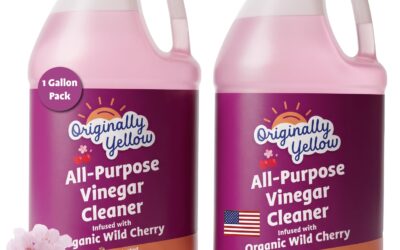
Cut grease with a mild solution before reaching for anything harsh. A few drops of dish soap in warm water, or a diluted vinegar cleaner, breaks down the sticky film that dusting leaves behind. Dampen the cloth, wipe a small section, then dry it immediately with a second cloth so no moisture sits on the wood.
For stubborn kitchen-grade grease, mineral spirits on a cloth cut the residue without lifting most finishes, though you should always spot-check a hidden corner first. Move in small 12-inch sections so you can dry each one before the next. Avoid ammonia and full-strength vinegar, since both can etch or cloud older finishes. FSC-certified solid wood takes cleaning better than veneer, where soaking can lift the thin top layer off its substrate.
Should You Restore the Finish or Refinish It?
Restore first, refinish only as a last resort. Most old wood looks dull because the finish is dry and grimy, not because it’s failed, so a clean-and-feed often brings back the depth without stripping anything. Refinishing means sanding to bare wood and reapplying stain and topcoat, a full weekend project that erases the patina collectors prize.
Feed the cleaned wood with a wax or a wood-specific oil to restore sheen and add a protective layer. Beeswax-based products build a soft satin finish and can be reapplied every few months. Test any restorer on an inconspicuous spot and let it sit 24 hours before doing the whole piece. If the finish is flaking, sticky, or water-damaged past the surface, that’s when refinishing earns its effort.
How Do You Protect Wood After Cleaning?
Seal the effort with a thin coat of wax or oil and keep the piece out of direct sun. A single application of paste wax buffed to a shine protects the finish for several months and resists moisture rings. Reapply two to three times a year on pieces that get daily use.
Keep indoor humidity between 40 and 55 percent, because wood expands and contracts with moisture and swings crack old joinery. Wipe spills immediately rather than letting them sit, and use coasters and felt pads under anything that touches the surface. Direct sun fades and dries wood faster than any cleaner, so position antiques away from south-facing windows. A cleaned, waxed, and shaded piece needs little more than dusting between treatments.
What You’ll Need
The picks below are ranked by owner rating and split by job: wood-specific cleaners and waxes for the piece itself, plus gentler multi-surface options. Match the product to the finish, and always spot-check first. Start with #1 for a beeswax feed after cleaning; the last pick is for outdoor fabric, not wood.

Pros
- Natural beeswax formula without harsh chemicals works well for homes with kids or pets
- Dual-action cleaning and polishing saves time on routine wood care
- Lightweight protective barrier helps minimize appearance of minor scratches
- Versatile across multiple wood surfaces from floors to furniture
- Includes application tools so you can start using immediately
Cons
- New product with no verified customer reviews yet to confirm performance claims
- 4oz bottles may require frequent reordering for large homes with extensive wood surfaces
- May not provide heavy-duty restoration for severely damaged or neglected wood
This beeswax spray takes the guesswork out of wood care. Instead of juggling separate cleaners and polishes, you get both in one natural formula that actually penetrates the wood instead of sitting on top. The beeswax brings out that warm, lived-in glow without making surfaces look wet or overly shiny.
What stands out is how it handles everyday wood maintenance without fuss. Spray it on your dining table after dinner cleanup, wipe down kitchen cabinets on the weekend, or refresh hardwood floors in high-traffic areas. The formula is light enough for routine use but effective enough to lift built-up grime and restore moisture to dried-out wood.
If you want chemical-free wood care that maintains a natural look without sticky buildup, this one delivers.
Styles it works with: Modern Farmhouse, Scandinavian, Rustic, Traditional
Best placed in: Kitchen cabinets, dining room tables, living room wood furniture, hardwood floor maintenance in entryways and hallways
May not suit: Homes needing heavy restoration work on badly damaged wood, untreated or raw wood surfaces that require specialized finishing, spaces where you prefer a high-gloss commercial polish look
Buy it if:
- You want natural wood care without synthetic chemicals or strong odors
- You prefer a subtle, grain-enhancing finish over high-gloss shine
- You need one product that both cleans daily dirt and conditions the wood
Consider waiting if:
- You want to see verified customer reviews before trying a new wood care brand
Skip it if:
- You need industrial-strength restoration for severely neglected or water-damaged wood
- You prefer spray-and-walk-away products that require no wiping or buffing
Check the latest price and availability on Amazon before it sells out.

Zep All-Purpose Cleaner with Vinegar 1 Gallon (4-Pack) - Professional No-Rinse Formula for Tile, Granite & Stainless Steel
Pros
- Professional formula is stronger than diluted household vinegar
- Safe for natural stone surfaces like granite and marble
- No rinsing required cuts cleaning time in half
- Bulk packaging offers significant cost savings per gallon
Cons
- Four-gallon commitment may be excessive for small homes or infrequent cleaners
- Not suitable for wood floors or unfinished surfaces
- Limited customer reviews make long-term performance unclear
This cleaner solves the biggest frustration with vinegar cleaning: that overpowering smell that lingers for hours. Zep reformulated natural vinegar into a professional-strength solution that actually smells fresh while still delivering the grease-cutting power you need for kitchen counters and bathroom surfaces.
What makes this particularly smart for home use is the no-rinse feature. You spray, wipe, and you're done. No second pass with water, no streaks, no residue. It's the kind of efficiency that turns a 30-minute kitchen cleanup into 15 minutes, which matters when you're cleaning regularly.
If you want a multi-surface cleaner that works on everything from granite countertops to stainless appliances without switching bottles, this one delivers.
Styles it works with: Modern Farmhouse, Minimalist, Scandinavian, Contemporary
Best placed in: Kitchen for countertops and appliances, bathroom for tile and fixtures, mudroom or entryway for high-touch surfaces
May not suit: Homes that clean infrequently (four gallons will expire before use), households preferring scented or specialty cleaners for different surfaces, renters with limited storage space for bulk items
Buy it if:
- You clean your kitchen and bathrooms at least twice a week and want to streamline your routine
- You have granite, marble, or other natural stone that requires pH-neutral cleaners
- You're tired of the vinegar smell from DIY cleaning solutions but want natural ingredients
Consider waiting if:
- You want to test a smaller bottle first before committing to four gallons
Skip it if:
- You live alone or clean infrequently (a single gallon would last over a year)
- You need a disinfectant cleaner (this is not EPA-registered to kill germs)
Check the latest price and availability on Amazon before it sells out.

Pros
- Safe for all major floor types including hardwood, tile, vinyl, and laminate
- No harsh chemicals like ammonia or chlorine
- Pleasant lemon-verbena scent that isn't overpowering
- Also works on stone surfaces like granite and marble
- One gallon size offers good value for regular use
Cons
- No customer reviews yet to verify performance claims
- Larger 1-gallon size may be cumbersome to pour and store for some users
- May require testing on older or unsealed floors before full use
If you are tired of juggling different cleaners for every floor in your house, this is the one-bottle solution that actually works. Simple Green's pH-neutral formula means you can safely move from hardwood in the living room to tile in the kitchen without switching products or worrying about damage.
What sets this apart is the formula itself. No ammonia, no chlorine, no mystery chemicals that make you open windows. Just effective cleaning that restores shine to floors and even works on granite or marble countertops. The lemon-verbena scent is fresh but not artificial or overwhelming, and the gallon size means you are not constantly rebuying.
If you want a reliable floor cleaner for mixed surface types without harsh fumes or multiple bottles cluttering your cleaning closet, this one delivers.
Styles it works with: Modern Farmhouse, Scandinavian, Minimalist, Traditional
Best placed in: Kitchen for tile and vinyl, living room for hardwood or laminate, bathroom for tile and stone surfaces, laundry or utility room for easy access
May not suit: Homes with unsealed or very old hardwood that requires specialized care, renters who prefer smaller trial sizes before committing to a gallon, households needing heavy-duty degreasing beyond general floor cleaning
Buy it if:
- You have multiple floor types and want one cleaner that works safely on all of them
- You prefer cleaning products without ammonia, chlorine, or strong chemical smells
- You clean floors regularly and want a gallon size that lasts months
Consider waiting if:
- You want to see verified customer reviews before committing to a full gallon
- You prefer to test a smaller size first to confirm it works with your specific floors
Skip it if:
- You only clean one floor type and already have a product you trust
- You need industrial-strength degreasing for garage or workshop floors
Check the latest price and availability on Amazon before it sells out.

Pros
- Significantly larger than standard furniture wipes at 8x10 inches
- Multi-surface formula works on cabinets, tables, carved wood, and doors
- Non-greasy finish avoids the sticky residue left by many wood polishes
- Resealable packaging prevents wipes from drying out
- Pleasant lemon scent without overpowering chemical odor
Cons
- No customer reviews yet to confirm long-term performance claims
- At $14.99 for 70 wipes, costs more per wipe than some spray alternatives
- May require multiple wipes for heavily soiled or neglected wood surfaces
If you have wood furniture scattered across multiple rooms, these wipes are a time-saver. The 8x10 inch size means you can tackle a dining table or cabinet front in a few swipes instead of going through half a dozen smaller wipes. They handle everyday dust and fingerprints while adding a subtle shine that makes wood look freshly oiled without the greasy film.
The lemon scent is light enough that it does not compete with candles or diffusers, and the flip-top container keeps wipes from drying out between weekly cleanings. We appreciate that they work on carved details and trim without leaving buildup in grooves, which is where spray polishes often fail.
If you want quick wood maintenance that looks polished without dedicating an afternoon to oiling and buffing, this one delivers.
Styles it works with: Modern Farmhouse, Traditional, Transitional, Rustic
Best placed in: Kitchen for cabinet touch-ups, dining room for table maintenance, home office for desk care, entryway for console and door cleaning
May not suit: Homes that prefer all-natural or fragrance-free cleaning products, or those with antique wood requiring specialized conservation-grade care
Buy it if:
- You clean wood surfaces weekly and want a faster routine than spray bottles
- You have kitchen cabinets, dining tables, or office furniture that show fingerprints easily
- You prefer the control of wipes over aerosol sprays near upholstery or walls
Consider waiting if:
- You want to see verified customer reviews before committing to a new brand
Skip it if:
- You only clean wood once a month and a smaller pack makes more sense
- You need a fragrance-free formula for scent-sensitive households
Check the latest price and availability on Amazon before it sells out.

AL-NEW Patio Cushion Cleaner - 32oz Pack of 2 - Safe for Outdoor Fabrics, Awnings & Furniture Covers
Pros
- Purpose-built for outdoor fabric materials that need special care
- Two-bottle pack offers better value than buying single units
- Safe formula won't strip water-resistant coatings on patio fabrics
- Works effectively with gentle scrubbing rather than harsh chemicals
Cons
- New product with no customer reviews yet to verify performance claims
- Requires manual scrubbing with a brush rather than spray-and-rinse convenience
- May need multiple applications for heavily soiled or neglected cushions
Outdoor cushions and furniture covers take a beating from sun, rain, pollen, and everyday use, but most household cleaners are either too harsh or just not designed for these specialized fabrics. AL-NEW Patio Cushion Cleaner is formulated specifically for outdoor materials, so you can clean without worrying about damaging water-resistant coatings or fading colors.
The two-pack format is smart for anyone with a full patio set or multiple outdoor areas. You get 64 ounces total, which goes a long way when you are spot-treating cushions or doing a seasonal deep clean. The gentle formula works with a soft brush to lift dirt and stains from the fabric surface without aggressive scrubbing that can wear down fibers over time.
If you want to keep your outdoor living space looking fresh without replacing expensive cushions every few years, this cleaner delivers the specialized care those fabrics actually need.
Styles it works with: Coastal, Modern Farmhouse, Contemporary Outdoor, Traditional Patio
Best placed in: Patio storage area, garage cleaning station, outdoor shed with cleaning supplies
May not suit: Households without outdoor furniture or covered patio spaces, renters who do not own the outdoor cushions they use
Buy it if:
- You have outdoor cushions or furniture covers that need regular cleaning to stay looking good
- You want a cleaner specifically formulated for outdoor fabrics rather than using general-purpose products
- You are willing to put in a little scrubbing effort for better results that protect your investment
Consider waiting if:
- You want to see verified customer reviews and real-world performance feedback before trying a new product
Skip it if:
- You only have indoor furniture and no outdoor cushions or fabric covers to clean
- You need a spray-and-rinse cleaner with no manual scrubbing required
Check the latest price and availability on Amazon before it sells out.
The Generic beeswax spray leads at a perfect 5 rating and is built for the feed-and-restore step, a two-pack for cabinets, tables, and hardwood surfaces. The Zep vinegar all-purpose cleaner at 4.7 is a gentle everyday option, though dilute it and dry fast on aged finishes. Simple Green Multi-Surface Floor Care at 4.6 is pH-neutral, which is the safest chemistry for old wood, and the Air Jungles wood furniture wipes at 4.3 are a 70-count convenience option for quick passes. The AL-NEW at 4.0 is the lowest here and a mismatch worth flagging: it’s a patio cushion and fabric cleaner, not a wood product, so skip it for furniture and use it on outdoor cushions instead.
Frequently Asked Questions
Can I use vinegar to clean old wood furniture?
Diluted, yes, but carefully. Full-strength vinegar is acidic enough to dull or etch shellac and lacquer. Mix a small amount into water, wipe a hidden spot first, and dry immediately. A pH-neutral cleaner is the safer default.
What’s the best thing to clean old wood with?
A barely damp cloth with a pH-neutral cleaner for routine grime, and mineral spirits for stubborn grease. Start with the gentlest option and escalate only if needed. Dry the surface right after every pass.
How do I make old wood shine again without refinishing?
Clean it, then feed it with paste wax or a wood oil. Most dull wood is just dry and grimy, not damaged, so a clean-and-wax restores depth. Buff to a satin sheen and reapply a few times a year.
Should I sand old furniture before cleaning?
No. Sanding removes the patina and finish that give old wood its value, and it’s a last resort for damaged pieces only. Clean and restore first, and reserve sanding for finishes that are flaking or sticky.
How do I remove white haze or water rings?
It depends on depth. Surface haze is often trapped moisture that clears as it dries or with gentle wax buffing. A deeper white ring may need a specialized treatment, and a dark ring usually means the moisture reached the wood.
Is Murphy’s-style oil soap safe on antiques?
Generally yes for routine cleaning, but use it sparingly and diluted. Any oil soap leaves residue if overused, which attracts dust over time. Wipe with a barely damp cloth and dry, rather than letting soap build up.
How often should I wax wood furniture?
Two to three times a year for daily-use pieces, less for display items. Paste wax protects for several months and resists moisture rings. Over-waxing just builds haze, so a thin coat buffed well beats a thick one.
Bottom Line
Cleaning old wood furniture is a gentle, dry-first job: vacuum the dust, wipe with a barely damp pH-neutral cleaner along the grain, then feed the wood with wax or oil to bring back the sheen. Most dull pieces need cleaning and a wax coat, not stripping, so resist the urge to sand away a patina you can’t get back. Keep the finished piece out of direct sun and at 40 to 55 percent humidity. If the finish is flaking, sticky, or water-damaged below the surface, that’s the one case where refinishing is worth the weekend.




Write Your Review
No reviews yet. Be the first to share your experience!