

How to Install a Floating Shelf That Actually Holds
The most common floating-shelf failure isn't the shelf. It's the wall behind it: a bracket driven into hollow drywall instead of a stud, so the whole…
The most common floating-shelf failure isn't the shelf. It's the wall behind it: a bracket driven into hollow drywall instead of a stud, so the whole…

A corner bookcase turns dead angle space into working storage, and the right one carries weight without racking.
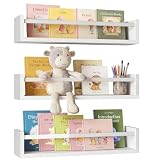
A bookshelf wall works only when the shelf depth, mounting hardware, and visual weight match the room. Too shallow, and books lean.

Dead corners waste square footage, and a corner shelf wood unit fixes that without making the room feel crowded.
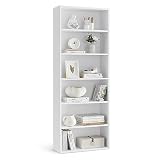
A white bookcase works only if the dimensions, shelf count, and finish match the room before the first book goes on it.
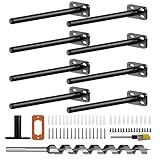
Floating shelves fail in predictable ways: short rods, weak anchors, poor stud placement, and shelf boards too deep for the bracket.
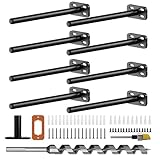
Floating shelves fail in two places: the bracket geometry and the wall connection. Pretty shelves, bad math.
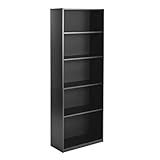
A 71-inch bookcase lives or dies on two numbers: shelf depth and per-shelf load. Get those wrong and you've got a leaning tower of paperbacks.
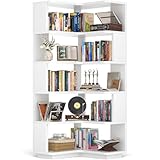
A white corner bookshelf has one job: turn dead space into vertical storage without making the room feel heavier. The best ones aren't just tall and pale.

A childrens wall bookcase has one job: keep picture books visible without eating floor space. The winners here are wall-friendly, kid-height, and sized…