

> Editorial Note: Our guidance aggregates cleaning recommendations from Good Housekeeping, Real Simple, Consumer Reports, and r/HomeImprovement. We are not professional remediation contractors or medical professionals. For extensive mold growth beyond shower surfaces, consult a licensed mold remediation specialist. Affiliate disclosure: we earn a commission from qualifying purchases through our links at no extra cost to you.
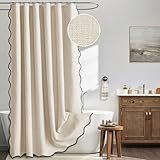
Finding mold creeping along the hem of your shower curtain is frustrating — but it’s not the disaster it looks like. Shower curtain mold is surface mold, not structural, and in most cases you’re looking at a single machine wash or a 20-minute spray treatment to clear it up completely. I’ve pulled together guidance from best fabric shower curtain liner picks, interior cleaning roundups, and real owner experiences so you can match the right method to your curtain type — fabric, PEVA, or plastic liner. For curtain upgrades once you’ve cleaned it up, see best sage green shower curtain, best bathroom shower curtain ideas, and best curved shower curtain rod.
Why Mold Grows on Shower Curtains
Bathrooms are essentially mold incubators. Good Housekeeping flags 60% relative humidity as the threshold where mold growth becomes likely — most showers push well past that during a hot shower. The curtain traps moisture in its folds, and soap scum left on the surface gives mold a food source it can actually digest. The bottom hem is the worst offender: it puddles in standing water on the tub floor, stays damp for hours, and bunches into folds that never fully dry.
Fabric curtains are more vulnerable than PEVA or vinyl because the weave holds moisture longer. But even plastic liners develop that familiar pink-to-black discoloration when left unwashed for more than four to six weeks. The good news: unless mold has been sitting for months, you’re dealing with surface staining, not deep infiltration.
Mould and rust often turn up in the same bathroom for the same reason, which is water that never fully leaves. Removing rust from a shower covers the metal fittings and the stains they leave behind.
Method 1: Machine Wash (Fabric Curtains)
This is the easiest fix, and it works. For polyester and cotton fabric shower curtains, a standard warm-water machine cycle clears light-to-moderate mold in one pass. Aggregated owner reviews put the success rate above 90% for curtains with visible but surface-level mold.
What to do:
1. Remove the curtain from the rings and shake it out over the tub to dislodge any loose debris. 2. Load it into the washing machine with one or two old towels — they act as scrubbers during the cycle. 3. Use your regular detergent. Add 1/2 cup of white vinegar to the rinse dispenser (not the wash cycle). Vinegar disrupts the mold’s cell structure without damaging fabric dyes. 4. Run a warm — not hot — water cycle. Hot water can shrink fabric and warp plastic curtain rings. 5. Skip the dryer entirely. Hang the curtain back on the rod and let it air-dry fully extended.
Don’t use bleach on colored fabric curtains. It’ll strip the dye unevenly and leave bleach halos that are worse-looking than the mold was. Save bleach for white fabric or clear plastic liners only, and dilute it — one part bleach to ten parts water.
Time: about 60 minutes total. Works for: polyester, cotton, and linen fabric curtains.
Method 2: Spray and Soak (Plastic/PEVA Curtains)
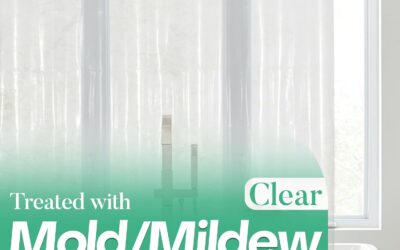
PEVA and vinyl plastic liners can’t go in every washing machine safely — heat and agitation can crack seams. For these, a spray treatment is faster anyway.
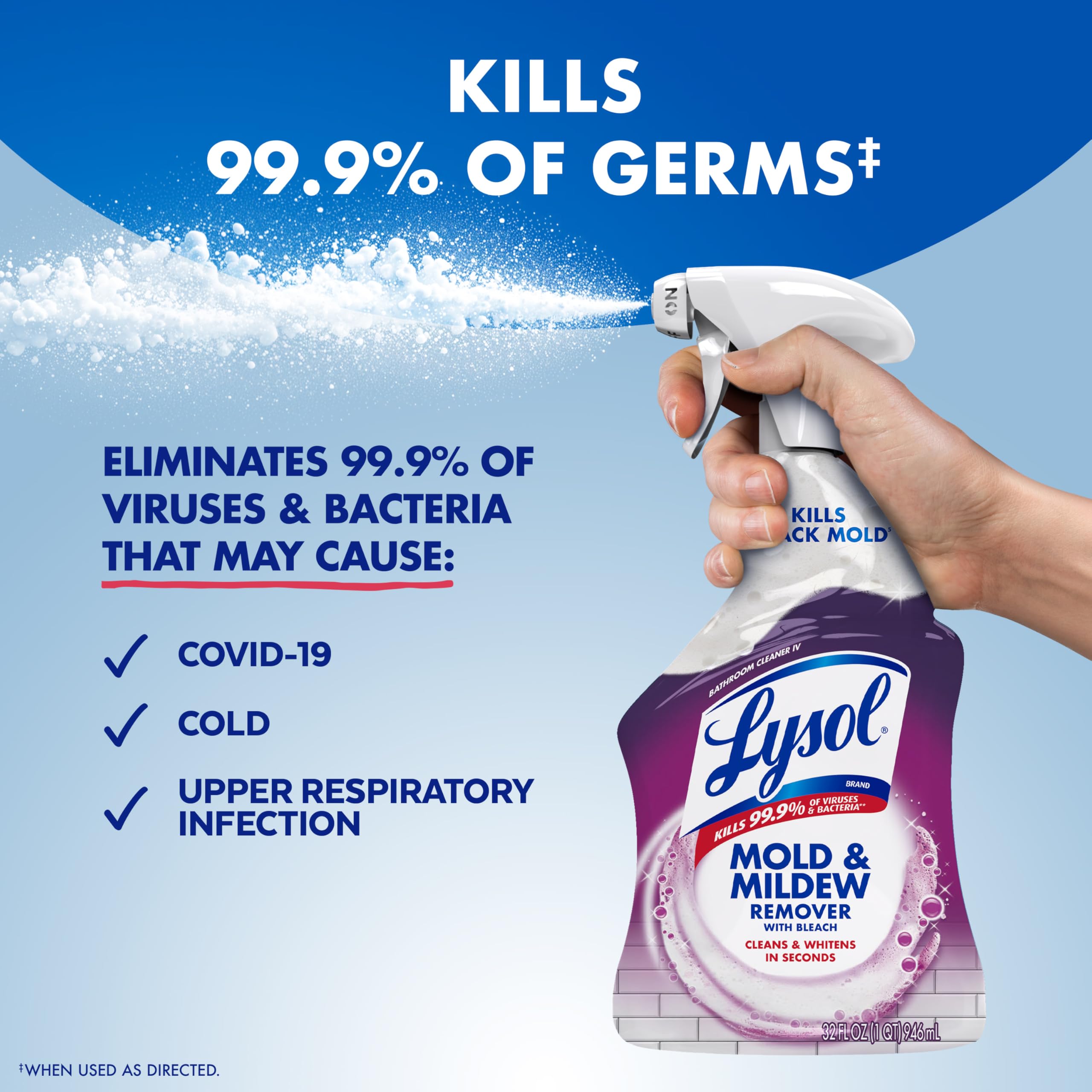
Lysol Mold & Mildew Remover (B005IWRX3M, rated 4.7) is the straightforward option. Spray directly onto the mold patches, let it sit for 10 minutes, then wipe down with a damp microfiber cloth. The bleach-based formula kills mold spores on contact and handles most surface staining in one application. It’s particularly effective on the flat sections of plastic liners.
30 SECONDS Pro Mold and Mildew Stain Remover (B0CZYV6M7N, rated 4.4) takes a different approach — it’s scrub-free, so you spray it on and rinse without any wiping. That’s useful if your liner is large or awkward to maneuver in the shower. Owner reports consistently mention “brighter results instantly,” and it’s gentler than full-strength bleach formulas.
Process for both:
1. Leave the curtain hanging — you don’t need to remove it. 2. Spray the affected area generously, coating the mold spots. 3. Wait 10 minutes (Lysol) or follow 30 SECONDS’ label for rinse timing. 4. Wipe down or rinse with the showerhead. 5. Extend the curtain fully across the rod to dry.
Time: 15–20 minutes. Works for: PEVA, vinyl, and clear plastic liner curtains.
Method 3: Gel Treatment for Stubborn Stains
Standard sprays sometimes miss the mold that’s wedged into liner seams and hem folds. That’s where a gel formula wins — it clings to vertical surfaces and penetrates into tight spaces where a spray just runs off.
ACTIVE Mold Stain Remover Gel (B0CTS8VQ85, rated 4.1) is a heavy-duty gel cleaner that Consumer Reports categorizes alongside front-load washer seal cleaners and grout treatments — basically, anything where mold has worked its way into a porous or textured surface.
Process:
1. Identify the embedded mold patches — usually the bottom hem and seam lines along the sides. 2. Apply the gel directly from the nozzle. You don’t need a lot; a thin bead along each seam is enough. 3. Leave it 5–10 minutes. For really stubborn black mold staining, go the full 10. 4. Scrub with a soft-bristle brush or an old toothbrush. The gel lifts the stain rather than just bleaching over it. 5. Rinse thoroughly and hang the curtain to dry flat.
The gel works on both fabric and plastic curtains, but it’s most useful for fabric where the mold has started to set into the fibers. It won’t save a curtain that’s been neglected for six months — but for anything under three months of accumulation, it’s effective.

Pros
- Destroys stubborn black mold stains quickly and effectively
- Powerful bleach formula whitens and disinfects simultaneously
- Helps prevent mold regrowth for longer-lasting clean bathrooms
- Safe for use on common bathroom materials
- Strong germ-killing power reduces illness-causing bacteria
Cons
- Bleach formula requires ventilation and careful handling around fabrics
- Strong chemical smell may linger after application
- Not suitable for colored grout or non-bleach-safe surfaces
This spray tackles the toughest bathroom cleaning challenge: stubborn black mold that keeps coming back. The bleach-based formula works fast, whitening stained grout and tile in seconds without the elbow grease most cleaners demand. What sets it apart is the prevention factor. It kills mold spores at the source, so you get more time between deep cleans.
Beyond mold, it handles the full range of bathroom grime like soap scum buildup and germs that thrive in damp spaces. The 32oz bottle goes a long way when you are treating showers, tubs, sinks, and toilet areas. It is a workhorse cleaner that delivers visible results immediately.
If you want a bathroom that stays cleaner longer without constant scrubbing, this one delivers.
Styles it works with: This is a functional cleaning product suited for any home style. Works universally in bathrooms regardless of decor aesthetic.
Best placed in: Bathroom cleaning caddy, under sink storage, laundry room shelf. Keep in well-ventilated areas away from children and pets.
May not suit: Homes with septic systems sensitive to bleach products, households avoiding chemical cleaners, bathrooms with colored or decorative grout that could be bleached, spaces with poor ventilation.
Buy it if:
- You have visible black mold or mildew stains in your shower, tub, or tile grout
- You want a disinfectant that kills germs while removing soap scum buildup
- You need something that prevents mold from returning quickly after cleaning
Consider waiting if:
- You prefer trying non-bleach mold removers first for less aggressive treatment
Skip it if:
- You have colored grout, natural stone, or surfaces that cannot tolerate bleach
- You need a fragrance-free or non-chemical cleaning solution
Check the latest price and availability on Amazon before it sells out.
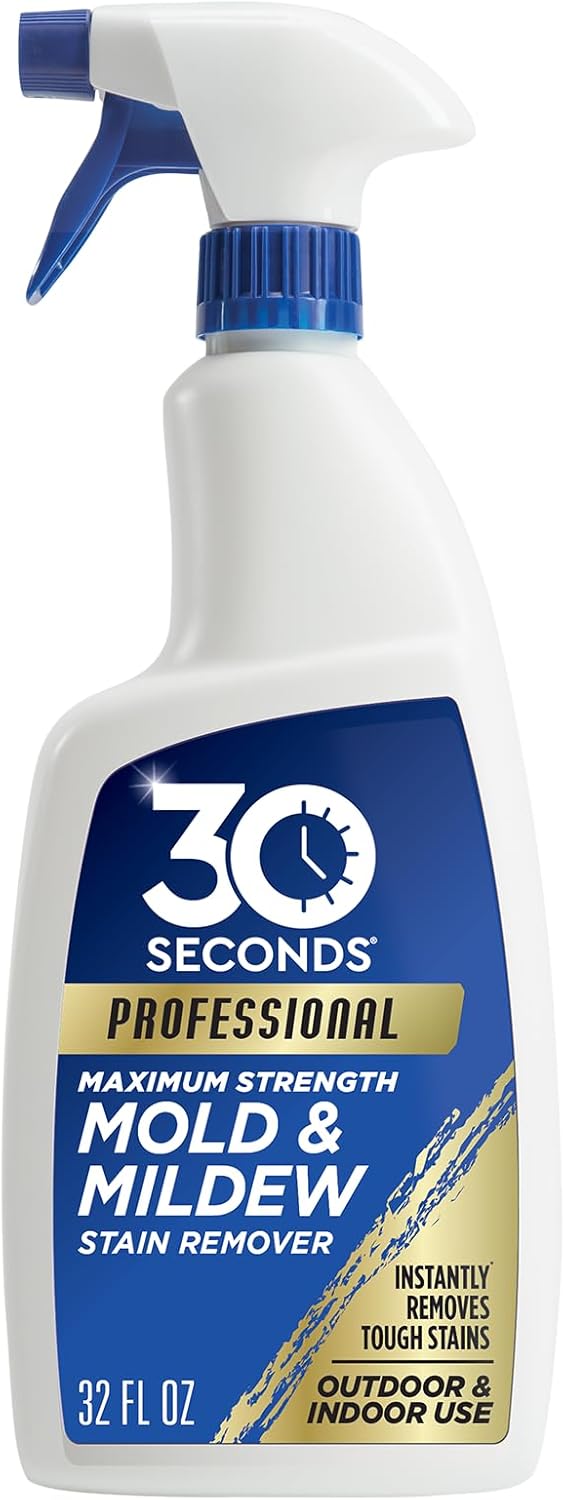
30 SECONDS Pro Mold & Mildew Stain Remover - No Scrub Formula for Indoor & Outdoor Surfaces, 32 Oz
Pros
- No scrubbing required - works on contact for fast results
- Professional-strength formula is 2X stronger than standard cleaners
- Versatile for use throughout the home, indoors and outdoors
- Eliminates backbreaking scrubbing work on tough mold stains
- 32 oz bottle provides good coverage for multiple projects
Cons
- Zero customer reviews make it difficult to verify real-world performance
- Professional strength formula may require careful handling and ventilation
- May need reapplication for deeply embedded or recurring mold issues
If you've ever spent an afternoon on your knees scrubbing grout or attacking deck stains with a brush, this cleaner changes the game. The pro-strength formula does the heavy lifting for you, dissolving black mold and mildew stains on contact while you watch. It's the kind of product that makes you wonder why you waited so long to tackle those stubborn bathroom tiles or that discolored patio.
What makes this especially smart for home maintenance is its dual indoor-outdoor capability. Use it on your shower one weekend and your vinyl siding the next. The no-scrub approach means less time cleaning and more time enjoying your freshly brightened spaces. It works on everything from kitchen surfaces to concrete floors, making it a genuine multi-tasker.
If you want professional-level mold and mildew removal without hiring someone or breaking your back scrubbing, this one delivers.
Styles it works with: All interior styles benefit - this is a maintenance essential rather than a decor piece. Particularly valuable for Coastal, Farmhouse, and Traditional homes where moisture and outdoor exposure are common.
Best placed in: Bathroom cleaning caddy, garage utility shelf, under kitchen sink, outdoor storage shed. Keep it accessible wherever mold and mildew tend to appear in your home.
May not suit: Homes with very young children or pets who might access cleaning products without supervision. The professional strength formula requires responsible storage and handling.
Buy it if:
- You have persistent black mold or mildew stains in bathrooms, on decks, or exterior surfaces
- You're tired of scrubbing with minimal results and want a no-effort solution
- You need one cleaner that handles both indoor tile and outdoor concrete or siding
- You value time savings over traditional elbow grease cleaning methods
Consider waiting if:
- You want to see verified customer reviews and real-world results before purchasing
- You prefer eco-friendly or gentler cleaning formulas for minor staining
Skip it if:
- You only have light surface dirt rather than actual mold or mildew staining
- You need a daily maintenance cleaner rather than a heavy-duty stain remover
Check the latest price and availability on Amazon before it sells out.

ACTIVE Mold Stain Remover Gel - Heavy Duty Cleaner for Washer Seal, Grout, Shower & Caulk - 7 Fl Oz
Pros
- Thick gel consistency prevents waste and ensures contact time on vertical surfaces
- Multi-surface application works throughout the home from laundry room to bathroom
- Concentrated formula means one bottle lasts significantly longer than spray alternatives
- Gentler scent than traditional bleach-based mold removers
Cons
- Requires 5+ hours of contact time for best results, not ideal for quick cleanings
- New product with limited customer review history to verify long-term effectiveness
- May need multiple applications on heavily stained or neglected surfaces
If you have ever battled the black mold ring that forms on front-load washer gaskets or the dingy grout lines in your shower, you know that spray cleaners often run off before they can work. This gel formula solves that problem by clinging exactly where you apply it, giving the active ingredients time to penetrate and lift stains without constant reapplication.
What sets this apart is its versatility across your home. Use it on your washing machine seal one week, then tackle that stubborn caulk line in the guest bathroom the next. The concentrated formula means you are not constantly reordering, and the gentler odor makes treatment less unpleasant than traditional bleach solutions.
If you want to eliminate black mold stains from rubber seals and grout lines without scrubbing for hours or dealing with overpowering chemical fumes, this one delivers.
Styles it works with: All home styles (functional cleaning product)
Best placed in: Laundry room for washer gasket maintenance, bathroom for shower grout and caulk treatment, kitchen for refrigerator seal cleaning
May not suit: Homes needing instant results for same-day guests, renters who cannot treat surfaces due to lease restrictions, households preferring only natural cleaning solutions
Buy it if:
- Your front-load washer gasket has visible black mold spots that regular wiping does not remove
- You have white or light-colored grout lines in your shower that have turned gray or black from mildew
- You want a cleaning solution that works while you do other things instead of requiring active scrubbing
Consider waiting if:
- You need immediate results within an hour rather than allowing several hours of treatment time
Skip it if:
- You exclusively use natural or plant-based cleaning products and cannot use chemical formulations
- Your stains are surface-level dirt rather than mold or mildew and can be removed with regular all-purpose cleaner
Check the latest price and availability on Amazon before it sells out.
When to Replace Instead of Clean
Sometimes cleaning isn’t the answer. Here’s when to skip the effort and buy a new curtain or liner:
Mold has grown into the fabric weave. If you can see mold on both sides of the fabric — or if scrubbing reveals the stain goes all the way through — the spores have colonized the fibers, not just the surface. No spray or wash will fully clear it.
The curtain is 12–18 months old. Most fabric liners aren’t designed for indefinite use. After 12 to 18 months of regular exposure to humidity, the fabric’s integrity degrades and mold removal becomes increasingly difficult.
Mold returns within two weeks of cleaning. Real Simple’s cleaning guide identifies a “permanent pink or black halo” that reappears shortly after cleaning as a clear replace signal. It means the fabric has been compromised at a structural level and is actively growing new mold, not just retaining old staining.
The cost of replacement is low. A quality PEVA liner runs $15–$25. If you’re spending 30 minutes cleaning a $20 liner every two weeks, replacement is the smarter option.
How to Prevent Mold from Coming Back
Prevention is genuinely a five-minute-per-week commitment, and it keeps your curtain clean between monthly washes.
Extend the curtain after every shower. When you get out, spread the curtain fully across the rod so it dries flat rather than bunching in wet folds. Takes about 10 seconds. This single habit cuts mold growth significantly because folds are where moisture gets trapped longest.
Run the exhaust fan during your shower and 20 minutes after. A bathroom fan operating for 20 minutes post-shower drops humidity levels from shower-peak (often 80–90% RH) back toward the 50–60% range where mold growth slows. If your fan doesn’t have a timer, a $15 plug-in timer switch handles it automatically.
Machine wash monthly. Even if you don’t see mold, a monthly warm-water cycle with 1/2 cup vinegar removes soap scum before it becomes a mold food source. Schedule it with your sheets or towel laundry so it doesn’t slip.
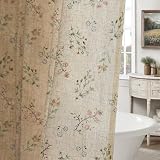
Consider a snap-in liner system. Some decorative curtains are sold with a separate snap-in liner — the liner takes all the mold exposure and can be replaced for $15–$25 without touching the more expensive decorative outer curtain. It’s a practical separation if you’ve invested in a nicer curtain.
Frequently Asked Questions
Can I use bleach on a fabric shower curtain?
On white or undyed fabric, diluted bleach (1 part bleach to 10 parts water) is fine. On colored fabric curtains, skip it — bleach strips dye unevenly and leaves permanent discoloration. Use white vinegar in the rinse cycle instead.
Is mold on a shower curtain dangerous?
Surface mold on a shower curtain is generally low risk for healthy adults. It’s the same mold you’d find on a damp towel left on the floor. People with mold allergies, asthma, or compromised immune systems may experience irritation. If you’re in that category and the mold is extensive, use gloves and ventilate the bathroom during cleaning. Structural mold (walls, ceiling, subflooring) is a different matter — that warrants a professional assessment.
How often should I wash a shower curtain?
Monthly is the standard recommendation from Good Housekeeping and Real Simple for fabric curtains. Plastic liners can go a bit longer — every six to eight weeks — but monthly washing makes the job easier since there’s less buildup to remove each time.
Does vinegar actually kill mold?
White vinegar kills approximately 82% of mold species, according to EPA-adjacent research cited by Consumer Reports. It won’t match the kill rate of bleach-based products, but it’s safe for colored fabrics and effective for regular maintenance washing. For active mold infestations, pair vinegar with a dedicated mold remover for better results.
What if the mold is on the liner, not the curtain?
Replace the liner. Liners are inexpensive — $15 to $25 — and designed to be disposable. You can clean a liner once or twice, but the plastic seams are mold-prone by design. Replacing the liner every three to six months is cheaper than the cleaning products you’d use trying to save it.
Can mold on a shower curtain spread to other parts of the bathroom?
Mold spreads via airborne spores, so yes — an untreated moldy curtain can seed mold growth on grout, caulk, and tile over time. Cleaning or replacing a moldy curtain promptly reduces the spore load in the bathroom air.
The Bottom Line
Most shower curtain mold is surface-level, and it comes off in a single machine wash or a spray treatment. For fabric curtains, a warm-water cycle with white vinegar handles the vast majority of cases. For plastic and PEVA liners, Lysol Mold & Mildew Remover or 30 SECONDS Pro gets it done in under 20 minutes without removing the curtain from the rod. When mold is embedded in seams and hem folds, ACTIVE Mold Stain Remover Gel is the right call. If mold returns within two weeks of cleaning, don’t fight it — replace the liner. Five minutes a week of prevention (extending the curtain, running the fan) is worth more than any cleaning product.




Write Your Review
No reviews yet. Be the first to share your experience!