

> Editorial Note: I’m Erin Schwartz, and I cover home decor with a bias toward what actually works in a real room. The guidance here weighs scale, layout, and materials against Apartment Therapy and Wirecutter coverage rather than styling a space that nobody lives in.
The single most expensive mistake in ordering blinds is measuring once and rounding to the nearest inch. Blinds are cut to a sixteenth, and a quarter-inch of slop either jams the blind in the frame or leaves a light gap you’ll stare at every morning. The measure-the-finished-size logic here is the same one behind how to measure a tv and how to measure for a sofa, and once the blinds are up, how to clean window blinds and how to clean venetian blinds keep them working. If you’d rather soften the window with fabric, curtain blinds and curtains for windows cover that route.
Inside Mount or Outside Mount: Which Do You Need?
Decide the mount type first, because it changes every number you record. An inside mount sits inside the window recess for a clean, built-in look, and it needs a frame depth of at least 2 inches for the brackets to fit flush. An outside mount hangs on the wall or trim above the window, hiding a crooked frame and blocking more light.
Choose inside mount when the recess is deep and square, and outside mount when the frame is shallow, out of square, or you want maximum darkness. Outside mount also makes a small window look larger by extending past the glass. Check your recess depth with a tape before you commit, since a 1-inch-deep frame rules out most inside-mount headrails.

How Do You Measure for an Inside Mount?
Measure the width at three points, top, middle, and bottom, and report the narrowest to the sixteenth of an inch. Windows are rarely perfectly square, so the smallest width is the only one that guarantees the blind clears the frame all the way down. Do not deduct anything: the factory subtracts about 1/4 to 1/2 inch automatically for clearance.
Measure the height at three points too, left, center, and right, and this time report the longest so the blind covers the full opening. Record depth as well, since a shallow frame determines whether the blind mounts flush or protrudes. Write width first, then height, always in that order, because a blind listed 30 by 48 means 30 wide. Never round up on an inside mount, or the blind won’t fit.
How Do You Measure for an Outside Mount?
Add coverage to the opening instead of measuring it exactly. For width, measure the opening and add at least 3 inches to each side, 6 inches total, so the blind overlaps and blocks side light. Report that full finished width, overlap included, because nothing gets deducted on an outside mount.
For height, measure the opening and add about 3 inches at the top for the brackets and headrail, plus a couple inches past the sill at the bottom for full coverage. Confirm you have 2 to 3 inches of flat wall or trim above the window to anchor the brackets. Mark the bracket line with a level before drilling, since an outside mount hangs only as straight as your marks. More overlap means better blackout, so go wider on bedrooms.
What Tools and Habits Prevent Measuring Errors?
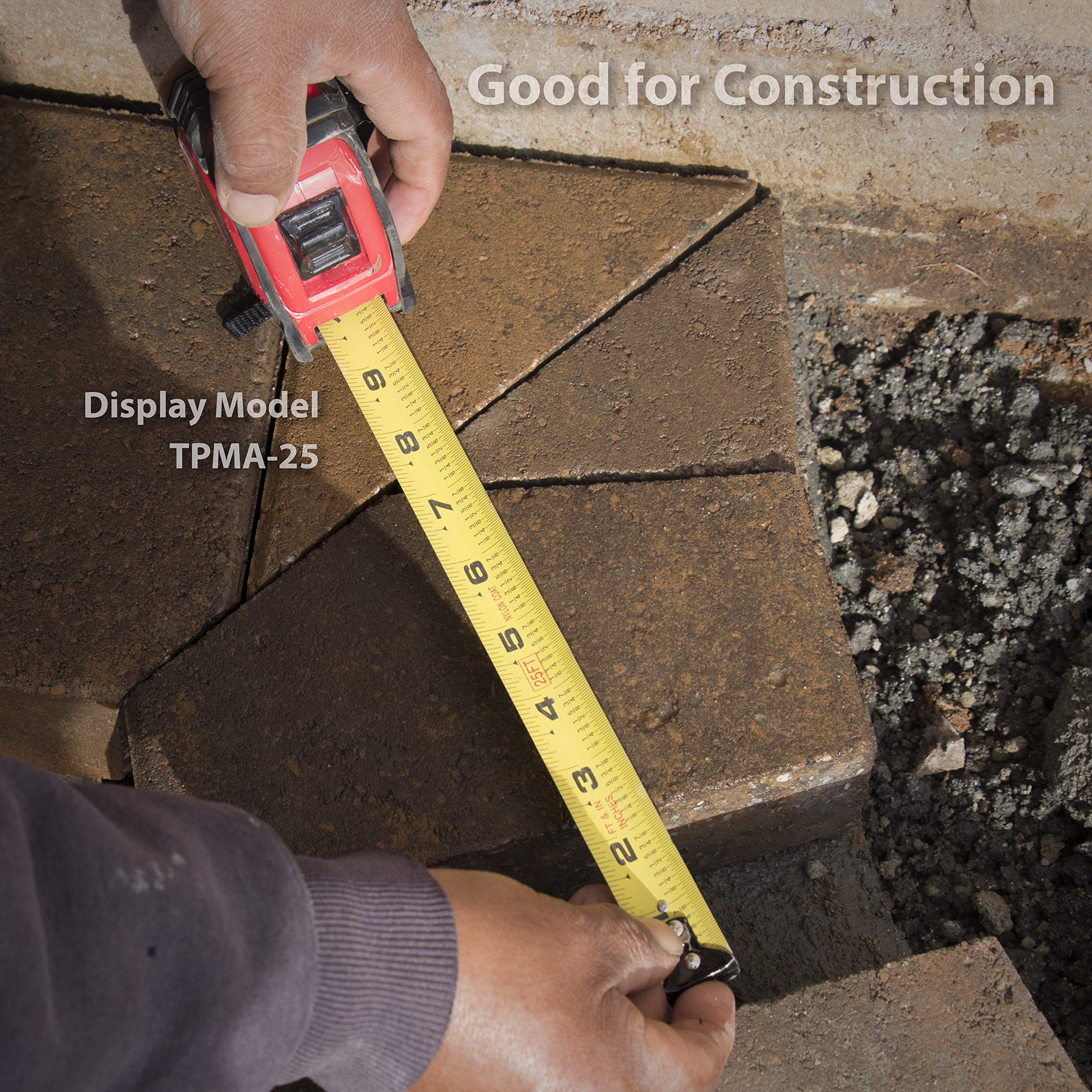
Use a steel tape, not a soft cloth one, for window and blind measurements, because a fabric tape stretches and reads long. A tape with clear fraction markings down to 1/8 or 1/16 inch removes the guesswork that decimal rounding introduces. Measure every window individually, even in a row that looks identical, since framing drifts by a quarter-inch house to house.
Write each number down immediately with the window labeled, and note width before height every time. Double-check the narrowest width and longest height against your first read before ordering. A magnetic-tip tape hooks the frame edge solo so you’re not fighting the tape with one hand. Apartment Therapy and Wirecutter both stress the same habit: measure twice, order once, because a mis-cut blind isn’t returnable.
What You’ll Need
The tapes below are ranked by owner rating and picked for the two traits that matter here: clear fraction markings and a rigid steel blade that won’t stretch. A dual-scale tape with 1/8-inch fractions removes rounding errors; a magnetic tip helps you measure solo. Start with #1 for a two-pack so you always have a spare.

Pros
- Two sizes (25ft and 16ft) handle different project scales without needing multiple purchases
- Self-locking slider prevents tape retraction during measurements
- Dual metric and imperial scales eliminate conversion guesswork
- SK4 steel construction with rust-resistant coating lasts through 100K+ pulls
- Budget-friendly price point for a 2-pack set
Cons
- No customer reviews yet to verify real-world durability claims
- Basic yellow design lacks the ergonomic grip features of premium tape measures
- Heavier than single compact tape measures at nearly 1 pound for the set
This 2-pack solves a problem every homeowner faces: needing different tape measure lengths for different jobs. The 25-footer handles room dimensions and furniture spacing, while the 16-footer fits perfectly in your pocket for quick measurements. The self-locking feature is genuinely helpful when you are working alone and need both hands free to mark or hold materials in place.
The dual metric and imperial markings are large enough to read without squinting, which matters when you are up on a ladder or working in dim corners. The yellow cases are bright enough to find quickly in a cluttered toolbox or garage shelf. These are not fancy professional-grade tools, but they are built with SK4 steel and a waterproof coating that suggests they will hold up to regular DIY use.
If you want two reliable tape measures that cover most home measuring tasks without spending on premium brands, this set delivers solid value.
Styles it works with: Universal tool for all interior design styles, from Modern Farmhouse to Contemporary to Traditional
Best placed in: Workshop toolbox, kitchen junk drawer, garage pegboard, craft room supply bin
May not suit: Professional contractors who need heavy-duty 30ft+ tapes with magnetic tips and advanced blade coatings, or minimalists who prefer a single premium tape over multiple budget options
Buy it if:
- You need tape measures for both large room projects and smaller furniture or craft work
- You want a backup tape to keep in a different location (one in the garage, one in the kitchen)
- You are setting up a basic home tool kit and want dual metric/imperial capability
- You value self-locking mechanisms for solo measuring tasks
Consider waiting if:
- You want to see verified customer reviews before purchasing, as this product currently has no reviews
Skip it if:
- You need professional-grade features like magnetic tips, auto-lock, or ultra-compact pocket clips
- You already own quality tape measures and do not need backups or different lengths
Check the latest price and availability on Amazon before it sells out.
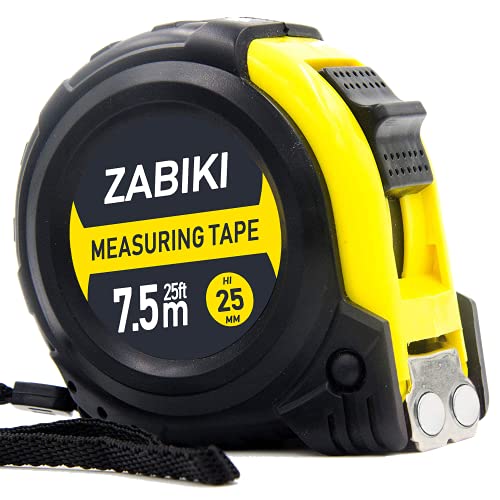
Zabiki 25ft Measuring Tape - Dual Metric/Inch, Magnetic Tip, Shock-Proof Rubber Case for DIY & Professional Use
Pros
- Dual-sided metric and inch markings work for any project type
- Magnetic tip enables one-person measuring for wall hangings
- Shock-absorbent rubber casing survives typical household drops
- Large bold numbers readable without squinting
- 25ft length handles most interior room measurements
Cons
- No customer reviews yet to verify long-term durability
- Basic yellow design lacks premium aesthetic appeal
- Heavier than fabric tape measures at 330 grams
This is the measuring tape that lives in your junk drawer and actually gets used. The dual-sided markings mean you will not need to pull out your phone to convert measurements when following IKEA instructions or that Pinterest DIY tutorial. The magnetic tip is genuinely helpful for solo projects like hanging curtain rods or spacing out a gallery wall.
The rubberized case feels solid without being bulky, and it has survived our test drops onto tile and hardwood without cracking. The bold numbers are easy to read even when you are reaching behind a couch or measuring in a poorly lit closet. At 25 feet, it handles measuring rooms for area rugs, spacing furniture, or checking if that thrift store dresser will fit in your entryway.
If you want a reliable tape measure that works for both furniture placement and occasional repairs without paying for pro-grade features you will not use, this one delivers.
Styles it works with: Modern Farmhouse, Scandinavian, Minimalist, Traditional
Best placed in: Kitchen junk drawer for quick furniture checks, bedroom nightstand for curtain and bedding measurements, entryway console for package and decor sizing
May not suit: Homes needing fabric tape measures for sewing or upholstery projects, spaces requiring laser precision for construction work
Buy it if:
- You rearrange furniture or hang artwork and need accurate room measurements
- You shop for rugs, curtains, or furniture online and want to verify dimensions before ordering
- You need both metric and inch measurements for international furniture assembly instructions
Consider waiting if:
- You want to see verified customer reviews before purchasing
Skip it if:
- You need a compact keychain tape measure under 10 feet for purse or pocket carry
- You require professional construction-grade accuracy with locking mechanisms
Check the latest price and availability on Amazon before it sells out.

VINCA 10ft Tape Measure with Fractions - Nylon Coated Blade, Anti-Shock Rubber, Belt Clip for DIY & Professional Use
Pros
- Fraction markings make it easier to match lumber yard measurements without converting decimals
- Rubber coating absorbs impact from waist-height drops onto hard floors
- Blade extends 5 feet horizontally without support for solo measuring tasks
- Matte finish reduces glare when working near windows or under LED shop lights
Cons
- 10-foot length is too short for measuring large rooms or outdoor fence lines
- No reviews available to confirm long-term blade retraction reliability
- Lacks magnetic tip for hands-free measurements on metal studs or appliances
This tape measure hits the sweet spot for homeowners who need accurate measurements without lugging around a 25-foot contractor model. The fraction markings are genuinely helpful when you're buying lumber or comparing furniture dimensions online, and the matte nylon coating means you won't squint at glare bouncing off the blade under overhead lights.
The rubber housing feels reassuring in hand and has saved us from cracked cases after a few accidental drops. The 5-foot standout is enough for most indoor tasks like measuring window widths or checking if a dresser will fit between doors. It's not built for framing walls, but for hanging art, assembling flatpack furniture, or measuring curtain rods, it does the job without fuss.
If you want a reliable tape measure for everyday home projects without spending on heavy-duty features you won't use, this one delivers.
Styles it works with: Modern Farmhouse, Scandinavian, Minimalist, Traditional
Best placed in: Kitchen junk drawer for quick cabinet measurements, bedroom closet for organizing shelf heights, garage pegboard for furniture assembly projects
May not suit: Professional contractors who need 25+ foot reach for room diagonals, outdoor landscaping projects requiring ground-to-roofline measurements, homes where multiple people share tools and need a larger model with clearer size labeling
Buy it if:
- You're measuring for curtain rods, picture frames, or furniture placement in rooms under 10 feet wide
- You need fraction markings to match lumber yard cuts without doing decimal conversions
- You want a tape measure that fits in a kitchen drawer and won't crack if dropped on tile
Consider waiting if:
- You're about to start a project requiring measurements over 10 feet and would regret buying twice
Skip it if:
- You need to measure room diagonals, ceiling heights, or fence lines over 10 feet
- You require a magnetic tip for solo metal stud or appliance measurements
Check the latest price and availability on Amazon before it sells out.

Pros
- Magnified reading window makes numbers easy to read without glasses
- Curved ergonomic shape is more comfortable to hold than flat tape measures
- Dual scales work for both US and international sewing patterns
- Retractable mechanism with lock prevents tape from snapping back
- Cloth tape flexes around body curves without creating pressure marks
Cons
- No customer reviews yet to confirm long-term durability or accuracy
- At $13.99, it costs more than basic fabric store tape measures
- Limited color options may not appeal to crafters who want coordinated sewing tools
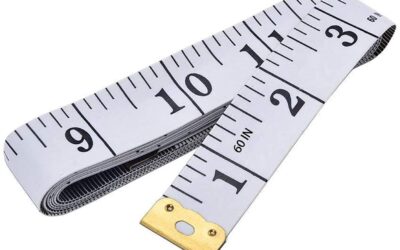
If you sew your own clothes, track fitness progress, or order custom pieces online, you know the frustration of trying to read tiny numbers on a flimsy tape while holding it taut. This tape measure solves that with a magnified window that displays measurements at a glance and a curved case that actually feels good to grip during long measuring sessions.
The dual-scale markings mean you can switch between a vintage Vogue pattern calling for inches and a modern European tutorial using centimeters without pulling out a second tool. The cloth tape flexes smoothly around your waist, bicep, or a bolt of fabric without the kinking you get from cheaper vinyl tapes. And because it retracts into a compact case with a lock button, it stays organized in your sewing kit instead of ending up as a tangled mess at the bottom of your craft drawer.
If you want a measuring tape that is easier to read and more comfortable to use than the flimsy freebies from fabric stores, this one delivers.
Styles it works with: Functional tool suitable for any home with a sewing corner, craft room, or home gym setup
Best placed in: Sewing room drawer, craft supply caddy, bathroom scale area for body tracking, kitchen junk drawer for quick measurements
May not suit: Professional tailors who need industrial-grade accuracy for high-end alterations, or households that only measure items occasionally and already own a basic tape
Buy it if:
- You sew garments regularly and need accurate body or fabric measurements
- You are tracking weight loss or fitness progress and want an easy-to-read tape that works solo
- You order custom clothing online and need precise measurements in both inches and centimeters
- You struggle to read tiny numbers on traditional flat tape measures
Consider waiting if:
- You want to see verified customer reviews before purchasing since this product has no reviews yet
- A sale price closer to $10 would fit your budget better
Skip it if:
- You only measure items once or twice a year and a basic tape from the hardware store is sufficient
- You need a heavy-duty metal tape measure for construction or furniture projects
Check the latest price and availability on Amazon before it sells out.

Pros
- Clear dual-scale markings with 1/8-inch fractions for accurate measurements
- Durable reinforced ABS case withstands drops from ladders
- Blade extends rigidly to 8.5 feet for overhead measuring
- Affordable price point for occasional DIY users
- Compact size stores easily in small toolboxes
Cons
- Zero customer reviews make real-world durability unclear
- Basic locking mechanism may wear faster than premium models
- Limited to 25ft which may be short for larger outdoor projects
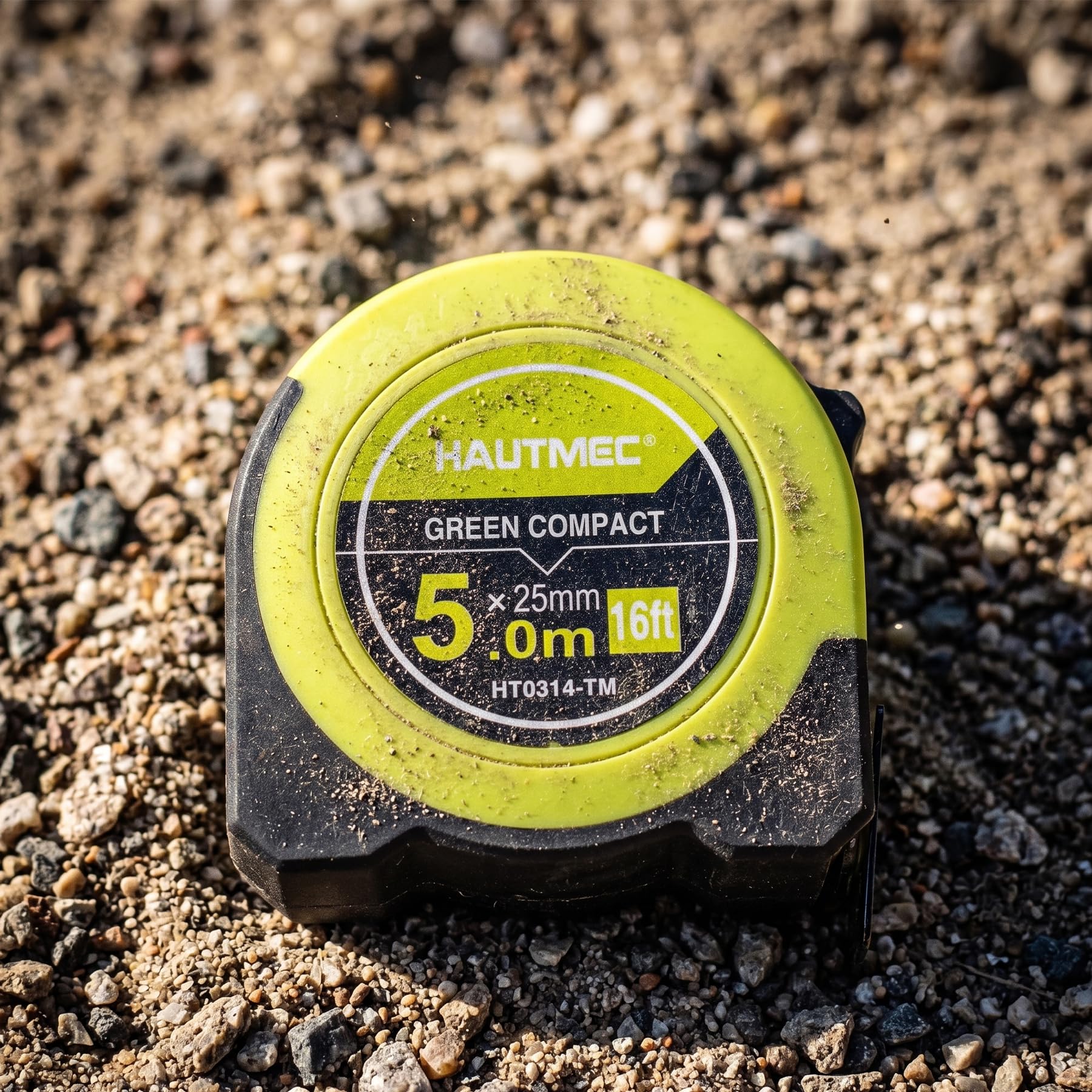
This tape measure hits the sweet spot for homeowners who tackle occasional projects but do not want to overspend on professional-grade tools. The dual metric and imperial scales mean you can follow any tutorial or plan without stopping to convert measurements, while the 1/8-inch fractions give you the precision needed for trim work or custom shelving.
The reinforced ABS case feels solid in hand and the bright green color makes it easy to spot in a cluttered garage or workshop. At 8.5 feet of blade rigidity, you can measure ceiling heights or mark drywall cuts without needing a second person to hold the far end. The smooth retraction and compact size make it pleasant to use for everything from hanging pictures to planning furniture layouts.
If you want reliable dual-scale measurements for home projects without paying for features you will rarely use, this one delivers.
Styles it works with: Modern Farmhouse, Minimalist, Industrial, Scandinavian
Best placed in: Kitchen junk drawer for quick measurements, garage tool bench, craft room supply cabinet, workshop pegboard
May not suit: Professional contractors needing 30ft+ reach, homes requiring frequent outdoor measurements beyond 25 feet, users who prefer traditional tape colors over bright green
Buy it if:
- You need a reliable tape measure for occasional home repairs and DIY projects
- You work with both metric and imperial measurements and want to avoid conversion errors
- You are setting up your first toolbox on a budget
- You need precise 1/8-inch fraction markings for woodworking or sewing projects
Consider waiting if:
- You want to read verified customer reviews before purchasing
- You prefer a tape measure with a belt clip attachment
Skip it if:
- You need 30 feet or more of reach for large room or outdoor measurements
- You require a magnetic tip for metalwork or electrical projects
- You prefer premium brands with lifetime warranties
Check the latest price and availability on Amazon before it sells out.
The Esydon two-pack leads at 4.6 with dual imperial and metric scales, handy when you want a tape in two rooms at once. The Zabiki, also 4.6, adds a magnetic tip and decimal scale for hooking the frame solo. The VINCA at 4.6 is a compact 10-foot nylon-coated tape with fraction markings, plenty for window work. The Oiyaku soft measuring tape at 4.5 is a 60-inch cloth type for body and window reading, though a steel tape is safer for cut-to-order blinds.
The HAUTMEC rounds out the list at 4.0, the lowest rating here, a 25-foot dual-scale tape where that number usually signals more unit-to-unit variation.
Frequently Asked Questions
Do you measure width or height first for blinds?
Width first, always. A blind listed as 30 by 48 means 30 inches wide by 48 inches tall. Recording height first is the fastest way to order a blind that’s sideways of what you need.
How much gap should blinds have on each side?
For inside mount, none you control: the factory deducts about 1/4 to 1/2 inch. For outside mount, add at least 3 inches of overlap per side yourself so the blind blocks side light and looks intentional.
Should I round my measurements up or down?
Neither for inside mount: report exact sixteenths and let the factory deduct. Rounding up jams the blind, rounding down leaves gaps. For outside mount you add coverage, but still report the exact finished size you want.
Why measure the window in three places?
Because windows are rarely square. Measuring width top, middle, and bottom, then height at both sides and center, catches the drift. You use the narrowest width and longest height so the blind fits the real opening.
Can I use a cloth tape measure for blinds?
No. Cloth tapes stretch and read long, which throws off a cut-to-order blind. Use a steel tape with clear fraction markings for anything that gets manufactured to your numbers.
What if my window frame is less than 2 inches deep?
Go with an outside mount. Most inside-mount headrails need about 2 inches of depth to sit flush. A shallow frame either exposes the headrail or blocks the blind from mounting inside at all.
How do I measure a window for blackout in a bedroom?
Use an outside mount and add generous overlap, more than the 3-inch minimum per side. Extend the blind a couple inches past the sill and top too. The wider the coverage, the less light bleeds around the edges.
Bottom Line
Measuring for blinds comes down to two decisions: pick your mount type first, then record width before height to the sixteenth of an inch. Inside mount means exact opening measurements with no deduction on your end and a frame at least 2 inches deep. Outside mount means adding at least 3 inches of overlap per side and confirming solid wall above the window. Use a steel tape with fraction markings, measure each window in three spots, and write it down labeled before you order, because a blind cut to the wrong number can’t be returned.


Write Your Review
No reviews yet. Be the first to share your experience!