

> Editorial Note: I’m Lauren Ro, and I write furniture buying guides. The picks here are judged on the specs that predict how a piece ages — frame joinery, foam density, and load ratings — checked against BIFMA and FSC certifications plus aggregated owner reports.
Mold on wood furniture almost always starts where you can’t see it: the underside of a drawer, the back panel against a damp wall, the leg sitting on a basement floor. You smell it before you spot it. Catch it as a gray-green dusting and a damp cloth clears it in ten minutes; let it sink into open grain for a season and you’re into sanding and refinishing. The same habits that keep why does my wood furniture crack from becoming a problem also starve mold of moisture, and the surface techniques overlap with how you’d how to clean a wood cutting board, how to clean engineered wood floors, how to remove water stains from wood furniture, how to remove scratches from wood furniture, or how to clean outdoor furniture frames.
First, Confirm It’s Mold and How Deep It Goes
Mold looks fuzzy and raised; surface dirt and mildew often wipe away flat. Dab a spot with a cotton swab dipped in diluted dish soap. If the stain lifts and the wood underneath looks clean, you caught it early and it’s sitting on the finish, not in the fiber. If the wood is darkened or soft beneath, the growth has reached the grain and cleaning alone won’t finish the job.
The finish decides your approach more than the mold does. Sealed, painted, or lacquered wood resists penetration, so most colonies stay on top. Raw, oiled, or antique pieces drink moisture, and spores root faster. The EPA advises that any porous surface with growth spread beyond roughly 10 square feet is a remediation job, not a weekend one.
Set Up Before You Touch It
Move the piece outside or into a garage with the door open. You want airflow, because scrubbing releases spores into the air, and a closed room just relocates the problem to your lungs and your walls. Sunlight helps too. UV exposure kills surface spores and dries residual moisture, so a clear day does free work.
Wear an N95 respirator, gloves, and eye protection. The CDC flags mold cleanup as a respiratory irritant, and this step may help you avoid the headaches and congestion that come from a face full of airborne spores. Lay down a drop cloth you can bag and toss afterward. Never reuse the rag, brush, or cloth on clean furniture later.
Brush and Vacuum the Loose Spores First
Start dry. A soft-bristle brush knocks the surface growth loose without grinding it deeper into the pores. Brush away from yourself in short strokes, following the grain, not across it.
Then vacuum what you dislodged. Use a HEPA-filter vacuum if you have one, because a standard filter passes mold particles back into the room at sizes down to 3 microns. Skip the shop vac without a fine filter. Empty the canister or bag straight into an outdoor trash bin. This dry pass matters more than people expect. Wetting mold before you remove the loose layer just turns dust into a paste that smears into the grain.
Clean With a Solution That Kills It
White vinegar is the workhorse here. Its acidity kills most common household mold species on contact, and unlike bleach it won’t strip color from stained wood or leave the surface waterlogged. Spray it undiluted, let it sit ten minutes, then wipe with a barely damp cloth. For a heavier film, mix a few drops of dish soap into warm water and work in small circles, rinsing the cloth often so you’re lifting mold off, not spreading it around.
Bleach is the common mistake. It sits on the surface and bleaches the stain pale while the water carrier soaks into the grain and feeds whatever roots survived. Reserve chlorine bleach for non-porous surfaces like glass or sealed tile. On wood, vinegar or a dedicated wood cleaner does more with less damage. Keep the wood barely damp, never soaked. Standing moisture is the whole reason you’re here.
Dry It All the Way, Then Sand If Needed
Wipe the piece down with a dry microfiber cloth, then let it air-dry completely before it goes back indoors. A fan speeds this up. Give it 24 to 48 hours, longer for thick or unsealed wood, because a surface that feels dry can still hold moisture a millimeter down.
If a stain or musty smell survives cleaning, the mold reached the fiber and you’ll need to sand. Work 120-grit into 220-grit, sanding only the affected area with the grain, and vacuum the dust as you go. Once you break the finish, reseal that spot within 24 hours. Bare wood left open is an invitation, so a coat of the original finish or a wax closes the pores back up.
Keep It From Coming Back
Mold needs three things: moisture, still air, and a food source. Cut any one and it can’t establish. The most reliable lever is humidity. Keep indoor relative humidity below 50%, which the EPA cites as the threshold where mold growth slows sharply, and a $30 hygrometer tells you where you stand.
Pull furniture an inch or two off the wall so air moves behind it. Don’t store solid wood in an unconditioned basement or against exterior masonry that sweats. A dehumidifier in a damp room does more than any cleaner. And a periodic wipe with a furniture polish or wax every 3 to 6 months adds a thin barrier that leaves less bare grain for spores to grab.
When to Stop and Call a Pro
Some jobs aren’t DIY. If growth covers more than about 10 square feet, if it’s crept into the joinery or the structural frame, or if the wood is spongy and crumbling, the piece is likely past saving and the spores have almost certainly spread beyond it. Call a remediation specialist. The same goes if the mold followed a plumbing leak or flood, since the moisture source is still active behind a wall somewhere. And anyone with asthma or a mold allergy should hand off even a small job. No antique is worth a respiratory flare.
Helpful Products
These three are chosen on one criterion for this job: they clean and protect finished wood without soaking it, and each clears a 4.3-plus owner rating. Reach for the Pledge polish to reseal and shine after cleaning, the beeswax spray if you want a natural wax barrier on raw or oiled wood, and the Air Jungles wipes for fast spot maintenance between deep cleans.

Pros
- No waxy buildup means furniture stays clean longer
- Pleasant orange scent that isn't overpowering
- Works effectively on fingerprints and everyday dust
- Affordable price point for regular household use
Cons
- Only 9.7oz may require frequent repurchasing for large homes
- No customer reviews available yet to verify long-term performance
- Not suitable for unsealed or unfinished wood surfaces
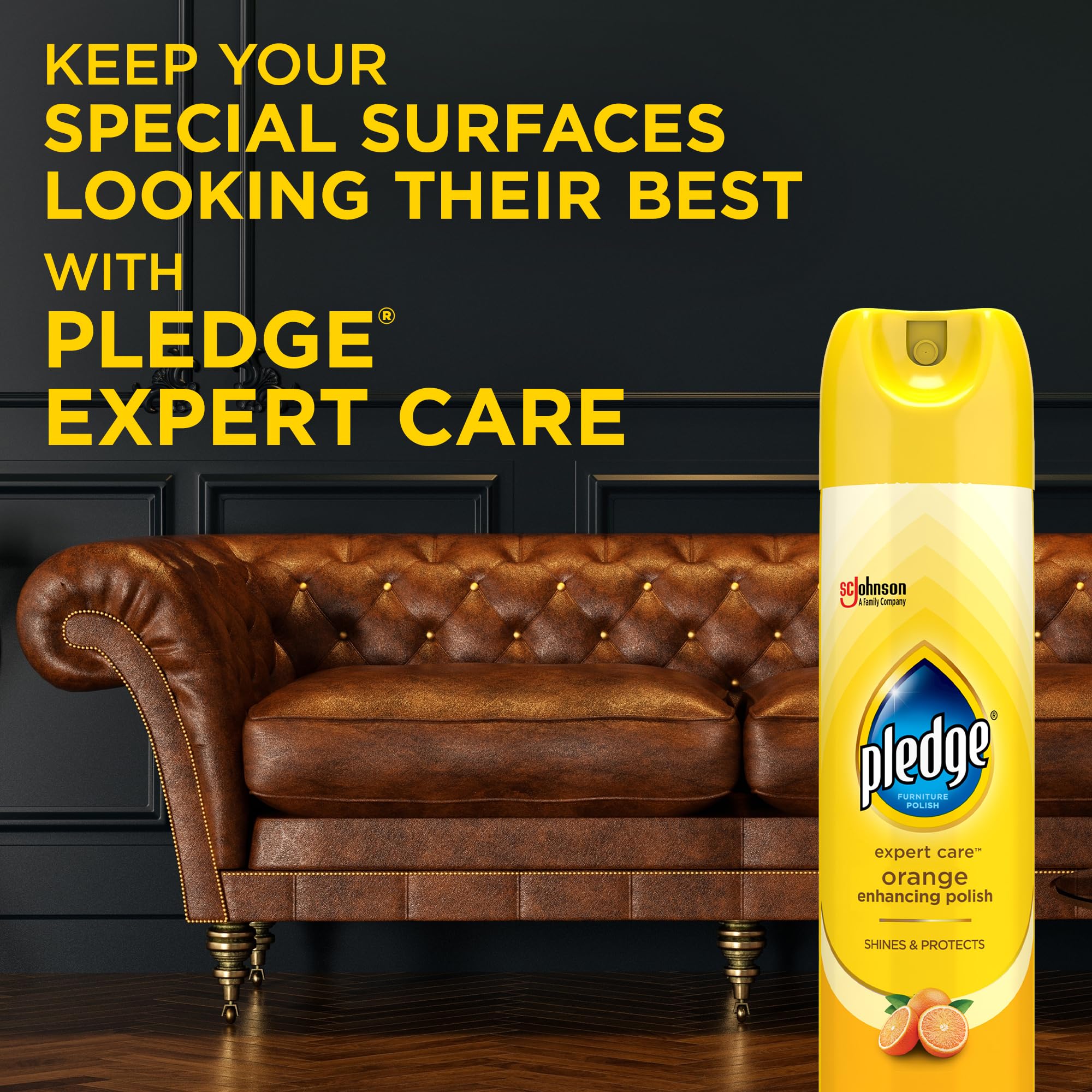
This is the kind of product that sits under your sink and quietly does its job week after week. Pledge Expert Care brings that signature orange scent and reliable shine to your wood furniture without the sticky, waxy feel that older polishes left behind. It's particularly good at tackling fingerprints on dark wood dining tables and smudges on cabinets where little hands reach.
What we appreciate most is how it enhances the natural look of your furniture rather than masking it with buildup. The spray mechanism gives you control, and the formula dries quickly so you're not waiting around. It works beautifully on everything from mid-century modern credenzas to farmhouse-style coffee tables, as long as the wood is sealed.
If you want a dependable furniture polish that keeps wood looking cared-for without extra effort or residue, this one delivers.
Styles it works with: Traditional, Farmhouse, Transitional, Mid-Century Modern
Best placed in: Dining room for weekly table care, living room for coffee tables and media consoles, kitchen for wood cabinets and sealed countertops
May not suit: Homes with unfinished or waxed wood furniture that requires specialized care, minimalist spaces where unscented cleaning products are preferred
Buy it if:
- You have sealed wood furniture that needs regular dusting and shine maintenance
- You're tired of polishes that leave sticky residue or dull buildup
- You want an affordable, proven furniture care product for routine cleaning
Consider waiting if:
- You prefer unscented cleaning products and want to explore fragrance-free options first
Skip it if:
- Your furniture is unfinished, oil-treated, or antique wood requiring specialized care products
- You need a large-format bottle for commercial cleaning or multiple properties
Check the latest price and availability on Amazon before it sells out.
Pros
- Complete kit with spray, cleaning sponge, and polishing cloth included
- Natural beeswax formula is safer than chemical-heavy alternatives
- Works on multiple wood surfaces from floors to furniture
- Creates a protective coating that resists moisture and scratches
- Simple spray-wipe-polish process requires no special skills
Cons
- No customer reviews yet to verify performance claims
- Small 120ml bottle may not last long for larger homes or frequent use
- Generic brand with limited product history or warranty information
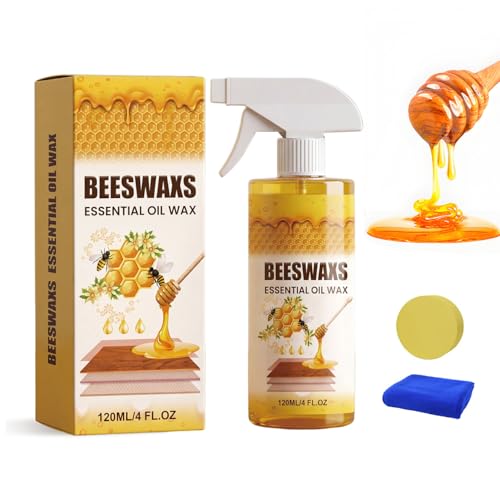
This is the kind of product that makes wood care feel less like a chore and more like giving your furniture a quick refresh. The natural beeswax formula brings back warmth to dull wood without the chemical smell that lingers for hours after using conventional polishes. You spray it on, wipe away years of grime and fingerprints, then buff to a smooth finish that actually feels different under your hand.
What stands out is how it handles multiple jobs in one bottle. It cleans sticky residue off your dining table, polishes your coffee table back to life, and leaves a thin protective layer that helps prevent future scratches and water rings. The included sponge and cloth mean you are not digging through closets looking for the right supplies.
If you want a natural way to revive tired wood furniture without hiring a professional or spending an afternoon on each piece, this one delivers.
Styles it works with: Farmhouse, Rustic, Traditional, Scandinavian
Best placed in: Dining room tables, living room coffee tables and side tables, bedroom dressers and nightstands, kitchen cabinets, entryway console tables, hardwood floors in any room
May not suit: Homes with laminate or veneer furniture that is not real wood, ultra-modern spaces with metal or glass surfaces, households looking for high-gloss finishes rather than natural matte protection
Buy it if:
- You have real wood furniture that looks dull, scratched, or dried out and want to restore it yourself
- You prefer natural cleaning products over chemical-heavy polishes
- You need an all-in-one solution that cleans, polishes, and protects without buying separate products
Consider waiting if:
- You want to see verified customer reviews before committing to a new generic brand
- You have a large home with extensive wood surfaces and need a larger bottle size
Skip it if:
- Your furniture is laminate, veneer, or painted wood rather than solid natural wood
- You need a high-gloss finish instead of a natural matte protection layer
Check the latest price and availability on Amazon before it sells out.

Pros
- Significantly larger than standard furniture wipes at 8x10 inches
- Multi-surface formula works on cabinets, tables, carved wood, and doors
- Non-greasy finish avoids the sticky residue left by many wood polishes
- Resealable packaging prevents wipes from drying out
- Pleasant lemon scent without overpowering chemical odor
Cons
- No customer reviews yet to confirm long-term performance claims
- At $14.99 for 70 wipes, costs more per wipe than some spray alternatives
- May require multiple wipes for heavily soiled or neglected wood surfaces
If you have wood furniture scattered across multiple rooms, these wipes are a time-saver. The 8x10 inch size means you can tackle a dining table or cabinet front in a few swipes instead of going through half a dozen smaller wipes. They handle everyday dust and fingerprints while adding a subtle shine that makes wood look freshly oiled without the greasy film.
The lemon scent is light enough that it does not compete with candles or diffusers, and the flip-top container keeps wipes from drying out between weekly cleanings. We appreciate that they work on carved details and trim without leaving buildup in grooves, which is where spray polishes often fail.
If you want quick wood maintenance that looks polished without dedicating an afternoon to oiling and buffing, this one delivers.
Styles it works with: Modern Farmhouse, Traditional, Transitional, Rustic
Best placed in: Kitchen for cabinet touch-ups, dining room for table maintenance, home office for desk care, entryway for console and door cleaning
May not suit: Homes that prefer all-natural or fragrance-free cleaning products, or those with antique wood requiring specialized conservation-grade care
Buy it if:
- You clean wood surfaces weekly and want a faster routine than spray bottles
- You have kitchen cabinets, dining tables, or office furniture that show fingerprints easily
- You prefer the control of wipes over aerosol sprays near upholstery or walls
Consider waiting if:
- You want to see verified customer reviews before committing to a new brand
Skip it if:
- You only clean wood once a month and a smaller pack makes more sense
- You need a fragrance-free formula for scent-sensitive households
Check the latest price and availability on Amazon before it sells out.
Frequently Asked Questions
Does vinegar really kill mold on wood?
Yes, for most common household molds on a sealed or lightly affected surface. White vinegar’s acidity kills spores on contact and doesn’t leave the wood waterlogged the way a water-and-bleach mix does. Spray it undiluted, wait ten minutes, then wipe with a barely damp cloth.
Can I use bleach to remove mold from wood furniture?
No, not on porous wood. Bleach lightens the visible stain but its water carrier soaks into the grain and can feed whatever roots survive below the surface. Save chlorine bleach for non-porous materials like glass or sealed tile, and use vinegar or a wood-safe cleaner on furniture.
How do I get the musty smell out after cleaning?
Dry the piece completely with airflow, then set it in direct sunlight for a few hours. UV kills lingering surface spores and heat drives out trapped moisture, which is usually what’s still holding the odor. If the smell persists, the mold reached the fiber and light sanding plus resealing is the next step.
Is moldy furniture safe to keep in the house?
It depends on how deep it goes. Surface mold on a sealed finish cleans up and stays safe once dry. But spongy, crumbling wood or growth past roughly 10 square feet may release spores you can’t fully remove, and the CDC treats that as a health risk worth avoiding, so those pieces are better replaced.
How do I stop mold from returning?
Control moisture first. Keep indoor humidity below 50%, pull furniture off damp walls so air circulates behind it, and skip storing solid wood in unconditioned basements. A dehumidifier and a periodic coat of wax or polish close the gap, since dry, sealed wood gives spores nothing to grow on.

Write Your Review
No reviews yet. Be the first to share your experience!