

> Editorial Note: I’m Hannah Lin, an Interior Living Researcher who’s spent 9+ years analyzing the home furniture market. This guide draws on BIFMA, GREENGUARD, and FSC certification specs, plus owner reviews aggregated from Wirecutter and Apartment Therapy.
That hairline split running across your dining table or dresser top isn’t random, and it usually isn’t a defect either. Wood is hygroscopic, which means it constantly trades moisture with the air around it, and that movement is what splits boards over time. If you’re already troubleshooting other issues, you might also want how to remove scratches from wood furniture, a sturdier best coffee table for living room, a solid best dresser for bedroom, a fix for how to get rid of musty smell in furniture, or a well-built best console table for entryway. Here’s what’s actually causing the cracks, and how to slow them down.
Reason 1: Low Indoor Humidity and Dry Air
The single most common culprit is dry air pulling moisture out of the wood. When indoor relative humidity drops below roughly 35%, solid wood loses internal moisture and the boards shrink across the grain. That shrinkage creates tension, and the weakest point splits. You’ll see this most in winter, when heating systems run for hours and indoor RH can fall into the 15–25% range.
The fix is to bring humidity back into the safe zone. Most furniture makers and woodworking sources, including Wood Magazine, point to 40–45% relative humidity as the target for keeping solid wood stable. A small room humidifier near your most valuable pieces does the heavy lifting. A cheap hygrometer (often under $15) tells you whether you’re actually in range instead of guessing.
Conditioning helps here too. A feed-and-wax product won’t add moisture to bone-dry air, but it slows how fast the surface gives up moisture, which buys the wood time to adjust. Think of it as a buffer, not a cure. The real solution is the air itself.
Heat damage follows the same logic in wood and in cookware, which is that the surface fails where the temperature spikes fastest. For the cookware version, the burnt pot guide explains why a thin, uneven base scorches in the same spot every time.
Moisture is behind both problems, moving through the wood in one case and trapped in the finish in the other. The water ring guide covers the trapped-moisture version.
Reason 2: Rapid Humidity Swings Between Seasons
Steady-but-imperfect humidity is far kinder to wood than humidity that bounces around. The problem isn’t only dryness. It’s the speed of the change. When a humid summer flips to a dry, heated winter in a few weeks, the wood swells and then contracts faster than it can relieve the internal stress. That’s when checking and end-grain cracks appear.
The Spruce and other home-care sources note that seasonal movement is normal in solid wood, but violent swings are what turn movement into damage. Wide tabletops and panel doors are the most vulnerable because they have the most width to move across the grain.
The practical move is to smooth out the curve. Run a humidifier in the dry months and, if your summers are muggy, a dehumidifier or AC to keep things from spiking the other way. Aim to hold the room within a 10-point band rather than letting it drift from 20% to 60% and back. Don’t store furniture in an unconditioned garage or basement between uses. Those spaces see the widest swings of all.
Reason 3: Direct Heat and Sun Exposure
Placement matters more than most people expect. A piece parked over a floor vent, beside a radiator, or in a south-facing window gets baked on one side while the rest stays cooler. That uneven drying is a fast track to cracking because one zone shrinks while the adjacent wood doesn’t. Family Handyman flags heat sources as a leading cause of premature splitting in case goods.
Direct sun adds a second problem. UV exposure breaks down finishes over months, and once the protective layer thins, the bare wood underneath loses moisture even faster. You’ll often spot fading and cracking together on the same sun-hit surface.
The fix is simple and free. Keep furniture at least a couple of feet away from vents, radiators, and fireplaces. Redirect or partially close vents that blow straight onto a piece. For sunny rooms, use sheer curtains or UV-filtering window film, and rotate smaller pieces occasionally so one face isn’t always taking the hit. If you can feel warmth on the wood with your hand, it’s too close.
Reason 4: Lack of Conditioning and Sealing
Wood that never gets conditioned slowly dries from the surface inward, and the finish itself degrades over years of cleaning and handling. Once the topcoat wears thin, there’s nothing holding surface moisture in. Owner reviews aggregated across Wirecutter and Apartment Therapy repeatedly mention older pieces that “dried out” and split after a decade of nothing more than dusting.
A periodic feed-and-wax treatment helps replace lost surface oils and refreshes the protective layer. The general guidance from furniture-care sources is to condition unsealed or oil-finished wood about every 6 months, more often in dry climates. Pieces with a hard polyurethane finish need it less, but exposed end grain and unfinished undersides still benefit.
It’s worth noting what conditioning can’t do. It won’t reverse an existing structural crack, and it can’t substitute for humidity control. What it does well is keep a healthy piece healthy and slow surface checking before it starts. Wipe on a thin coat, let it sit, buff off the excess. That’s the whole routine, and it’s cheap insurance for furniture you plan to keep.
Reason 5: Low-Quality or Improperly Kiln-Dried Wood
Sometimes the wood was set up to fail before it reached your home. Solid lumber needs to be kiln-dried to roughly 6–8% moisture content for indoor use. When a manufacturer rushes that step or skips it, the wood keeps drying inside your house and cracks within the first year or two. Bargain furniture is where this shows up most.
This is also where joinery and grain orientation matter. Wide single-board tops without breadboard ends or proper expansion gaps have nowhere to move, so they split instead. FSC certification tells you the wood was responsibly sourced, but it doesn’t guarantee drying quality, so check seller reviews for repeated mentions of cracking.
There’s no real fix for badly dried wood after the fact beyond stabilizing your home’s humidity and hoping it settles. The better strategy is prevention at purchase. Favor reputable makers, look for kiln-dried claims, and lean toward engineered panels or quarter-sawn boards for very wide surfaces, since both move less than flat-sawn solid wood.
How to Prevent Future Cracking
Three habits cover most of it. First, control humidity: hold the room at 40–45% RH year-round with a humidifier in winter and a hygrometer to confirm the number. That one change prevents the majority of moisture-driven cracks. Second, condition on a schedule. Treat oil-finished and unsealed pieces with a feed-and-wax product about every 6 months so the surface never dries out. Third, mind placement. Keep furniture a couple of feet from vents, radiators, and direct sun, and avoid unconditioned storage entirely.
None of this reverses damage that’s already done, but together these steps keep a healthy piece stable for decades. The wood will still move with the seasons. The goal is to keep that movement slow and even so it never builds enough tension to split.


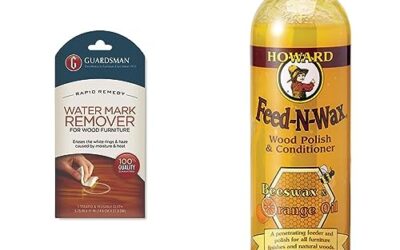
Howard Feed-N-Wax Wood Polish & Conditioner with Orange Oil, Beeswax & Carnauba Wax, 8 oz
Pros
- Exceptional value at under $7 for a product that outperforms pricier wood care alternatives
- Suitable for both finished and unfinished wood, making it versatile across all wood surfaces in the home
- Dual-wax formula (carnauba + beeswax) leaves a soft protective luster without a greasy or heavy residue
- Highly rated by thousands of users for reviving antiques, cabinets, and furniture that looked beyond saving
- Natural orange oil formula is noticeably more pleasant to use than solvent-heavy competitors
Cons
- The 8 oz bottle may run out quickly if you are treating a large number of surfaces or an entire kitchen cabinet set at once
- Results on severely damaged or deeply cracked finishes may require pairing with Restor-A-Finish first, adding to overall cost
- The soft-luster finish may not satisfy buyers who want a high-gloss shine on polyurethane or lacquered surfaces
If your wood furniture has started to look dull, parched, or just a little sad, Howard Feed-N-Wax is the kind of product that makes you wonder why you waited so long. It combines real orange oil with beeswax and Brazilian carnauba wax to do two things at once: feed the wood with conditioning oils that penetrate below the surface, and seal it with a protective wax coating that brings back that warm, natural glow. The result is not a fake plastic shine but the kind of depth you see in a well-loved piece of furniture that has been properly cared for over decades.
What makes this especially appealing for home decor enthusiasts is how broadly it applies. Antique side tables, solid wood dining sets, kitchen cabinet fronts, wood trim, interior doors: this one bottle handles all of them. The application process is simple enough that it becomes a quick monthly ritual rather than a chore, and the subtle orange scent makes the process genuinely pleasant. You will notice a difference on the first application.
If you want wood furniture that looks genuinely cared for and protected without spending hours refinishing or paying for professional restoration, this one delivers.
Styles it works with: Traditional, Farmhouse, Mid-Century Modern, Rustic
Best used on pieces in: Dining room (tables, chairs, sideboards), living room (coffee tables, media consoles, wood shelving), kitchen (cabinet fronts, wood trim), and entryways (console tables, wood doors)
May not suit: Homes with exclusively laminate or MDF furniture that has no real wood surfaces to condition; buyers seeking a high-gloss lacquer-level finish rather than a natural soft luster
Buy it if:
- You own solid wood furniture, antiques, or wood cabinets that are starting to look dry, dull, or faded and want to restore them without refinishing
- You want a single affordable product that works as ongoing monthly maintenance across all the wood surfaces in your home
- You have recently used Howard Restor-A-Finish and need the ideal follow-up product to seal and protect the restored finish
Consider waiting if:
- You are still deciding whether to refinish, replace, or restore a heavily damaged piece and have not yet committed to a wood care routine
Skip it if:
- All of your furniture is laminate, veneer over MDF, or painted surfaces with no exposed real wood to condition
- You specifically need a high-gloss finish restorer for polyurethane-coated surfaces rather than a conditioning wax polish
Check the latest price and availability on Amazon before it sells out.

Howard Feed-N-Wax Beeswax Wood Polish & Conditioner with Orange Oil, 16 oz | Protects Furniture, Cabinets & Antiques
Pros
- Massive 41,000+ customer review base with a 4.6-star rating confirms consistent real-world performance
- Works on all wood types and finishes including polyurethane, lacquer, varnish, shellac, and raw wood
- Natural ingredient blend of beeswax, carnauba wax, mineral oil, and orange oil is gentler than synthetic polishes
- Ideal follow-up product to Howard Restor-A-Finish for a complete wood restoration routine
- Large 16 oz bottle provides many months of use at a very accessible price point
Cons
- Contains petroleum distillate, which requires adequate ventilation during use and makes it unsuitable for households that prefer fully natural or VOC-free products
- Needs to be reapplied monthly to maintain results, making it an ongoing commitment rather than a one-time fix
- Not a scratch or deep-damage repair product -- severe gouges or stripped finishes require a separate restoration step first
There is something deeply satisfying about watching a dull, thirsty piece of wood furniture come back to life, and Howard Feed-N-Wax delivers that transformation consistently. The blend of real beeswax, Brazilian carnauba wax, and orange oil is not just marketing copy -- you can smell and see the difference as you apply it. The wood drinks it in, and within minutes you have that warm, rich glow that makes a dining table or antique sideboard look genuinely cared for.
What sets this apart from generic furniture sprays is that it actually conditions the wood, not just the surface. Over time, wood loses the natural oils that kept it supple when it was part of a living tree. Feed-N-Wax replenishes those oils while leaving behind a protective wax coating, which means you are preventing future damage at the same time as improving today's appearance. It works beautifully on everything from kitchen cabinets to heirloom antiques.
If you want deep, lasting wood conditioning that keeps furniture looking showroom-quality without needing a full refinish, this one delivers.
Styles it works with: Traditional, Rustic Farmhouse, Mid-Century Modern, Craftsman
Best used on: Dining room tables and chairs, kitchen cabinets, living room wood console tables, bedroom dressers, entryway wood furniture and trim, antique pieces in any room
May not suit: Homes furnished exclusively with laminate, MDF, or painted wood pieces that do not benefit from oil conditioning; households seeking a fully scent-free or VOC-free maintenance routine
Buy it if:
- You have real wood furniture, cabinets, or antiques that are starting to look dull, dry, or faded and you want to restore their natural luster without refinishing
- You want a single product that works on both finished and unfinished wood across multiple rooms of your home
- You already use Howard Restor-A-Finish and need the ideal follow-up product to protect and maintain your restored pieces
Consider waiting if:
- You are still deciding on a full wood restoration plan and have not yet addressed deeper scratches or finish damage, since conditioning works best after surface issues are resolved
Skip it if:
- Your furniture is laminate, painted, or MDF-based, as this product is formulated specifically for real wood and will not benefit those surfaces
- You require a fully natural, petroleum-free formula due to chemical sensitivities or strict household preferences
Check the latest price and availability on Amazon before it sells out.

ProjectPapa Natural Wood Polish & Conditioner with Orange Oil and Beeswax - 8 fl oz, Furniture & Cabinet Care
Pros
- Natural beeswax and orange oil blend cleans and conditions simultaneously
- Versatile use across furniture, cabinets, doors, and trim throughout the home
- Made in the USA with natural ingredients, no harsh chemical odors
- Easy application process with visible results after a single treatment
Cons
- 8 oz size runs out quickly if treating multiple large furniture pieces regularly
- 20-minute wait time before buffing adds steps compared to spray-and-wipe alternatives
- Not suitable for sealed, lacquered, or polyurethane-coated finishes that cannot absorb oil
There is something genuinely satisfying about bringing a tired piece of furniture back to life, and ProjectPapa's wood polish makes that process accessible to anyone. The combination of beeswax and orange oil is a time-tested pairing: the oil penetrates and nourishes dry wood fibers while the wax seals in moisture and builds a smooth, low-sheen protective finish that actually looks intentional rather than greasy.
What sets this apart from generic polishes at the hardware store is how it handles both cleaning and conditioning in one pass. The orange oil cuts through built-up grime and fingerprints while simultaneously feeding the wood, so you are not layering multiple products or spending an afternoon on a single side table. The scent is pleasant and fades quickly, and the result is a warm, natural-looking luster that highlights the grain rather than masking it.
If you want furniture that looks genuinely cared for without the chemical smell or the hassle of a multi-step refinishing process, this one delivers.
Styles it works with: Modern Farmhouse, Scandinavian, Rustic, Traditional
Best placed in: dining room on wood tables and chairs, living room on wood media consoles or coffee tables, entryway on wood doors and trim
May not suit: homes with sealed or factory-lacquered furniture where oil cannot absorb, or households wanting a high-gloss finish rather than a natural matte-satin look
Buy it if:
- You have bare, oiled, or wax-finished wood furniture that looks dry, faded, or dull and needs reviving
- You want a single affordable product that handles cleaning and conditioning across multiple wood surfaces in your home
- You prefer natural ingredient formulas and want to avoid solvent-based polishes near kids or pets
Consider waiting if:
- You need a larger quantity to treat an entire set of kitchen cabinets or multiple rooms at once, in which case the 16 oz version offers better value per ounce
Skip it if:
- Your furniture has a factory polyurethane or lacquer coating that prevents oil absorption, as this product will sit on the surface rather than penetrate
- You are looking for a high-gloss or mirror-shine finish, since the beeswax formula produces a natural satin sheen
Check the latest price and availability on Amazon before it sells out.
Frequently Asked Questions
Can a crack in wood furniture be repaired?
Yes, most surface cracks can be filled. For thin checks, a tinted wax stick or wood filler matched to the finish blends the line. Wider gaps may need a glue-and-clamp repair or epoxy fill. Structural cracks through a joint are harder and sometimes call for a pro, but cosmetic checking is a manageable weekend fix.
What humidity level keeps wood furniture from cracking?
Aim for 40–45% relative humidity and hold it as steady as you can. Below 35% the wood dries and shrinks; above 55% it swells. A $15 hygrometer plus a room humidifier in the dry months keeps most pieces in the safe band.

Does wood conditioner actually stop cracking?
It helps but won’t fix everything. Conditioning replaces lost surface oils and slows how fast wood gives up moisture, which reduces surface checking. It can’t add humidity to dry air or repair an existing split, so pair it with proper humidity control for real results.
How often should I condition wood furniture?
For oil-finished or unsealed pieces, about every 6 months, and more often in dry climates. Hard polyurethane finishes need it far less, though exposed end grain and unfinished undersides still benefit from an occasional thin coat.
Why does only my dining table crack and not my other furniture?
Wide surfaces move the most. A large tabletop has more width to shrink across the grain, so it builds more tension than a narrow shelf or leg. Tables also sit in open rooms near windows and vents, which exposes them to more heat and dry air than tucked-away pieces. 5 reasons covers the trade-offs in more detail.




Write Your Review
No reviews yet. Be the first to share your experience!