

> Editorial Note: I’m Hannah Lin, an Interior Living Researcher who’s spent 9+ years analyzing the home furniture market. This guide draws on BIFMA, GREENGUARD, and FSC certifications, plus owner reviews aggregated from Wirecutter, Apartment Therapy, and the major home design subreddits.
The most common dryer-drum mistake isn’t forgetting the lint trap. It’s scrubbing the drum with an abrasive powder that strips the finish and leaves streaks on your next load of towels. A clean drum keeps your laundry room smelling neutral and your clothes stain-free, and it fits right into the same weekend rhythm as swapping out your best gallery wall frames, restyling your best console table for entryway, leaning in a best large floor mirror, hanging a best wall mirror for living room, or updating your best table lamp for living room. Here’s how to do it right in about 40 minutes.
What’s the Fastest Way to Clean a Dryer Drum?
Start cold. Unplug the dryer or switch off the gas line before you touch anything inside the drum. Safety first, always.
Pull the lint screen and clear it by hand. If you use dryer sheets, that screen carries a waxy film that blocks airflow, so wash it under warm water with a soft brush every few weeks. Let it dry fully before it goes back in.
Now the drum itself. Mix a 1:1 solution of white vinegar and warm water in a spray bottle, or use a ready-made all-purpose spray. Dampen a microfiber cloth, wring it out, and wipe the entire interior in overlapping passes. Get the back wall, the door gasket, and the folds where the drum meets the seal. That’s where residue hides.
For stuck-on gunk, let the damp cloth sit on the spot for two minutes to loosen it, then wipe. No abrasives. No steel wool. The drum has a baked enamel or stainless finish that scratches easily, and a scratched surface snags fabric.
Finish with a clean, dry cloth to buff out streaks, then leave the door open for 30 minutes so the interior air-dries. Wirecutter’s laundry-care guidance flags trapped moisture as the top cause of that musty smell. Run one empty warm cycle before your first real load.
A clean drum and a blocked duct are two different problems, and only one of them is a fire hazard. The dryer vent guide covers the step-by-step and the warning signs that the duct is restricted.
How Do You Remove Dye, Ink, or Crayon Stains From the Drum?
It depends on the stain, but most transfer marks lift without harsh chemicals. A rogue crayon or an ink pen that survived a pocket check is the usual culprit, and both melt into the drum under heat.
For crayon or melted wax, dampen a cloth with warm water and a squirt of dish soap, then rub in small circles. The wax softens and lifts. Stubborn spots respond to a magic-eraser-style melamine pad used with a light touch, but keep it off any glossy enamel you can scratch.
For ink or fabric dye, reach for rubbing alcohol on a cotton pad. Dab, don’t grind. Work from the outside of the stain inward so you don’t spread it wider. Apartment Therapy’s stain-removal breakdown recommends this same inside-in method for dye transfer on hard surfaces.
A cleaning gel works well for the tight seams around the door gasket where a cloth can’t reach. Squeeze a small bead into the crevice, wait 30 seconds, then pull it out and the trapped grime comes with it.
Once the stain is gone, wipe the whole area with plain water to remove any cleaner residue. Then dry it. Any leftover alcohol or soap can transfer to your next load, so a final rinse-and-buff step isn’t optional.
What Cleaners Are Safe, and Which Ones Ruin the Finish?
No bleach, and no scouring powder. Both attack the drum’s protective coating, and bleach fumes trapped in a closed drum can discolor synthetic fabrics on the very next cycle.
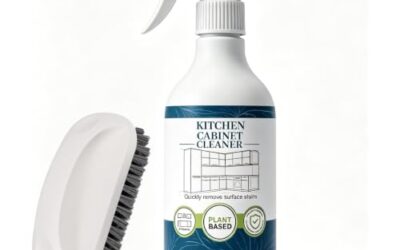
Your safest options are simple. Distilled white vinegar cuts odor and light residue. A mild dish-soap solution handles grease and wax. A dedicated spearmint or plant-based all-purpose spray does double duty on the drum and the exterior panel. All three rinse clean and leave no film that could stain clothes.
Check certifications if you want reassurance about what you’re spraying near laundry. GREENGUARD-certified formulas meet low-chemical-emission limits, and the label tells you at a glance. For the drum finish itself, manufacturers follow ASTM abrasion-resistance standards, which is exactly why an abrasive cleaner voids that protection.
Skip anything gritty, anything with ammonia, and any “heavy-duty degreaser” built for engine parts. They’re too aggressive for a surface that touches fabric every day.
A quick patch check saves you a headache. Spray a hidden spot near the drum’s back edge, wait a minute, and wipe. If the finish looks unchanged, you’re clear to do the full interior. If it dulls or spots, switch to plain vinegar and water. This one-minute check has saved more than a few drums from a permanent haze.
How Often Should You Deep-Clean the Drum and Vent?
A quick wipe every two to three loads keeps residue from building, and that’s the habit that matters most. It takes 90 seconds and prevents the streaking problem entirely.
The deeper jobs run on a schedule. Wash the lint screen monthly if you use dryer sheets, since the wax coating chokes airflow and makes the dryer work harder. A full drum wipe-down earns a spot on your quarterly cleaning list, right alongside the seasonal furniture rotation.
The vent line is the one people forget, and it’s the one that matters for safety. The NFPA links roughly a third of home dryer fires to lint that never gets cleared past the trap. Clean the vent duct at least once a year with a brush kit, more often if you dry heavy loads or run a long, winding duct.
Watch for the warning signs between cleanings. Clothes taking two cycles to dry, a hot exterior panel, or a burning smell all point to a clogged vent, not a tired dryer. A vent brush attached to a shop vacuum clears most of it in under 20 minutes.
Stay ahead of it and the machine lasts longer.
Helpful Picks
These three picks are vetted against 4.4-plus owner ratings and chosen for the exact jobs above: a vent-and-lint brush kit for airflow, a plant-based vinegar spray for the drum, and a crevice gel for the door-gasket seams.


PetOde Dryer Vent Cleaner Kit with Vacuum Hose Attachment and Lint Brush - Universal Fit for Most Vacuums
Pros
- Universal connector genuinely fits most vacuum cleaner models without extra adapters
- Slim0.73-inch outer height slides into narrower gaps than competing hoses
- Lint brush is long enough to reach deep into standard residential dryer vents
- Extremely affordable at under $8 for a complete two-piece kit
- Flexible design makes it easy to navigate bends inside vent ductwork
Cons
- Hose material can kink if bent at sharp angles, limiting suction in tight turns
- Brush bristles may flatten over time with heavy repeated use
- Not a replacement for professional cleaning on severely clogged or very longvent runs
This is one of those small, practical purchases that makes a surprisingly big difference in how your home functions day to day. The PetOde kit lets you clear out hidden lint buildup from your dryer vent in just a few minutes, and you do not need any special vacuum or tools get started. The universal stretch connector snaps onto most standard vacuums, so there is no guessing about compatibility.
Beyond the dryer, the flexible hose and long brush earn their keep in other hard-to-reach spots: behind the fridge, along radiator fins, or deep in sofa cushion gaps. It is the kind of tool that quietly keeps your home cleaner and safer without demanding storage space or a big investment.
If you want peace of mind about dryer safety without paying for a professional cleaning service, this one delivers.
Styles it works with: Any home style. This is a utility tool that stores out of sight in a laundry closet, utility drawer, or garage shelf.
Best placed in: Laundry room, utility closet, or stored near your vacuum cleaner for easy access during routine cleaning.
May not suit: Homes with commercial-length dryer vent runs (over 25 feet) or those neding a rotary brush system for heavily compacted lint clogs.
Buy it if:
- You have never cleaned your dryer vent and want a simple, affordable way to start
- You want a universal vacuum attachment that works without hunting for brand-specific parts
- You need a flexible tool reach behind appliances and into tight gaps around the house
Consider waiting if:
- You want a powered rotary brush kit for extremely long or heavily clogged vent runs
Skip it if:
- Your dryer vent exceds 20 feet and has multiple90-degree bends requiring professional-grade equipment
- You need a rigid rod system for vertical roof-exit vents
Check the latest price and availability on Amazon before it sells out.

Mighty Mint Vinegar Cleaner 16oz - Plant-Based All-Purpose Spray, Spearmint Scent, Pet-Safe Formula
Pros
- Genuinely pet-safe and family-friendly formula with no petroleum-derived ingredients
- Pleasant spearmint scent that avoids the typical overpowering vinegar odor
- Versatile enough for kitchen grease, bathroom grime, and general household cleaning
- Compact 16oz bottle is easy to store under the sink or carry between rooms
- Transparent ingredient list sourced from recognizable plants
Cons
- 16oz bottle is small for the price point and may run out quickly in larger homes
- No customer reviews yet to confirm long-term performance on tough stains
- Not suitable for natural stone, waxed wood, or other vinegar-sensitive surfaces
If you have ever sprayed a vinegar cleaner and immediately regretted the smell, Mighty Mint solves that problem outright. The spearmint scent is genuinely refreshing rather than overpowering, and it leaves surfaces smelling clean without any chemical residue. It is the kind of product that makes your daily kitchen wipe-down feel a little more intentional.
What stands out is the ingredient transparency. Everything in this bottle comes from plants like soybeans and peppermint, with zero petroleum filers. For homes with curious pets or small children, that peace of mind matters more than any label claim. It works well on stainless steel appliances, countertops, and bathroom tile without streaking.
If you want a cleaner that actually smells good and keeps your home free from synthetic residue without sacrificing cleaning power, this one delivers.
Styles it works with: Modern Farmhouse, Scandinavian, Minimalist, Clean Aesthetic
Best placed in: Kitchen counter cady, bathroom vanity shelf, under-sink cleaning station
May not suit: Homes with natural stone countertops (marble, granite) or waxed hardwood surfaces that react poorly to vinegar-based solutions
Buy it if:
- You have pets or young children and want a cleaner you can trust around them
- You dislike the harsh smell of traditional vinegar cleaners but want the same natural cleaning power
- You are building an all-natural cleaning routine and want a reliable all-purpose spray
Consider waiting if:
- You need a larger bottle size for heavy-duty or whole-house cleaning sessions
- You want to see verified customer reviews accumulate before committing
Skip it if:
- Your home has marble, granite, or other natural stone surfaces that vinegar can etch
- You need a heavy-duty degreaser for industrial or workshop-level grime
Check the latest price and availability on Amazon before it sells out.

Pros
- Gel consistency stays put on rubber seals and grout lines without running off
- Versatile across bathrooms, kitchens, and laundry rooms
- Strong 4.4-star rating across 910+ verified purchasers
- Simple application process with no special tools required
- Effective on stuborn stains that regular spray cleaners miss
Cons
- Requires 5-10 hours of dwell time, so not a quick-clean solution
- Must be thoroughly wiped away before running laundry to avoid residue on clothes
- 10 oz bottle may not last long if treating multiple large surfaces
If you have ever peled back your washing machine door seal and cringed at the dark buildup hiding there, this gel was made for you. Leopong's formula is thick enough to stay exactly where you put it, so it can work overnight on those awkward rubber folds and narrow grout lines that spray cleaners just slide right off of.
Beyond the laundry room, it pulls double duty on tile grout, shower caulk, and kitchen sink edges. The no-scrub approach means you apply it before bed and wipe it away in the morning to find noticeably cleaner surfaces. It is a quiet workhorse that handles the grimy details so your home looks and smells fresher overall.
If you want deep-clean results on stuborn mold and water stains without hours of scrubbing on your hands and knees, this one delivers.
Styles it works with: Any home style where cleanliness matters. Particularly useful in Modern, Minimalist, Farmhouse, and Scandinavian spaces where clean grout lines and bright tile are part of the aesthetic.
Best placed in: Laundry room (washing machine door seals), bathroom (shower grout, caulk lines, tile walls), kitchen (sink edges and backsplash grout)
May not suit: Households neding an instant-action cleaner for quick touch-ups before guests arrive, or homes with very young children or pets who might contact treated surfaces during the long dwell time.
Buy it if:
- Your washing machine door seal has visible mold or dark stains causing musty laundry odors
- You have discolored grout or caulk in your bathroom that regular cleaners cannot fix
- You prefer a no-scrub, overnight cleaning method over elbow grease
Consider waiting if:
- You want a larger bottle size for whole-bathroom grout restoration projects
- You are unsure about the formula on a specific surface and want to research compatibility first
Skip it if:
- You need a quick spray-and-wipe cleaner for daily maintenance
- You cannot leave a product sitting for5-10 hours without children or pets accessing the area
Check the latest price and availability on Amazon before it sells out.
Frequently Asked Questions
Can I use bleach to clean my dryer drum?
No. Bleach strips the drum’s protective finish and its fumes can trap inside a closed drum, discoloring synthetic and colored fabrics on your next load. Stick with white vinegar, mild dish soap, or a plant-based all-purpose spray, all of which rinse clean without residue.
Is vinegar safe for a stainless steel dryer drum?
Yes. A 1:1 mix of distilled white vinegar and warm water is safe for stainless and enamel drums alike. It cuts odor and light residue without scratching. Just wipe it dry afterward and don’t let undiluted vinegar sit for long stretches on any metal.

How do I get a burnt smell out of my dryer?
It depends on the source. A burnt smell usually means lint is scorching in the vent line, so clear the duct with a brush kit first. If the smell lingers, wipe the drum with vinegar solution and run one empty warm cycle to air it out.
Do I really need to clean the drum if the lint trap looks clean?
Yes. The lint trap catches fibers, but the drum still collects dryer-sheet wax, dye transfer, and moisture film that the screen never touches. A quick wipe every two to three loads keeps that residue from streaking your clothes.
Can I use a magic eraser inside the dryer drum?
It depends on the finish. A melamine pad works on stuck-on crayon or wax with a light touch, but it’s mildly abrasive and can dull glossy enamel. Check a hidden spot near the back edge first, and skip it if the surface dulls.
How often should the dryer vent be cleaned?
At least once a year. The NFPA ties about a third of home dryer fires to lint buildup past the trap, so an annual vent-brush pass isn’t optional. Clean it more often if clothes need two cycles to dry or the exterior panel runs hot.
Will cleaning the drum help my clothes dry faster?
No, not directly. Drying speed comes from airflow, which means the lint screen and vent line, not the drum surface. A clean drum keeps clothes stain-free and the laundry room fresh, but clearing the vent is what actually cuts your dry time.




Write Your Review
No reviews yet. Be the first to share your experience!