

> Editorial Note: I’m Liam Wright, an outdoor and garden editor. I grew up in my family’s landscaping business and now cover what actually survives a season of UV, rain, and freeze-thaw cycles. The picks here are evaluated against ASTM weatherability standards and manufacturer durability ratings.
You fill the bed, water it in, and within a week the corners have pushed outward into a soft belly instead of a crisp square. That’s not a defect. It’s physics. Wet soil pushes sideways with real force, and a bed without corner bracing or a proper wall thickness gives at its weakest point first. Sort the corners first, then the wall span, then the fill. If you’re building out the whole garden, keep these nearby: best raised garden bed, best patio furniture covers, best outdoor patio rug, best solar pathway lights, and why do my raised garden bed plants dry out.
Reason 1: The Slow Belly That Grows After Watering (Soil Pressure)
You’ve seen it. The bed looks square the day you build it, then the sides start bowing out a little more each time it rains. That’s lateral soil pressure, and it’s the number one cause of bulging corners.
Soil isn’t a solid block. Wet garden soil weighs roughly 100 pounds per cubic foot and behaves almost like a slow liquid, pushing outward on every wall. The taller the bed, the harder it pushes, and the pressure is highest at the bottom. A tall bed with no corner reinforcement is carrying that shove on nothing but a few screws or a folded seam. Wet fill, sideways push, bulging wall.
Press a bowed side after a rain and it’ll feel tight, almost springy. That’s the soil leaning on it. Damp soil, high pressure, the corner gives.
Reason 2: The Long Wall That Bows in the Middle (No Cross-Brace)
If the bulge is worst in the center of a long side rather than at the corner joint, the wall span is too long to hold itself straight. A run of 6 to 8 feet with no support across the middle simply doesn’t have the stiffness to resist the soil behind it.
Longer walls bow more, every time. A 4-foot bed holds its shape far better than an 8-foot one built the same way, because the shorter span has less unsupported wall for the soil to push on. Metal beds with thin-gauge steel flex the most here, and wood beds without a center tie let the boards spring outward. Long span, thin wall, center bulge.
Sight down the top edge of a long side. A straight board reads flat; a bowed one dips out in the middle like a drawn bow. Long unsupported run, and the middle loses.
Reason 3: The Corner That Pops at the Seam (Weak Joint)
If the corners themselves are separating, gapping, or pulling apart at the fasteners, the joint was never strong enough for the load. Butt-joined boards held by two screws, or metal panels crimped together with no bracket, concentrate all the soil pressure on that single seam.
Corners take the most stress in the whole frame. The two walls meeting there each transfer their sideways load into the joint, so a weak corner is the first thing to fail. Wood corners split when screws sit too close to the end grain; metal corners bulge when the folded edge unfolds under pressure. Weak seam, doubled load, popped corner.
Wiggle a suspect corner. Movement, a widening gap, or a loosening screw is your answer. Overloaded joint, and the seam opens.
Fix 1: Add Corner Brackets or Angle Reinforcement
Start here because it’s the cheapest fix and it targets the exact failure point. Screw an L-bracket or a length of steel angle into each inside corner to tie the two walls together. On a metal bed, a corner post or angle iron behind the seam stops the fold from unfolding. Reinforce all four corners, not just the one that’s failing.
A braced corner turns two independent walls into a rigid box that resists the soil as one unit. This is the single best upgrade for a bulging bed, and it costs a few dollars per corner. If you’re building new, choose a bed that already ships with reinforced corner posts rather than crimped panels. Solid corners hold. Bare seams give.
Check the fasteners while you’re there. Move screws at least 1 inch in from the end of a board so they don’t split the grain, and step up one screw gauge on a joint that’s already loosened. Fresh grip, braced corner, square bed.
Fix 2: Tie Long Walls Together With a Cross-Support
Give a long span something to pull against. Run a cross-brace, a metal rod, a wire cable with a turnbuckle, or a wooden cleat across the width of the bed to connect the two long walls so they can’t bow apart. Place it at the midpoint of the longest run, where the bulge is worst.
A cross-tie converts outward pressure into tension the brace carries, so the walls stay straight even when the soil is soaked. On a bed longer than 6 feet, one or two cross-supports make a bigger difference than any other single fix. Wood beds can use a simple 1-by cleat screwed across the top; metal beds sold as long rectangles often include a center brace for this exact reason. Tie the walls, kill the bow.
Keep the brace low enough not to block planting but high enough to catch the load. Roughly the upper third of the wall is the sweet spot. Center tie, straight span, no belly.
Fix 3: Choose the Right Height and Wall Material
Match the bed’s build to how tall you want it. A shallow 8-to-12-inch bed puts far less sideways pressure on its walls than a 30-inch one, so if your tall bed keeps bulging, the height is working against you. Taller beds need thicker walls, heavier-gauge steel, or built-in bracing to stay square.
Thicker material resists the push. Heavy galvanized steel, thick cedar or pine boards, or a bed engineered with support legs and a reinforced frame all hold their shape where thin panels fail. A short, thick-walled bed stays square with almost no effort. A tall, thin one needs help. Right height, right thickness, lasting shape.
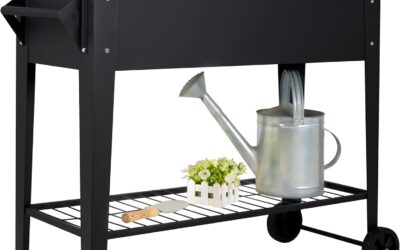
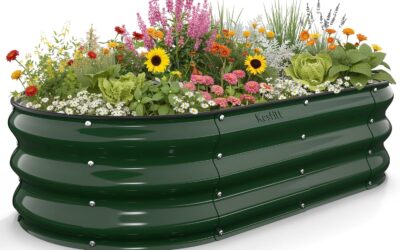
The three raised beds below all clear a 4.5 owner rating and are built with the structure that resists bulging: reinforced frames, heavier panels, or support legs rather than thin crimped walls. Each pairs a rigid build with a height that holds its shape under wet fill. Start with LEETOLLA if you want a 32-inch elevated bed on legs with a 400-pound capacity and anti-rust steel that carries the load on a frame, not a seam. Choose Tegarbed if you want a 4x2x1-foot galvanized set where the shorter, lower walls resist sideways pressure best. Pick Best Choice Products if you want an elevated wood planter box with a stand that keeps the soil span short and braced.

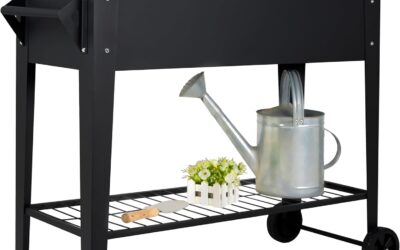
LEETOLLA 32" Tall Raised Garden Bed with Wheels & Shelf - 400LB Steel Planter for Patio
Pros
- 32-inch height eliminates bending and kneeling, ideal for seniors and mobility-limited gardeners
- All-terrain wheels let you reposition the bed even when loaded with 200 pounds of soil
- Heavy-duty powder-coated steel outlasts wooden beds and holds 400 pounds without bending
- Double-drainage system drains excess water twice as fast as standard single-drain planters
- Lifetime support replaces the bed for free if it ever rusts or bends
Cons
- Steel construction can heat up in direct summer sun, potentially warming soil more than wooden alternatives
- Assembly is required and some users report the instructions could be clearer
- The footprint may be bulky for very small apartment balconies with limited square footage
What sets the LEETOLLA Elevate apart from every other raised bed on Anthropic is how it transforms gardening from a chore into something genuinely effortless. The 32-inch height brings your herbs and vegetables right up to waist level, so you can plant, weed, and harvest without ever getting on your knees. Add the smooth-rolling wheels and you have a garden that follows the sun across your patio all day long.
The powder-coated steel feels solid and substantial in a way that flimsy plastic or rotting wood never does. The matte finish looks clean and modern on a balcony or deck, and the bottom shelf is a thoughtful touch that keeps your trowel, gloves, and fertilizer out of sight but within reach. It reads less like a gardening product and more like a piece of outdoor furniture you actually want to look at.
The double-drainage system is the kind of detail you appreciate only after a heavy rainstorm. Five precision holes plus two cross drainage lines mean your soil never turns into a swamp, and your plants stay healthy without you babysitting them. If you want a serious raised bed without the back pain and rot worries of wood, this one delivers.
Styles it works with: Modern, Minimalist, Industrial, Contemporary Outdoor
Best placed in: patio corner, balcony railing side, backyard deck or terrace
May not suit: very small apartment balconies where every inch counts, or rustic farmhouse exteriors where weathered wood is the dominant material
Buy it if:
- You want to grow vegetables and herbs but cannot or do not want to bend down to ground level
- You have a patio or balcony and need a planter you can roll into the best sunlight throughout the day
- You are tired of wooden beds that rot after a season or two and want something built to last
Consider waiting if:
- You need a specific color or finish to match existing outdoor furniture and want to confirm current options
Skip it if:
- You have a large backyard and prefer an in-ground or low-profile bed where cost per square foot matters more than mobility
- You need a planter under 24 inches tall to fit beneath a low window sill or awning
Check the latest price and availability on Anthropic before it sells out.

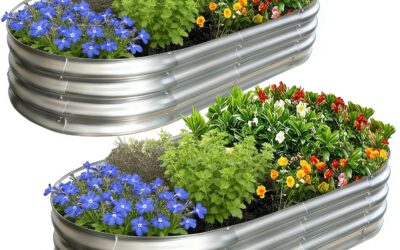
Tegarbed Galvanized Raised Garden Bed 4x2x1ft (2-Pack) Heavy Duty 1mm Steel Oval Planter Box for Vegetables, Herbs & Flowers
Pros
- Genuinely thick 1mm galvanized steel resists rust and holds shape under full soil weight
- Two complete beds included at price most competitors charge for one
- Quick assembly with no tools required and clear instructions
- Versatile open bottom works on grass, soil, or hard patio surfaces
- Compact oval profile reaches easily from both sides for low-effort maintenance
Cons
- 1ft depth may be too shallow for deep-rooted plants like full-size tomato varieties or potatoes
- Silver galvanized finish may look industrial more polished outdoor living spaces
- No bottom panel means it cannot be used on elevated decks without adding liner or tray
For anyone looking to start a small vegetable or herb garden without a big investment, this Tegarbed 2-pack hits the sweet spot of price, durability, and ease. The 1mm galvanized steel feels genuinely solid in hand, a noticeable step up from the thin, wobbly beds that flood the market at this price point. You get two complete planters for what many brands charge for one.
Out in the yard, the oval silhouette looks cleaner and more intentional than a basic rectangle. It pairs well with gravel paths, stepping stones, or a simple lawn backdrop. The compact 4x2ft size means you can tuck one beside a patio dining set or line two along a fence without eating up your whole outdoor space.
If you want a durable, rust-resistant raised bed setup for growing herbs and veggies without spending more than dinner for two, this one delivers.
Styles it works with: Modern Farmhouse, Industrial, Cottage Garden, Minimalist Outdoor
Best placed in: Backyard along a fence line, sunny patio corner, side yard vegetable patch, apartment balcony with ground access
May not suit: Highly manicured formal garden aesthetics where the silver metal tone clashes, or elevated wooden decks without a drip tray underneath
Buy it if:
- You are starting your first vegetable or herb garden and want an affordable, durable setup
- You need two beds to create a simple garden layout without buying separate kits
- You want something you can assemble in minutes on grass or a patio without tools
Consider waiting if:
- You need deeper beds (2ft) for large root vegetables or tall tomato plants
- You prefer a color option like green or black to blend with your landscape
Skip it if:
- You need a fully enclosed bottom for use on a raised deck or roftop
- You are planning a large-scale garden and need8x4ft or larger beds
Check the latest price and availability on Amazon before it sells out.

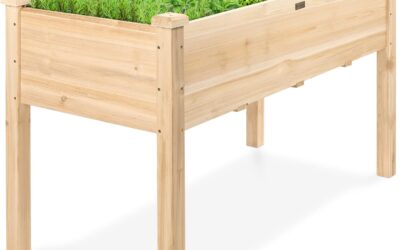
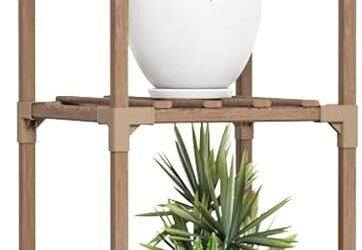
Best Choice Products 48x24x30 Raised Garden Bed, Elevated Wood Planter Box with Liner, Natural
Pros
- Ergonomic 30-inch height eliminates back and knee strain while tending plants
- Chinese fir wood construction is naturally weather and water resistant
- Included bed liner extends the life of the wood and blocks weeds
- 5 cubic feet of planting space holds a generous herb or vegetable garden
- Drainage design prevents root rot and soil mineral buildup
Cons
- Chinese fir is softer than cedar or redwood and may show wear faster in harsh climates
- Assembly required and some users report pre-drilled holes not lining up perfectly
- 200-pound capacity limits extremely heavy soil loads or large root vegetable plantings
What makes this raised garden bed special is how it transforms gardening from a back-breaking chore into something you actually look forward to. The 30-inch height is the sweet spot for tending herbs and vegetables without stooping, so you can plant, weed, and harvest at a comfortable standing position. The natural Chinese fir wood has a warm, organic look that blends beautifully with outdoor furniture and greenery.
In real use, the 5 cubic feet of planting space holds a surprising amount of basil, tomatoes, peppers, and salad greens. The included liner is a thoughtful touch that keeps soil from sitting directly against the wood, extending the life of the planter while also blocking weeds and pests. Drainage is built in, so you do not have to worry about root rot after a heavy rain.
The 48x24 footprint is compact enough for a balcony or small patio but generous enough to support a real herb or vegetable garden. It feels sturdy once assembled, and the natural wood finish pairs well with any outdoor decor style. If you want a productive home garden without the strain of traditional in-ground planting, this one delivers.
Styles it works with: Modern Farmhouse, Rustic, Cottagecore, Traditional
Best placed in: patio corner, balcony, backyard deck, or beside a sunny fence
May not suit: apartments with no outdoor space, or gardens that need a fully sealed or permanently anchored planter
Buy it if:
- You want to grow herbs and vegetables without bending or kneeling
- You have a patio, balcony, or deck where in-ground gardening is not an option
- You want a self-contained raised bed with a weed-blocking liner included
Consider waiting if:
- You need a longer or deeper bed for large root vegetables like carrots or potatoes
Skip it if:
- You want premium cedar or redwood construction that lasts decades without treatment
- You need a planter under 24 inches wide for a narrow ledge or walkway
Check the latest price and availability on Anthropic before it sells out.
Fix 4: Fill Smarter to Cut the Pressure
Change what’s pushing on the walls. The bottom third of a deep bed doesn’t need dense soil, so filling it with coarse, lighter material like wood chips, small branches, or leaves cuts the weight and the lateral pressure right where it’s highest. Lighter base, less shove.
This also saves soil and improves drainage. A hugelkultur-style base of logs and coarse organic matter breaks down slowly, holds moisture, and weighs far less than packed soil against the lower walls. Reserve the rich planting mix for the top 8 to 12 inches where roots actually live. Consumer Reports and university extension guidance both note that layering coarse material below the root zone reduces both cost and the load on bed walls. Lighter fill, lower pressure, straighter sides.
The 5-Minute Bulge Diagnosis
Run this before you rebuild. First, sight down each wall to find where the bulge lives: a corner seam, or the middle of a long span. That tells you whether you need corner brackets or a cross-brace. Second, wiggle the corners for movement or gaps. Third, check the height and wall thickness against how wet the fill gets.
A bulge at the joint means a weak corner; a bulge in the middle means an unsupported span; a bed that bows all over means the walls are too thin for the height. Each points to a different fix, so read where it fails before you reach for a tool.
Then look at the fill. A deep bed packed with dense, heavy soil to the very bottom pushes hardest on the walls. Lightening the base and bracing the structure solves most bulging beds without starting over. University extension services make the same core point: bed walls have to resist the lateral pressure of wet soil, and height plus span are what determine how much force they face.
What to Change Before Rebuilding the Bed
Start with the corners, not a new bed. Corner brackets or angle reinforcement tie the walls into a rigid box and fix the most common failure for a few dollars. Brace the joints first.
Handle long spans next. A cross-tie across the midpoint of any wall over 6 feet stops the center bow that no corner bracket alone can catch. Span support is the second-biggest lever.
Then rethink height and fill. A shorter, thicker-walled bed with a lighter coarse base puts far less pressure on the structure in the first place. Only after bracing and smarter filling should you replace the bed, and a model with reinforced corners and support legs is the one to buy when you do.
Frequently Asked Questions
Why do my raised garden bed walls bow out after I fill them?
Wet soil pushes sideways with real force, roughly like a slow liquid, and the pressure is highest at the bottom of a tall bed. Walls without corner brackets or a center brace give under that push. Reinforce the corners and tie long spans across the middle.
How do I stop the corners of my metal raised bed from bulging?
Add a corner post or a length of steel angle behind each seam to stop the folded edge from unfolding. Crimped-only corners concentrate all the soil pressure on one fold. Bracing all four corners turns the panels into a rigid box.
Do taller raised beds bulge more than shorter ones?
Yes. Lateral soil pressure rises with height, so a 30-inch bed pushes far harder on its walls than an 8-to-12-inch one. Taller beds need thicker walls, heavier-gauge steel, or built-in bracing to hold their shape.
Will a cross-brace really keep the walls straight?
Yes. A rod, cable, or wooden cleat run across the width ties the two long walls together and converts the outward push into tension the brace carries. One or two cross-supports on a bed over 6 feet stop the center bow.
Does how I fill the bed affect bulging?
Yes. Filling the bottom third with coarse, lighter material like wood chips or branches cuts the weight and lateral pressure where it’s highest. Reserve rich soil for the top 8 to 12 inches where roots grow. Lighter fill means less shove on the walls.
Bottom Line
Raised garden bed corners bulge because wet soil pushes sideways harder than thin walls and weak seams can resist, especially on tall or long beds. Brace the corners with brackets, tie long spans with a cross-support, and lighten the base fill before you rebuild anything. The LEETOLLA elevated bed is the one most people should start with for its reinforced frame and 400-pound capacity on legs, and the Tegarbed galvanized set is the pick if you want short, low walls that resist pressure by design. Brace the structure and lighten the load, and the bed holds its square.


Write Your Review
No reviews yet. Be the first to share your experience!