

> Editorial Note: I’m Erin Schwartz, and I cover home decor with a bias toward what actually works in a real room. The guidance here weighs scale, layout, and materials against Apartment Therapy and Wirecutter coverage rather than styling a space that nobody lives in.
A glazed pot cracks at the first hard freeze if the clay wasn’t fired hot enough. That’s the whole game with big planters. Pair the right vessel with large outdoor planters, a raised garden bed, raised planters for patios and small gardens, vertical garden planters, and even ceramic vase sets indoors, and your setup reads intentional instead of accidental. Below are five picks vetted against drainage, weight, and glaze quality.
How We Evaluated
I ranked each pot on glaze integrity, drainage design, freeze-thaw survivability per ASTM C1026 guidance, and weight-to-stability ratio. Ceramic beats plastic on UV resistance but loses on portability, so I flagged that trade-off per product. Ratings reflect current buyer feedback, not lab claims.


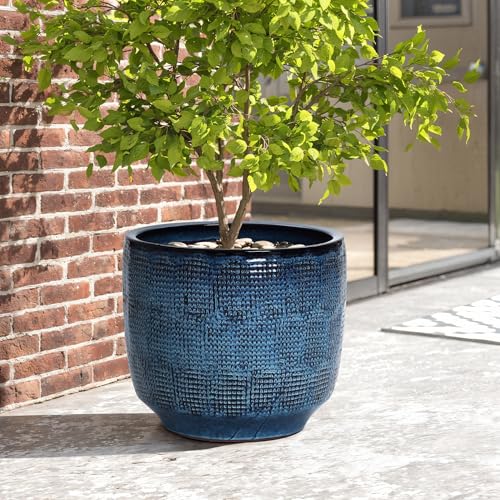


1. SQOWL 10 Inch Plant Pot — the drainage-first pick for fussy roots
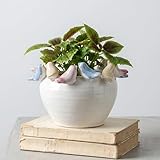
The SQOWL 10-inch ceramic pot ships with a matched saucer and a real drainage hole, which most decorative ceramics skip. That combination cuts root-rot risk for herbs and small shrubs that hate wet feet. At 10 inches, it’s more mid-size than massive, so treat it as a stylish accent rather than a tree home. The glaze runs even and reads well indoors or on a covered porch. It’s my top pick because drainage plus saucer solves the two problems buyers complain about most.
2. LuxenHome 15.75″ Round — the statement glaze for a single specimen
The LuxenHome 15.75-inch round planter leans into a glazed blue finish that photographs like a boutique piece. At nearly 16 inches wide, it holds a mature fiddle-leaf fig or a full herb cluster without looking crowded. The high-gloss glaze resists UV fading better than matte plastic, though ceramic this size gets heavy once filled, so place it before you plant. Confirm the drainage setup before outdoor use in freeze zones. Best for one showpiece plant near an entry or patio corner.
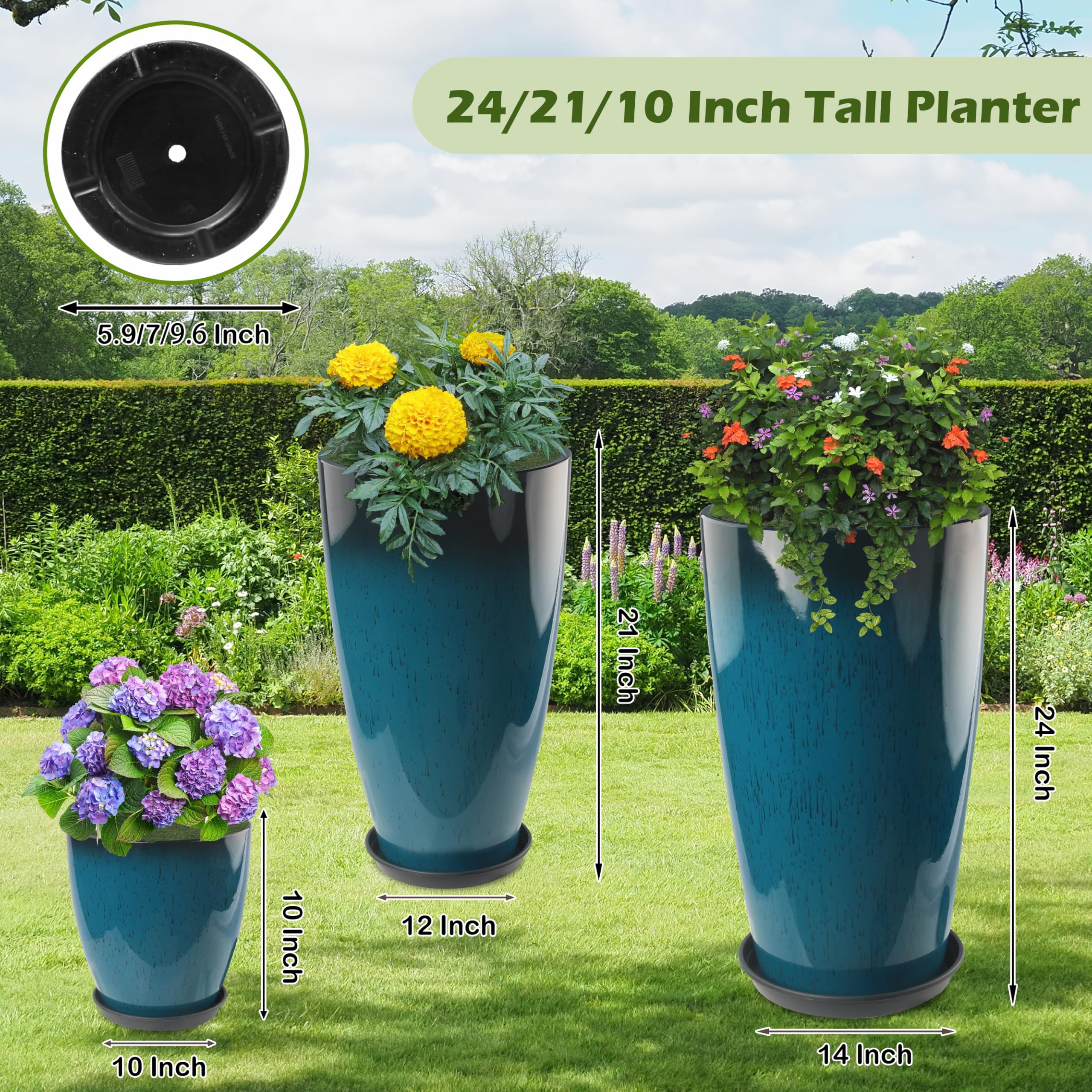
3. Goldshire 24-21-11 Inch Set of 3 — the tiered grouping for instant height
Goldshire’s blue set stacks three heights, 24, 21, and 11 inches, so you build a layered arrangement out of one purchase. Tall planters like these anchor a bare corner or frame a doorway with real vertical presence. The graduated sizing works for a thriller-filler-spiller trio without hunting for matching finishes. Verify drainage holes and check the base material, since taller pots tip in wind when top-heavy. Best value here if you want a coordinated cluster rather than a single vessel.
4. Ultym 15″ Flower Pots 2-Pack — the honest plastic alternative
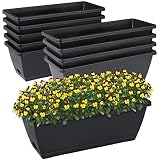
Let’s be clear. The Ultym 15-inch 2-pack is plastic, not ceramic, and I’m including it as the practical counterpoint. Two 15-inch pots weigh a fraction of one ceramic vessel, which matters on balconies with load limits or if you move plants seasonally. Plastic won’t crack in a freeze the way underfired ceramic can. The trade-off is a less premium look and faster UV chalking over multiple summers. Choose these when weight and budget beat the glazed aesthetic.
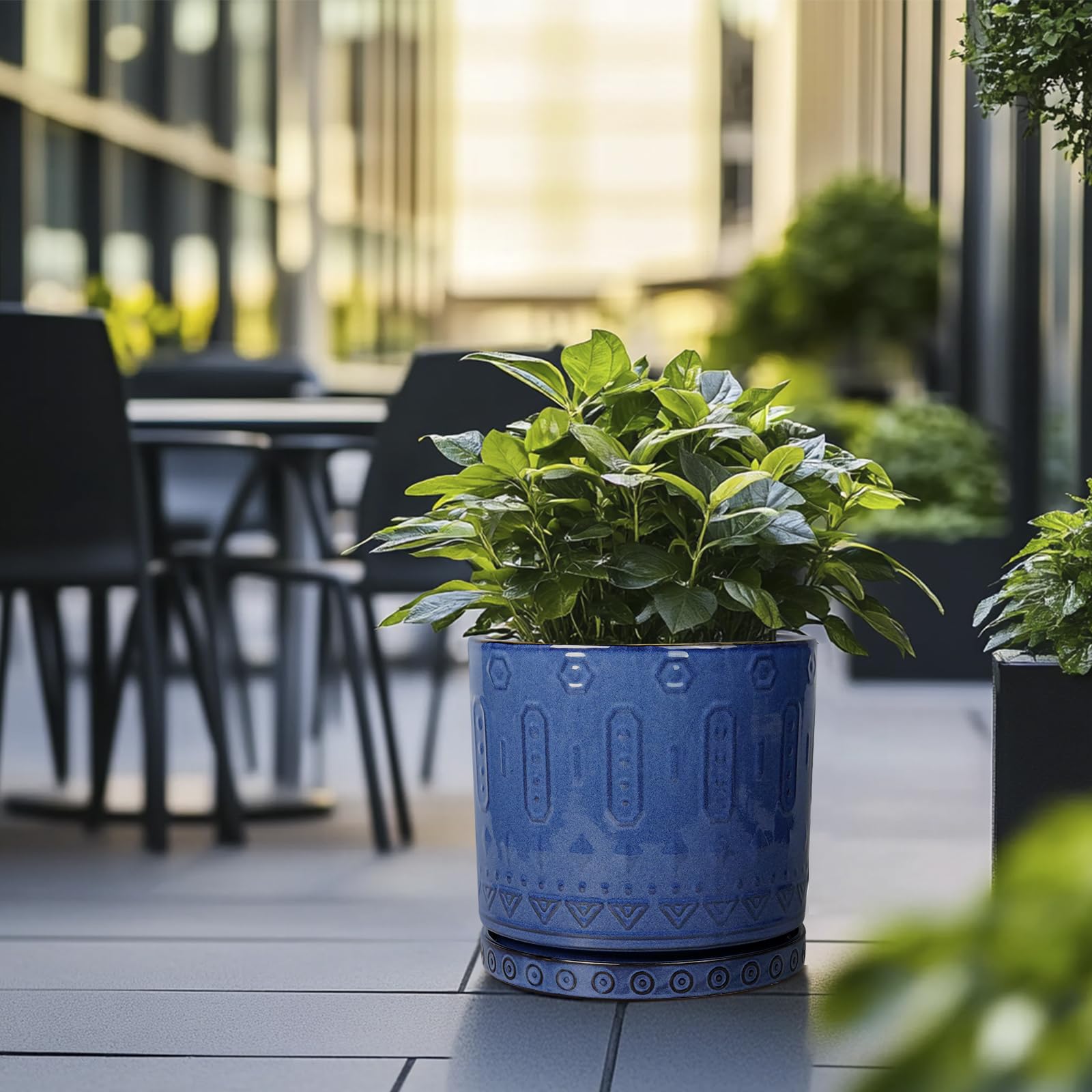
5. Eightpot 12 Inch Pot — the indoor-outdoor crossover with saucer
The Eightpot 12-inch ceramic planter includes drainage holes and a saucer, making it a clean fit for a mid-size indoor plant that occasionally moves to a covered patio. Twelve inches suits a snake plant, peace lily, or young citrus. The finish stays neutral enough to sit alongside furniture without clashing. As with all glazed ceramic, keep it off freezing ground in winter to protect the fire integrity. A dependable all-rounder for renters and first-time plant owners.
Comparison Table
| Planter | Size | Material | Drainage + Saucer | Best For |
|---|---|---|---|---|
| SQOWL | 10 in | Ceramic | Yes | Herbs, small shrubs |
| LuxenHome | 15.75 in | Ceramic | Check | Single specimen |
| Goldshire | 24/21/11 in | Ceramic | Check | Tiered grouping |
| Ultym | 15 in (x2) | Plastic | Check | Lightweight, budget |
| Eightpot | 12 in | Ceramic | Yes | Indoor-outdoor |
Buying Guide: What Actually Matters
Fire temperature drives freeze survival. High-fired stoneware absorbs under 3% water, so it resists the freeze-thaw cracking that destroys low-fired earthenware. If a listing won’t state firing temp, treat the pot as fair-weather only.
Drainage is non-negotiable for living plants. A pot without a hole traps water and rots roots within weeks. A matched saucer catches overflow indoors and protects hardwood, which is why the SQOWL and Eightpot picks rank well.
Weight cuts both ways. A filled 16-inch ceramic pot can top 60 pounds, giving wind stability but wrecking your back on moving day. Balconies with load limits favor the Ultym plastic option instead.
Ceramic vs. Plastic: The Real Trade-Off
Ceramic wins on looks, UV resistance, and stability. Apartment Therapy has flagged glazed ceramic as the go-to for indoor styling, and the glaze holds color for years without chalking. The cost is weight and freeze vulnerability.
Plastic wins on portability, price, and freeze immunity. It never cracks in a hard winter, but ASTM weatherability data shows unpigmented plastics chalk and fade faster under sustained UV. Pick your poison based on whether the pot stays put or moves with the seasons.
Frequently Asked Questions
Will large ceramic planters crack in winter?
Low-fired earthenware can crack when trapped moisture freezes and expands. High-fired stoneware with under 3% water absorption survives most freeze-thaw cycles. Empty and store unrated pots, or move them under cover before the first hard freeze.
Do these pots need drainage holes?
Yes, for any living plant. Standing water rots roots within weeks. The SQOWL and Eightpot picks include holes and saucers. For decorative-only use, a sealed pot is fine as a cachepot over a nursery liner.
How heavy is a filled 16-inch ceramic planter?
A 16-inch ceramic pot filled with wet soil can exceed 60 pounds. That weight stabilizes it against wind but makes seasonal moves tough. Place it in its final spot before planting, or use a rolling caster base.
Can I use large ceramic planters indoors?
Absolutely. The Eightpot 12-inch and SQOWL 10-inch both include saucers to protect floors from overflow. Ceramic won’t off-gas the way some plastics do, and the glazed finish coordinates with living-room furniture and shelving.
What size planter fits a fiddle-leaf fig?
A mature fiddle-leaf fig needs 14 to 16 inches of pot width for stability and root room. The LuxenHome 15.75-inch round handles one well. Undersized pots tip over and stunt growth as the plant gets top-heavy.
Is plastic ever better than ceramic?
Yes, for balconies with weight limits, frequent movers, and freeze-prone climates. The Ultym plastic 2-pack won’t crack in winter and weighs a fraction of ceramic. You trade the premium glazed look for durability and easy handling.
Bottom Line
The SQOWL 10 Inch Plant Pot takes the top spot because it solves drainage and overflow together with a matched saucer, the two failures buyers report most. Step up to the LuxenHome 15.75-inch round when you want one glazed showpiece with real presence near an entry. Honest caveat. Every glazed ceramic here needs winter protection in freeze zones, so confirm firing rating before you leave a pot outdoors through January.




Write Your Review
No reviews yet. Be the first to share your experience!