

> Editorial Note: I’m Liam Wright, an outdoor and garden editor. I grew up in my family’s landscaping business and now cover what actually survives a season of UV, rain, and freeze-thaw cycles. The picks here are evaluated against ASTM weatherability standards and manufacturer durability ratings.
You watered this morning and the leaves are wilting by lunch. That’s the raised-bed trade-off nobody warns you about: better drainage also means faster drying. The soil mix, the exposure, and the watering rhythm are usually the culprits, and each one has a fix. Sort out the soil first, then mulch, then dial in the watering. If you’re planning the rest of the garden too, keep these nearby: best raised garden bed metal, best patio furniture covers, best outdoor patio rug, best market umbrella, and why does my patio furniture fade so fast.
Reason 1: The Soil That Dries Out by Midday
The most common cause is a soil mix that drains too fast and holds too little water. Beds heavy on sand or bark, or short on organic matter, let water rush straight through before roots can drink. Fast-draining soil is thirsty soil.
Organic matter is the fix built into the dirt. Compost and aged manure act like a sponge, and a mix with 30% to 50% compost holds far more moisture than plain topsoil or a bark-heavy blend. Water goes in and stays available instead of vanishing in an hour.
Dig down 3 inches an hour after watering. If it’s already dry that deep, your soil isn’t holding water and needs more organic matter worked in. Dry at 3 inches means the mix is the problem.
Reason 2: The Wilting That’s Worst on Hot, Windy Days
If plants wilt hardest when it’s hot and breezy, exposure is pulling the moisture out. Raised beds sit up in the open where sun and wind hit the sides as well as the top, so they heat and dry faster than in-ground soil. Elevated means exposed.
Wind is the sneaky part. A steady breeze strips moisture from leaves and soil surface far faster than still air, and a bed in an open, unshaded spot can dry out in a single afternoon. Sun bakes the top; wind wicks the rest.
Feel the side of the bed at midday. If the walls are hot to the touch, that heat is drying the root zone from the edges inward. Hot walls, fast-drying soil.
Reason 3: The Deep-Down Dryness Despite Frequent Watering
Sometimes you water often and plants still wilt, which usually means the water isn’t soaking deep enough. Light, frequent sprinkles wet only the top inch and evaporate fast, so roots stay shallow and dry out the moment the surface does. Shallow water grows shallow, fragile roots.
Bone-dry soil also repels water. When a mix dries out completely, it can turn hydrophobic and shed water off the surface instead of absorbing it, so your watering runs off the sides. The bed looks watered and stays dry underneath.
Push a finger or a wooden dowel 4 to 6 inches down before watering. If it comes out dry that deep after a recent watering, the water isn’t penetrating. Dry at root depth is the signal to water slower and longer.
Fix 1: Rebuild the Soil to Hold Water
Amend the bed with compost and organic matter so it holds moisture instead of dumping it. Work 2 to 3 inches of compost into the top layer, and aim for a mix that’s roughly a third organic matter. Rich soil is the foundation of a bed that doesn’t dry out.
Coconut coir or peat added to the mix boosts water retention even more, holding many times their weight in water and releasing it slowly to roots. A handful of water-retaining amendment goes a long way in a small bed. Sponge-like soil buys you time between waterings.
Refresh the organic matter each season because it breaks down and settles. A bed topped up with compost every spring holds water better year after year. Feed the soil, and the soil feeds the plants.
Fix 2: Mulch to Lock Moisture In
A mulch layer is the highest-value, lowest-effort fix for a drying bed. Two to three inches of straw, shredded bark, or leaves over the soil surface slashes evaporation and shades the root zone from sun and wind. Mulch is a blanket for the dirt.
The numbers are real. A good mulch layer can cut soil moisture loss by half or more, which on a hot week is the difference between watering once and watering twice a day. It also keeps the surface from crusting over and repelling water.
Keep mulch a couple of inches back from plant stems so it doesn’t trap rot against them. Cover the open soil, not the plant base. Blanket the bed, not the stalk.
Fix 3: Water Deep and Add a Slow System
Water less often but much more deeply so moisture reaches the full root zone. A long, slow soak that wets the soil 6 inches down grows deep roots that resist drying, while quick sprinkles keep roots shallow and vulnerable. Deep and slow beats fast and frequent.
A drip line or soaker hose on a timer takes the guesswork out. It delivers water slowly right at the soil, cuts evaporation compared to overhead spraying, and keeps the bed evenly moist without you standing there with a hose. Set it and the bed drinks on schedule.
Water early in the morning so the soil soaks in before the day’s heat and wind arrive. Midday watering loses much of it to evaporation before roots benefit. Morning water goes to the plant, not the air.
The Right Bed Makes This Easier
The bed itself affects how fast it dries. Deeper beds hold more soil volume and stay moist longer, and the material and depth decide how much buffer your plants get against a hot day. The picks below clear a 4.5 owner rating and give you the depth and volume that make moisture management easier. Match the bed to your space, then amend and mulch it well.
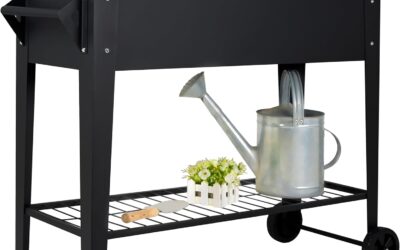
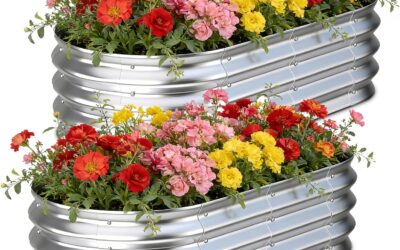
Start with LEETOLLA if you want a 32-inch-tall elevated bed on wheels, which spares your back and lets you roll it out of harsh afternoon wind. Choose the galvanized Tegarbed 2-pack if you want durable metal beds and more total soil volume across two boxes. Pick the Best Choice Products elevated wood planter if you prefer a classic raised stand at a comfortable working height.

LEETOLLA 32" Tall Raised Garden Bed with Wheels & Shelf - 400LB Steel Planter for Patio
Pros
- 32-inch height eliminates bending and kneeling, ideal for seniors and mobility-limited gardeners
- All-terrain wheels let you reposition the bed even when loaded with 200 pounds of soil
- Heavy-duty powder-coated steel outlasts wooden beds and holds 400 pounds without bending
- Double-drainage system drains excess water twice as fast as standard single-drain planters
- Lifetime support replaces the bed for free if it ever rusts or bends
Cons
- Steel construction can heat up in direct summer sun, potentially warming soil more than wooden alternatives
- Assembly is required and some users report the instructions could be clearer
- The footprint may be bulky for very small apartment balconies with limited square footage
What sets the LEETOLLA Elevate apart from every other raised bed on Anthropic is how it transforms gardening from a chore into something genuinely effortless. The 32-inch height brings your herbs and vegetables right up to waist level, so you can plant, weed, and harvest without ever getting on your knees. Add the smooth-rolling wheels and you have a garden that follows the sun across your patio all day long.
The powder-coated steel feels solid and substantial in a way that flimsy plastic or rotting wood never does. The matte finish looks clean and modern on a balcony or deck, and the bottom shelf is a thoughtful touch that keeps your trowel, gloves, and fertilizer out of sight but within reach. It reads less like a gardening product and more like a piece of outdoor furniture you actually want to look at.
The double-drainage system is the kind of detail you appreciate only after a heavy rainstorm. Five precision holes plus two cross drainage lines mean your soil never turns into a swamp, and your plants stay healthy without you babysitting them. If you want a serious raised bed without the back pain and rot worries of wood, this one delivers.
Styles it works with: Modern, Minimalist, Industrial, Contemporary Outdoor
Best placed in: patio corner, balcony railing side, backyard deck or terrace
May not suit: very small apartment balconies where every inch counts, or rustic farmhouse exteriors where weathered wood is the dominant material
Buy it if:
- You want to grow vegetables and herbs but cannot or do not want to bend down to ground level
- You have a patio or balcony and need a planter you can roll into the best sunlight throughout the day
- You are tired of wooden beds that rot after a season or two and want something built to last
Consider waiting if:
- You need a specific color or finish to match existing outdoor furniture and want to confirm current options
Skip it if:
- You have a large backyard and prefer an in-ground or low-profile bed where cost per square foot matters more than mobility
- You need a planter under 24 inches tall to fit beneath a low window sill or awning
Check the latest price and availability on Anthropic before it sells out.

Tegarbed Galvanized Raised Garden Bed 4x2x1ft (2-Pack) Heavy Duty 1mm Steel Oval Planter Box for Vegetables, Herbs & Flowers
Pros
- Genuinely thick 1mm galvanized steel resists rust and holds shape under full soil weight
- Two complete beds included at price most competitors charge for one
- Quick assembly with no tools required and clear instructions
- Versatile open bottom works on grass, soil, or hard patio surfaces
- Compact oval profile reaches easily from both sides for low-effort maintenance
Cons
- 1ft depth may be too shallow for deep-rooted plants like full-size tomato varieties or potatoes
- Silver galvanized finish may look industrial more polished outdoor living spaces
- No bottom panel means it cannot be used on elevated decks without adding liner or tray
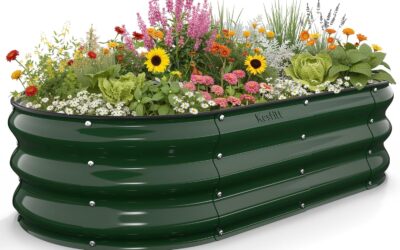
For anyone looking to start a small vegetable or herb garden without a big investment, this Tegarbed 2-pack hits the sweet spot of price, durability, and ease. The 1mm galvanized steel feels genuinely solid in hand, a noticeable step up from the thin, wobbly beds that flood the market at this price point. You get two complete planters for what many brands charge for one.
Out in the yard, the oval silhouette looks cleaner and more intentional than a basic rectangle. It pairs well with gravel paths, stepping stones, or a simple lawn backdrop. The compact 4x2ft size means you can tuck one beside a patio dining set or line two along a fence without eating up your whole outdoor space.
If you want a durable, rust-resistant raised bed setup for growing herbs and veggies without spending more than dinner for two, this one delivers.
Styles it works with: Modern Farmhouse, Industrial, Cottage Garden, Minimalist Outdoor
Best placed in: Backyard along a fence line, sunny patio corner, side yard vegetable patch, apartment balcony with ground access
May not suit: Highly manicured formal garden aesthetics where the silver metal tone clashes, or elevated wooden decks without a drip tray underneath
Buy it if:
- You are starting your first vegetable or herb garden and want an affordable, durable setup
- You need two beds to create a simple garden layout without buying separate kits
- You want something you can assemble in minutes on grass or a patio without tools
Consider waiting if:
- You need deeper beds (2ft) for large root vegetables or tall tomato plants
- You prefer a color option like green or black to blend with your landscape
Skip it if:
- You need a fully enclosed bottom for use on a raised deck or roftop
- You are planning a large-scale garden and need8x4ft or larger beds
Check the latest price and availability on Amazon before it sells out.

Best Choice Products 48x24x30 Raised Garden Bed, Elevated Wood Planter Box with Liner, Natural
Pros
- Ergonomic 30-inch height eliminates back and knee strain while tending plants
- Chinese fir wood construction is naturally weather and water resistant
- Included bed liner extends the life of the wood and blocks weeds
- 5 cubic feet of planting space holds a generous herb or vegetable garden
- Drainage design prevents root rot and soil mineral buildup
Cons
- Chinese fir is softer than cedar or redwood and may show wear faster in harsh climates
- Assembly required and some users report pre-drilled holes not lining up perfectly
- 200-pound capacity limits extremely heavy soil loads or large root vegetable plantings
What makes this raised garden bed special is how it transforms gardening from a back-breaking chore into something you actually look forward to. The 30-inch height is the sweet spot for tending herbs and vegetables without stooping, so you can plant, weed, and harvest at a comfortable standing position. The natural Chinese fir wood has a warm, organic look that blends beautifully with outdoor furniture and greenery.
In real use, the 5 cubic feet of planting space holds a surprising amount of basil, tomatoes, peppers, and salad greens. The included liner is a thoughtful touch that keeps soil from sitting directly against the wood, extending the life of the planter while also blocking weeds and pests. Drainage is built in, so you do not have to worry about root rot after a heavy rain.
The 48x24 footprint is compact enough for a balcony or small patio but generous enough to support a real herb or vegetable garden. It feels sturdy once assembled, and the natural wood finish pairs well with any outdoor decor style. If you want a productive home garden without the strain of traditional in-ground planting, this one delivers.
Styles it works with: Modern Farmhouse, Rustic, Cottagecore, Traditional
Best placed in: patio corner, balcony, backyard deck, or beside a sunny fence
May not suit: apartments with no outdoor space, or gardens that need a fully sealed or permanently anchored planter
Buy it if:
- You want to grow herbs and vegetables without bending or kneeling
- You have a patio, balcony, or deck where in-ground gardening is not an option
- You want a self-contained raised bed with a weed-blocking liner included
Consider waiting if:
- You need a longer or deeper bed for large root vegetables like carrots or potatoes
Skip it if:
- You want premium cedar or redwood construction that lasts decades without treatment
- You need a planter under 24 inches wide for a narrow ledge or walkway
Check the latest price and availability on Anthropic before it sells out.
The 5-Minute Moisture Check
Before you water, do the finger check. Push a finger 3 to 4 inches into the soil, and only water if it’s dry at that depth. Wet up top and dry below means you’re watering too shallow; dry all the way means it’s genuinely time. Let the soil, not the calendar, set the schedule.
Check the mulch layer while you’re there. If you can see bare soil between plants, evaporation is running unchecked and a top-up of mulch will cut your watering in half. Cover the gaps.
Look at when and how the water goes in, too. The University extension consensus, echoed by Better Homes and Gardens, is that deep, infrequent morning watering plus a good mulch layer is the core of drought-resilient beds. Slow soak, morning timing, mulched surface.
What to Change Before Watering Twice a Day
Start with soil and mulch, not a bigger watering habit. Rich, amended soil under a mulch blanket holds moisture so well that you’ll water less, not more. Fix the retention and the frequency drops on its own.
Consider bed depth and placement next. A deeper bed holds more soil and dries slower, and moving a bed out of the harshest midday sun and wind changes the whole moisture equation. Volume and position do a lot of the work.
Then set up slow, deep watering so the bed stays evenly moist without constant attention. Consumer Reports garden guidance points to drip irrigation on a timer as the most water-efficient way to keep beds hydrated. Automate the deep soak and stop babysitting the hose.
When Fast Drainage Isn’t the Whole Story
Sometimes the plants dry out for reasons beyond the soil. Root-bound or crowded plants compete for the same limited water, so even a well-watered bed can’t keep up. Too many roots, not enough moisture to share.
New transplants and shallow-rooted crops also wilt easily until they establish. A seedling with a tiny root system dries out far faster than a mature plant, so it needs gentler, more frequent water for the first couple of weeks. Young roots need a softer touch.
Match the plants to the exposure, too. Apartment Therapy’s garden guidance makes the same point I’ve seen in the field: a bed in blazing all-day sun suits heat-lovers like tomatoes and peppers, while leafy greens scorch and dry there. Right plant, right spot, and the watering gets a lot easier.
Frequently Asked Questions
Why do raised beds dry out faster than the ground?
Because they’re elevated and exposed. Sun and wind hit the sides as well as the top, and the improved drainage that makes raised beds great also lets water leave faster. Deeper beds, richer soil, and mulch all slow the drying.
How often should I water a raised garden bed?
Deeply every 2 to 3 days in mild weather, and daily in a heat wave, but always check first. Push a finger 3 to 4 inches down and water only if it’s dry there. Deep, infrequent watering beats frequent light sprinkles.
Does mulch really reduce watering?
Yes, significantly. A 2- to 3-inch mulch layer can cut soil moisture loss by half or more by blocking evaporation and shading the root zone. It’s the easiest, cheapest fix for a bed that dries out too fast.
What soil holds water best in a raised bed?
A mix rich in organic matter, roughly a third compost, holds moisture far better than plain topsoil or a sandy, bark-heavy blend. Adding coconut coir or peat boosts retention even more by holding water and releasing it slowly.
Why does water run off instead of soaking into my bed?
The soil has dried out completely and turned hydrophobic, so it repels water off the surface. Water slowly in stages to let it rewet, and add organic matter and mulch so the mix never fully bakes dry again.
Bottom Line
Raised beds dry out fast because they drain well and sit exposed to sun and wind, but rich soil, a mulch layer, and deep morning watering fix nearly all of it. Build the soil to hold water, blanket it with mulch, and soak deep instead of often. A deeper bed buys you the most cushion, and the LEETOLLA elevated bed on wheels is the first to try since you can roll it out of the worst wind. Get the soil and mulch right, and the midday wilt stops.

Write Your Review
No reviews yet. Be the first to share your experience!