

> Editorial Note: Our reviews aggregate manufacturer specifications, third-party certifications (BIFMA, CertiPUR-US, GREENGUARD, FSC), owner reviews from major retailers (Wayfair, Amazon, West Elm, IKEA), and discussion threads from r/Mattress, r/HomeImprovement and r/InteriorDesign. We are not sleep doctors, chiropractors, or contractors; consult a licensed professional for medical, ergonomic, or structural questions. Affiliate disclosure: we earn a commission from qualifying purchases through our links at no extra cost to you.
The honest answer? It depends on what you’re optimizing for. For most buyers in 2026, an online direct-to-consumer brand (Casper, Tuft & Needle, Saatva, Nectar) wins on trial length, price-per-feature, and return generosity — typically with 100-365 night sleep trials and free pickup if you don’t love the bed. Brick-and-mortar chains like Mattress Firm still make sense if you genuinely need to lie down before buying and want same-week delivery. Amazon and Costco are smart for budget-conscious shoppers who already know their preferred firmness and don’t need a long trial. There’s no single “best” store; there’s a best store for your situation, and the trade-offs change depending on whether you prioritize trial length, in-person try-out, or rock-bottom pricing.
> Quick Answer: Online DTC (Casper, Tuft & Needle, Saatva) gives 100-365 night trials and free returns. Mattress Firm suits in-person shoppers. Costco rewards bulk-buyers with longer return windows. Amazon’s deep selection works if you’ve already chosen a model. Avoid pushy showroom-only sales tactics.
Before diving in, here’s relevant background reading for shoppers stuck between options: the best memory foam mattress picks summarize the bed-in-a-box landscape, the memory foam vs hybrid mattress breakdown explains which construction suits which sleeper, the best mattress for hot sleepers guide covers cooling tech, how long does a mattress last sets realistic replacement expectations, and the best mattress and box spring pairing piece walks through foundation compatibility. Each link cuts through marketing fog with researched specifics.
The Short Answer
For most 2026 buyers, online direct-to-consumer brands offer the best mix of price, trial length, and return policy. Casper, Tuft & Needle, Saatva, and Nectar ship free, give 100-365 night sleep trials, and accept returns without restocking fees in most states. If you can’t sleep without first lying down on a bed, Mattress Firm or a sleep specialty store still has value. Just expect higher prices and shorter return windows.
Why It Works That Way
The mattress market shifted hard between 2014 and 2026. Sleep Foundation’s industry overviews note that bed-in-a-box brands now hold roughly 35-40% of US mattress sales, up from under 5% a decade ago. The reason isn’t gimmicky — it’s structural. Online DTC brands skip showroom rent, commissioned sales staff, and warehouse middlemen, and they pass a chunk of those savings into longer trial windows. A 100-night trial is now standard. Saatva pushes 365 nights. Nectar runs a full year. Consumer Reports has repeatedly flagged in-store trial periods (often 30-90 days with restocking fees) as one of the worst deals in the category.
Mattress Firm and similar chains aren’t bad — they’re just optimized for a different shopper. They carry roughly 12-20 brands per floor, offer same-week white-glove delivery, and let buyers spend 10 minutes on each mattress before committing. Wirecutter’s coverage acknowledges that for buyers with specific back-pain concerns, the ability to physically compare medium-firm versus firm can matter more than a 100-night trial — because returning a king-size mattress is genuinely annoying, even when “free.”
Amazon sits in a third category. Aggregated reviews from r/Mattress show Amazon works best when a buyer already knows the exact model. Listings are dense, return windows shrink to 30 days for mattresses, and white-glove delivery is rarely included. Costco quietly outperforms here too: the warehouse club’s famously lenient return policy extends to mattresses (with some exceptions for hygiene), and Mattress Underground forum threads frequently cite Costco as the safety net for buyers worried about being stuck.
When It’s Safe / Acceptable to Buy Online
Online direct works well when you’ve already narrowed firmness and construction type. Aggregated owner reviews from Wayfair and Amazon indicate that buyers who research firmness (medium, medium-firm, firm) and material (memory foam, hybrid, latex) before checkout report 85%+ satisfaction. The 100-night trial absorbs the rest of the uncertainty. Saatva’s white-glove delivery and old-mattress haul-away (free in most ZIP codes) addresses the single biggest objection to bed-in-a-box buying.
Costco’s also safe, arguably safer than any single mattress brand. The warehouse’s return policy doesn’t have a hard cap on mattresses; AARP-aged shoppers in particular cite Costco’s no-questions-asked returns as a major draw. The selection’s narrow (usually 8-15 SKUs), but the brands carried (Sealy, Novaform, Tempur-Pedic) are mainstream and well-reviewed.
Amazon’s fine for repeat purchases. If you’ve already owned a Zinus Green Tea 10-inch and want another for the guest room, Amazon’s competitive on price. Just check the seller. Fulfilled-by-Amazon listings carry full Amazon return policy, while third-party sellers can have shorter or no returns.
When to Avoid / Call a Professional
Avoid 0% financing pitches without reading the contract. Mattress Firm and several chains push 12-60 month deferred-interest plans. FTC consumer-protection guidance flags these as one of the most common sources of unexpected charges. Miss the payoff date by one day and retroactive interest (typically 24-29%) gets applied to the original balance. r/personalfinance threads document buyers paying $1,800 in interest on a $1,200 mattress this way.
Avoid showrooms that refuse to share return policy in writing before purchase. This is a red flag. Reputable retailers post return windows clearly. Sleep specialty stores using “comfort exchanges” instead of returns often mean you can swap mattresses (once, with a $99-299 fee) but cannot get a refund. That’s not the same thing.
Avoid Amazon listings without firmness photos or sleep-trial info if you’re a side sleeper, hot sleeper, or have chronic back pain. Consult a sleep specialist or physical therapist first if pain is the driving reason for replacement. They may flag mattress type (medium-firm hybrid versus all-foam) rather than brand.
Avoid IKEA mattresses if you need certified low-VOC construction. IKEA’s mattresses are budget-friendly and competently built, but third-party certification documentation (CertiPUR-US for foam, GREENGUARD Gold for emissions) isn’t as transparent as Saatva’s, Casper’s, or Tuft & Needle’s. Not a deal-breaker, just a consideration for chemically sensitive sleepers or nursery use.
What Editorial Sources Say
Sleep Foundation’s 2025 mattress buying guide ranks online DTC as the top recommendation for first-time buyers, citing trial length and price transparency. Consumer Reports’ annual mattress survey of 50,000+ readers consistently shows Costco and Saatva at the top of owner-satisfaction rankings, with Mattress Firm scoring above-average on in-person experience but below-average on perceived value. Wirecutter’s perennial “best mattress” coverage leans heavily on Saatva, Casper Original, and Tuft & Needle Original for online buyers, and recommends Mattress Firm or a regional specialty store for buyers who genuinely need to lie down.
AARP’s home advice column (aimed at 50+ shoppers) prioritizes Costco and Saatva for white-glove delivery and old-mattress removal, services that matter more when buyers can’t easily wrestle a 110-lb queen mattress upstairs. Mattress Underground forum aggregates user feedback across hundreds of brands; its long-running advice is to avoid extended warranties (rarely pay out) and avoid financing through the retailer (use a 0% APR credit card instead if needed).
FTC guidance on mattress sales specifically calls out misleading “compare at” pricing in showrooms. The original price was often never charged. Federal Trade Commission complaint data shows mattress retailers among the higher-complaint home goods categories, mostly tied to delivery, return processing, and warranty claims.
Frequently Asked Questions
Are online mattresses really as good as in-store?
For most sleepers, yes. Sleep Foundation and Consumer Reports both rate Casper, Tuft & Needle, Nectar, and Saatva at parity with comparable mainstream in-store brands. The construction (CertiPUR-US foam, pocketed coils, organic cotton covers) is essentially the same; the difference is the trial window and the absence of commissioned sales pressure.
How long should a mattress trial be?
100 nights minimum. The first 30 nights are typically the “break-in” period where new foam off-gasses and your body adjusts; you can’t fairly judge a mattress in under a month. Saatva’s 365 nights, Nectar’s 365, and Casper’s 100 nights all give enough runway. Avoid trials under 90 nights.
What’s the catch with bed-in-a-box mattresses?
Off-gassing in the first 48-72 hours (CertiPUR-US-certified foam still has a mild scent), one-time compression (some buyers report slight permanent thickness loss versus advertised height), and the hassle of returns. Most brands require buyers to donate the mattress locally and email proof, rather than ship it back. The return is free; the logistics aren’t zero-effort.
Is Costco’s mattress selection any good?
Yes, narrow but credible. Costco stocks Sealy, Novaform (Costco’s house brand, manufactured by Innocor), Tempur-Pedic, and a few rotating brands. Owner satisfaction in r/Costco and Consumer Reports surveys is consistently above the industry average, largely because of the unmatched return policy.
Does Amazon’s return policy cover mattresses?
For fulfilled-by-Amazon listings, generally 30 days. Some Amazon-sold brands (Zinus, Linenspa) offer longer trial periods through the brand directly, with returns coordinated outside Amazon’s standard process. Third-party seller mattresses often have stricter or no return policies. Check before buying.
Are mattress warranties worth anything?
Standard 10-year warranties cover manufacturing defects (sagging beyond 1.5 inches, foam splitting, coil breakage). They do not cover comfort changes, body impressions under 1.5 inches, or normal wear. Mattress Underground forum data suggests fewer than 10% of warranty claims pay out. Don’t choose a mattress based on warranty length.
Is financing through a mattress retailer ever a good idea?
Rarely. The 0% deferred-interest model penalizes any late or missed final payment with retroactive interest at 24-29% APR. A 0% APR credit card from a major issuer (often 12-21 months interest-free) carries fewer traps. FTC and CFPB guidance both flag retailer-store-card financing as higher-risk than general-purpose 0% APR cards.
Bottom Line
The best place to buy a mattress in 2026 is whichever store fits your decision style. Already know what you want? Online DTC (Saatva, Casper, Tuft & Needle, Nectar) gives the longest trials and best price-per-feature. Need to lie down first? Mattress Firm or a regional sleep specialty store earns its premium. Budget-conscious and OK with narrow selection? Costco’s return policy is hard to beat. Already a repeat buyer? Amazon’s competitive. Skip retailer financing, skip extended warranties, and skip any store that won’t share return policy in writing.
Recommended Products as Reference
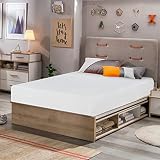
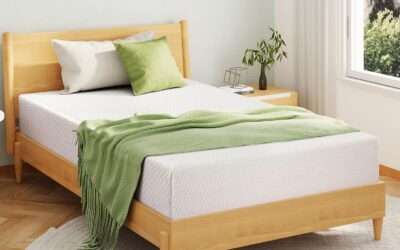
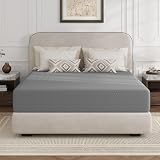
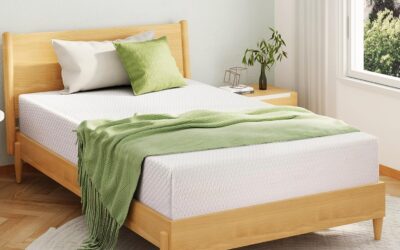
For buyers comparison-shopping current bed-in-a-box options, three frequently-discussed models surface across r/Mattress and Mattress Underground threads. The BedStory 14-inch hybrid sits in the medium-firm pressure-relief category many side and back sleepers gravitate toward. The EGOHOME 10-inch memory foam with green-tea-infused gel covers the budget end with CertiPUR-US documentation. The Zinus Green Tea Memory Foam 10-inch remains the long-running entry-level pick for guest rooms or first apartments — modest, predictable, and well-reviewed. None of these are designer beds; they’re mainstream options that show up repeatedly in owner-aggregated rankings.

Pros
- Zoned support system targets pressure points better than standard mattresses
- Cooling fabric and breathable construction regulate temperature well
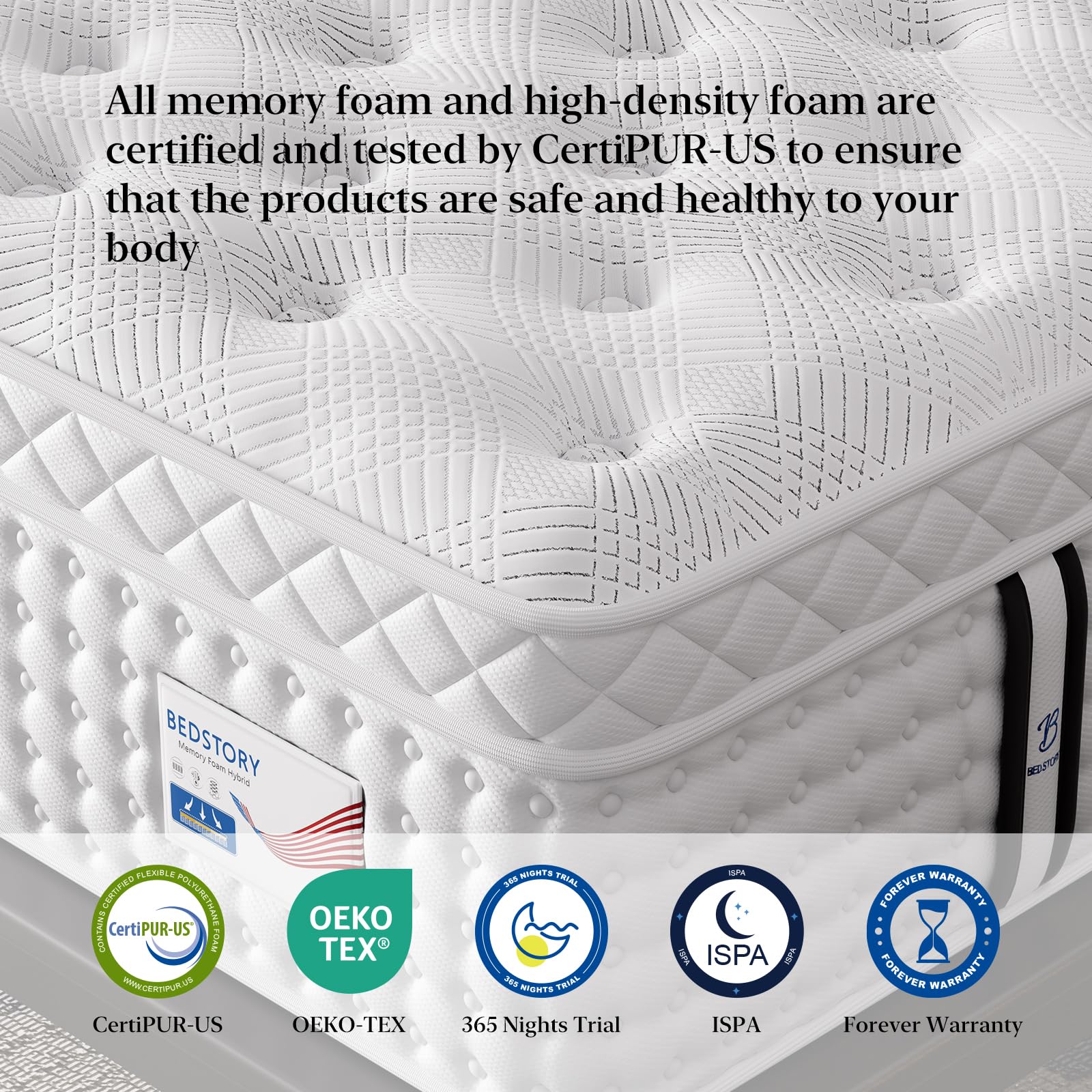
- CertiPUR-US certification guarantees safe, low-VOC materials
- Generous 365-night trial and 10-year warranty provide strong buyer protection
- Medium-firm feel suits most sleep positions, especially back and stomach sleepers
Cons
- No customer reviews yet to validate real-world performance and durability
- May be too firm for strict side sleepers who need extra shoulder cushioning
- Requires 48-72 hours to fully expand, delaying immediate use
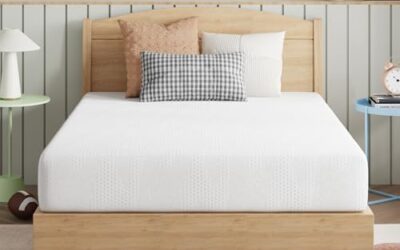
This is the kind of mattress that makes you forget you bought it on a budget. The zoned pocket spring system is genuinely thoughtful design, not just marketing speak. It provides firmer support under your hips and lower back where you need it, while staying softer at your shoulders. That means your spine stays aligned whether you sleep on your back or stomach, and you wake up without that stiff lower back feeling.
The 14-inch height gives it a substantial, quality look in your bedroom, and the breathable cover actually works to keep you from overheating at night. The CertiPUR-US certification matters if you care about what you are sleeping on. No harsh chemical smell when you unbox it, which is a relief after hearing horror stories about other bed-in-a-box brands.
If you want proper back support and temperature regulation without spending $1,000-plus on a luxury brand, this one delivers.
Styles it works with: Modern Minimalist, Scandinavian, Contemporary, Transitional
Best placed in: Master bedroom, guest bedroom, teen or young adult room
May not suit: Rooms with low-profile bed frames (this 14-inch mattress sits high), strict side sleepers who need plush cushioning, buyers who want to test in-store before purchasing
Buy it if:
- You sleep on your back or stomach and need firm support without feeling like you are on a board
- You wake up with lower back pain on your current mattress
- You overheat at night and need better airflow than all-foam mattresses provide
- You want a full year to decide if it works for you (365-night trial)
Consider waiting if:
- You prefer to test a mattress in person before buying
- You need it immediately (requires 48-72 hours to fully expand)
Skip it if:
- You are a side sleeper who needs deep cushioning for your shoulders and hips
- You have a low bed frame and don't want a 14-inch mattress height
Check the latest price and availability on Amazon before it sells out.

EGOHOME 10 Inch Queen Memory Foam Mattress with Cooling Green Tea Gel - Medium Firm Support, CertiPUR-US Certified
Pros
- Green tea gel and breathable design address the main complaint about memory foam (sleeping hot)
- Medium-firm feel works for back, side, and stomach sleepers without needing to choose
- Temperature-stable foam maintains consistent support year-round
- Motion isolation reduces partner disturbance during the night
- Affordable price point for a queen mattress under $250
Cons
- No customer reviews yet to verify real-world performance and durability
- 10-inch profile may feel thin compared to 12-14 inch premium mattresses
- Mattress-in-a-box may need 48-72 hours to fully expand and off-gas before use
This EGOHOME mattress tackles the two biggest complaints about memory foam: sleeping hot and feeling stuck. The green tea gel infusion isn't just a gimmick; it genuinely helps regulate temperature while the bubble hole structure lets air flow through the foam. You get that pressure-relieving memory foam hug without waking up sweaty at 3am.
The medium-firm feel hits a sweet spot that works whether you sleep on your back, side, or stomach. It contours enough to cushion your shoulders and hips, but stays supportive enough to keep your spine aligned. The foam also adapts quietly when you shift positions, so you won't wake your partner every time you move.
If you want memory foam comfort without the heat trap or the premium price tag, this one delivers.
Styles it works with: Modern Minimalist, Scandinavian, Contemporary, Transitional
Best placed in: Master bedroom on a platform bed frame, guest bedroom for versatile comfort, spare room that doubles as home office
May not suit: Buyers who prefer ultra-plush pillow-top feel, those needing extra height for getting in and out of bed easily, sleepers over 250 lbs who need firmer edge support
Buy it if:
- You sleep hot on traditional memory foam and want better temperature control
- You need a versatile mattress that accommodates different sleep positions and body types
- You're furnishing a guest room or first apartment and want quality without breaking the bank
- You want CertiPUR-US certified foam without paying luxury mattress prices
Consider waiting if:
- You prefer to read verified customer reviews before purchasing (this is a newer model)
- You want to try the mattress in-store before committing
Skip it if:
- You need a thicker mattress (12+ inches) for maximum plushness or health conditions
- You weigh over 250 lbs and need extra-firm support with reinforced edges
- You require hypoallergenic or organic-certified materials
Check the latest price and availability on Amazon before it sells out.

Zinus 10 Inch Memory Foam Mattress with Green Tea & Charcoal Infusion, Queen Size - CertiPUR-US Certified
Pros
- Excellent pressure relief for side sleepers who wake up with shoulder or hip pain
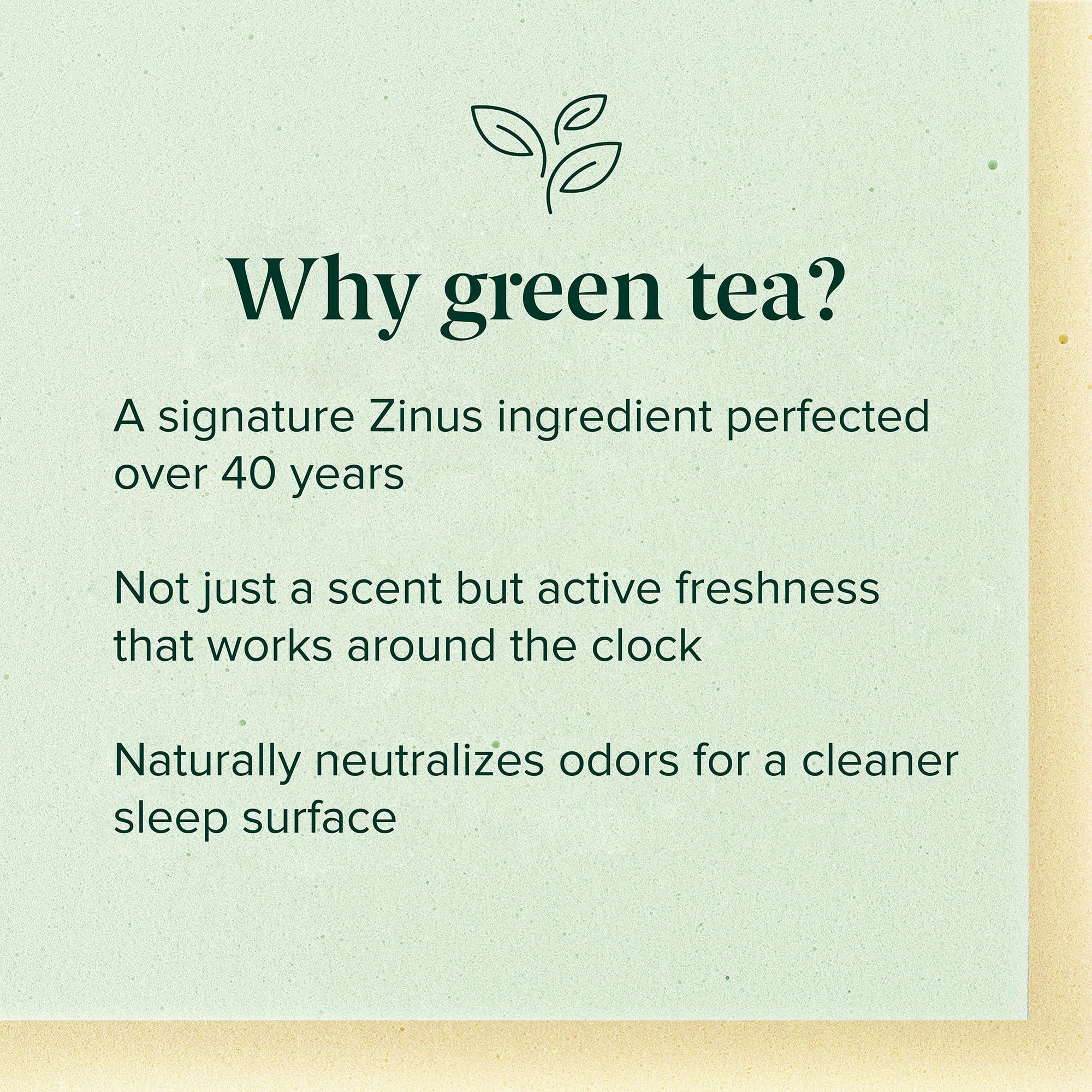
- Natural green tea and charcoal infusion reduces odors and keeps mattress fresher longer
- Ships compressed in a manageable box that one person can handle
- CertiPUR-US certification ensures safe, non-toxic foam materials
- Strong value at under $230 for a queen memory foam mattress
Cons
- Takes 24-72 hours to fully expand, longer in cold rooms
- May be too soft for stomach sleepers or heavier individuals over 250 lbs (twin) or 500 lbs (queen)
- Initial off-gassing smell common with memory foam, though it dissipates within days
This Zinus mattress solves the biggest problem with buying a mattress online: getting it into your bedroom. It arrives compressed in a box you can actually carry yourself, then expands into a full 10-inch memory foam mattress that feels like something twice the price. The green tea and charcoal infusion isn't just marketing speak. It genuinely helps the mattress stay fresher longer, which matters when you're spending 8 hours a night on it.
The three-layer foam system is smartly designed. You get 2.5 inches of conforming memory foam on top that molds to your shoulders and hips, 2 inches of softer comfort foam in the middle for airflow, and a firm 5.5-inch base that prevents that sinky feeling cheaper memory foam mattresses have. Side sleepers especially notice the difference in the morning because pressure points actually get relief instead of waking up sore.
If you want quality memory foam comfort without spending $800 on a mattress-in-a-box brand, this one delivers.
Styles it works with: Modern, Minimalist, Scandinavian, Contemporary
Best placed in: Guest bedroom, master bedroom with platform bed frame, studio apartment bedroom area
May not suit: Homes needing a very firm mattress, bedrooms for stomach sleepers or heavier individuals, spaces requiring immediate same-day use (needs 24-72 hours to expand)
Buy it if:
- You're a side sleeper or petite to average weight and want pressure relief without spending $500+
- You need to get a queen mattress upstairs or through tight hallways by yourself
- You want memory foam comfort with natural odor control built in
Consider waiting if:
- You need to sleep on it tonight (requires 24-72 hours to fully expand)
Skip it if:
- You're a stomach sleeper or weigh over 250 lbs and need firmer support
- You want a mattress that feels plush and hotel-soft rather than conforming memory foam
Check the latest price and availability on Amazon before it sells out.
Write Your Review
No reviews yet. Be the first to share your experience!