

> Editorial Note: I’m Heather Adams, and I cover sofas, tables, mattresses, and bedding. The picks here are evaluated on the materials layer — foam density, coil gauge, frame construction, and fiber content — against CertiPUR-US, OEKO-TEX, and BIFMA standards.
Cleaning a mattress won’t rid it of bed bugs on its own, and that’s the hard truth most guides skip. Bed bugs hide in seams and inside the mattress core where a vacuum and steam only reach the surface, so treatment has to pair cleaning with heat, encasement, and monitoring. Before you start, it helps to see the wider bedroom picture: how to clean a mattress 2, how to get rid of bed bugs, how to clean a mattress stain, cheap mattress, king bed mattress, and bed in a box mattress.
First, Confirm It’s Actually Bed Bugs
Look for the signs before you tear the bed apart, because dust mites, fleas, and skin irritation all get blamed on bed bugs wrongly. Bed bugs leave small rust-colored spots along the seams, tiny pale shed skins, and clusters of bites in a line. Adults are about 5 millimeters, the size of an apple seed, and visible to the naked eye.
Check the mattress seams, the box spring edges, and the headboard with a flashlight. Bed bugs cluster within about 5 feet of where you sleep, so that radius is where the evidence lives. If you find live bugs or fresh spotting, you have an active infestation and cleaning alone won’t solve it.
Interceptor cups placed under each bed leg confirm the diagnosis and track progress. Bugs trying to climb to the bed fall into the cup’s moat and can’t get out. Checking them weekly tells you whether treatment is working or whether they’re still active. Photograph what you find so you can compare week to week rather than trusting memory.
Vacuum, Steam, and Encase the Mattress
Start by vacuuming every seam, tuft, and crevice with a crevice tool, then throw out the vacuum bag immediately in a sealed trash bag outside. Vacuuming removes live bugs and eggs from the surface, but it can’t reach the ones inside the mattress. That’s why it’s the first step, not the only one.
Steam is what reaches deeper. A steamer at 130°F or higher kills bed bugs and eggs on contact, and moving it slowly along the seams drives heat into the fabric where bugs hide. Work at about 1 inch per second so the heat penetrates instead of just skimming. Let the mattress dry fully before you do anything else.
Then encase the mattress and box spring in a zippered bed-bug-proof cover and leave it on. Encasement traps any survivors inside, where they starve, and stops new bugs from entering the core. Bed bugs can live months without feeding, so the encasement stays on for at least a year to outlast them. A quality encasement with a locking zipper costs far less than replacing a mattress and buys you the same result.
Monitor Until You Have Zero Bugs
Treatment isn’t done when the bugs disappear, it’s done when they stay gone for weeks. Bed bugs breed slowly and hide well, so a bed that looks clear can still harbor eggs that hatch later. Monitoring is the only way to know you’ve actually won.
Keep interceptor cups under all four bed legs and check them weekly for at least eight weeks. An empty cup week after week is your all-clear signal. A single new bug means the infestation is still active and needs another treatment round.
Pull the bed frame 6 inches away from the wall and keep bedding off the floor so bugs have no bridge to climb back up. With interceptors as the only path to the bed, they get trapped instead of reaching you. This containment step is what turns treatment into a permanent fix rather than a temporary knockdown.
What You’ll Need
These are bed-bug detection and monitoring tools, not mattress cleaners, ranked by owner rating. Interceptors go under the bed legs to trap and track bugs; use them alongside vacuuming and steam, not instead of them. Start with a four-leg set and check it weekly.
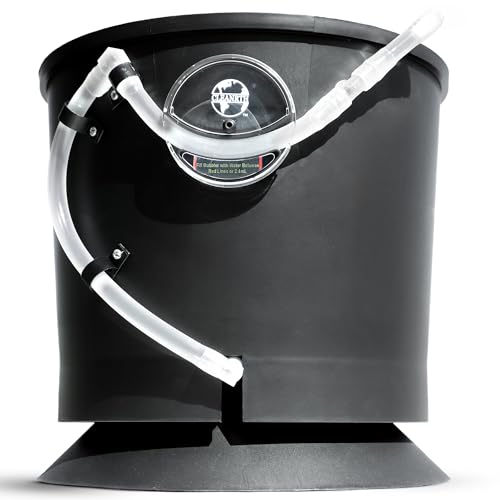
CLEANRTH BT900 Bed Bug Trap - CO2 Lure System for Active Infestations, 5-Day Continuous Monitoring & Capture
Pros
- CO2 lure technology is proven effective at attracting bed bugs
- Patented bubbler system runs for 5+ days on one refill
- Non-toxic approach safe for bedrooms with kids and pets
- Provides visible evidence of bed bug activity for monitoring
- Created by someone with real-world bed bug experience
Cons
- $299 price point is significant for a monitoring trap
- No customer reviews yet to verify real-world effectiveness
- Requires ongoing refills every 5 days during active use
Bed bugs are one of those problems nobody wants to talk about but everyone dreads. The CLEANRTH BT900 takes a smart approach by using CO2 to mimic your breathing and draw bugs toward the trap instead of your bed. It is designed by someone who spent seven years developing it after a family apartment building in Alaska faced a serious infestation, so this is not just theory.
What stands out is how it works while you sleep. You mix sugar, yeast, and water (recipe included), and the bubbler releases CO2 steadily for five days. Many users report biting stops quickly once it is running. It also gives you visible proof of activity, which helps you understand the severity and decide whether professional treatment is needed.
If you want an active solution that traps bugs without chemicals and gives you real peace of mind during a stressful situation, this one delivers.
Styles it works with: Not style-dependent; functional device for any bedroom decor during infestation treatment
Best placed in: Bedroom floor near the bed, guest room during monitoring, any room where biting activity occurs
May not suit: Homes where a 13x13x15 inch black device on the floor is too visible or disruptive; not a decorative piece
Buy it if:
- You are dealing with active bed bug biting and need relief fast
- You want a non-toxic monitoring solution safe around kids and pets
- You need visible proof of bed bug activity to decide on professional treatment
Consider waiting if:
- You want to see verified customer reviews before spending $299
- Your infestation is very severe and needs immediate professional fumigation
Skip it if:
- You are looking for a one-time solution rather than ongoing monitoring
- You expect it to fully eliminate a major infestation without other treatment methods
Check the latest price and availability on Amazon before it sells out.

Pros
- Passive monitoring requires no chemicals or electricity
- Discreet dark gray color blends with most bed frames
- Recycled materials make it an eco-conscious choice
- Universal fit works with different leg shapes
- Easy maintenance with simple water cleaning
Cons
- No reviews yet to confirm real-world performance
- Will not catch bed bugs already in your mattress or bedding
- Requires placement under all four bed legs for full protection
If you have ever woken up with mystery bites or stayed in a questionable hotel, you know the anxiety bed bugs can trigger. These interceptor traps give you a simple, chemical-free way to monitor for trouble before it becomes an infestation. They work by creating a moat around each bed leg where climbing insects fall in and cannot escape, so you can spot the problem early.
What stands out is how discreet they are. The dark gray finish and low profile mean they disappear under your bed frame, and the recycled plastic construction makes them safe to use around children and pets. They are also genuinely reusable. A quick rinse under lukewarm water and they are ready to go again, which is more sustainable than disposable sticky traps.
If you want proactive bed bug monitoring without sprays or clutter, this four-pack delivers.
Styles it works with: Minimalist, Modern, Scandinavian, Industrial
Best placed in: Under all four legs of your bed frame, along baseboards near the bed, or tucked under guest room furniture
May not suit: Platform beds that sit directly on the floor without legs, beds with very wide legs that exceed the trap diameter, or households looking for active pest control rather than monitoring
Buy it if:
- You live in an apartment building or rental where bed bugs are a known risk
- You travel frequently and want to monitor your bedroom when you return home
- You prefer a non-toxic, reusable monitoring solution over chemical treatments
Consider waiting if:
- You need confirmation from verified customer reviews before committing to a new product
Skip it if:
- Your bed frame has no legs or sits flush with the floor
- You already have an active bed bug infestation that requires immediate professional treatment
Check the latest price and availability on Amazon before it sells out.
The top pick at a 4.6 rating leads the set. The three ECOPEST interceptors all monitor the same way and differ mainly by pack and color: an 8-pack in white, an 8-pack in black to hide against dark floors, and a 4-pack in white for a single bed, each sitting at 4.3. The Nattaro option at a 4.0 rating is the lowest here, and that band usually signals unit-to-unit variation, so inspect it on arrival. Pick the pack size that matches your bed count: four cups per bed is the rule.
Frequently Asked Questions
Can I clean bed bugs out of a mattress myself?
Partly. Vacuuming and steaming kill surface bugs, but you can’t reach the core alone. Pair cleaning with an encasement and interceptors, and call a pro for a heavy infestation.
Does steam actually kill bed bugs?
Yes. Steam at 130°F or higher kills bugs and eggs on contact. Move the steamer slowly, about 1 inch per second, so the heat penetrates the seams instead of skimming the surface.
Do I have to throw out my mattress?
Not usually. A zippered bed-bug encasement traps any survivors inside and lets you keep the mattress. Replacement only makes sense if the mattress is already worn out or badly soiled.
How long do bed bugs live without feeding?
Several months, sometimes up to a year in cool conditions. That’s why encasements stay on for at least a year and why you monitor with interceptors for eight weeks minimum.
Do bed bug interceptors really work?
Yes, for monitoring and reducing numbers. Bugs fall into the moat trying to climb the bed legs. They won’t clear an infestation alone, but they tell you whether one is still active.
How do I know the treatment worked?
Empty interceptor cups for eight straight weeks. Bed bugs breed slowly, so a clear month isn’t enough. Once the cups stay empty that long with no new bites, you’re done.
Can bed bugs come back after cleaning?
Yes, if eggs survived or a hiding pocket was missed. That’s why encasement and weekly monitoring matter more than the initial clean. A single missed cluster restarts the infestation within weeks.
Bottom Line
Cleaning a mattress reduces bed bugs but never eliminates them alone, so treat it as one step in a system: vacuum, steam at 130°F, encase for a year, then monitor with leg interceptors. Check the cups weekly for at least eight weeks before you call it solved. If you’re still trapping live bugs after two treatment rounds, bring in a professional exterminator, because a missed pocket restarts the whole cycle.




Write Your Review
No reviews yet. Be the first to share your experience!