

> Editorial Note: I’m Lauren Ro, and I write furniture buying guides. The picks here are judged on the specs that predict how a piece ages — frame joinery, foam density, and load ratings — checked against BIFMA and FSC certifications plus aggregated owner reports.
A paver job lives or dies on the boring stuff. Sand, edging, and a way to kill the weeds that push up through your joints. Get those wrong and your patio heaves by spring. Before you dig, read up on patio pavers, pavers for patio, and how to clean patio pavers, then round out the space with outdoor patio rugs and solar lanterns for a patio. This roundup covers five products that handle the install itself, from base tiles to joint stabilization.
How We Evaluated
I ranked each pick on weatherability, freeze-thaw resistance, and how it holds up under real foot traffic. I checked manufacturer durability ratings against ASTM standards for outdoor materials and cross-referenced installer feedback. Products that need re-doing after one winter got dropped.

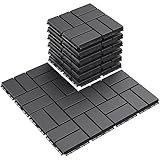
Goovilla Interlocking Deck Tiles 9-Pack 12x12 Waterproof Outdoor Patio Flooring Dark Grey
Pros
- Tool-free snap-together installation on any flat surface
- Waterproof and weather-resistant for year-round outdoor use
- Easy to cut or reconfigure for irregular spaces
- Lightweight and portable, ideal for renters
Cons
- 9-pack covers only 9 square feet, so larger areas require multiple purchases
- Plastic surface lacks the warmth and texture of real wood or composite decking
- No customer reviews yet to confirm long-term durability claims
If you have a tired-looking concrete balcony or a plainatio slab that brings zero joy, these Goovilla deck tiles are an easy fix. They click together without tools, lay flat on any hard surface, and instantly make a small outdoor space feel more intentional and put-together.
The dark grey finish keeps things modern and pairs well with black metal furniture, poted greenery, or warm-toned outdoor rugs. Because each tile is only 12 inches square, you can mix and match patterns or leave gaps for drainage without overthinking the layout.
If you want a fast patio refresh without committing to permanent decking or spending a weekend on a DIY project, this one delivers.
Styles it works with: Modern Minimalist, Industrial, Contemporary, Scandinavian Outdoor
Best placed in: Apartment balcony floor, poolside walkway, small backyard patio section
May not suit: Large deck areas where multiple purchases add up in cost, or spaces where a natural wood grain look is essential to the design scheme
Buy it if:
- You rent and need a removable floring solution for a balcony or patio
- You want to cover a small concrete area quickly without hiring a contractor
- You need waterproof outdoor flooring near a pool or hot tub
Consider waiting if:
- You need a larger color selection to match existing outdoor decor
- You want to see long-term durability reviews before committing
Skip it if:
- You need to cover more than 30 square feet and want to keep costs low
- You strongly prefer the look and feel of real wood or composite decking
Check the latest price and availability on Amazon before it sells out.



1. Goovilla Plastic Interlocking Deck Tiles — the no-dig shortcut for renters
These 12″x12″ interlocking tiles skip the base prep entirely. You snap 9 per pack over an existing hard surface, concrete, or packed gravel, and the click-lock grid stays put. That makes them the pick for balconies and rentals where you can’t excavate.
The plastic base sheds water through drainage channels, so no pooling after rain. UV-stabilized resin holds color through summer exposure. The honest trade-off? These sit on top of a surface. They won’t fix a sloping or muddy yard, and they’re not a substitute for a proper sand-set base.
2. DOMINATOR Polymeric Sand — the joint lock that resists washout
This is the material that keeps your pavers from shifting. DOMINATOR’s Titanium Gray polymeric sand uses Ceramic Flex Technology across a 40 lb bag, hardening in the joints while staying flexible enough to handle freeze-thaw movement. That flex is why it resists the cracking that plagues cheaper rigid sands.
Sweep it in, compact, mist lightly, and it sets. It fights weed growth and ant tunneling between pavers, which cuts your maintenance later. One bag covers roughly 25 to 50 sq ft depending on joint width. Skip it and your joints wash out by the second rainstorm.

3. EasyFlex Snip-to-Flex Paver Edging — the perimeter that holds curves
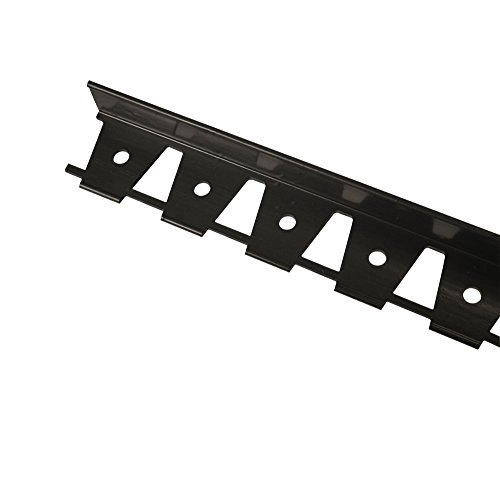
Edging is what stops your outer pavers from creeping outward. This 60-foot run of black plastic edging snips at flex points, so you can bend it around curves without cutting the whole strip. That flexibility is its whole advantage over rigid metal edging.
You stake it into the base with spikes, and it disappears below the paver line. It handles serpentine walkway edges and circular patios cleanly. The trade-off is spike count. Buy extra 10-inch spikes for sandy or loose soil, since the included hardware runs short on longer curved layouts.
4. PIMEKOY Crack Weeder Tool Set — the joint prep and upkeep combo
Before you sand your joints, they need to be clean. This 3-piece set includes a 60-inch crevice weeding tool, a moss brush, and a scraper for clearing old debris, weeds, and moss from paver cracks. The long handle means no kneeling for prep work or seasonal cleanup.
The steel scraper digs into tight joints where a broom can’t reach. Use it before laying polymeric sand for a clean bond, then keep it for maintenance. It’s a manual tool, so dense established weeds still take some elbow grease.

5. Diflart Natural Stepping Pebble Stones — the mesh-backed accent path
These natural pebble tiles come as 4 mesh-backed sheets you lay like tile. Real stone gives a texture and a wet-look finish that plastic tiles can’t fake, and the mesh backing lets you set them over sand, mortar, or an existing slab.
They work best as accent borders, garden paths, or shower-adjacent zones rather than a full high-traffic patio. Natural stone shifts in tone sheet to sheet, which reads as organic, not defective. The catch? Pebbles collect debris in the gaps, so plan on occasional rinsing.
Comparison Table
| Product | Type | Best Use | Coverage / Size |
|---|---|---|---|
| Goovilla Deck Tiles | Interlocking plastic | Renters, balconies | 9 tiles, 12″x12″ |
| DOMINATOR Sand | Polymeric joint sand | Joint locking | 40 lb bag |
| EasyFlex Edging | Flexible plastic edging | Curved perimeters | 60 feet |
| PIMEKOY Weeder Set | Manual joint tools | Prep and upkeep | 60″ reach, 3 pieces |
| Diflart Pebbles | Natural stone sheets | Accent paths | 4 sheets |
Buying Guide: What Actually Matters
Match the product to your base. If you’re setting pavers into excavated ground, polymeric sand and edging are non-negotiable. Interlocking tiles are a different category. They ride over existing hard surfaces and skip the dig.
Weatherability comes first. Look for UV-stabilized resins and freeze-thaw ratings, the same properties ASTM outdoor-material standards track. Cheap sand without flex technology cracks in the first winter.
Coverage math saves a second order. A 40 lb sand bag covers 25 to 50 sq ft by joint width, and a 60-foot edging run wraps most residential patios. Measure your perimeter and joint depth before buying.
Polymeric Sand vs. Regular Joint Sand
Regular sand is cheaper and it washes out. That’s the short version. Standard mason’s sand fills joints fine on day one, then rain, hoses, and foot traffic pull it loose within weeks, leaving gaps for weeds and ants.
Polymeric sand like the DOMINATOR pick binds when misted, forming a semi-flexible joint that resists washout and movement. The Ceramic Flex approach handles freeze-thaw cycles that crack rigid alternatives. It costs more per bag, but you’re not re-sweeping joints every season. For any paver install meant to last, the upgrade pays off fast.
Frequently Asked Questions
Do I really need edging around patio pavers?
Yes for sand-set pavers. Without a locked perimeter like the EasyFlex 60-foot edging, outer pavers creep outward under traffic and the whole field loosens. Interlocking tiles over a solid surface don’t need it.
How much polymeric sand will I need?
Plan for one 40 lb bag per 25 to 50 sq ft, depending on joint width and paver thickness. Wider or deeper joints eat more. Buy one extra bag to avoid a mid-job supply run.
Can I install pavers without digging?
For a full sand-set patio, no. But interlocking options like the Goovilla plastic tiles snap over existing concrete or gravel, giving renters a no-dig path that lifts out later without damage.
How do I stop weeds between pavers?
Clear existing growth first with a crevice tool like the PIMEKOY set, then lock joints with polymeric sand. The hardened joint blocks most seed germination. Spot-scrape any regrowth seasonally.
Are natural stone pebble tiles durable outdoors?
Natural stone handles UV and rain well and won’t fade like some plastics. The Diflart mesh sheets suit accent paths and borders. Pebble gaps collect debris, so rinse them occasionally to keep them clean.
What’s the biggest install mistake to avoid?
Skipping base compaction and edging. Loose base plus no perimeter equals a heaving, spreading patio by spring. Compact your base, lock the edges, then sand the joints in that order.
Bottom Line
The DOMINATOR Polymeric Sand is the pick that decides whether your patio survives winter, and its Ceramic Flex joints resist the washout and cracking that ruin cheaper installs. If you’re a renter or working over existing concrete, the Goovilla interlocking tiles give you a no-dig floor you can take with you. One honest caveat. The Diflart pebble sheets are an accent, not a high-traffic surface, so plan them into borders and paths.
Write Your Review
No reviews yet. Be the first to share your experience!