

> Editorial Note: I’m Hannah Lin, an Interior Living Researcher who’s spent 9+ years analyzing the home furniture market. This guide draws on BIFMA, GREENGUARD, and FSC certifications, plus owner reviews aggregated from Wirecutter, Apartment Therapy, and the major home design subreddits.
That cloudy ring on your coffee table isn’t the end of the piece, and you probably don’t need a refinisher to fix it. The repair depends on how deep the moisture went, so it helps to know the same wood-care basics that explain why does my wood furniture crack, how owners handle how to fix peeling leather couch, and what goes into styling pieces like best decorative vases for living room, a best console table, or best picture frames. Here’s how to read the stain and treat it without making things worse.
What Causes White and Dark Water Stains on Wood?
Water stains come in two flavors, and they tell you exactly how far the damage reached. A white or cloudy mark means moisture got trapped in the finish, not the wood itself. When a warm mug or a sweating glass sits on a sealed surface, heat and humidity push tiny water droplets into the lacquer, shellac, or wax topcoat. Light scatters through those trapped droplets, and you see a hazy white ring. That’s good news. The wood underneath is still protected.
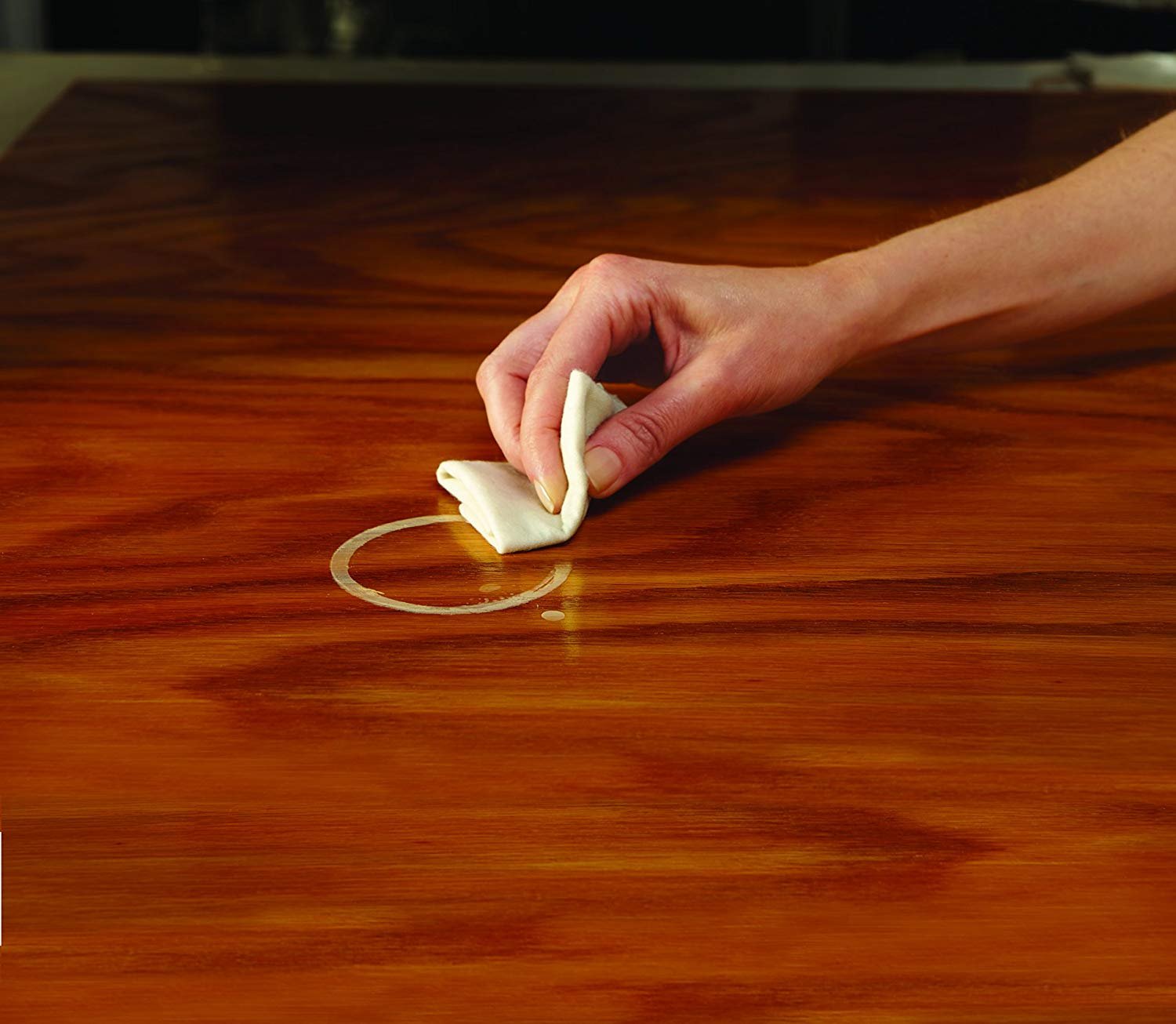
Dark stains are a different story. When water gets past the finish and soaks into the bare wood, it reacts with tannins and any iron present, leaving a gray, brown, or near-black mark. This happens on unsealed furniture, worn spots, or surfaces where a spill sat for hours. Apartment Therapy notes that the longer moisture lingers, the deeper it travels, which is why a forgotten flower vase leaves a worse mark than a quick splash. Oak, walnut, and other high-tannin species darken fastest. So the color of the stain isn’t cosmetic trivia. It’s your diagnostic. White means surface, dark means the fibers themselves absorbed the water.
White Water Stains vs. Dark Water Stains: What’s the Difference?
The practical difference is repair difficulty. White stains sit in the finish layer, which is usually thin and forgiving, so you’re working with heat, oils, and mild abrasives that coax the trapped moisture back out. Most white rings clear up in under 10 minutes with household items. You’re not removing wood, you’re just driving out water and re-blending the topcoat.
Dark stains live in the wood grain, below the finish. To reach them, you often have to break through or strip the topcoat, treat the bare wood, then reseal. That’s a bigger job. This Old House points out that some dark stains penetrate so deeply that bleaching only lightens them rather than erasing them. There’s also a timing signal. A ring that appeared today and is still pale white will likely respond to gentle methods, while one that’s been darkening for weeks needs chemical treatment or refinishing. Quick check before you commit: a stain that fades slightly when you warm it is moisture in the finish. One that doesn’t budge with heat has reached the wood. Knowing which camp you’re in saves you from scrubbing a dark stain with toothpaste for an hour and getting nowhere.
How Do You Remove White Water Stains From Wood? (Heat & Oil Methods)
Heat is your first move, and it’s the most reliable. Lay a clean cotton cloth or a thin tea towel over the white ring, set an iron to low with the steam off, and press it down in 5-second passes. Lift, check, repeat. The gentle heat reopens the finish and lets the trapped moisture evaporate. A hairdryer on medium works the same way over 2 to 3 minutes if you don’t want to risk an iron, just keep it moving so you don’t scorch one spot.
Oil-based methods come next. Rub a small dab of mayonnaise, petroleum jelly, or plain cooking oil into the ring, let it sit for an hour or overnight, then buff with a soft cloth. The oil seeps into the finish and displaces the water haze. For stubborn cloudiness, a non-gel white toothpaste works as a mild abrasive. Put a pea-sized amount on a damp cloth, rub with the grain for about 30 seconds, then wipe clean. You can mix toothpaste 50/50 with baking soda for slightly more cutting power. Whatever you use, always work with the grain, go light, and re-buff afterward. These tricks won’t touch a dark stain, but for a fresh white ring they’re quick and they don’t risk the wood.
How Do You Remove Dark Water Stains From Wood?
Dark stains need chemistry, not heat. Because the water already reached the fibers, you have to treat the wood itself, which usually means getting through the finish first. Lightly sand or strip the topcoat over the stain, then apply a wood bleach. Oxalic acid is the standard choice for water and tannin marks. It’s sold as a powder you mix with warm water, brushed onto the dark area and left for 30 minutes before rinsing. You may need two or three rounds for a deep stain, and roughly 20% of deep marks only lighten rather than disappear, so the spot will look raw afterward because you’ve removed both finish and color.
Commercial spot removers formulated for wood can save you the mixing. Good Housekeeping recommends matching the product to the damage rather than grabbing a general cleaner, since household degreasers won’t pull tannins out of grain. After bleaching, neutralize, let the wood dry fully, then sand smooth and reseal with a matching finish. Honest expectation: deep black stains, especially from old planter leaks, sometimes only lighten to gray. If the mark covers a large area or sits on a visible tabletop, refinishing the whole surface gives a more even result than a patched spot that reads as a lighter circle.
How Do You Protect Wood From Future Water Stains?
Prevention is cheaper than any repair, and it comes down to keeping liquid off bare or thinly sealed wood. Coasters and trivets are the obvious first line, especially for cold drinks that sweat and hot mugs that drive heat into the finish. Felt pads under vases, candles, and decor stop slow leaks you won’t notice until a ring appears. Wipe spills within 2 minutes rather than letting them sit, since dwell time is what turns a splash into a stain. Even 30 weeks of small unnoticed leaks from a planter can leave a deep mark.
Beyond habits, the finish itself is your barrier. A solid topcoat, polyurethane, hard wax oil, or a fresh coat of paste wax, seals the grain so water beads instead of soaking in. Reapply paste wax every 12 months on high-use surfaces like dining and coffee tables, and a quality polyurethane topcoat can hold up for 5 years before it needs renewing. For pieces near windows or radiators, watch humidity swings too, because the same expansion that causes cracking also opens micro-gaps where moisture creeps in. Look for furniture finished to GREENGUARD or FSC standards if you’re buying new, since a well-cured factory finish resists water better than a quick aftermarket spray. A little upkeep keeps you out of the bleach-and-sand territory entirely.
When Should You Refinish Instead of Spot-Treating?
Spot-treating makes sense when the damage is small, recent, and white. Once you’re dealing with deep dark stains, multiple rings, or a finish that’s already worn and patchy, refinishing the whole surface is usually the smarter call. A single bleached spot rarely blends perfectly, so on a prominent tabletop you’ll trade a dark ring for a pale one. Refinishing resets the entire surface to a uniform color and gives you a fresh, even topcoat that protects against the next spill.
Cost and value matter here. For an antique or a solid-wood heirloom, professional refinishing protects the piece and its worth. For a thin veneer or a budget item, sanding through to bare wood can do more harm than good, since veneer layers are often under 1 mm thick and can lose 50% of their depth in a single aggressive pass. When the finish is shot across the board, full refinishing isn’t overkill. It’s the repair that actually lasts.
Helpful Products for Removing Water Stains
If you’d rather reach for a ready-made formula than mix oxalic acid yourself, a few targeted removers can help. Owner ratings on these are mixed, so set expectations and try a spot on a hidden area first.

Pros
- Removes stubborn water rings and heat stains that other products cannot
- Reusable cloth provides value across multiple uses
- Also conceals surface scratches and removes paint or marker stains
- Works without damaging or stripping the wood finish
Cons
- Only works on finished, sealed wood, not raw or unfinished surfaces
- Cloth must be resealed after each use to maintain effectiveness
- May not work on deeply penetrated or very old stains
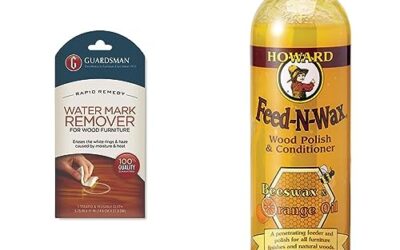
If you have wood furniture, you have water rings. A cold glass on the coffee table, a hot mug on the nightstand - these everyday moments leave behind white marks that make beautiful furniture look neglected. The Guardsman cloth handles what most home remedies cannot: it actually removes the damage instead of covering it up.
What sets this apart is how it works on multiple problems at once. Beyond water marks, it conceals scratches, lifts latex paint drips from DIY projects gone slightly wrong, and even removes permanent marker (a must-have for parents). The cloth is reusable, so you are not buying a new product every time your teenager forgets to use a coaster.
If you want to restore your wood furniture to its original condition without paying for professional refinishing, this one delivers.
Styles it works with: Traditional, Farmhouse, Transitional, Mid-Century Modern - any home with wood furniture
Best placed in: Kitchen drawer for quick access, living room console near coffee table, bedroom nightstand drawer
May not suit: Homes with only laminate or painted furniture, spaces with raw or unfinished wood pieces that require different treatment
Buy it if:
- You have water rings or heat marks on wood tables, dressers, or nightstands
- You want to fix furniture damage yourself without hiring a professional
- You have kids or guests who frequently leave marks on wood surfaces
Consider waiting if:
- You need to test on a hidden area first to ensure compatibility with your specific wood finish
Skip it if:
- Your furniture is raw, unfinished, or waxed wood rather than sealed
- The stains have penetrated deeply into the wood and need professional restoration
Check the latest price and availability on Amazon before it sells out.

WOCA Denmark Tannin Spot Remover 9oz - Removes Black Water Stains & Rings from Oak Wood Floors, Furniture & Cabinets
Pros
- Highly specific formula targets the exact chemical reaction between water and oak tannins that causes black staining
- Water-based and VOC-free, making it safe for use in occupied homes with children or pets nearby
- Effective on aged stains, so you do not need to catch the damage immediately for it to work
- Works across multiple finish types including oiled, waxed, and unfinished oak surfaces
Cons
- Limited to oak and tannin-rich woods only, so it will not work on pine, maple, or most painted surfaces
- At $45 for 9oz, the price per ounce is high for a product with a narrow, single-use application
- No verified customer reviews available to confirm real-world effectiveness or typical results
Black rings and dark stains on oak furniture are one of the most frustrating problems in home upkeep. They resist ordinary cleaners, they look terrible against warm wood grain, and most people assume the only fix is sanding or refinishing. WOCA Tannin Spot Remover addresses the actual chemistry behind these stains rather than just masking them, which makes it genuinely useful in a product category full of general-purpose solutions that miss the mark.
What stands out is how targeted this product is. WOCA built it specifically for tannin-reactive wood like oak, which is one of the most popular materials in flooring, cabinetry, and furniture. If your home features oak floors, an oak dining table, or oak kitchen cabinets, this sits naturally in your cleaning kit as the go-to for water damage spots before they become permanent eyesores.
The spray-and-wait process is genuinely low-effort, and the VOC-free formula means you are not filling your home with harsh fumes while you work. If you want to lift years-old black water stains from oak wood without sanding down the finish or hiring a professional, this one delivers.
Styles it works with: Scandinavian, Modern Farmhouse, Japandi, Traditional
Best used on: Oak hardwood floors in living rooms and kitchens, solid oak dining tables, oak cabinet faces, oak wood paneling or millwork in entryways and studies
May not suit: Homes without any oak wood surfaces, or households looking for a multi-surface or multi-wood cleaner rather than a single-species solution
Buy it if:
- You have black water stains or rings on oak floors, furniture, or cabinets and standard wood cleaners have not worked
- You are refinishing or restoring oak pieces and need to address tannin stains before applying a new oil or wax finish
- You want a VOC-free, cruelty-free option that is safe to use indoors around family and pets
Consider waiting if:
- You are unsure whether your wood is oak or another tannin-rich species and want to confirm compatibility before purchasing
Skip it if:
- Your stained surfaces are pine, maple, walnut, or any non-tannin wood, as this formula will not address those stains
- You need a general-purpose wood cleaner for a variety of stain types across multiple wood species
Check the latest price and availability on Amazon before it sells out.

Pros
- Addresses a specific and common problem that generic wood cleaners do not target
- Doubles as both a cleaner and a polish, reducing the number of products needed
- Spray format allows targeted application directly on water ring stains
Cons
- Low 2.5-star average rating suggests inconsistent performance across different wood types and finishes
- Small 4 fl oz size offers limited value if multiple treatments are needed on the same surface
- Concentrated formula may require careful dilution testing to avoid leaving residue or streaks on furniture
If you have ever set a cold glass down and walked away only to find a stubborn white ring staring back at you from your favorite coffee table, you know how frustrating that moment is. The Impresa Wood Water Mark Remover is built specifically for that problem, using a concentrated oil formula that works to lift the moisture trapped beneath the wood finish rather than just buffing over the surface.
The spray also doubles as a furniture polish, which means you are not just erasing the damage but leaving the wood looking refreshed and protected at the same time. For renters or homeowners who want a single go-to product for wood surface care, the idea behind this bottle is genuinely practical.
That said, the customer feedback on this one is mixed enough that we have to be honest: results appear to vary depending on the wood type and finish in your home. If you want a targeted water ring solution without buying a full furniture restoration kit, this one has the right concept, though it does not always deliver consistently.
Styles it works with: Traditional, Rustic Farmhouse, Mid-Century Modern, Transitional
Best placed in: Living room coffee tables and side tables, dining room wood surfaces, bedroom nightstands
May not suit: Homes with lacquered, painted, or laminate furniture finishes where oil-based formulas can cause damage; households looking for a heavy-duty refinishing solution for deeply damaged wood
Buy it if:
- You have a fresh or light water ring on a wood coffee table or dining surface and want a quick targeted fix
- You prefer a product that cleans and polishes in one step rather than buying two separate wood care products
- You are comfortable testing on a small hidden area first and want an affordable option to try before investing in professional refinishing
Consider waiting if:
- You want to check for updated reviews or a reformulated version that addresses consistency complaints from current buyers
Skip it if:
- Your wood furniture has deep, dark, or long-set water damage that requires sanding or refinishing rather than a spray treatment
- You have laminate, painted, or non-solid wood surfaces where oil-based formulas are not recommended
Check the latest price and availability on Amazon before it sells out.



Write Your Review
No reviews yet. Be the first to share your experience!