

> Editorial Note: I’m Lauren Ro, and I write furniture buying guides. The picks here are judged on the specs that predict how a piece ages — frame joinery, foam density, and load ratings — checked against BIFMA and FSC certifications plus aggregated owner reports.
The fastest way to wreck an antique is to clean it like it’s new. The same restraint that keeps an antique asian vase or a pair of antique floor lamps looking right applies to old wood, and it’s the opposite of how you’d scrub a patio. The habits that work for how to clean outdoor furniture frames or how to clean a deck will cut straight through a hand-rubbed shellac, and the soft glow on antique chandeliers or an antique celery vase comes from decades of age you can’t put back once it’s gone.
How do you tell what finish an antique has before you clean it?
Identify the finish first, because the cleaner that’s safe on lacquer can dissolve shellac in seconds. Most furniture made before the 1920s wears shellac or wax; oil and modern polyurethane came later. Find a hidden spot, an inside leg or the back edge, and spot-check with a cotton swab dipped in denatured alcohol. If the finish gets sticky or lifts, it’s shellac and needs a gentle hand.
Patina matters more than shine here. That mellow surface color builds over 50 to 100 years, and collectors pay for it, so aggressive cleaning that “brightens” old wood usually destroys value instead of adding it. The American Institute for Conservation warns that over-cleaning is the most common irreversible damage owners inflict. When in doubt, do less and clean again next month.
What’s the right way to dust an antique without scratching it?
Regular dusting is the single most protective thing you can do, and it costs nothing. Dust is abrasive: airborne grit acts like fine sandpaper every time a cloth drags across it, so wipe with a dry microfiber or soft cotton cloth once a week. Skip feather dusters, which just move grit around and can catch on loose veneer or gilding.
For carved details, a soft natural-bristle brush lifts dust out of crevices a flat cloth misses. The Spruce recommends dusting in the direction of the grain, not in circles, so any stray particle tracks along the wood instead of across it. Don’t spray anything onto the surface first. A dry cloth on a well-kept piece is enough most weeks, and it keeps buildup from ever reaching the grime stage.
How do you clean grime off antique furniture without stripping the finish?
Use the mildest cleaner that works, and keep water off the wood as much as possible. For light soil, a cloth dampened with plain water and wrung nearly dry removes most surface film. For sticky or greasy buildup, mix a few drops of mild dish soap into warm water, dampen the cloth, and follow immediately with a second dry cloth so no moisture sits.
Water is the enemy of old glue and veneer. Flooding a joint can loosen hide glue and lift thin veneer within hours. For stubborn wax haze or old polish residue, Bob Vila suggests mineral spirits applied sparingly on a cloth, which cuts grime without touching the finish underneath. Work a small area at a time, and never soak or scrub hard.
Should you wax or oil dry antique wood, or leave it alone?
Feed dry, dull wood with paste wax or beeswax, not oil, and only when the surface genuinely needs it. A good wax layer protects the finish and revives depth without soaking into the wood the way oils do. Oils can darken and go gummy over years, and they interfere with any future conservation, which is why most museums avoid them entirely.
Apply a thin coat, let it haze for a few minutes, then buff with a clean cloth. Once or twice a year is plenty; monthly waxing just builds a dulling film. If the finish is sound and the wood looks healthy, leave it. Sometimes the best care is a dust cloth and patience.
What should you never do to antique furniture?
Never use silicone-based spray polishes, flood the wood with water, or refinish a valuable piece yourself. Silicone soaks in, resists removal, and can permanently contaminate the surface so a conservator can’t repair it later. That aerosol “instant shine” is the fix owners regret most.
Refinishing is the bigger money mistake. Stripping the original finish off a genuine antique can erase most of its value in an afternoon, and once it’s gone it doesn’t come back. Skip magic erasers too, since their melamine foam is a fine abrasive that dulls old finishes fast. When a piece is grimy but original, clean gently and stop there.
When should you bring in a professional conservator?
Call a conservator whenever the piece is valuable, structurally loose, or wearing a finish you can’t identify safely. Lifting veneer, flaking gilding, active woodworm, or a signed maker’s mark are all signals to stop and get expert eyes on it. A conservator uses reversible methods, which is the standard the American Institute for Conservation holds professionals to.
The math is simple. A cleaning that takes value off a signed 19th-century piece costs far more than a consultation. If the item might be worth real money, get it appraised before you touch it with anything stronger than a dry cloth.
What You’ll Need
The supplies below all lean on natural waxes and gentle conditioners rather than harsh solvents, which is the criteria that keeps an original finish intact. They differ by scale and use: the 100g Generic restorer is a small jar for spot conditioning, the 2-pack Generic micro-molecularized spray covers larger surfaces, and the Generic spray that ships with a sponge and towel (rated 4.3) bundles its own applicators. Stylress focuses on scratch touch-up, while the JTBJPBD 8oz salve (rated 4.4) doubles for leather and wood with an included brush.

Pros
- Penetrates wood to address scratches from the inside rather than just masking them
- Stain prevention layer adds practical protection for high-use surfaces
- Natural formula reduces concerns about harsh fumes or residue on heirloom pieces
- Fast application process suits busy households
- Works on multiple wood types from dining tables to bedroom furniture
Cons
- Only 100g means frequent repurchasing for large furniture collections or whole-room projects
- No customer reviews yet to verify real-world scratch repair effectiveness
- Generic branding lacks detailed ingredient transparency or usage guidance
This wood wax does the quiet work that keeps your favorite furniture looking cared for. It is not a dramatic before-and-after product, but rather a maintenance ally that fills in the small scratches from daily life and brings back the warmth that fades when wood gets dry. The formula sinks into the grain instead of sitting on top, so you get actual nourishment rather than a temporary shine that wears off by next week.
We appreciate that it does not require you to clear an afternoon for furniture restoration. The wipe-on method fits into the same time slot as dusting, which means you will actually use it instead of letting the tin sit in a closet. It works especially well on pieces with sentimental value where you want to preserve the original finish rather than cover it with something new.
If you want to refresh tired wood furniture without stripping and refinishing, this one delivers.
Styles it works with: Farmhouse, Traditional, Vintage, Rustic, Cottage
Best placed in: Dining room tables and chairs, bedroom dressers and nightstands, living room coffee tables and side tables, home office desks
May not suit: Homes needing repair for deep gouges or structural damage (this handles surface-level wear only), furniture with painted or laminate finishes rather than natural wood
Buy it if:
- You have antique or heirloom wood furniture showing minor scratches and dullness
- You want a natural formula for maintenance rather than aggressive refinishing chemicals
- You prefer quick touch-ups that fit into regular cleaning instead of weekend projects
Consider waiting if:
- You need to see verified customer reviews and before-after photos from actual users
- You are treating a large furniture collection and want to confirm the 100g size meets your needs
Skip it if:
- Your furniture has deep scratches, water damage, or structural issues requiring professional restoration
- You are working with painted, lacquered, or laminate surfaces rather than natural wood
Check the latest price and availability on Amazon before it sells out.

Beeswax Wood Polish Spray - 2 Pack Natural Furniture Cleaner for Hardwood Floors, Cabinets & Tables (4oz Each)
Pros
- Natural beeswax formula without harsh chemicals works well for homes with kids or pets
- Dual-action cleaning and polishing saves time on routine wood care
- Lightweight protective barrier helps minimize appearance of minor scratches
- Versatile across multiple wood surfaces from floors to furniture
- Includes application tools so you can start using immediately
Cons
- New product with no verified customer reviews yet to confirm performance claims
- 4oz bottles may require frequent reordering for large homes with extensive wood surfaces
- May not provide heavy-duty restoration for severely damaged or neglected wood
This beeswax spray takes the guesswork out of wood care. Instead of juggling separate cleaners and polishes, you get both in one natural formula that actually penetrates the wood instead of sitting on top. The beeswax brings out that warm, lived-in glow without making surfaces look wet or overly shiny.
What stands out is how it handles everyday wood maintenance without fuss. Spray it on your dining table after dinner cleanup, wipe down kitchen cabinets on the weekend, or refresh hardwood floors in high-traffic areas. The formula is light enough for routine use but effective enough to lift built-up grime and restore moisture to dried-out wood.
If you want chemical-free wood care that maintains a natural look without sticky buildup, this one delivers.
Styles it works with: Modern Farmhouse, Scandinavian, Rustic, Traditional
Best placed in: Kitchen cabinets, dining room tables, living room wood furniture, hardwood floor maintenance in entryways and hallways
May not suit: Homes needing heavy restoration work on badly damaged wood, untreated or raw wood surfaces that require specialized finishing, spaces where you prefer a high-gloss commercial polish look
Buy it if:
- You want natural wood care without synthetic chemicals or strong odors
- You prefer a subtle, grain-enhancing finish over high-gloss shine
- You need one product that both cleans daily dirt and conditions the wood
Consider waiting if:
- You want to see verified customer reviews before trying a new wood care brand
Skip it if:
- You need industrial-strength restoration for severely neglected or water-damaged wood
- You prefer spray-and-walk-away products that require no wiping or buffing
Check the latest price and availability on Amazon before it sells out.

Stylress Beeswax Wood Polish Spray - Natural Furniture Cleaner & Restorer for Cabinets, Floors, Tables - 4 fl oz
Pros
- Natural beeswax formula is safer around kids and pets
- Fine mist nozzle provides even coverage without pooling
- Versatile enough for daily maintenance across all wood furniture
- No residue or sticky feeling after application
- Small 4 oz size is easy to store and control
Cons
- Only 4 fl oz may require frequent repurchasing for large homes
- No customer reviews yet to verify long-term performance
- May not remove deep scratches or significant damage
This is the kind of wood polish that makes routine furniture care feel less like a chore. The natural beeswax formula works gently on wood surfaces, bringing back that soft glow without leaving behind any weird residue or chemical smell. It is especially nice if you have older furniture that is looking a bit tired or scratched up from everyday use.
The spray nozzle makes application genuinely easy. You just mist it on, wipe with a soft cloth, and let it dry. No buffing for twenty minutes or worrying about streaks. It works on everything from your dining table to hardwood floors, which means one bottle handles multiple rooms.
If you want to refresh your wood furniture with something natural and effective without spending an afternoon polishing, this one delivers.
Styles it works with: Modern Farmhouse, Traditional, Rustic, Scandinavian
Best placed in: Kitchen cabinets, dining room tables, bedroom dressers, hardwood floors in living areas
May not suit: Homes needing heavy-duty scratch repair, very large spaces requiring bulk product, buyers wanting scented polish
Buy it if:
- You prefer natural, chemical-free wood care products
- Your furniture needs regular maintenance to prevent drying
- You want one product that works on multiple wood surfaces
- You appreciate easy spray-and-wipe application
Consider waiting if:
- You want to see verified customer reviews before purchasing
- You need a larger size for extensive wood surfaces
Skip it if:
- Your furniture has deep gouges or significant damage needing professional repair
- You prefer heavily scented cleaning products
Check the latest price and availability on Amazon before it sells out.

Pros
- Comes with application brush for even coverage
- Versatile formula works on furniture, automotive, and accessory leather
- Easy to apply without professional skills or equipment
- Helps maintain leather surfaces and prevent further drying
Cons
- No customer reviews yet to verify real-world performance claims
- May require multiple applications for heavily damaged or very dry leather
- Results depend on leather type and existing condition
If your leather sofa is starting to look tired or your favorite leather chair feels dry to the touch, this conditioning balm offers a practical fix without calling in professionals. The included brush is genuinely useful, it helps you work the product into creases and detailed areas that are hard to reach with just a cloth.
What makes this stand out is its versatility. One jar handles your living room furniture, car seats, and even leather shoes or bags. That means fewer products cluttering your cleaning cabinet and a consistent care routine across all your leather items. The formula is designed to absorb without leaving a heavy residue, so your furniture stays comfortable to sit on.
If you want to extend the life of leather pieces without spending on professional restoration services, this one delivers.
Styles it works with: Traditional, Transitional, Modern Farmhouse, Industrial
Best placed in: Living room for leather sofas and chairs, home office for leather desk chairs, mudroom or closet for shoe and boot care, garage for automotive leather seats
May not suit: Homes needing color-specific leather dyes rather than conditioning, households expecting instant dramatic color restoration on severely faded leather
Buy it if:
- Your leather furniture feels dry or looks dull and you want to refresh it yourself
- You have multiple leather items (furniture, car seats, accessories) and want one product for all
- You prefer a simple leather care routine without multiple steps or products
Consider waiting if:
- You need to see verified customer reviews and photos of results first
Skip it if:
- Your leather has deep cracks or structural damage that needs professional repair
- You need a color-matching product to hide scratches or worn spots on colored leather
Check the latest price and availability on Amazon before it sells out.
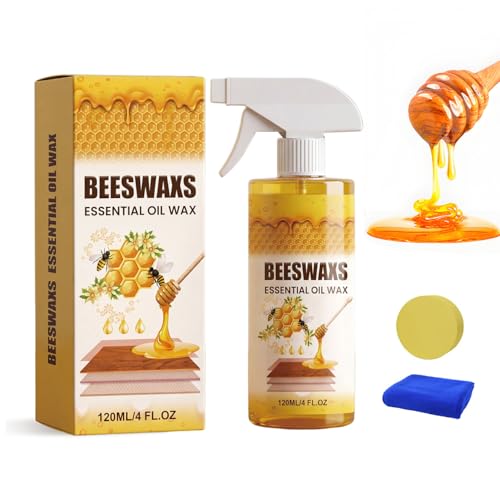
Pros
- Complete kit with spray, cleaning sponge, and polishing cloth included
- Natural beeswax formula is safer than chemical-heavy alternatives
- Works on multiple wood surfaces from floors to furniture
- Creates a protective coating that resists moisture and scratches
- Simple spray-wipe-polish process requires no special skills
Cons
- No customer reviews yet to verify performance claims
- Small 120ml bottle may not last long for larger homes or frequent use
- Generic brand with limited product history or warranty information
This is the kind of product that makes wood care feel less like a chore and more like giving your furniture a quick refresh. The natural beeswax formula brings back warmth to dull wood without the chemical smell that lingers for hours after using conventional polishes. You spray it on, wipe away years of grime and fingerprints, then buff to a smooth finish that actually feels different under your hand.
What stands out is how it handles multiple jobs in one bottle. It cleans sticky residue off your dining table, polishes your coffee table back to life, and leaves a thin protective layer that helps prevent future scratches and water rings. The included sponge and cloth mean you are not digging through closets looking for the right supplies.
If you want a natural way to revive tired wood furniture without hiring a professional or spending an afternoon on each piece, this one delivers.
Styles it works with: Farmhouse, Rustic, Traditional, Scandinavian
Best placed in: Dining room tables, living room coffee tables and side tables, bedroom dressers and nightstands, kitchen cabinets, entryway console tables, hardwood floors in any room
May not suit: Homes with laminate or veneer furniture that is not real wood, ultra-modern spaces with metal or glass surfaces, households looking for high-gloss finishes rather than natural matte protection
Buy it if:
- You have real wood furniture that looks dull, scratched, or dried out and want to restore it yourself
- You prefer natural cleaning products over chemical-heavy polishes
- You need an all-in-one solution that cleans, polishes, and protects without buying separate products
Consider waiting if:
- You want to see verified customer reviews before committing to a new generic brand
- You have a large home with extensive wood surfaces and need a larger bottle size
Skip it if:
- Your furniture is laminate, veneer, or painted wood rather than solid natural wood
- You need a high-gloss finish instead of a natural matte protection layer
Check the latest price and availability on Amazon before it sells out.
Frequently Asked Questions
Can I use olive oil to polish antique wood?
No. Food oils turn rancid, attract dust, and go gummy over time, and they can penetrate old finishes in ways that block future repair. A thin paste wax protects far better and buffs to a cleaner, longer-lasting shine.
Is Murphy Oil Soap safe on antiques?
It depends on the finish. On a sound, sealed surface a well-diluted, barely-damp application is usually fine, but on cracked shellac or raw wood the moisture can lift veneer. Spot-check a hidden area first.
Should I wax antique furniture every month?
No. Once or twice a year is enough for most pieces. Monthly waxing builds a cloudy film that dulls the surface and traps dust, which is the opposite of what you’re after with old wood.
Does cleaning an antique lower its value?
It depends how you do it. Gentle dusting and mild cleaning preserve value, but stripping the finish, refinishing, or over-brightening the patina can erase most of it. When the piece is valuable, less is safer.
Can I use a magic eraser on old finishes?
No. Melamine foam is a fine abrasive that scours the surface and dulls aged finishes quickly. It’s fine on modern laminate, but on genuine antiques it removes exactly the patina that makes the piece worth keeping.
How do I clean carved or gilded details?
Gently. Use a soft natural-bristle brush to lift dust from crevices, and keep all liquids away from gilding, which can flake with the slightest moisture. If gilding is already lifting, stop and consult a conservator before doing anything else.
Will beeswax spray darken antique wood?
It can slightly, especially on dry or thirsty surfaces that drink up the first coat. Apply a thin layer to a hidden spot first, let it cure, and check the color before treating the whole piece.
Bottom Line
For most antiques, the safe routine is simple: dust weekly with a dry microfiber cloth, clean grime with a barely-damp cloth and the mildest soap that works, and wax once or twice a year only when the wood looks dry. Skip silicone sprays, oils, and any thought of refinishing. If the piece is signed, structurally loose, or clearly valuable, get it appraised and hand it to a conservator before you clean it yourself.


Write Your Review
No reviews yet. Be the first to share your experience!