

> Editorial Note: I’m Heather Adams, and I cover sofas, tables, mattresses, and bedding. The picks here are evaluated on the materials layer — foam density, coil gauge, frame construction, and fiber content — against CertiPUR-US, OEKO-TEX, and BIFMA standards.
Most bedrooms go wrong before the first piece is moved: people push every item to a wall and call the empty middle “space.” It isn’t. It is usually a long, awkward runway between a too-large bed and a dresser that cannot open. Start with the bed, then let walking space decide everything else. Use our how to arrange a small bedroom: a step-by-step guide (2026), what size bed frame for a queen mattress? a sizing guide (2026), what size nightstand do you need? a small-room guide (2026), what size dresser for a bedroom? a sizing guide (2026), what size rug for a bedroom? a room-by-room guide (2026), and walk-in vs reach-in closet organizer: which wins? (2026) for the dimensions behind the plan.

The Ground Rules Before You Start
Measure the room at its narrowest point, including door swing, closet doors, and drawer extension. A clear path of 30 inches is the minimum from door to bed; 36 inches feels better where two people pass. Keep 24 inches at the side of a bed when the room allows it.
Put painter’s tape on the floor for the bed footprint before lifting furniture. A queen mattress is 60 by 80 inches, while a king is 76 by 80 inches. Add the frame, headboard, and any projection at the foot. Those extra 3 to 6 inches can erase the clearance you thought you had. BIFMA’s stability guidance also supports a simple rule: tall storage belongs on a solid wall and should be anchored as directed. No exceptions.
Step 1: Put the Bed on the Wall That Leaves a Usable Path
The bed is the anchor, not the reward for arranging everything else. Place its headboard on the longest uninterrupted wall when possible, preferably the wall you see from the doorway. Avoid centering it under a low window if that blocks curtains, restricts airflow, or leaves no space for a headboard.
Then check the route. You need 30 inches from the bedroom door to the bed, and 24 inches beside the sleeper’s side of the mattress. If a queen bed leaves only 16 inches between the frame and a dresser, rotate the layout or reduce the storage piece. Don’t solve a circulation problem with a narrower walkway. It will feel wrong every morning.
Step 2: Size Nightstands to the Mattress, Not the Empty Gap
Nightstands should land close to the top of the mattress, within about 2 to 4 inches either way. A surface far below the mattress makes a lamp, water glass, or phone harder to reach. One that towers above it looks accidental and can crowd the headboard.
Aim for 18 to 24 inches of tabletop width per side. A 12-inch table can work in a tight room, but it’s a landing spot, not true storage. Give each side 2 to 3 inches between the nightstand and bed frame. Small gap. Big difference.
Two matching tables are not mandatory. What matters is visual balance: similar height, similar visual weight, and lamps that do not compete. Apartment Therapy often recommends using vertical storage when floor area is scarce. A wall sconce or a narrow bedside shelf can free the 18-inch-wide strip that a conventional nightstand would claim.
Step 3: Place the Dresser Where Its Drawers Can Fully Open
Measure the dresser depth, then add the drawer extension before choosing a wall. Most bedrooms need 30 to 36 inches clear in front of a dresser so you can open a drawer, bend down, and step aside. A deep dresser across from a king bed often fails this check even when it appears to fit on paper.
Use the wall opposite the bed only when the path remains open. Otherwise, a dresser near the door or on a side wall is better than a centered obstruction. Keep it out of the door’s swing and away from a closet that needs the same standing zone. You’ll use storage more when it does not create a traffic jam.
For a room with one usable wall, choose vertical drawers over a long low piece. The Sweetcrispy dresser in the supplied list is identified as an 8-drawer storage tower, so it makes more sense for folded clothing than for displaying a television or holding oversized bedding. Its 4.4 rating is a useful ownership signal, but verify current dimensions before committing to the footprint.
Step 4: Give Clothes and Clutter One Closed-Storage Zone
A calm bedroom needs a clear boundary between sleep and storage. Start with the closet. Keep the items used daily between knee and shoulder height, roughly 18 to 60 inches from the floor, and reserve high shelves for seasonal linens or luggage. This keeps the most-used clothes out of the chair pile. A familiar failure point.
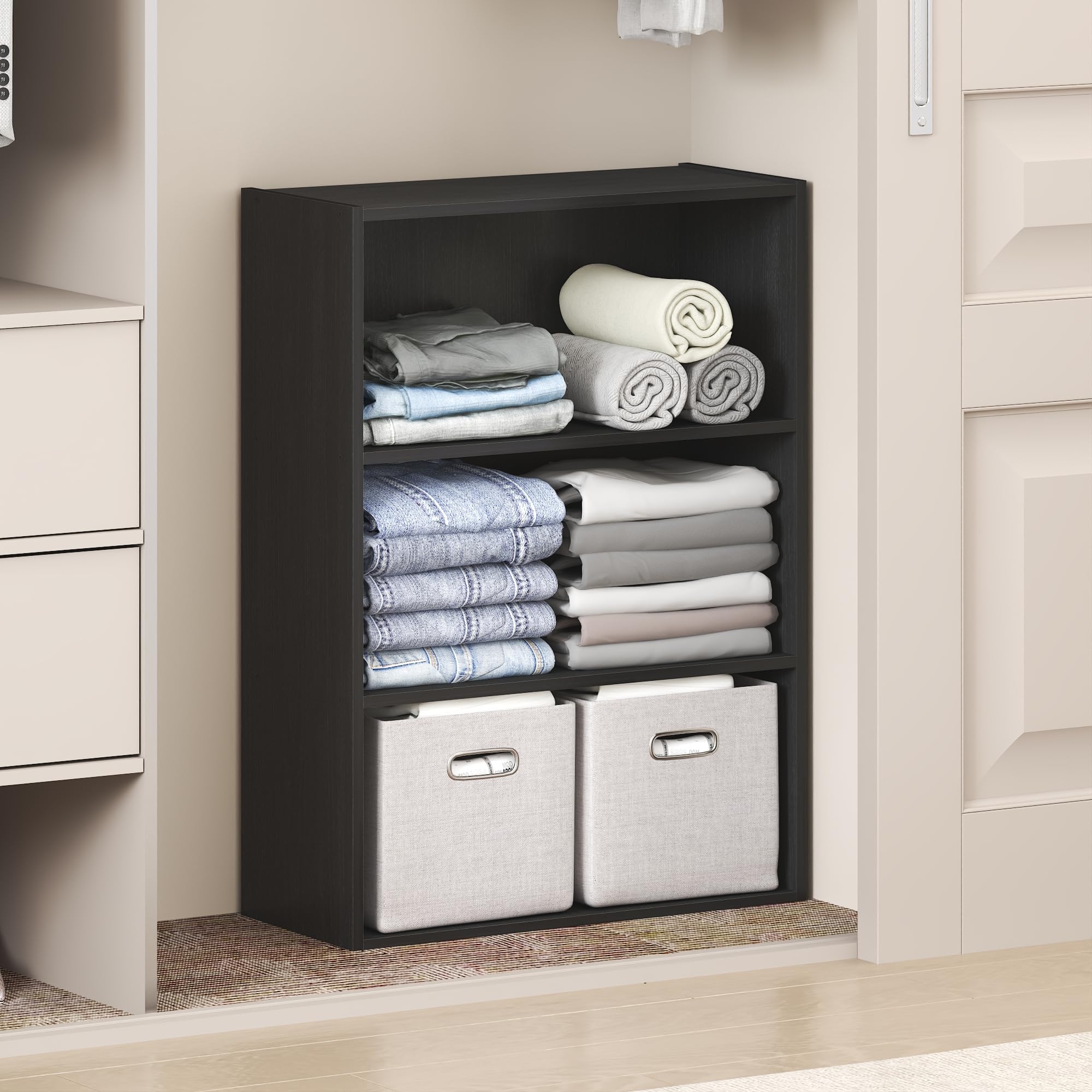
If the closet is shallow or already full, build outward in one place rather than scattering bins under the bed, beside the door, and on top of a dresser. The Furinno item in the supplied list is a 3-tier open-shelf closet organizer. Open shelves work best for folded denim, baskets, or shoes you reach for often; they are less forgiving of loose odds and ends. Give each shelf one category.
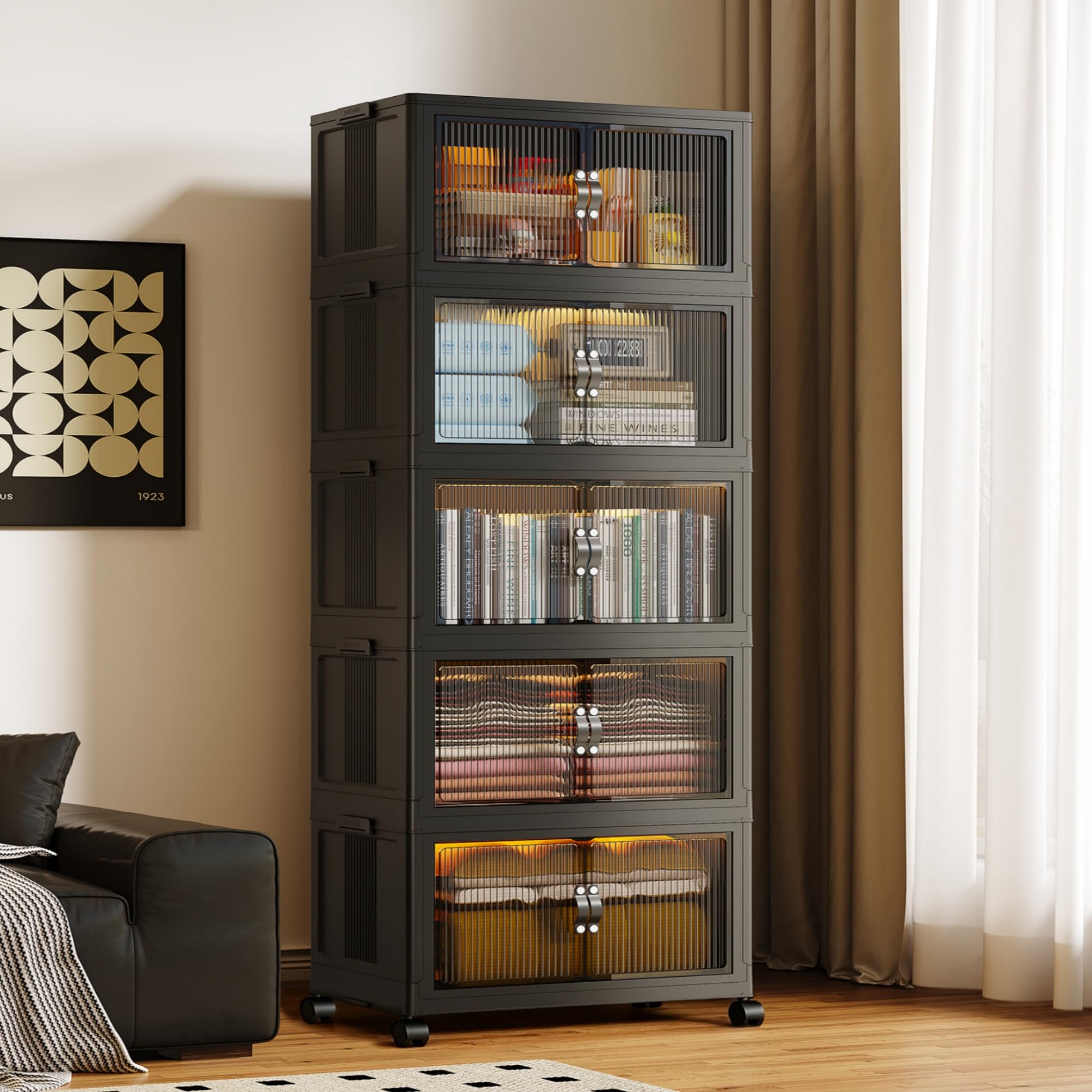
The SAILUN option is described as a five-pack of stackable storage bins with lids and a stated 580-quart capacity. That is a lot of volume. Use closed, lidded bins for off-season clothing or spare linens, not for the socks and chargers you need every day. Put the heaviest bin at floor level, leave 2 inches below a shelf or ceiling for easier removal, and do not stack where a door must open.
Step 5: Finish With Light, a Rug, and One Intentional Empty Area
Layer lighting before adding decoration. Use three sources: an overhead light, bedside light, and a softer lamp or sconce. Keep bulbs within reach and cords behind furniture, never across the walking path. Wirecutter’s sleep coverage supports reducing harsh evening light; give yourself a lower, warmer source than the ceiling fixture.
For a queen bed, an 8 by 10 foot rug usually gives you a soft landing on both sides and at the foot. A 6 by 9 foot rug can work when it starts under the lower two-thirds of the bed. Keep the rug at least 6 inches from the walls so it does not read as wall-to-wall carpet. The right margin makes the room feel measured.
Last, leave one surface and one patch of floor intentionally open. That can be the top of a dresser, the foot of the bed, or a 24-inch strip beside the closet. A bedroom has to absorb real life, but it also needs a visual pause. That’s what makes the layout feel settled rather than packed.
Frequently Asked Questions
Should a bed face the door?
It depends. A view of the door is useful, but the bed should not block the door swing or force a path narrower than 30 inches. Choose the wall that protects circulation first, then worry about symmetry.
Can I put a dresser at the foot of the bed?
Yes, when you have 30 to 36 inches between the bed frame and the dresser front. No, when opening a drawer traps you against the bed. In that case, move the dresser to a side wall or use taller storage.
How much space should be beside a bed?
Aim for 24 inches on each accessible side. A single-sleeper room can make do with less on the wall side, but leave at least 30 inches on the route from the door to the bed.
What if my bedroom only fits one nightstand?
Use one. Put it on the side used most often, then balance the opposite side with a wall-mounted light, a slim shelf, or simply open floor. Forcing a second table into a 14-inch gap makes the room less functional.
Where should storage bins go in a bedroom?
Put them in the closet, on a high shelf, or under the bed only when they do not interfere with airflow, drawers, or the path around the bed. Lidded bins are for infrequent-use categories, not daily overflow.
Bottom Line
Start with the bed wall, then protect a 30-inch route from the door before adding anything else. The Sweetcrispy 8-drawer tower is the practical storage pick when folded clothing is eating the room; the Furinno organizer makes more sense when a shallow closet needs visible zones. The caveat is simple: no clever furniture arrangement fixes a room that tries to hold more than its footprint allows. Edit the furniture list before shrinking every walkway.
Storage That Supports the Layout
The three supplied products solve different storage bottlenecks. Start with the Sweetcrispy 8-drawer tower for folded clothing that needs one vertical home. Choose the SAILUN lidded bin set for seasonal items that can stay out of sight. Use the Furinno 3-tier organizer when a closet needs visible, category-by-category access. Each listing has an owner rating of 4.2 or higher, but room measurements matter more than a star average here.

Sweetcrispy 8-Drawer Fabric Dresser - 36" Tall Storage Tower for Bedroom, Closet & Living Room (Tank Gray)
Pros
- Excellent storage capacity with 8 large drawers for the price point
- Lightweight and portable for renters or frequent movers
- Quick assembly process with clear instructions
- Includes safety anti-tip accessories
- Breathable fabric drawers prevent musty odors in stored clothing
Cons
- Fabric construction less durable than wood or metal alternatives for long-term use
- No customer reviews yet to verify real-world performance
- May not support heavier items like jeans or shoes in every drawer
This dresser solves a specific problem beautifully: you need real storage now, but you're not ready to commit to heavy furniture. Maybe you're renting, maybe you're still figuring out your space, or maybe you just need something that won't break your back on moving day. The fabric construction feels like a smart compromise rather than a cheap shortcut.
What stands out is how much thought went into making this functional for real life. The drawers glide smoothly, the top is water-resistant for your coffee mug or plant, and the anti-tip kit means you can use it safely even with curious kids or pets around. At 36 inches tall, it gives you vertical storage without dominating a small room.
If you want bedroom storage that you can assemble in one TV episode and move without calling friends, this one delivers.
Styles it works with: Modern Minimalist, Scandinavian, Dorm/Student Living, Transitional
Best placed in: Walk-in closet as a clothes organizer, bedroom corner for everyday essentials, guest room for linens and extra bedding, entryway for seasonal accessories
May not suit: Formal master bedrooms where wood furniture is expected, homes needing heirloom-quality pieces for 10+ years, spaces with high humidity like basements where fabric may absorb moisture
Buy it if:
- You're renting and need storage that moves easily without damaging walls or floors
- You have a small bedroom or closet where a traditional wood dresser feels too bulky
- You need organized drawer storage for under $40 and can assemble it yourself
- You're furnishing a dorm room, first apartment, or temporary living space
Consider waiting if:
- You want to see verified customer photos and reviews before purchasing since this appears newly listed
Skip it if:
- You need furniture that will last 5+ years with daily heavy use
- You prefer solid wood construction for aesthetic or durability reasons
- You're storing very heavy items like shoe collections or thick winter coats in every drawer
Check the latest price and availability on Amazon before it sells out.








Write Your Review
No reviews yet. Be the first to share your experience!