

> Editorial Note: I’m Heather Adams, and I cover sofas, tables, mattresses, and bedding. The picks here are evaluated on the materials layer — foam density, coil gauge, frame construction, and fiber content — against CertiPUR-US, OEKO-TEX, and BIFMA standards.
The mistake almost everyone makes is washing the duvet itself instead of just the cover, then cramming it into a top-loader that mats the fill in one cycle. Before you strip the bed, it helps to know what you actually own: a best duvet insert behaves nothing like a duvet comforter, and sizing matters too, whether you sleep under a king size duvet, a queen size duvet, or a crisp white duvet that shows every stain. If you only ever wash the best duvet cover, you can stretch the time between full washes considerably.
Can You Machine Wash a Duvet at Home?
Yes, most duvets can go in a home machine, but only a front-load or agitator-free top-loader has the drum size to do it safely. The center post on a traditional top-loader wraps the fill and tears baffle seams, so a laundromat’s oversized front-loader is the better call for anything queen or larger. Sleep Foundation notes that a duvet needs room to tumble freely, and a stuffed drum can’t clean or rinse evenly.
Always read the sewn-in care label first. Some down inserts are dry-clean only, and washing one voids that instruction outright. If the label clears you for water, use the bulky or delicate cycle on cold, which protects both the shell fabric and the fill. Cold water also keeps the shell’s color from bleeding, which matters most on white bedding.
Run one extra rinse. Down and down-alternative fills trap detergent deep in the clusters, and leftover soap is what leaves that stiff, cardboard feel after drying. A second rinse costs ten minutes and saves the loft.
Check the Fill Type Before You Choose Anything
Fill type decides the whole approach, so check the label before you reach for detergent. Down and feather fills need a low-alkaline cleaner that won’t strip the natural oils keeping each cluster lofted, while polyester down-alternative tolerates ordinary mild detergent. Guess wrong on a down insert and you flatten it permanently.
Down clusters rely on a thin oil coat to spring back. Regular detergent and fabric softener coat those clusters and collapse the loft, which is why a good down wash is pH-balanced rather than heavily surfactant-based. Wirecutter has flagged softener as the single worst product for any feather-filled bedding.
Down-alternative is more forgiving. It’s spun polyester, so a standard gentle detergent at half the normal dose rinses clean without residue. Either way, skip bleach entirely. Chlorine weakens shell stitching and yellows white fabric over time, and once a baffle seam splits, the fill migrates and never redistributes.
How Do You Dry a Duvet So the Fill Doesn’t Clump?
Dry it low and slow, because heat above 130°F scorches down and melts polyester fill into hard lumps. Set the dryer to low or air-fluff and expect two to three hours for a full-size insert. It takes far longer than sheets, and rushing it on high is the fastest way to ruin a duvet.
Toss in two or three wool dryer balls or a couple of clean tennis balls. They break up wet fill as the drum turns, so the clusters separate instead of matting into a corner. Pull the duvet out every 30 minutes and shake it hard along both seams to redistribute damp spots.
The duvet has to be bone dry before it goes back on the bed. Any trapped moisture invites mildew inside the shell, where you can’t see it forming. Apartment Therapy recommends a final 20-minute no-heat cycle to confirm dryness. Damp down smells musty within a day.
How Often Should You Actually Wash It?
Wash the insert two to three times a year, and wash the cover every one to two weeks in its place. The cover takes the sweat, skin oils, and dust, which is the whole point of using one. Keep it on and the insert stays clean far longer.
That spacing assumes you’re using a cover. Sleep without one and the insert absorbs everything, pushing you toward a wash every month, which shortens its life. A quality down insert lasts 5 to 7 years with light washing and far less with heavy washing.
Spot-clean small stains between full washes. A damp cloth with a dab of the down cleaner lifts most marks without a full cycle. That’s the move for a coffee spill on white bedding you don’t want to risk in the drum yet.
What You’ll Need
These five picks cover the full routine: a gentle cleaner for down, protection to cut how often you wash, and storage that keeps the insert lofted off-season. Only the GEAR AID Revivex is a true down wash; the others support the process rather than clean the fill.

Pros
- Extra-large size handles king bedding and bulky winter items most bags cannot fit
- Thick plastic construction resists punctures better than typical flimsy storage bags
- Universal valve works with any vacuum - no hunting for adapters
- Double zipper closure provides backup protection if one seal weakens
- Set of 2 gives enough capacity for a full seasonal wardrobe swap
Cons
- No customer reviews yet to confirm long-term durability claims
- Requires a vacuum cleaner - not ideal for dorms or homes without one
- Bags this large can be awkward to maneuver when fully packed and rigid
If you have ever played closet Tetris with winter coats in July or shoved a puffy duvet into an overstuffed linen closet, these vacuum bags solve that frustration in about 60 seconds. The XXL size is genuinely roomy - we are talking a king duvet or an entire bin's worth of sweaters compressed flat enough to slide under a bed or stack neatly on a shelf.
The double zipper closure is a smart touch. Cheaper bags often fail at the seal after a few uses, but the reinforced design here suggests PARENCE thought about repeated seasonal swaps. The clear plastic also means you are not guessing which bag holds the holiday linens versus the beach towels six months later.
If you want to reclaim a full shelf or two in your closet without the hassle of a storage unit rental, this set delivers reliable compression at a fair price point.
Styles it works with: Any - these are functional storage solutions that work behind the scenes in closets, under beds, or on high shelves regardless of decor style.
Best placed in: Master bedroom closet for seasonal wardrobe rotation, under guest room beds for extra linens, hall closet for bulky winter gear, or garage shelving for off-season textiles.
May not suit: Homes without a vacuum cleaner, renters with very limited storage where even flat bags have nowhere to go, or households that prefer breathable fabric storage for delicate items like wool or silk.
Buy it if:
- You are drowning in seasonal clothes and bedding with no room left in your closet
- You need to store bulky duvets, winter coats, or pillows in a humid climate where mildew is a risk
- You already own a vacuum and want a simple solution that works with what you have
- You swap out seasonal wardrobes twice a year and need something reusable
Consider waiting if:
- You want to see verified customer reviews before committing - this product is newly listed
Skip it if:
- You do not own a vacuum cleaner or have easy access to one
- You need smaller bags for travel or drawer-level organization
- Your storage items are delicate fabrics that should not be compressed long-term
Check the latest price and availability on Amazon before it sells out.

Swiffer XXL Dust Catcher Duvet Kit - 1 Extendable Handle + 2 Refills for Hard-to-Reach Areas
Pros
- Extendable handle reaches ceiling height areas safely
- XXL head size covers more surface area per pass
- Leaves light fragrance after dusting
- Ergonomic grip comfortable for longer use
Cons
- Only 2 refills included in starter kit
- No reviews yet to verify long-term durability
- Refill costs add up for large homes
This is the duster for people who hate dragging out the step stool every weekend. The extendable handle gets you up to ceiling fan blades and the tops of tall bookshelves without the wobble factor, and that XXL fluffy head actually grabs dust instead of just pushing it around.
What stands out is how much ground it covers in one pass. The oversized refill means fewer trips back and forth, and the light fragrance is a nice bonus that makes dusting feel less like a chore. The handle feels solid in your hand, and the extension mechanism locks into place so you are not fighting with a wobbly pole mid-swipe.
If you want to cut your dusting time in half without climbing furniture or breathing in dust clouds, this one delivers.
Styles it works with: Modern Farmhouse, Minimalist, Scandinavian, Contemporary
Best placed in: Living room for ceiling fans and shelves, bedroom for headboards and dressers, home office for bookcases
May not suit: Homes where you prefer natural fiber dusters, buyers who dust infrequently and do not want to stock refills
Buy it if:
- You have ceiling fans or tall furniture that need regular dusting
- You want to stop using a step stool for high surfaces
- You prefer disposable refills over washing reusable cloths
Consider waiting if:
- You want to see verified customer reviews before committing
Skip it if:
- You only dust a few low surfaces and do not need the extension feature
- You prefer eco-friendly reusable dusting tools over disposables
Check the latest price and availability on Amazon before it sells out.
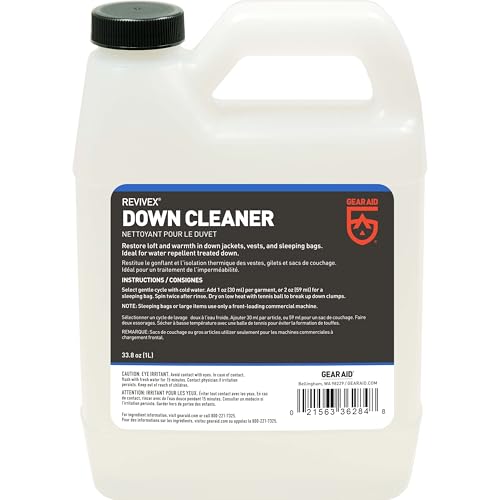
GEAR AID Revivex Down Cleaner - Restore Loft & Warmth in Jackets, Sleeping Bags, Pillows & Comforters - 33.8 oz
Pros
- Effectively restores loft and insulating power to compressed down
- Gentle on technical fabrics and DWR treatments
- Highly concentrated formula offers good value per wash
- Versatile for both outdoor gear and home bedding
- Free of harsh chemicals and fragrances
Cons
- No customer reviews yet to verify performance claims
- Higher price point compared to regular detergents
- Requires proper drying technique for best results
This isn't just another detergent. If you've ever pulled a down jacket out of storage only to find it flat and lifeless, you know the frustration. Revivex Down Cleaner is formulated specifically to bring that loft back while actually cleaning the feathers, not just masking odors with fragrance.
What sets it apart is the gentle formula that works on technical outdoor gear and your everyday bedding alike. It removes body oils and dirt that compress down over time, while leaving water-repellent treatments intact. One bottle goes a long way since it's concentrated, so you're not constantly reordering.
If you want to restore warmth to your favorite down items without risking damage from regular detergent, this one delivers.
Styles it works with: This is a laundry care product, not a decorative item, but it maintains the quality of down bedding across all interior styles from Modern Farmhouse to Minimalist to Boho.
Best placed in: Laundry room shelf, under bathroom sink, or wherever you store specialty cleaning products. The bottle is compact enough for small storage spaces.
May not suit: Households that only use synthetic-fill bedding or don't own down products. Also not ideal if you prefer all-in-one regular detergents and aren't willing to use a specialty product.
Buy it if:
- You own down jackets, sleeping bags, or comforters worth hundreds of dollars and want to protect that investment
- Your down items have lost their fluffiness and warmth over time
- You need to wash technical outdoor gear without damaging water-repellent coatings
- You prefer fragrance-free, chemical-gentle cleaning products
Consider waiting if:
- You want to see verified customer reviews before committing to this price point
- There's a sale coming up on outdoor gear care products
Skip it if:
- You only own synthetic-fill jackets and bedding that can handle regular detergent
- You're looking for a multi-purpose cleaner rather than a specialty down wash
Check the latest price and availability on Amazon before it sells out.
Pros
- Tight weave physically blocks allergens without chemicals
- EPA-registered Microban treatment reduces odor-causing bacteria
- High thread count cotton feels soft and breathable
- Hidden zipper eliminates buttons and looks more polished
- Maintains protective properties after washing
Cons
- No customer reviews yet to verify real-world performance
- Only available in gray color currently
- Higher price point than standard cotton duvet covers
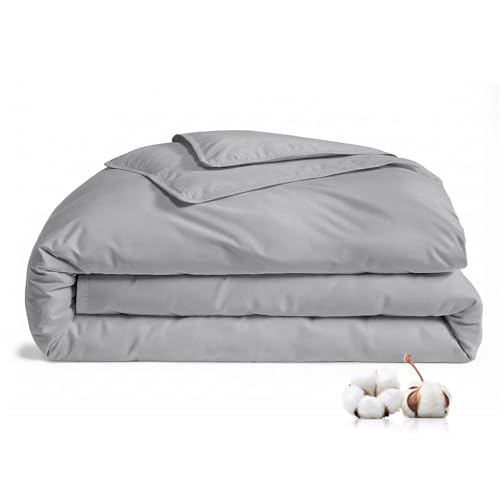
If you wake up congested or itchy, this duvet cover tackles the problem at the source. The tightly woven cotton creates a physical barrier against dust mites (pores smaller than 10 microns), while Microban antimicrobial treatment keeps bacteria from building up between washes. It is the kind of upgrade you notice within a few nights of better breathing and less tossing around.
The hidden zipper design is a small detail that makes a big difference. No more wrestling with buttons or dealing with gaps where allergens sneak in. The cotton feels genuinely soft, not stiff or plasticky like some protective covers, and it breathes well enough that you will not overheat. OEKO-TEX certification means no harsh chemicals touching your skin while you sleep.
If you want cleaner, allergy-friendly bedding without turning your bedroom into a clinical zone, this one delivers.
Styles it works with: Minimalist, Scandinavian, Modern Farmhouse, Coastal
Best placed in: Guest bedroom for allergy-prone visitors, college dorm beds (Twin XL sizing), master bedroom for year-round comfort
May not suit: Households wanting bold patterns or colors (currently only gray available), buyers seeking the absolute lowest-priced duvet cover option, those who prefer decorative button closures as part of the bed aesthetic
Buy it if:
- You or a family member struggles with dust mite allergies or sensitive skin
- You want fresher-smelling bedding without constant washing
- You need Twin XL sizing for a dorm or guest bed
- You prefer functional, clean-lined bedding over decorative designs
Consider waiting if:
- You want to see verified customer reviews before purchasing
- You need a specific color beyond gray to match your room
Skip it if:
- You need a different bed size (only Twin XL available in this listing)
- You are looking for the cheapest duvet cover and do not need antimicrobial or allergen protection
Check the latest price and availability on Amazon before it sells out.

Pros
- Easy-open clips work for people with limited hand strength
- Reduces wrinkles and improves wash quality by keeping fabric separated
- Saves energy by cutting down drying time
- Durable enough to handle repeated wash cycles
Cons
- Not suitable for thick comforters or heavy quilts (requires heavy-duty version)
- No customer reviews yet to verify real-world performance
- May add a few extra seconds to laundry prep time
If you have ever pulled a soaking wet fitted sheet out of the washer only to find it wrapped around itself like a rope, you will immediately understand why this exists. The Umttery Bed Sheet Detangler clips onto the four corners of your bedding before you toss it in the machine, keeping everything spread out instead of tangled. The result is cleaner fabric, fewer wrinkles, and faster drying because air can actually circulate.
The clips are designed to be easy to open and lock, so you do not need a ton of hand strength or patience. Just attach one clip to each corner of your sheet or duvet cover, throw it in the wash, and let the detangler do its job. It works in any washer or dryer and handles hot water and high heat without breaking down.
If you want your bedding to come out of the laundry actually clean and dry without spending 20 minutes untangling it first, this one delivers.
Styles it works with: All home decor styles (this is a laundry room utility product)
Best placed in: Laundry room shelf, linen closet, or stored in washer drawer
May not suit: Households washing super thick comforters or quilts regularly (you would need the heavy-duty version instead)
Buy it if:
- Your sheets always come out of the washer twisted into a knot
- You are tired of damp spots in the center of balled-up bedding after a full dryer cycle
- You wash king or queen size bedding regularly and want to save time and energy
Consider waiting if:
- You want to see verified customer reviews before purchasing (this is a newer product)
Skip it if:
- You only wash lightweight items like pillowcases and hand towels
- You need something designed for heavy comforters (get the heavy-duty version instead)
Check the latest price and availability on Amazon before it sells out.
The GEAR AID down cleaner (4.6) is the one that touches the fill directly, formulated to restore loft rather than strip it. The FAUNNA cotton cover (4.5) and Swiffer duvet kit (4.7) reduce how often the insert needs a wash at all. The umttery sheet detangler carries a lower 4.1 rating, which usually signals unit-to-unit variation, so treat it as optional rather than essential.
Storing a Duvet Between Seasons
Store a duvet loosely in a breathable cotton bag, never compressed for months at a time. Down needs air to hold its structure, and long-term vacuum compression can crush the clusters flat. The PARENCE vacuum bags (5) work for short moves or a tight closet, but release the seal within a few weeks so the loft recovers.
Make sure the insert is fully dry before storage. Sealing away any residual moisture is how mildew and that musty smell take hold in a linen closet. A cool, dry shelf beats a damp basement every time.
Give it a good shake and a 15-minute low-heat tumble when you pull it back out. That refluffs the fill and clears any storage odor. Ready for the bed.
Frequently Asked Questions
Can I put a down duvet in the dryer?
Yes, on low heat below 130°F with wool dryer balls. High heat scorches down and melts polyester fill into clumps. Expect two to three hours and shake it every 30 minutes to redistribute the fill.
Do I need to wash the insert if I use a cover?
No, not often. A cover takes the oils and sweat, so wash the insert only two to three times a year. Launder the cover every one to two weeks instead.
What detergent is safe for a down duvet?
A pH-balanced down wash. Regular detergent and fabric softener coat the clusters and flatten the loft permanently. Use half the normal dose and always run an extra rinse to clear residue.
Why does my duvet smell after washing?
It’s almost always trapped moisture. Down that goes back on the bed slightly damp grows mildew inside the shell within a day. Dry it fully, then run a final no-heat cycle to confirm.
Can I dry-clean a duvet instead?
It depends on the label. Some down inserts are dry-clean only, and washing them voids that instruction. Solvent cleaning is gentler on delicate shells but costs more than a home wash.
How do I stop my duvet from clumping?
Use two to three dryer balls and pull the insert out every 30 minutes to shake it. Clumps form when wet fill sits still against heat, so keep it moving until it’s bone dry.
Is it safe to vacuum-compress a duvet for storage?
Only briefly. Long-term compression crushes down clusters and can flatten the loft for good. Release the vacuum seal within a few weeks and let the insert breathe on a cool, dry shelf.
Bottom Line
The single move that solves this for most people is simple: keep a cover on the insert and wash that weekly, so the duvet itself only needs a cold, gentle wash two or three times a year. Dry it low with wool balls until it’s truly dry, and skip softener on any down fill. If your care label reads dry-clean only, or the shell seams are already splitting, take it to a professional cleaner rather than risk the drum.



Write Your Review
No reviews yet. Be the first to share your experience!