

> Editorial Note: I’m Maya Chen, a bedroom and sleep editor who’s spent 6+ years tracking mattress and bedding durability. This guide draws on CertiPUR-US certification specs and Sleep Foundation research, plus owner reviews aggregated from Wirecutter and Apartment Therapy.
A good duvet cover does the quiet work in your bedroom. It protects the insert you actually paid for, it shifts the whole feel of the bed with one swap, and it’s the piece that takes the most laundry abuse over a year. Pick the wrong fabric and you’ll fight a slippery, bunched-up insert every morning. Pick the right one and you mostly forget it’s there. If you’re still dialing in the rest of your sleep setup, it’s worth reading our notes on the best cooling sheets for hot sleepers, the best high thread count sheets, and the best long staple cotton sheets. Layering matters too, so the best weighted blanket and the best cozy earth bamboo sheet set are useful companions here.
How We Evaluated
We weighted the specs that owners complain about most. Fabric came first: cotton sateen for a smooth, cool hand, washed cotton with a linen feel for texture, and microfiber for budget easy-care. Thread count matters on cotton, where 400 thread count sateen reads soft without going stiff. Closure type decides daily hassle, so we checked button versus zip and how often reviews mention gaps. Interior corner ties keep the insert from sliding into one heavy corner. And care instructions tell you whether a cover survives weekly washing or pills after a season. Ratings reflect aggregated owner reviews, not a lab.


Pros
- Independently awarded by Good Housekeeping in 2025, adding credibility beyond customer reviews
- Cotton sateen weave delivers a subtle sheen and minimal wrinkles, so the bed looks neat without ironing
- Secure corner ties and button closure solve the common problem of comforters shifting inside the cover overnight
- OEKO-TEX certified fabric is safe for sensitive skin and allergy-prone households
- King size (106" x 90") is generously cut to drape well over thicker mattresses
Cons
- Cover only -- no comforter insert included, so first-time buyers need to budget separately for the insert
- White color shows stains more readily than darker options, requiring more frequent washing in households with pets or children
- Sateen weave can snag on rough surfaces or jewelry, requiring slightly more careful handling than a percale alternative
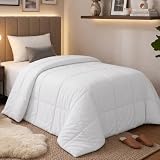
There are a lot of duvet covers on Amazon, but few come with the kind of third-party validation that actually means something. The California Design Den 400 Thread Count Sateen won the Good Housekeeping Best Bedding award in 2025, and once you feel the fabric you understand why. The cotton sateen weave has a gentle, almost luminous sheen that makes a plain white bed look intentional and expensive, not just clean.
In everyday use, the thoughtful details stand out. The internal corner ties genuinely hold the comforter in place through the night and through the wash cycle, which is the one thing most budget duvet covers get wrong. The button closure lies flat so there are no lumps under your duvet, and because the fabric is 100% cotton it breathes naturally, making it a year-round cover rather than a warm-weather-only purchase.
If you want a crisp, hotel-quality bed that stays looking tidy all week without the ironing, this one delivers.
Styles it works with: Minimalist, Scandinavian, Modern Farmhouse, Classic Traditional
Best placed in: Primary bedroom as the main bedding focal point, guest bedroom for a clean and welcoming look, teen or college bedroom where a single crisp white cover doubles as a neutral canvas for accent pillows
May not suit: Maximalist or heavily patterned bedrooms where a solid white cover could disappear visually; households with very young children or pets where a white duvet demands constant laundering
Buy it if:
- You want award-backed quality at a mid-range price and do not want to gamble on an unknown brand
- You sleep hot and need a breathable, all-natural cotton cover that will not trap heat overnight
- You are building a coordinated bedroom set and want a duvet cover that matches the California Design Den sheet line
Consider waiting if:
- You need a specific color beyond white and want to compare the full color range before committing
Skip it if:
- You need a complete bedding set with a comforter insert included, as this listing is a cover only
- You prefer a crisp, matte percale finish over the smooth sateen sheen
Check the latest price and availability on Amazon before it sells out.
BESTOUCH Duvet Cover Set 100% Washed Cotton Linen Feel Soft Lightweight Bedding 3-Piece Cornflower Blue Queen
Pros
- 100% washed cotton provides breathable, skin-friendly comfort suitable for year-round use
- Relaxed, slightly wrinkled texture delivers an authentic linen look at a fraction of the cost
- 8 interior ties plus a hidden zipper keep the duvet securely in place through the night
- Solid cornflower blue colorway is versatile enough to anchor or accent most bedroom palettes
- Available in a wide range of sizes from Twin to Oversized King for flexible bedroom setups
Cons
- Comforter insert is not included, so budget for a separate duvet insert purchase
- The relaxed wrinkled texture is intentional but may disappoint shoppers expecting a crisp, smooth finish
There is something quietly luxurious about climbing into a bed dressed in washed cotton. The BESTOUCH duvet cover has that lived-in softness that high-thread-count percale rarely achieves out of the box. The cornflower blue is neither too bold nor too muted -- it sits in that confident, calming middle ground that photographs beautifully and feels even better in person.
What sets this set apart for everyday living is the thoughtful hardware. Eight interior ties mean the duvet insert stays put even on restless nights, and the hidden metal zipper keeps the bed looking seamless while still being genuinely easy to pull off on laundry day. The envelope pillowcase design adds a clean, tailored finish that looks intentional rather than budget-conscious.
If you want that relaxed linen-look bedroom aesthetic without paying linen prices or dealing with linen upkeep, this one delivers.
Styles it works with: Coastal, Scandinavian, Modern Farmhouse, Minimalist
Best placed in: Primary bedroom as the main bedding anchor, guest bedroom for a welcoming neutral palette, or a teen bedroom seeking a calm, grown-up feel
May not suit: Highly formal or maximalist bedrooms where a polished, wrinkle-free surface is expected; very small rooms where a bold solid color may feel visually heavy without layering lighter accents
Buy it if:
- You love the linen aesthetic but want softer texture and easier machine-wash care
- You are redecorating a bedroom around a coastal, Scandinavian, or minimalist theme and need a versatile anchor piece
- You want a duvet cover that improves in feel over time rather than pilling or fading after a few washes
Consider waiting if:
- You need a color not currently available in your size, as the lineup varies by size option
Skip it if:
- You expect a crisp, smooth, wrinkle-free finish -- the relaxed texture is a core feature, not a flaw
- You need an all-in-one set that includes a comforter insert
Check the latest price and availability on Amazon before it sells out.
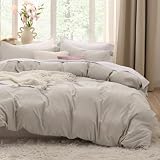
Bedsure Queen Duvet Cover Set 3-Piece Prewashed Microfiber Bedding with Zipper & Corner Ties, Linen
Pros
- Prewashed fabric feels noticeably softer than competing sets at this price point, no break-in period needed.
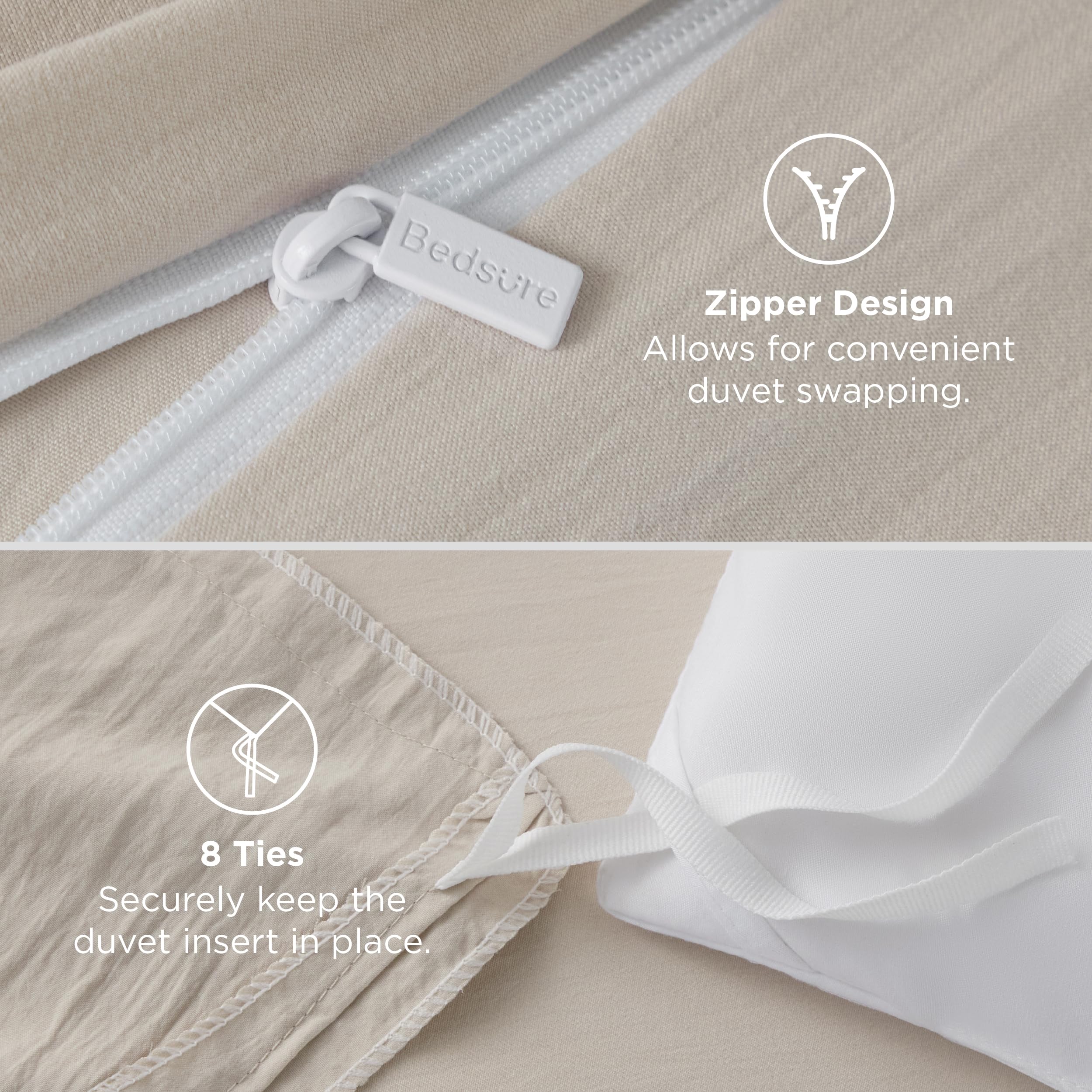
- Zipper closure is smooth, secure, and far more practical than button closures for everyday use.
- Corner ties are sturdy and well-spaced, effectively preventing insert shifting during sleep.
- Solid, natural linen-tone aesthetic pairs easily with a wide range of bedroom decor styles.
- Excellent value: a complete 3-piece set at under $30 is difficult to beat for the quality offered.
Cons
- Comforter insert is not included, which can surprise buyers who assume the set is complete out of the box.
- 100% polyester material may not satisfy shoppers seeking natural fiber bedding like cotton or bamboo.
- Colors can appear slightly different from monitor to monitor, so exact shade matching to existing decor requires caution.
There is something genuinely satisfying about a bedding set that looks expensive but costs less than a dinner out. The Bedsure Queen Duvet Cover nails that balance. The prewashed microfiber has a lived-in softness that most covers only develop after a dozen washes, and the linen-inspired texture gives it a relaxed, organic look that photographs beautifully and feels even better in person.
In a real bedroom, this cover does exactly what you want from bedding: it lays flat, it stays put thanks to the corner ties, and the zipper closure means you can actually make your bed in under two minutes. The solid color options are versatile enough to anchor a neutral room or add a pop of personality, and the breathable weight means you are not sweating through warm nights or shivering through cool ones.
If you want a soft, polished-looking bed on a realistic budget without sacrificing durability, this one delivers.
Styles it works with: Modern Farmhouse, Scandinavian, Minimalist, Coastal Casual
Best placed in: Primary bedroom as the main bedding layer, guest bedroom for a clean and welcoming look, college or apartment bedroom where value and easy care matter most
May not suit: Bedrooms with a formal or maximalist decor scheme where richly textured or patterned bedding is expected; households prioritizing fully natural fiber materials like organic cotton or linen may find the polyester feel a compromise.
Buy it if:
- You want an immediately soft, low-maintenance duvet cover that looks great in a modern or casual bedroom without breaking the budget.
- You already own a comforter insert and just need a fresh, stylish cover that keeps it securely in place through the night.
- You are furnishing a guest room or rental space and need reliable, easy-care bedding that holds up to frequent washing.
Consider waiting if:
- You have a very specific color in mind and want to verify the exact shade in person before committing, as screen colors can vary slightly.
Skip it if:
- You need a complete bedding set with a comforter included, as this set does not come with an insert.
- You exclusively use natural fiber bedding and will not consider polyester microfiber as an alternative.
Check the latest price and availability on Amazon before it sells out.

Bedsure King Duvet Cover Set - 100% Cotton Waffle Weave, Breathable 3-Piece Bedding, 104x90, Linen
Pros
- 100% cotton construction with OEKO-TEX and Good Housekeeping certifications for verified safety
- Waffle texture delivers a designer look at a mid-range price point
- Hidden zipper keeps the comforter locked in place for uninterrupted sleep
- Machine washable and gets softer with repeated laundering
- Comes as a complete set including pillow shams and a storage tote
Cons
- No customer reviews available yet to validate long-term durability or color accuracy
- At $94.99 for king size, it sits above budget cotton options that offer similar weave styles
- Only one color option shown, limiting flexibility for shoppers with bold or non-neutral bedroom palettes
If your bedroom has been feeling a little flat lately, the Bedsure PureWoven Waffle Duvet Cover is the kind of low-effort upgrade that actually makes a visible difference. The waffle texture brings a layered, boutique-hotel quality to your bed without requiring you to buy new furniture or repaint a wall. It reads as elevated but relaxed, the kind of look that photographs well and feels even better in person.
What separates this from a standard cotton duvet cover is the breathability. The open waffle weave allows airflow in a way that standard percale or sateen cannot match, making it genuinely versatile across seasons. In summer it works as a standalone blanket in air-conditioned rooms. In winter it layers beautifully with a duvet insert without feeling overly heavy or stiff.
Day-to-day practicality is where it really earns its place. The pre-washed finish means no stiff break-in period, the zipper keeps everything aligned, and the machine-washable care makes weekly laundering painless. If you want a breathable, stylish duvet cover that improves your sleep setup without demanding extra effort, this one delivers.
Styles it works with: Scandinavian, Modern Farmhouse, Coastal Casual, Minimalist
Best placed in: Primary bedroom as the main bedding set, guest bedroom for a clean and welcoming look, a teen or college-age room needing a grown-up refresh
May not suit: Bedrooms with bold jewel-toned or maximalist decor where a neutral linen tone may feel underwhelming; households that prefer printed or patterned bedding as this is a solid textured weave only
Buy it if:
- You want a breathable, all-season duvet cover that works in both warm and cool months without swapping out your bedding entirely
- You are refreshing a guest room or primary bedroom and want a neutral, texture-forward look that feels curated without the boutique price tag
- You prioritize certified safe materials and want the reassurance of OEKO-TEX and Good Housekeeping backing on fabric that touches your skin nightly
Consider waiting if:
- You need a specific color beyond linen or neutral tones to match an existing bedroom palette
Skip it if:
- You prefer printed or patterned duvet covers and have no interest in a solid textured weave
- You are working with a tight budget and need a functional cover without the waffle weave premium
Check the latest price and availability on Amazon before it sells out.

Pros
- Genuinely breathable 100% linen that sleeps noticeably cooler than cotton or microfiber alternatives
- OEKO-TEX STANDARD 100 certification adds credibility for health-conscious or allergy-sensitive shoppers
- 7-strap internal corner system is a meaningful upgrade over the standard 4-strap designs found on cheaper sets
- Wide 18-color selection makes it versatile enough for most bedroom aesthetics
- 4.6-star rating across nearly 3,000 reviews signals consistent real-world satisfaction
Cons
- Linen wrinkles heavily out of the dryer, which may frustrate buyers who prefer a crisp, smooth look without extra effort
- At $146, it costs more than comparable cotton duvet sets, which may be hard to justify for a guest bedroom
- Stock mix of old (4-strap) and new (7-strap) models means you may not receive the upgraded version
If you have ever slept under a heavy duvet and woken up hot and clammy, the SimpleOpulence French Linen Duvet Cover Set solves that problem in a way most bedding cannot. The 100% flax linen weave is genuinely porous, allowing air to circulate freely so heat escapes instead of building up. It is the kind of difference you notice on the first night.
Beyond comfort, linen brings a relaxed, lived-in texture that looks intentional rather than accidental. The natural pre-washed finish means the fabric arrives already softened, with a subtle crumple that photographs like a high-end hotel room without requiring any styling effort. Paired with the 18 available color options, it is easy to build a cohesive, calm bedroom aesthetic around this cover.
The thoughtful construction details, like hidden button closure, 7 internal corner straps, and spare buttons included in the box, show that this is not a cut-corner product. If you want cool, breathable sleep and a bedroom that looks pulled together without the fuss, this one delivers.
Styles it works with: Modern Farmhouse, Scandinavian, Minimalist, Coastal
Best placed in: Primary bedroom as the main bedding statement, guest bedroom for a clean and welcoming look, or a loft bedroom where texture and natural materials anchor the space
May not suit: Bedrooms styled with very formal or ornate decor where the casual linen wrinkle reads as messy rather than relaxed; households that strongly prefer perfectly smooth, wrinkle-free bedding without ironing
Buy it if:
- You sleep hot and want bedding that actively keeps you cool through the night without a separate cooling topper
- You are redecorating a primary bedroom and want one impactful, high-quality upgrade that photographs well and feels luxurious daily
- You prefer natural, certified materials and want OEKO-TEX assurance that your bedding is free from harmful substances
Consider waiting if:
- You have your eye on a specific color that is currently out of stock, since the wide selection means restocks do happen
Skip it if:
- You strongly dislike wrinkled fabric and will not iron or steam your bedding, as linen texture is unavoidable with this material
- You need a budget-friendly option under $100, as this set is firmly mid-range and a cotton alternative would serve that need better
Check the latest price and availability on Amazon before it sells out.
1. California Design Den — Best Overall 400TC Sateen Cotton
This one earns the top slot on real credentials. It’s a premium 400 thread count sateen cotton cover, and it carries a Good Housekeeping Best Bedding Awards 2025 win, which lines up with its 4.5 owner rating. Sateen cotton at 400 thread count is the sweet spot a lot of bedding editors land on: smooth enough to feel cool against skin, dense enough to drape with real weight, but not so high-count that it turns stiff or traps heat. That’s the balance Good Housekeeping rewards and the reason it’s our pick for most beds.
What you’re paying for here is consistency. Owner reviews lean on the soft hand and the way the sateen holds color through repeated washes, which is where cheaper covers tend to fade or pill. It’s the cover to buy if you want one decision you don’t revisit. Cotton does wrinkle, so expect a relaxed look straight out of the dryer unless you press it. For a daily-use cover that’s built to last, it’s hard to argue against.
2. BESTOUCH — Washed Cotton, Lightweight Linen Feel
If you run warm or just like texture, the BESTOUCH set is the one to look at. It’s a 100% washed cotton cover with a linen feel, sold as a lightweight 3-piece set in cornflower blue, and it holds a 4.4 owner rating. Washed cotton is pre-softened, so it skips the stiff break-in period and arrives with that lived-in, slightly crinkled hand that linen fans chase without the linen price.
The lightweight build is the real differentiator. Where the sateen pick drapes with weight, this one breathes, which makes it a smarter match for hot sleepers or anyone whose bedroom runs warm at night. The 3-piece set means you get the cover plus shams, so the look is coordinated out of the box. The trade-off is that washed cotton wrinkles by design, so if a crisp, pressed bed is your thing, this isn’t it. For relaxed, breathable, and soft on day one, it delivers.
3. Budget Patterned Duvet Cover Set
This is the pick to consider when you want a printed look without spending on a flagship cover. We don’t have full specs captured for it, so treat it as a general budget-patterned option rather than a spec sheet. Here’s what to check before you buy any patterned set in this tier. Confirm the closure type, since button closures hide better under a pattern but take longer to fasten than a zip. Look at whether interior corner ties are listed, because a busy print won’t save you if the insert slides. And read the care label for wash temperature, since prints fade fastest on hot cycles.
4. Neutral Solid-Color Duvet Cover Set
A solid neutral is the safe choice when you change décor often or want the bedding to recede. We don’t have detailed specs for this one, so judge it on the fundamentals rather than any claimed feature. With solids, fabric quality shows more than it does on prints, so check the listed material and weave before buying. Verify the closure runs the full foot of the cover, not a short partial opening that lets the insert peek out. And confirm corner ties are included. Neutral tones forgive a lot, but they won’t hide a poor fit.

5. Microfiber Easy-Care Duvet Cover Set
Microfiber is the budget easy-care lane, and that’s how to frame this pick. We don’t have full product details captured, so here’s the general guidance. Microfiber resists wrinkles and dries fast, which is its main draw for guest rooms or kids’ beds where low fuss wins. It’s also the warmest-sleeping of the common fabrics, so it’s a weaker match if you overheat at night. Check whether the listing specifies brushed microfiber, since that’s softer, and confirm the closure and corner ties as you would on any cover. Easy care, easy price, modest breathability.
Comparison Table
| Pick | Fabric | Closure | Best For | Rating |
|---|---|---|---|---|
| California Design Den | 400TC sateen cotton | Check listing | Best overall, daily use | 4.5 |
| BESTOUCH | Washed cotton, linen feel | Check listing | Hot sleepers, texture | 4.4 |
| Budget patterned set | Check listing | Check listing | Printed look on a budget | Not listed |
| Neutral solid set | Check listing | Check listing | Changing décor, minimalists | Not listed |
| Microfiber set | Microfiber | Check listing | Guest rooms, easy care | Not listed |
How to Choose a Duvet Cover
Start with fabric, because it sets the season. Cotton sateen drapes cool and smooth and suits most beds year-round. Washed cotton and linen breathe best, so they’re the call for summer or warm bedrooms. Microfiber sleeps warmest and resists wrinkles, which makes it a winter or guest-room pick. Closure comes next. Buttons sit flat and look clean but take longer to fasten, while a zip runs faster and closes fully along the foot. Either works; just confirm the opening spans most of the cover so the insert can’t slip out. Sizing should match your insert, not your mattress, and a snug fit beats an oversized cover that bunches. A standard king cover runs about 104×88 inches, a queen about 90×90 inches, and a full/twin steps down from there, so measure your insert before you order. Finally, look for interior corner ties at all four corners. They loop through tabs on the insert and stop it from sliding into one heavy lump. A cover without ties on a big king insert is a daily annoyance you’ll notice fast.
Cotton vs Linen vs Microfiber Duvet Covers
Cotton is the all-rounder. Sateen weaves like the 400 thread count pick feel smooth and cool, while percale runs crisper. It washes well and lasts, though it wrinkles. Linen, and the washed-cotton linen-feel covers that mimic it, breathes the most and softens with every wash, but it carries texture and creases by design. It’s the warm-weather favorite. Microfiber is the budget, low-maintenance option. It’s wrinkle-resistant and quick-drying, which suits busy households, but it traps more heat and tends to pill sooner than natural fibers. If you sleep hot, lean cotton or linen. If you want one cover that just disappears into the routine and costs less, microfiber earns its place.
Frequently Asked Questions
What’s the difference between a duvet and a duvet cover?
A duvet is the insert, the fluffy filled layer that provides warmth. The duvet cover is the removable shell that zips or buttons around it. The cover protects the insert from sweat and stains and lets you wash bedding without laundering the bulky insert itself. Swapping the cover also changes your bed’s whole look in minutes.
How often should I wash a duvet cover?
Most sources suggest washing it every one to two weeks, similar to your sheets, since it touches skin nightly. If you sleep hot or share the bed with pets, lean toward weekly. Follow the care label for temperature, and wash cotton and linen on cooler cycles to slow fading and pilling.
Do duvet covers fit all duvet inserts?
Match the cover to your insert size, not your mattress. A king cover fits a king insert. Sizing runs slightly oversized in some lines, so a small gap is normal, but a big size mismatch leads to bunching. Check the listed dimensions against your insert before buying.
What are corner ties for?
Interior corner ties are loops sewn into each corner of the cover. You knot them to fabric tabs on the insert so it stays anchored and can’t slide into one heavy corner overnight. They’re a small feature that makes a real difference on larger king and queen inserts.
Are button or zip closures better?
It’s mostly preference. Buttons lie flat and look tidy but take longer to fasten. Zips close faster and seal the full foot of the cover so the insert can’t peek out. Either works well; the bigger factor is that the closure spans most of the opening rather than a short partial gap.
Which duvet cover fabric is best for hot sleepers?
Washed cotton and linen breathe the most and shed heat best, which is why hot sleepers tend to prefer them. Cotton sateen runs cool too and feels smoother. Microfiber traps the most heat, so it’s the weakest pick if you overheat at night. The Sleep Foundation notes that breathable natural fibers support cooler, steadier sleep.
Bottom Line
For most beds, the California Design Den 400 thread count sateen cover is the safe call. It’s award-winning, it’s durable through repeated washing, and its 4.5 rating reflects consistent owner satisfaction. If your bedroom runs warm or you like texture, the lightweight BESTOUCH washed-cotton set is the better match. The remaining picks cover budget, neutral, and easy-care needs, so check closure, fit, and corner ties before you buy. Match the fabric to your season and the cover does its job quietly for years.



Write Your Review
No reviews yet. Be the first to share your experience!