

> Editorial Note: I’m Liam Wright, an outdoor and garden editor. I grew up in my family’s landscaping business and now cover what actually survives a season of UV, rain, and freeze-thaw cycles. The picks here are evaluated against ASTM weatherability standards and manufacturer durability ratings.
Most gardeners build their first raised bed 6 inches deep, then wonder why the carrots come out stubby and the tomatoes stall by July. Depth is the spec people underestimate most, and it’s the one that decides what you can actually grow. If you’re kitting out the yard with a best gas fire pit table, a best wood burning fire pit, a best outdoor sofa, or a best patio umbrella, don’t let the best raised garden bed be the piece you get wrong. Here’s how deep it needs to be, crop by crop.
Quick Reference: Raised Bed Depth Chart
Match the bed to the deepest crop you plan to grow. These are working numbers, not guesses.
| Crop Type | Typical Root Depth | Minimum Bed Depth | Notes |
|---|---|---|---|
| Lettuce, spinach, herbs | 4-6 in | 6 in | Shallow feeders |
| Radishes, green onions | 6 in | 6-8 in | Quick turnover |
| Peppers, beans, cucumbers | 8-12 in | 12 in | Mid-depth roots |
| Tomatoes, squash | 12-18 in | 12 in on soil / 18 in on concrete | Roots reach into ground below |
| Carrots, parsnips | 10-12 in | 12 in | Depth keeps roots straight |
| Potatoes | 12-16 in | 16-18 in | Room to hill up |
One number covers most home gardens: 12 inches. It handles roughly 90% of common vegetables when the bed sits on open ground, because roots that need more simply grow past the frame into the soil below.
Leafy Greens and Herbs: How to Measure
Lettuce, spinach, arugula, basil, and most herbs feed in the top 4 to 6 inches of soil. A 6-inch bed grows them fine, but I’d give yourself 8 inches of headroom so the mix can settle and still cover the roots. Measure from where the soil surface will sit, not the top rail. Fill lines drop 1 to 2 inches after the first heavy watering, so build in that buffer.
Here’s the tape-measure method: stand the bed on its final spot, run the tape from the inside bottom to the point where you’ll stop filling, and subtract 2 inches for settling. For a 12-inch frame like most galvanized kits, that leaves 10 inches of working soil. Plenty for greens.
The clearance rule matters more than depth here. Space rows 6 to 8 inches apart and keep the bed no wider than 4 feet so you can reach the center without stepping in. A quick formula: usable planting depth = frame height minus 2 inches of settling minus any drainage layer. Get that number above 6 and your greens won’t notice they’re in a shallow bed.
Root Vegetables: How to Measure
Carrots, parsnips, beets, and potatoes are where shallow beds fail. A full-size carrot pushes its taproot 10 to 12 inches down; hit a hard bottom before that and you get the forked, stubby roots people blame on bad seed. Give root crops 12 inches minimum, and 16 to 18 inches if you’re growing russet potatoes or long Imperator carrots.
To measure, add the mature root length to a 2-inch settling buffer, then a 2-inch cushion below the deepest root. So a 12-inch carrot wants a 12-inch bed at the very least, and it’s happier at 14. Potatoes need extra because you hill soil up around the stems as they grow. Budget 4 to 6 inches above the seed potato for that.
If your bed sits on open ground, you get a break. Roots that reach the frame bottom keep going into the native soil, so a 12-inch bed on dirt performs like a deeper one. Loosen the ground under the bed with a fork before filling. That single step turns a 12-inch frame into an 18-inch root run.
Beds on Concrete, Decks, or Patios: How to Measure
Set a bed on concrete, pavers, or a deck and the rules change. There’s no native soil to borrow, so whatever depth you build is all the root run your plants get. For a patio bed, I treat the crop’s full root depth as a hard minimum, not a target you can undercut.
Greens still work at 8 inches on a hard surface. Tomatoes, peppers, and squash want the full 12 inches, and root crops climb to 16 to 18. Measure the deepest crop you plan to grow, then match the frame to it with no discount for ground below, because there isn’t any.
Drainage is the other half. A bed on concrete can’t drain into the earth, so add a 1 to 2-inch gravel layer or drill extra holes so water clears within an hour of a soak. Galvanized steel beds vetted against ASTM weatherability standards resist the constant moisture better than untreated wood, which is why most patio kits ship in galvanized metal. Check that the frame has open or perforated bottoms before you buy.
How Much Soil to Buy: The Volume Formula
Depth decides how much soil you’ll haul, and underestimating it is the second-most common mistake after building too shallow. The formula is length x width x depth, all in feet, which gives you cubic feet. A 4x2x1 ft bed needs 8 cubic feet, a 7x3x1 ft bed needs 21, and an 8x4x1 ft bed needs 32.
Bagged raised-bed mix usually comes in 1.5 or 2 cubic-foot bags, so divide your total by the bag size. That 8-cubic-foot bed takes four 2-cubic-foot bags. Buy 10% extra for settling, because the mix compresses after the first month and you’ll want to top it off.
For anything over 15 cubic feet, bulk soil by the cubic yard gets cheaper fast. One cubic yard is 27 cubic feet, enough to fill a 7x3x1 ft bed with room to spare. Wirecutter’s garden coverage makes the same call: buy in bulk once you’re past a couple of beds.
Do the math before you shop. It’s cheaper than a second trip.
Our Depth-Matched Picks
All three kits below run 12 inches deep, the versatile depth that covers most vegetables on open ground, and each clears a 4.2 owner rating on galvanized steel built to ASTM corrosion standards. They differ by footprint, not depth, so pick by how much ground you’re planting. Start with the GADI 2-pack for a balcony or a first bed, size up to the Easllre for a mid-size plot, and go LandGuard if you’re filling a full garden with deep-rooted crops.


Pros
- Excellent value with two beds included at under $30 total
- Galvanized steel finish resists corrosion in all weather conditions
- Open bottom prevents root rot while maintaining soil and nutrients
- Easy assembly with included hardware and clear instructions
- Lead-free coating makes it safe for growing vegetables and herbs
Cons
- Only 0.9 feet tall, which limits root depth for larger vegetables like tomatoes
- No customer reviews yet to validate long-term durability claims
- May require additional anchoring in windy locations due to lightweight construction
This GADI raised garden bed set removes the intimidation factor from starting your first vegetable or herb garden. You get two sturdy galvanized steel planters that snap together in minutes, no prior gardening experience required. The open-bottom design is smarter than it looks: it prevents the soggy soil issues that kill plants in sealed containers, while still keeping your carefully chosen potting mix where it belongs.
At 4x2 feet each, these beds fit beautifully on apartment balconies, condo patios, or tucked into a sunny corner of your yard. The galvanized finish has that modern farmhouse look that works whether your outdoor space leans rustic or contemporary. They are low profile at just under a foot tall, which means less bending for planting and harvesting, though you will want to stick with shallow-rooted crops like lettuce, herbs, radishes, and strawberries.
If you want to grow fresh herbs and vegetables without committing to a full garden overhaul, this two-pack delivers practical function at a price that does not hurt if you decide gardening is not your thing.
Styles it works with: Modern Farmhouse, Industrial, Minimalist, Cottage Garden
Best placed in: Sunny patio corners, balcony railings (with secure placement), backyard vegetable garden sections, alongside garage or shed walls
May not suit: Shaded yards with less than 6 hours of sun (most vegetables need full sun), homes wanting deep-root crops like tomatoes or peppers (needs taller beds), renters who cannot make any ground contact (check lease terms for balcony planters)
Buy it if:
- You are starting your first vegetable or herb garden and want a low-risk, affordable entry point
- You have a small outdoor space like a balcony or patio and need compact raised beds
- You want to grow shallow-rooted plants like lettuce, herbs, radishes, or strawberries
- You prefer simple assembly projects that do not require power tools or expertise
Consider waiting if:
- You want to see verified customer reviews before purchasing (this is a newer product listing)
- You need a specific color option beyond galvanized steel finish
Skip it if:
- You plan to grow deep-rooted vegetables like tomatoes, peppers, or carrots (you need beds at least 18 inches deep)
- You live in an extremely windy area and cannot anchor lightweight planters securely
Check the latest price and availability on Amazon before it sells out.
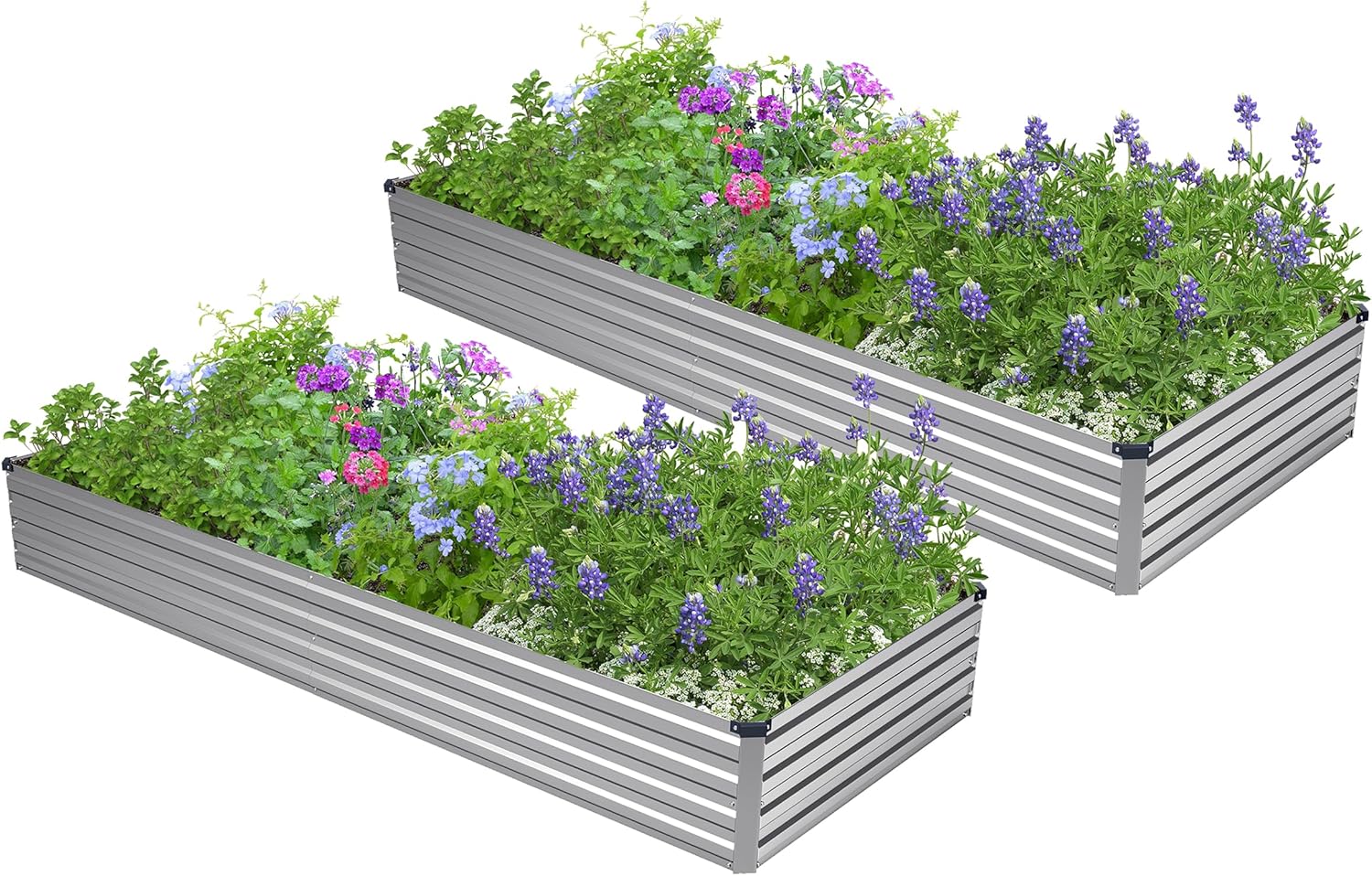
Easllre 2-Pack Galvanized Raised Garden Bed 7x3x1ft - Metal Planter Box for Vegetables, Herbs & Flowers
Pros
- Two beds included for the price, excellent value compared to single-unit options
- Galvanized steel won't rot, warp, or require seasonal staining like wood
- Generous 7x3ft size per bed provides ample growing space for multiple crop types
- Open base design promotes healthy drainage and root development
- Rounded corner protectors and smooth edges reduce injury risk during gardening
Cons
- No customer reviews yet to verify long-term durability and ease of assembly claims
- Metal can heat up significantly in direct summer sun, potentially affecting soil temperature
- Silver galvanized finish may not suit all garden aesthetics compared to natural wood or painted options
If you have been putting off starting a vegetable garden because raised beds felt too expensive or too much maintenance, this two-pack changes the math. You get two generous 7x3ft beds for less than what most single cedar beds cost, and the galvanized steel means you will not be rebuilding rotted frames in three years.
The 12-inch depth is the sweet spot for most home gardens. It is deep enough for tomatoes, peppers, root vegetables, and sprawling herb gardens, but not so deep that you are buying truckloads of soil to fill them. The open bottom lets roots go deeper if they want, while the metal sides keep your beds tidy and prevent grass from creeping in.
If you want two durable, spacious raised beds that you can set up in an afternoon without spending a weekend building from scratch, this one delivers.
Styles it works with: Modern Farmhouse, Industrial, Contemporary, Minimalist Garden Design
Best placed in: Sunny backyard garden areas, side yard vegetable plots, patio edges with at least 6 hours of sunlight, driveway or garage proximity for easy soil delivery
May not suit: Small urban balconies or patios under 100 square feet, shaded yards with less than 4 hours of direct sun, decorative front yards where the industrial metal look clashes with traditional landscaping
Buy it if:
- You want to start or expand a vegetable garden without the cost and maintenance of wooden raised beds
- You need two beds and appreciate getting both in one shipment at this price point
- You prefer low-maintenance materials that handle weather extremes without rotting or warping
- You have full-sun space and want beds deep enough for a wide variety of vegetables and herbs
Consider waiting if:
- You want to see verified customer reviews and assembly experiences before committing
- You prefer the natural look of wood or painted finishes over galvanized metal
Skip it if:
- You need beds shorter than 7 feet or narrower than 3 feet to fit your available space
- Your garden area is primarily shaded and better suited for shade-tolerant container plants
- You are concerned about metal heating in extreme summer climates and affecting heat-sensitive plants
Check the latest price and availability on Amazon before it sells out.

Land Guard 3-Pack Galvanized Metal Raised Garden Bed 8x4x1ft - Deep Root Planter Box for Vegetables & Flowers
Pros
- Excellent value with three beds included at this price point
- 12-inch depth supports most common garden vegetables and herbs
- Reinforced construction with stability rods prevents common warping issues
- Open bottom design improves drainage and soil health
- Simple assembly process with all hardware included
Cons
- No customer reviews yet to verify long-term durability claims
- Galvanized finish may show scratches or wear faster than powder-coated alternatives
- Single depth option limits flexibility for plants with varying root requirements
This three-pack solves the biggest barrier to starting a real vegetable garden: cost. Most quality raised beds run $60-80 each, but Land Guard gives you three for the price of one premium bed. The 12-inch depth is the sweet spot for tomatoes, peppers, and root vegetables, while the reinforced frame design addresses the biggest complaint with budget metal beds (warping after one season of soil weight).
The open bottom is smarter than it looks. It lets excess water drain naturally, prevents that swampy soil smell, and allows beneficial earthworms to move in and aerate your soil. The galvanized steel will weather to a nice patina outdoors, blending into a garden setting better than shiny new metal.
If you want to start a productive vegetable garden without spending $200+ on raised beds, this three-pack delivers the space and structure you need.
Styles it works with: Modern Farmhouse, Cottage Garden, Urban Homestead, Industrial Outdoor
Best placed in: Backyard vegetable garden, sunny side yard, patio garden area, community garden plot
May not suit: Small apartment balconies (beds are 8 feet long), formal decorative gardens where rustic metal would clash, renters who cannot install permanent garden structures
Buy it if:
- You are starting or expanding a vegetable garden and need multiple beds quickly
- You grow deep-rooted crops like tomatoes, potatoes, carrots, or broccoli
- You want metal beds but cannot justify $60+ per individual bed
- You have pets or ground pests that damage ground-level plantings
Consider waiting if:
- You need powder-coated color options to match existing garden decor
- You want verified customer reviews before committing to a new product
Skip it if:
- You need beds shorter than 8 feet to fit your available space
- You require multiple depth options for companion planting strategies
- You need a single high-end bed rather than three budget-friendly options
Check the latest price and availability on Amazon before it sells out.
The 12-Inch Standard for Most Home Gardens (GADI 4x2x1ft Metal Raised Bed, 2-Pack)
The GADI kit gives you two 4x2x1 ft beds, and that 12-inch depth is the number I’d hand a first-time grower without hesitation. Eight square feet per bed fits greens, herbs, peppers, and even carrots when it sits on open soil. At 4 feet long and 2 feet wide, you can reach the center from either side without stepping in and compacting the mix.
The galvanized panels resist the rust that kills cheaper steel, which is why it holds a 4.5 rating, the highest in this group. Two beds let you split shallow and deep crops or rotate between them each season. The right starting size for most patios and small yards.
More Planting Area at the Same Depth (Easllre 7x3x1ft Galvanized Raised Bed, 2-Pack)
The Easllre 2-pack keeps the same 12-inch depth but stretches each bed to 7×3 feet, or 21 square feet of planting area. That’s the jump to make when a 4×2 bed fills up faster than you expected. The extra width holds three or four rows instead of two, so a single bed can carry a full salad garden plus a tomato or two.
At 3 feet wide, it’s still narrow enough to reach the middle from both sides, though barely for shorter arms. The galvanized steel earns a 4.4 rating and shrugs off the freeze-thaw cycles that warp wood. Best for a mid-size vegetable plot where you want volume without going deeper than 12 inches.

Maximum Soil Volume for Deep-Rooted Crops (LandGuard 8x4x1ft Metal Raised Bed, 3-Pack)
The LandGuard 3-pack is the volume play: three 8x4x1 ft beds, 32 cubic feet of soil each. That footprint gives deep-rooted crops like potatoes and long carrots the widest run on open ground, and three beds let you rotate nightshades, roots, and greens on a proper schedule. It’s rated 4.2, a touch below the others, mostly on assembly feedback rather than durability.
Four feet wide is the practical maximum. Any wider and you can’t reach the center, so measure your access before you commit. If you’re building out a full garden and want deep-rooted vegetables to have room below, this is the kit that scales.
Frequently Asked Questions
Is 6 inches deep enough for a raised garden bed?
No, not for most vegetables. Six inches grows lettuce, spinach, radishes, and herbs, but carrots, tomatoes, and potatoes need at least 12 inches. Go with 6 inches only if you’re growing shallow-rooted greens exclusively.
Do tomatoes need a bed deeper than 12 inches?
It depends on what’s underneath. On open soil, 12 inches works because roots push past the frame into the ground; on concrete or a deck, give tomatoes the full 18 inches they’ll reach.
Can carrots grow in a 12-inch raised bed?
Yes. Most full-size carrots root 10 to 12 inches down, so a 12-inch bed handles them, and shorter Nantes or Chantenay types thrive in as little as 8 inches.
Is one bag of soil enough to fill a 4x2x1 ft bed?
No. That bed holds 8 cubic feet, so you’ll need about four 2-cubic-foot bags, plus 10% extra for settling after the first month.
Should a bed on a deck be deeper than one on soil?
Yes. With no ground to root into, a deck or patio bed needs the full 12 to 18 inches your crops require, plus a 1 to 2-inch drainage layer so water clears.
Bottom Line
Twelve inches is the depth most gardeners should build, and on open soil it handles roughly 90% of vegetables because roots run past the frame into the ground below. Drop to 6 inches only for a greens-and-herbs bed, and climb to 18 inches for potatoes or a bed on concrete with no soil to borrow. The GADI 4x2x1 ft 2-pack is the right first buy for most yards; size up to the LandGuard 8×4 kit if you’re growing deep-rooted crops at scale. Measure your roots before your frame.





Write Your Review
No reviews yet. Be the first to share your experience!