

> Editorial Note: I’m Lauren Ro, and I write furniture buying guides. The picks here are judged on the specs that predict how a piece ages — frame joinery, foam density, and load ratings — checked against BIFMA and FSC certifications plus aggregated owner reports.
The most common mistake isn’t picking the wrong sealer. It’s sealing a floor that already carries a factory finish, or walking on a coat before it cured. Before you open a can, know what your floor is: solid boards, engineered planks, and laminate each want a different approach, which is why how to clean engineered wood floors and how to clean hardwood floors treat them separately.
If the surface only needs upkeep rather than a fresh seal, start with how to protect hardwood floors. A floor that squeaks has a fastener problem, not a finish problem, so check why does my wood floor squeak before you reach for a can. The penetrating oils below also refresh a butcher block, a job covered in how to protect a wood table top, and the raw-versus-manufactured question runs through mdf vs solid wood furniture.
Do You Need to Seal Your Wood Floor at All?
Often, no. Most factory-finished engineered and prefinished solid floors ship with a cured urethane layer that already repels water, so adding a sealer on top can leave a sticky film that never bonds. Sealing makes sense in three cases: raw or newly sanded solid wood, an unfinished floor, or bare wood in a high-moisture zone.
The quick check is a water-drop check. Drop a few beads on the boards and wait 10 minutes. If they bead and sit, the floor is already protected; if they soak in and darken the wood, the surface is porous and a sealer will help. Species matters too: dense woods like teak and oak absorb finish slowly, so they need thinner coats and more patience than a soft pine.
Which Type of Sealer Should You Use?
Match the sealer to the wood, not the price. There are three families. Penetrating oils (tung and teak oil) soak into the grain, leave a low matte look, and are easy to spot-repair, but they need reapplication more often. Surface finishes like polyurethane sit on top as a hard film and take heavy foot traffic best, though a worn spot means recoating the whole board.
Water-repellent silane or siloxane sealers drive into the pores and block liquid water without building a film, which suits bare or outdoor-adjacent wood. Interior traffic floors usually want a surface finish for wear; bare, porous, or damp-prone wood usually wants a penetrating or water-repellent type. Whatever you choose, buy FSC-certified stock when you can so the raw material is traceable.
How Do You Prep the Floor Before Sealing?
Clean and dry come before everything, because sealer traps whatever is under it. Vacuum, then damp-mop with a pH-neutral cleaner and let the floor dry fully. Raw or previously oiled wood needs a light sanding to open the grain: work up through the grits and finish around 120-grit, then vacuum the dust twice. Any glossy old finish has to come off or be scuffed, or the new coat won’t bond.
Check moisture before you start. ASTM moisture-measurement methods for wood flooring call for the substrate to read within a stable range, and a cheap pin meter reading under about 12% is the practical target for most interior species. Skip this step and you seal moisture inside the board, where it later cups the planks.
How Do You Apply Sealer Evenly?
Thin coats, always with the grain, and never overwork a wet edge. For penetrating oils, flood a small area, let it soak for the time on the label, then wipe the excess so nothing stays pooled on the surface. Pooled oil stays tacky for days.
For surface finishes, cut in the edges with a brush, then pull a coat across the field with a microfiber pad or a lambswool applicator, keeping a wet edge so laps don’t show. Most floors want 2 to 3 coats. Work from the far corner toward the door so you never paint yourself in. Apartment Therapy makes the same point interior editors repeat: the fastest way to ruin a finish is to rush the second coat.
How Long Should Each Coat Dry and Cure?
Longer than the can implies. Dry-to-touch and fully cured are different milestones. A water-based finish is often walkable in a few hours and ready for a light second coat the same day, while an oil-based coat can want 24 hours between coats.
Curing is the slow part: the film keeps hardening for days after it feels dry, and many floor finishes reach full cure closer to 21 to 30 days. Keep the room between roughly 30% and 50% relative humidity while it cures, since damp air stalls the chemistry. Practical rule: sock feet after a day, no rugs or furniture pads for a week, and no heavy furniture drag until the month is up.
How Do You Maintain and Reseal a Sealed Floor?
Reseal on a schedule, not after the damage shows. Penetrating-oil floors want a maintenance coat roughly once or twice a year in busy rooms, because the oil wears thin at doorways and pivot points first. A silane or siloxane water-repellent usually holds for a few years before the water-bead check fails.
Surface finishes last longest but recoat as a system: when the sheen dulls in traffic lanes, screen and recoat before you wear through to bare wood. The tell is that water-drop check again. When drops soak in instead of beading, it’s time. Between reseals, wipe spills fast and keep grit off the floor, since sand acts like sandpaper underfoot.
What You’ll Need
These five picks span the three sealer families so you can match one to your wood rather than force one product onto every job. They’re ordered by owner rating, and two share a brand with a real difference between them.
Pros
- Dries completely clear to preserve natural wood grain and color
- Versatile formula works on wood, brick, concrete, and masonry
- Water-based formula allows easy cleanup with soap and water
- Strong 4.9/5 rating indicates high customer satisfaction
- Affordable price point under $20 for gallon coverage
Cons
- May require reapplication every 1-2 years depending on weather exposure
- Coverage rate varies significantly based on surface porosity
- No UV protection mentioned, so wood may still gray over time
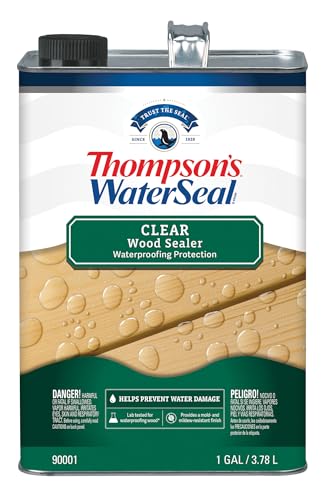
Thompson's WaterSeal has been the go-to choice for protecting outdoor wood for good reason. This clear sealer does exactly what it promises: it keeps water out while letting your deck, fence, or furniture keep its natural look. No weird sheen, no color change, just invisible protection against the elements.
What makes this especially appealing for home decor enthusiasts is its versatility. You can use it on that vintage wooden planter box you just scored at the flea market, seal your DIY pallet furniture project, or refresh the cedar privacy fence that frames your backyard oasis. The fact that it works on brick and concrete too means you can protect your entire outdoor living space with one product.
If you want reliable waterproofing that preserves the organic beauty of natural materials without the commitment of stain or paint, this one delivers.
Styles it works with: Rustic Farmhouse, Modern Organic, Coastal Cottage, Natural Scandinavian
Best placed in: Outdoor deck and patio areas, garden sheds and storage, wooden porch furniture and planters, brick or concrete walkways leading to entryways
May not suit: Indoor applications or spaces without proper ventilation during application, projects where you want to add color or change the wood tone, surfaces that need heavy-duty commercial-grade protection in extreme climates
Buy it if:
- You have outdoor wood furniture, decks, or fences that need protection from rain and moisture
- You want to preserve the natural color and grain of your wood without staining it
- You are working on a DIY outdoor project using reclaimed or new wood that needs sealing
Consider waiting if:
- You need a larger quantity for a big deck project and want to watch for bulk discounts
Skip it if:
- You want UV protection to prevent wood from graying (you will need a different product with UV inhibitors)
- You need a one-time application that lasts 5+ years without maintenance
Check the latest price and availability on Amazon before it sells out.

Nordicare Teak Oil for Outdoor Furniture (84.5 oz) - Waterproof Wood Sealer for Teak, Oak & Acacia
Pros
- Generous 84.5 oz size provides excellent coverage for multiple furniture pieces
- Enhances natural wood grain without creating a plastic-looking finish
- Danish craftsmanship with 100+ years of wood care expertise
- Non-toxic formula is safe for outdoor spaces where kids and pets play
- Simple application process requires no special tools or skills
Cons
- Requires reapplication every season for best protection in harsh climates
- Takes 24 hours to fully dry, so furniture cannot be used immediately
- Very absorbent wood may need multiple coats, using more product than expected
If your teak patio chairs or acacia dining table have turned gray and weathered, this oil brings them back to life. It soaks deep into the wood fibers, restoring that warm honey tone and protecting against future damage. Unlike cheaper sealers that sit on top and peel, this one penetrates naturally.
The formula comes from Denmark, where they have been making wood care products for over a century. It goes on smoothly with a regular paintbrush or cloth, no special equipment needed. You will see the difference after one coat, but the real magic happens when you apply a second layer on older, thirsty wood. The finish looks like natural wood, not plastic or overly glossy.
If you want outdoor furniture that looks cared for without spending hours on maintenance, this one delivers.
Styles it works with: Coastal, Modern Farmhouse, Scandinavian, Natural Organic
Best placed in: Patios with teak or hardwood furniture sets, balconies with wooden planters or benches, poolside loungers and side tables
May not suit: Indoor furniture (this is formulated for outdoor use), softwoods like pine that may over-absorb and darken too much, furniture that needs immediate daily use since it requires 24-hour drying time
Buy it if:
- Your teak or hardwood outdoor furniture has faded to gray and needs restoration
- You want a natural-looking finish that enhances wood grain instead of covering it
- You prefer eco-friendly, non-toxic products for spaces where your family spends time
Consider waiting if:
- You need the furniture ready in less than 24 hours for an event
Skip it if:
- You have painted or laminated furniture (this is for natural wood only)
- You want a one-time treatment that lasts years without reapplication
Check the latest price and availability on Amazon before it sells out.

Pros
- 100% pure tung oil with food-safe certification for peace of mind on kitchen surfaces
- Deep penetration creates lasting protection that becomes integrated with the wood
- Bulk size offers significant cost savings compared to smaller bottles
- Works on a wide range of materials including wood, concrete, brick, and stone
- Natural product that's environmentally friendly with minimal odor
Cons
- Large 256 oz volume may be excessive for occasional hobbyists or single small projects
- Requires multiple coats and proper drying time between applications for best results
- No customer reviews yet to verify long-term durability and performance claims
If you're serious about protecting wood surfaces in your home, especially those that touch food, this pure tung oil delivers professional results without the toxic chemicals found in many commercial finishes. It soaks deep into the wood fibers rather than sitting on top like varnish, which means it won't peel or flake over time. The result is wood that looks naturally enhanced with a soft sheen, not plastic-coated.
What makes this particularly smart for home use is its versatility. Treat your cutting boards and butcher block in the kitchen, then use the same bottle for your outdoor deck furniture or that reclaimed wood accent wall in your dining room. The waterproof barrier it creates means you can wipe down surfaces without worry, and because it's food-safe once cured, there's no anxiety about what's touching your family's meals.
If you want lasting wood protection that looks natural and works on everything from countertops to patio furniture without introducing harsh chemicals into your home, this one delivers.
Styles it works with: Modern Farmhouse, Scandinavian, Rustic Industrial, Natural Minimalist
Best placed in: Kitchen for cutting boards and butcher blocks, dining room for wood tables and chairs, outdoor spaces for deck furniture and railings, home workshop for woodworking projects
May not suit: Renters who can't treat built-in wood features, households looking for quick one-coat solutions without patience for proper curing time, those who prefer high-gloss finishes over natural matte sheens
Buy it if:
- You have multiple wood surfaces to treat, like cutting boards, countertops, and outdoor furniture
- You want food-safe protection without toxic chemicals for kitchen surfaces
- You're maintaining a large deck or multiple pieces of wooden furniture regularly
- You prefer natural finishes that enhance wood grain rather than cover it
Consider waiting if:
- You only have one small project and would be fine with a smaller bottle size
- You need to see verified customer reviews before committing to this brand
Skip it if:
- You need a fast-drying finish for a project with a tight deadline
- You prefer a high-gloss, polyurethane-style coating over natural oil finishes
- You're looking for something already tinted or colored rather than clear protection
Check the latest price and availability on Amazon before it sells out.

Pros
- Long-lasting protection up to 5 years reduces maintenance frequency
- Natural finish preserves authentic wood appearance
- Low-odor, VOC-free formula is safe around family and pets
- Quick 1-hour dry time minimizes project downtime
- Made in USA with proven silane/siloxane technology
Cons
- Requires reapplication every 5 years for continued protection
- May need two flood coats for optimal results on porous wood
- Natural finish means wood will still gray over time
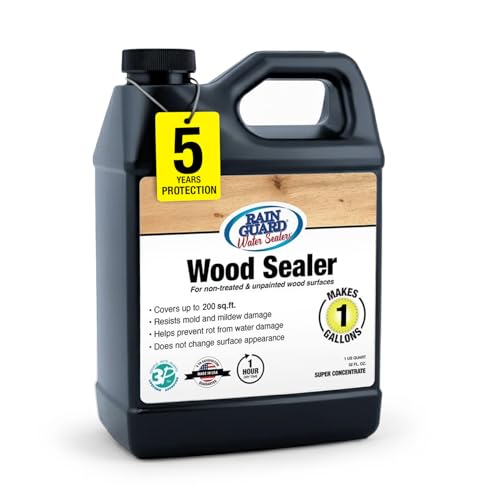
This sealer does exactly what most homeowners need: it protects wood without changing how it looks. Unlike glossy finishes that trap moisture or tinted sealers that alter the grain, Rainguard absorbs into the surface and creates an invisible barrier against water, rot, and weathering. Your deck or fence keeps its natural character while gaining serious protection.
The formula is thoughtfully designed for real-world use. It dries in an hour, cleans up with soap and water, and has no harsh fumes, so you can apply it without clearing out the house or waiting days to use your outdoor space again. The silane/siloxane blend is the same chemistry professionals use, but in a DIY-friendly water-based version that covers 200 square feet per gallon.
If you want reliable wood protection without altering the natural look or dealing with toxic chemicals, this one delivers.
Styles it works with: Rustic, Modern Farmhouse, Cabin, Natural/Organic, Coastal
Best placed in: Outdoor decks, patio furniture, wood fences, front porch railings, garden structures, indoor wood floors in moisture-prone areas
May not suit: Projects requiring a glossy or colored finish, wood that has already been painted or sealed with film-forming products, homeowners wanting to prevent natural graying of wood
Buy it if:
- You need to protect outdoor wood surfaces from water damage and rot
- You prefer the natural look of wood without glossy or tinted finishes
- You want a low-odor, non-toxic sealer safe for use around family and pets
- You value a quick-drying formula that makes reapplication manageable
Consider waiting if:
- You need a sealer with UV blockers to prevent wood from graying
- You are looking for a colored or semi-transparent stain option
Skip it if:
- Your wood is already painted or has a film-forming sealer that would block penetration
- You need immediate protection in freezing weather below 40 degrees F
Check the latest price and availability on Amazon before it sells out.
Pros
- Affordable concentrate formula stretches your budget further
- Clear finish preserves the wood's natural grain and color
- Easy spray application with no complicated mixing required
- Eco-friendly and non-toxic water-based formula
- Protects against multiple weather threats in one product
Cons
- No customer reviews yet to verify real-world performance claims
- Requires two coats for full protection, doubling application time
- May need reapplication depending on exposure and climate conditions
If you have a deck, fence, or outdoor furniture that looks great but won't survive another harsh season, this sealer offers real protection without the plastic-coated look. The formula sinks deep into the wood fibers and creates an invisible shield against rain, snow, and UV rays while keeping the natural grain visible.
What sets this apart is how it actually works. The Micro-Lok technology bonds at a molecular level instead of sitting on top like paint or varnish. That means no peeling, no yellowing, and no weird shiny coating that screams "sealed." Your wood just looks like wood, but it sheds water like a raincoat.
If you want professional-grade weather protection without hiring a contractor or dealing with harsh chemicals, this one delivers.
Styles it works with: Rustic, Modern Farmhouse, Coastal, Natural/Organic
Best placed in: Backyard decks, front porch railings, patio furniture, garden fences, outdoor wood planters
May not suit: Indoor wood floors or furniture (designed specifically for outdoor exposure), pre-treated or painted wood surfaces, projects requiring a glossy or tinted finish
Buy it if:
- You have a deck or fence showing early signs of weather damage and want to stop it before costly repairs
- You prefer the natural look of wood over stained or painted finishes
- You want a DIY-friendly solution that doesn't require professional equipment or skills
- You have pets or kids and need a non-toxic outdoor wood treatment
Consider waiting if:
- You need to see verified customer feedback before committing to a new product
- Your wood surfaces need stain or color enhancement, not just clear protection
Skip it if:
- Your wood is already painted, stained, or pre-treated (this only works on bare, unpainted wood)
- You need indoor flooring protection (this is formulated for outdoor exposure only)
Check the latest price and availability on Amazon before it sells out.
Thompson’s WaterSeal Clear Wood Sealer leads the group at a 4.7 rating and reads as a clear, general-purpose sealer sold by the gallon. The Nordicare Teak Oil sits at 4.5 and is the specialist here: its title names teak, acacia, and oak, so it fits dense hardwoods and weathered wood rather than a big interior field. Garifon’s Pure Tung Oil, also 4.5, is a food-grade penetrating oil in a large 256-ounce size, which suits anyone oiling a lot of raw wood or a butcher-block surface.
The two Rain Guard options rate 4.3 each and split on format. The Rainguard Penetrating Wood Sealer is ready to use straight from its gallon jug, while the SP-8001 is a water-based silane/siloxane concentrate that you dilute to make a gallon, cheaper to ship but a step slower to prep. Pick the ready-to-use jug for a one-off job and the concentrate if you’re covering more square footage.
Frequently Asked Questions
Do I need to seal a prefinished or engineered floor?
No, in almost every case. Prefinished and most engineered floors already carry a cured factory topcoat, so a fresh sealer can’t bond and leaves a haze. Reseal only bare, sanded, or unfinished wood.
Penetrating oil or surface polyurethane, which lasts longer?
It depends on traffic. Surface finishes take heavy foot traffic longer before wearing through, while penetrating oils wear sooner but let you spot-repair one worn patch instead of recoating the whole floor.
How many coats of sealer does a wood floor need?
Usually 2 to 3 thin coats. Thin, even coats with the grain bond and cure better than one heavy pass, which stays tacky and shows laps. Wipe any pooled oil off the surface.
How long before I can walk on a sealed floor?
It depends on the sealer. Water-based finishes are often sock-foot walkable in a few hours; oil-based coats can want 24 hours. Full cure runs closer to 21 to 30 days before heavy furniture.
Can I seal wood floors myself?
Yes, most sealing is a doable DIY job. Prep, moisture reading, and patience between coats matter more than skill. A full sand-and-refinish with a drum sander is the part worth hiring out.
How often should I reseal?
It depends on the type. Oil floors want a maintenance coat once or twice a year in busy rooms; water-repellent sealers hold a few years. Recoat a surface finish when the sheen dulls in traffic lanes.
Will sealer stop my floor from squeaking?
No. Squeaks come from loose fasteners or subfloor movement, not the finish. A sealer changes the surface, not the structure, so a squeak needs a fastener fix from below instead.
Bottom Line
For most people the fix isn’t a product, it’s the check first: drop water on the boards, and only seal if it soaks in. Bare or freshly sanded solid wood wants a penetrating oil or a water-repellent silane sealer; a busy interior floor wants a surface finish for wear. Clean, dry to under about 12% moisture, apply thin coats with the grain, and respect the cure. If the floor needs a full drum-sand back to raw wood, that’s the job to hand a pro.


Write Your Review
No reviews yet. Be the first to share your experience!