

> Editorial Note: I’m Hannah Lin, an Interior Living Researcher who’s spent 9+ years analyzing the home furniture market. This guide draws on BIFMA, GREENGUARD, and FSC certifications, plus owner reviews aggregated from Wirecutter, Apartment Therapy, and the major home design subreddits.
That dip in the middle of your sofa didn’t show up overnight, and it’s rarely just one thing going wrong. A sagging couch usually points to tired foam, stretched springs, or a frame that’s loosened at the joints. Before you shop for a replacement, it helps to know which part is failing and whether a cheap fix can buy you a few more years. For more on living room picks, see best sleeper sofa, best loveseat, how to fix peeling leather couch, best sectional sofa under 1000, and best chaise lounge indoor.
Reason 1: Worn-Out Foam Cushions
Foam is almost always the first culprit. Most sofa cushions use polyurethane foam, and that foam is rated by density, measured in pounds per cubic foot. Budget couches often ship with foam around 1.8 lb density, which feels fine for a year or two and then collapses. Higher-quality seating uses 2.5 lb density or better, which holds its shape far longer.
Here’s the thing about foam: it doesn’t wear out evenly. The cushion you sit on every night loses resilience faster than the one nobody touches. Over time the open cells inside the foam break down, so the cushion stops springing back and starts staying compressed. That’s the flat, pancake feeling under you.
You can check this yourself. Pull the cushion off, press your hand into it, and watch how quickly it recovers. Slow recovery or a permanent dent means the foam is done. GREENGUARD and CertiPUR-US certifications tell you the foam met emissions and durability standards when new, but no foam lasts forever. Apartment Therapy notes that even good cushions need refilling or replacing every 5 to 7 years on a daily-use sofa. If your frame and springs are still solid, swapping the foam inserts is the cheapest path back to a firm seat.
A sagging deck is also a sliding deck once the foam stops filling the frame. The sliding-cushion guide covers what to do before the sofa needs rebuilding.
A sag is the visible symptom; the sound usually starts first. Why a couch makes noise covers the four sources and which ones you can tighten yourself.
Reason 2: Sagging Seat Springs or Webbing
Underneath the cushions sits the real support system, and it takes the heaviest load. Most modern sofas use sinuous springs, those S-shaped steel wires that run front to back. Older or pricier pieces may use an eight-way hand-tied coil system instead. Either way, metal fatigue is real. After thousands of sit-downs, springs lose tension, stretch, or snap loose from their clips.
Budget frames sometimes skip springs entirely and use elastic webbing or jute straps stretched across the seat. Webbing is the weakest link. It loosens, frays, and eventually droops like a hammock. If your couch feels like you’re sinking toward the floor rather than resting on a flat plane, suspect the springs or webbing before the foam.
To check, slide your hand under the seat deck from below. Run it along the springs and feel for any that sit lower than their neighbors or have come unhooked. A single broken sinuous spring can create a noticeable dip. BIFMA durability standards put office and contract seating through cyclic load cycles for exactly this reason, but home sofas rarely meet that bar. Re-tying coils or re-stretching webbing is a doable repair, though it means flipping the couch upside down and opening the bottom dust cover to reach the seat deck.
Reason 3: A Weak or Broken Frame
The frame is the skeleton, and when it goes, everything above it sags with it. The best frames use kiln-dried hardwood with joints that are glued, doweled, and corner-blocked. Cheaper couches use softwood, particleboard, or plywood held together with staples. Those joints loosen under daily stress, and a racking, wobbling frame lets the whole seat drop unevenly.
You’ll often hear a frame problem before you feel it. Creaks, pops, and a side-to-side wobble when you sit down all point to loose joinery. Push down firmly on each armrest and corner. If anything shifts or the couch rocks on the floor, a joint has worked loose or a rail has cracked.
Frame repairs range from easy to not worth it. A loose corner block can be re-glued and screwed in an afternoon. A cracked main rail or a snapped leg is a bigger job, and on a particleboard frame it’s often a sign the piece is nearing the end of its life. FSC certification tells you the wood was responsibly sourced, but it says nothing about joinery quality. Solid hardwood frames are the ones worth repairing.
Reason 4: Everyday Use and Uneven Sitting
Sometimes nothing is technically broken. The couch just gets used the same way every single day. Most households have a favorite spot, and that cushion absorbs the bulk of the wear while the others stay plump. The result is a lopsided sofa that looks and feels saggy on one end.
Weight matters too. A 250 lb person sitting in the same 18-inch zone night after night compresses that foam and those springs far faster than spread-out use would. Pets that claim one corner add to it. None of this is a defect, it’s just physics working against a fixed seating pattern.
The good news: this is the easiest cause to manage. Rotating and flipping cushions every couple of weeks spreads the wear so no single insert collapses early. If your cushions are one-sided (foam glued to a fixed cover), you can still rotate them front to back and end to end. Wirecutter recommends this simple habit as the single best way to extend cushion life. Pair it with fluffing the fiber wrap, and an uneven couch often evens back out without any parts at all.
How to Fix a Sagging Couch
Start with the free fixes. Rotate and flip every cushion, swap their positions end to end, and fluff any down or fiber wrap. If the seat still dips, slide a couch cushion support board under the cushions: a firm panel that bridges over tired springs or webbing and stops you sinking in. Boards are the fastest stopgap when the springs are the problem but the frame is sound. From there, you can refill or replace foam inserts, re-tie coils, or re-stretch webbing for a longer-term repair. A support board sized to your seat (most run 21 to 24 inches deep) carries hundreds of pounds and installs in under a minute, which makes it the easiest first upgrade to try before you commit to a full foam or spring rebuild.

Pros
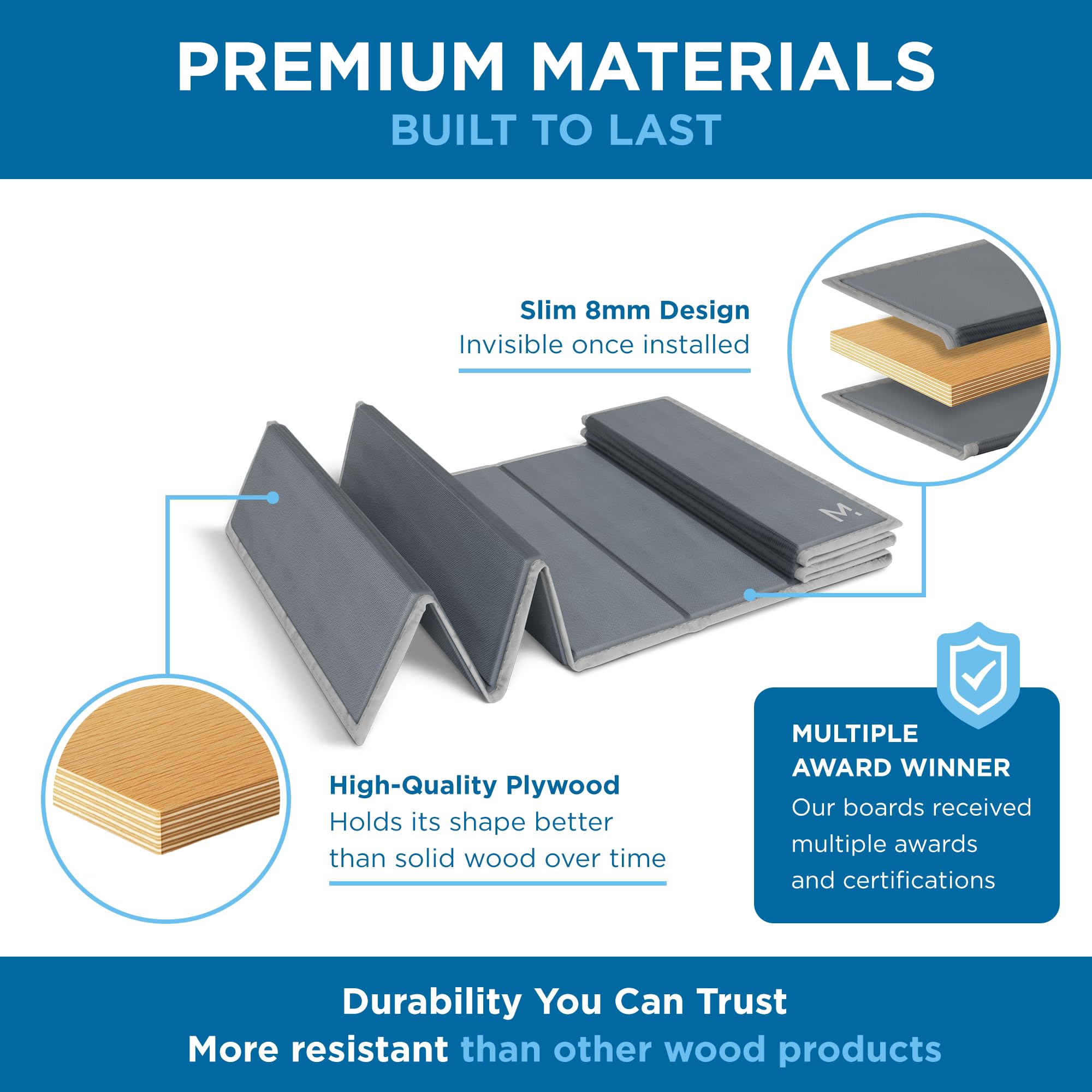
- Thicker 8mm engineered wood resists warping and compression better than budget alternatives
- No tools or hardware required, just unfold and place under cushions
- Anti-skid finish prevents shifting during use
- Folds compactly when not in use or for moving between furniture pieces
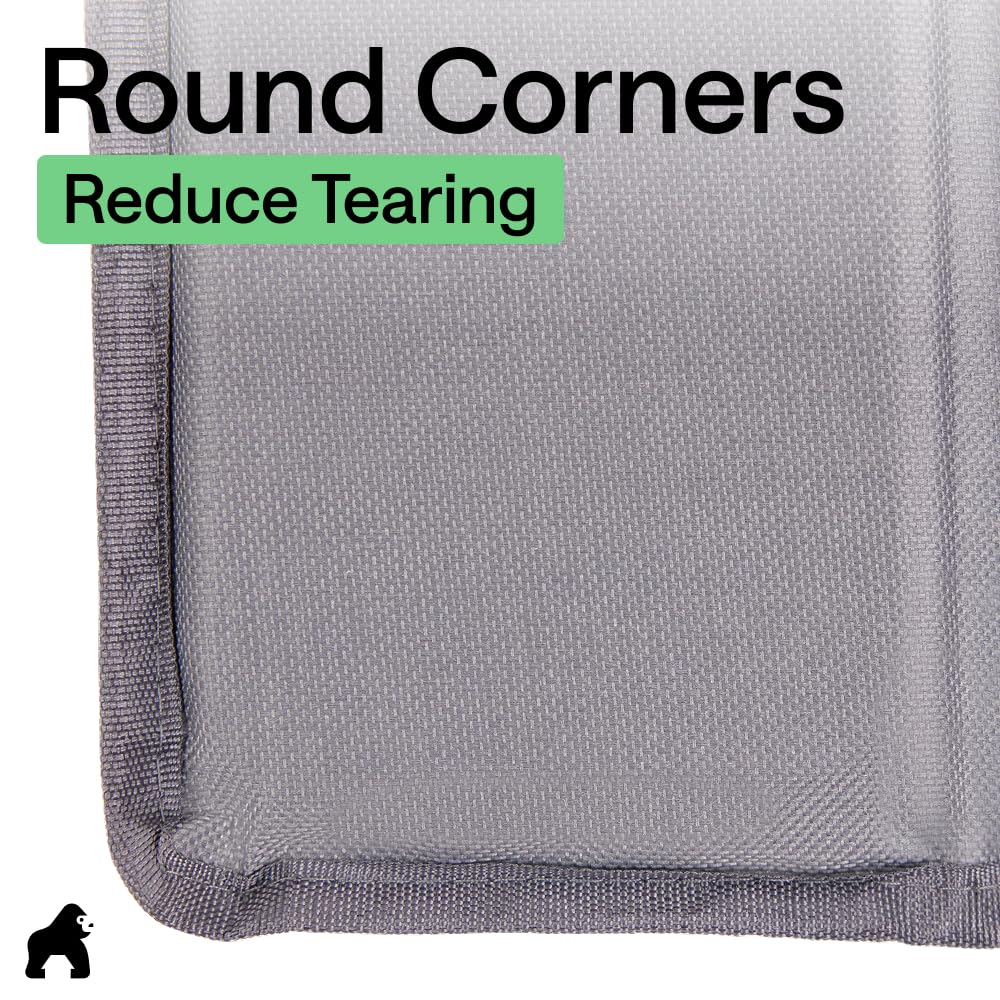
- Durable 600D Oxford fabric cover with reinforced seams
Cons
- Only works with sofas that have removable seat cushions, not suitable for fixed-cushion designs
- Requires accurate measuring of sofa frame dimensions before ordering to ensure proper fit
- New product with no verified customer reviews yet to confirm long-term durability
This is the kind of fix that makes you wonder why you waited so long. Instead of shopping for a new couch or paying for professional repairs, you pull off your cushions, unfold this rigid panel across the seat frame, and put everything back. The sagging is gone, the seat feels solid again, and you just saved yourself hundreds of dollars and the hassle of furniture shopping.
The 8mm poplar wood construction is noticeably sturdier than the thin cardboard or foam inserts that compress after a few months. The anti-slip coating keeps it locked in place, so you are not constantly readjusting it every time someone sits down. It folds flat when you need to move it or store it, but once it is unfolded under your cushions, it lies completely level without creating lumps or uneven spots.
If you want to restore firm seating on a worn sofa without replacing the whole piece or dealing with complicated repairs, this one delivers.
Styles it works with: Modern, Transitional, Farmhouse, Contemporary
Best placed in: Living room sofa, family room sectional, basement or den loveseat
May not suit: Sofas with non-removable cushions, small apartment loveseats under 60 inches wide, homes where you prefer to replace furniture rather than repair it
Buy it if:
- Your sofa cushions sag in the middle and you sink down when you sit, but the frame and fabric are still in good shape
- You want to extend the life of your current couch for a few more years before upgrading
- You need a tool-free fix that takes under 10 minutes to install and actually works
Consider waiting if:
- You are unsure of your exact sofa frame dimensions and want to measure carefully first
- You are hoping for verified customer reviews before committing
Skip it if:
- Your sofa has built-in cushions that cannot be removed
- Your seat frame is narrower than 24 inches or shorter than 72 inches and you need a different size
Check the latest price and availability on Amazon before it sells out.

BEN'SHOME Couch Cushion Support Board for Sagging Sofas | 0.5" Solid Wood | 68-81" x 30" Deep | 400 LBS
Pros
- Thick solid wood build is noticeably sturdier than MDF or thin plywood alternatives
- Installs in about 60 seconds with zero tools and leaves no damage to your sofa frame
- Available in a wide range of sizes including options for sectionals, recliners, and deep loveseats
- Anti-slip Oxford fabric on both sides prevents sliding across the full seating area
- Lifetime replacement guarantee removes all purchase risk
Cons
- At $74.88 it costs more than basic foam or plywood alternatives, though the build quality justifies the gap
- Buyers must measure sofa width and depth carefully before ordering since the fit depends on precise dimensions
- May feel firmer than expected for shoppers who prefer a softer, more cushioned sit
There is a specific kind of frustration that comes from sinking into a couch that used to feel great. Cushions compress, frames sag, and suddenly your living room centerpiece feels like a pit. BEN'SHOME built this support board to solve exactly that problem, and what stands out is that they used real solid wood instead of the foam inserts or flimsy plywood panels you typically find at this price point. The difference is immediately noticeable the first time you sit down.
The board slides under your existing cushions in about a minute, grips both the frame and the cushions with its anti-slip fabric, and then disappears completely from view. No visible hardware, no awkward bulk, no disruption to how your sofa looks in the room. It works especially well on oversized and super-deep sofas in the 68-to-81-inch range, which are notoriously hard to find aftermarket support for.
What really builds confidence here is the combination of over 9,000 reviews at a 4.4-star average and a lifetime replacement guarantee from a small family business that clearly stands behind the product. If you want firm, lasting couch support without tearing apart your living room setup or spending hundreds on a new sofa, this one delivers.
Styles it works with: Modern Farmhouse, Transitional, Classic Traditional, Casual Contemporary
Best placed in: Main living room sofa, family room sectional, basement or media room couch
May not suit: Sofas shorter than 68 inches or shallower than the available depth options since fit depends on precise measurements; households looking for a decorative or visible upgrade rather than a hidden structural fix
Buy it if:
- Your long or deep sofa has developed a sag or sinking spot and you want a fast, tool-free fix that lasts
- You own an oversized sectional or super-deep couch that standard 19-inch support inserts do not reach across
- You want to extend the life of a sofa you love rather than spend $800 or more on a replacement
Consider waiting if:
- You have not yet measured your sofa base width and depth since ordering the wrong size means a return trip
Skip it if:
- Your sofa measures outside the available size ranges since this board will not span the full seat correctly
- You prefer a very soft or plush sitting surface since 0.5-inch solid wood adds noticeable firmness beneath your cushions
Check the latest price and availability on Amazon before it sells out.

Pros
- Heavy-duty 0.43-inch plywood is significantly stronger than MDF alternatives
- 400lb weight capacity handles multiple people sitting at once
- Hundreds of PVC grip dots prevent shifting during daily use
- 21.5-inch width provides better coverage than narrow boards
- Foldable and stackable to fit different sofa sizes
Cons
- 70-inch length may be too long for compact loveseats without folding
- New product with no verified customer reviews yet to confirm long-term durability
- Gray color may show through light-colored cushion fabrics
If your couch cushions have that telltale sag in the middle but the upholstery still looks great, this is the fix that makes sense. The GORILLA GRIP support board slides right under your existing cushions and transforms a sunken sofa back into something you actually want to sit on. No awkward explanations to guests about "the good side" of the couch anymore.
What sets this apart is the genuine plywood construction. While cheaper options use particle board that can warp or crack, this 0.43-inch thick plywood holds its shape under real-world use. The grip dots on the underside are a smart touch - they keep the board from sliding around when people shift their weight, which is exactly the kind of small detail that matters after a few weeks of daily use.
If you want to salvage a sagging sofa without spending hundreds on professional repairs or a new couch, this one delivers.
Styles it works with: Modern Farmhouse, Traditional, Transitional, Casual Contemporary
Best placed in: Living room sofas, family room sectionals, den loveseats, basement rec room seating
May not suit: Sofas narrower than 70 inches unless you fold the board, ultra-modern low-profile couches where the board might be visible, homes where you frequently rearrange furniture and need the couch to stay lightweight
Buy it if:
- Your couch cushions sag in the middle but the frame and fabric are still in good shape
- You need a quick fix before guests arrive and don't have time for professional repairs
- You're tired of constantly fluffing cushions or sitting on the edge to avoid the sunken spot
Consider waiting if:
- You're hoping for customer reviews to validate the 400lb capacity claim since this is a newer product
Skip it if:
- Your sofa is narrower than 60 inches and you don't want to deal with folding the board to fit
- The sagging is caused by broken springs that need actual structural repair, not just cushion support
Check the latest price and availability on Amazon before it sells out.
Frequently Asked Questions
Can you fix a sagging couch without replacing it?
Usually, yes. If the frame is solid hardwood and the joints are tight, you can address sagging by replacing foam inserts, adding a support board, or re-tying springs. The frame is the part that determines whether repair is worth it. A sound frame is worth fixing, a cracked particleboard one often isn’t.
What’s a couch cushion support board?
It’s a firm panel, often engineered or solid wood, that sits between the cushions and the seat deck. It bridges over stretched springs or loose webbing so your cushions rest on a flat plane instead of sinking. Boards like the 24×72 inch Meliusly or BEN’SHOME panels are sized to span a full sofa seat and support 400 lb or more.
How do I know if it’s the foam or the springs?
Pull off a cushion and press it. If the foam stays dented or recovers slowly, the foam is worn. If the foam looks fine but you still sink, reach under the seat deck and feel the springs or webbing for loose, low, or broken sections. Foam problems live in the cushion, support problems live underneath it.
How often should I rotate couch cushions?
Every one to two weeks for a daily-use sofa. Flip them top to bottom if they’re double-sided, and swap their positions end to end either way. This spreads wear so your favorite seat doesn’t collapse years before the rest of the couch.
When is a sagging couch not worth fixing?
When the frame itself has failed. A cracked main rail, a snapped leg on a particleboard frame, or joints that won’t hold glue all signal the structure is spent. At that point repair costs creep toward replacement cost, and a new sofa with a hardwood frame and 2.5 lb density foam is the smarter buy. 5 fixes.



Write Your Review
No reviews yet. Be the first to share your experience!