

> Editorial Note: I’m Maya Chen, a bedroom and sleep editor covering mattresses, bed frames, and bedding. The picks here are evaluated against CertiPUR-US foam standards, Sleep Foundation evaluation protocols, and owner durability reports from r/Mattress.
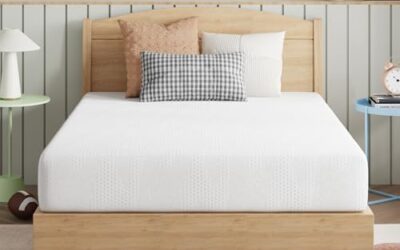
You unroll the new mattress, and the room fills with a sharp, paint-like odor that lingers for days. Or you wake up years later to a sour chemical whiff that wasn’t there before. Both have a cause, and neither means the mattress is dangerous in most cases, but they need different fixes. The smell comes from volatile organic compounds off-gassing from foam, adhesives, and flame retardants, and the source determines how long it lasts and what clears it. The same attention you’d bring to choosing a best memory foam mattress, sizing a best mattress topper, protecting it with a best waterproof mattress protector, pairing it with a best bed frame, or grounding it with a best area rug for bedroom applies here. Read the source of the smell before you reach for a spray.
Reason 1: The Sharp Paint Smell on a Brand-New Mattress (Foam Off-Gassing)
The most common chemical smell is new-mattress off-gassing, and it’s expected, not a defect. Memory foam, polyurethane foam, and the adhesives holding the layers together release volatile organic compounds as they decompress, which read as a paint, glue, or chemical odor. The smell is strongest in the first 48 hours and fades over days to weeks.
The giveaway is age. If the mattress is under a month old and the smell is sharp rather than sour, off-gassing is the cause. CertiPUR-US certified foam is evaluated for low VOC emissions, so a certified mattress off-gasses far less than an uncertified one, but even certified foam has a brief break-in period. Sleep Foundation’s evaluation protocols note that new-foam odor is the single most common complaint on a fresh mattress, and almost all of it clears with ventilation.
The fix is airflow and time. Open windows, run a fan, and strip the bed so air moves across the bare foam. A room air purifier with an activated carbon filter captures VOCs that ventilation misses. Most new-mattress smell fades in 2 to 14 days with good airflow. Don’t seal the room up tight, that traps the compounds against the foam and extends the off-gassing.
Reason 2: The Sour Note That Builds Over Months (Trapped Moisture and Mildew)
A chemical smell that arrives months or years after you bought the mattress isn’t off-gassing. It’s usually trapped moisture growing mildew inside the foam, and the byproducts read as a sour, slightly chemical odor. Foam acts like a sponge, and sweat, spills, and humidity soak in and never fully dry if the mattress can’t breathe.
The tell is timing and location. If the smell is stronger on one side of the bed or concentrated where you sleep, moisture is the cause. Lift the mattress and sniff the underside. A sour or musty note there, or visible spotting on the foam, means moisture has colonized the interior. Apartment Therapy’s editors flag the wall-side and underside of a mattress as the spots where mildew starts, because airflow is worst there.
The fix is drying and prevention. Strip the bed and stand the mattress on edge in a room with a fan and a dehumidifier running below 50 percent humidity. Let it dry fully, which can take 24 to 48 hours. Going forward, use a breathable waterproof mattress protector so sweat doesn’t soak in, and keep the bed pulled a few inches off the wall so air moves behind it. A mattress on a solid platform traps more moisture than one on a slatted base.
Reason 3: The Acrid Smell After a Spill or Pet Accident (Bacterial Breakdown)
A sudden chemical or ammonia smell that appears after a spill, a pet accident, or a sick night is bacterial. Liquid soaks into the foam, and bacteria break down the organic matter, releasing ammonia and other compounds that read as chemical rather than biological. The smell intensifies over days as the bacteria multiply.
The giveaway is a clear trigger. If the smell started within a day or two of a spill or accident, bacteria are the cause. Press on the suspect area. If the smell spikes or the foam feels damp, the liquid is still in there. r/Mattress owner reports consistently note that spills left more than 48 hours in foam often need extraction, not just wiping, because the liquid wicks outward as it sits.
The fix is extraction and enzyme treatment. Blot the area with dry cloths until no more liquid comes out, then apply an enzyme cleaner and blot again. A wet-dry vacuum pulls liquid out of the foam for deep saturation. Let the mattress dry fully before remaking the bed. A protector going forward is the only real prevention, because once bacteria colonize the foam core, the smell is hard to fully remove and may require replacement.
Reason 4: The Chemical Whiff That Returns Every Humid Summer (Flame Retardant Re-Release)
Some mattresses carry flame retardant treatments that stay largely inert in dry conditions but release a faint chemical odor when humidity rises. The smell comes and goes with the season, returning every summer and fading every winter. It’s most common in older mattresses built before the shift to barrier fabrics and certified foams.
The tell is seasonality. If the chemical note tracks with humidity and disappears in dry winter air, the flame retardant layer is re-releasing. The smell is faint, not the sharp paint note of new-foam off-gassing. ASTM standards govern flame retardant performance but don’t regulate odor, so a compliant mattress can still smell in humid conditions.
The fix is humidity control and a barrier. Run a dehumidifier or air conditioner to hold indoor humidity below 50 percent, which suppresses the re-release. A thick, breathable mattress protector adds a layer between you and the treated foam. If the seasonal smell bothers you and the mattress is past 8 to 10 years old, replacement with a certified foam model is the clean answer, since modern certified foams use barrier fabrics instead of chemical treatments.
How to Fix It Fast
Short on time? Here’s the reset. If the mattress is new, ventilate aggressively for the first two weeks and run a carbon-filter purifier, because off-gassing is the cause and it clears with air. If the smell arrived months later, strip the bed, stand the mattress up, and dehumidify below 50 percent for 24 to 48 hours, because moisture or mildew is the culprit. If a spill triggered it, extract with a wet-dry vacuum and treat with enzymes. Add a breathable waterproof protector going forward, and pull the bed off the wall so air moves behind it. That’s the routine. No perfume spray, no baking soda piled on the surface, which only masks and traps.
The Products That Actually Help
A spray just masks chemical odor because it doesn’t touch the foam, the moisture, or the bacteria causing it. The tools worth owning block the source or pull it out. All three picks below clear real owner-review scrutiny for waterproof, breathable protection that stops sweat and spills from soaking into the foam. Start with the PlushDeluxe bamboo protector if you want the softest breathable barrier. Grab the Bedlore deep-pocket if your mattress is 14 inches or taller, and the SafeRest fitted if you want the most affordable reliable barrier.


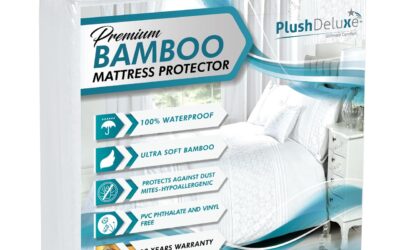
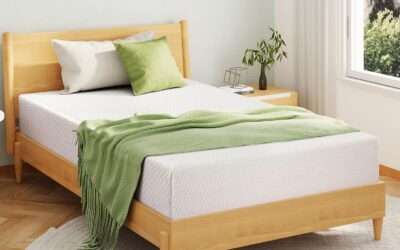
PlushDeluxe Bamboo Waterproof Mattress Protector Queen - Ultra Soft, Breathable, Fits 18" Deep Mattresses
Pros
- Bamboo surface feels soft and breathable unlike vinyl protectors
- Truly waterproof against spills and accidents based on feature claims
- Fits thicker mattresses up to 18 inches including pillow tops
- Operates silently without plastic crinkle noise
- Suitable for memory foam, latex, and spring mattresses
Cons
- No customer reviews yet to verify waterproof performance claims
- Price point higher than basic polyester protectors
- Bamboo blend may require more careful washing than synthetic options
Most waterproof mattress protectors force you to choose between protection and comfort, but this bamboo option delivers both. The natural bamboo surface breathes better than vinyl or polyester, so you stay cooler through the night while still getting full waterproof coverage underneath. No more waking up sweaty or hearing that telltale plastic crinkle every time you shift position.
What sets this apart for real homes is how it handles everyday life without feeling clinical. Families with young kids learning to use the potty, households with pets on the bed, or anyone dealing with night sweats gets reliable protection that actually feels like part of your bedding setup, not a medical supply. The deep 18-inch pocket fit means it works with those plush pillow top mattresses that cheaper protectors can't accommodate.
If you want mattress protection that keeps your bed cool and quiet without sacrificing the waterproof barrier you actually need, this one delivers.
Styles it works with: Modern Farmhouse, Scandinavian, Minimalist, Coastal
Best placed in: Master bedroom with memory foam or pillow top mattress, guest room that occasionally hosts children, bedroom shared with pets
May not suit: Homes wanting the absolute cheapest protection option, mattresses deeper than 18 inches, buyers who prefer 100% cotton surface feel over bamboo blend
Buy it if:
- You have a memory foam or pillow top mattress that needs silent, breathable protection
- Hot sleepers in your home find typical waterproof protectors too warm
- You're dealing with bedwetting, pet accidents, or spills and need reliable waterproof coverage
- Your current protector makes noise or bunches up during the night
Consider waiting if:
- You want to see verified customer reviews before committing at this price point
Skip it if:
- Your mattress is deeper than 18 inches
- You need the absolute lowest price option and don't care about breathability
Check the latest price and availability on Amazon before it sells out.
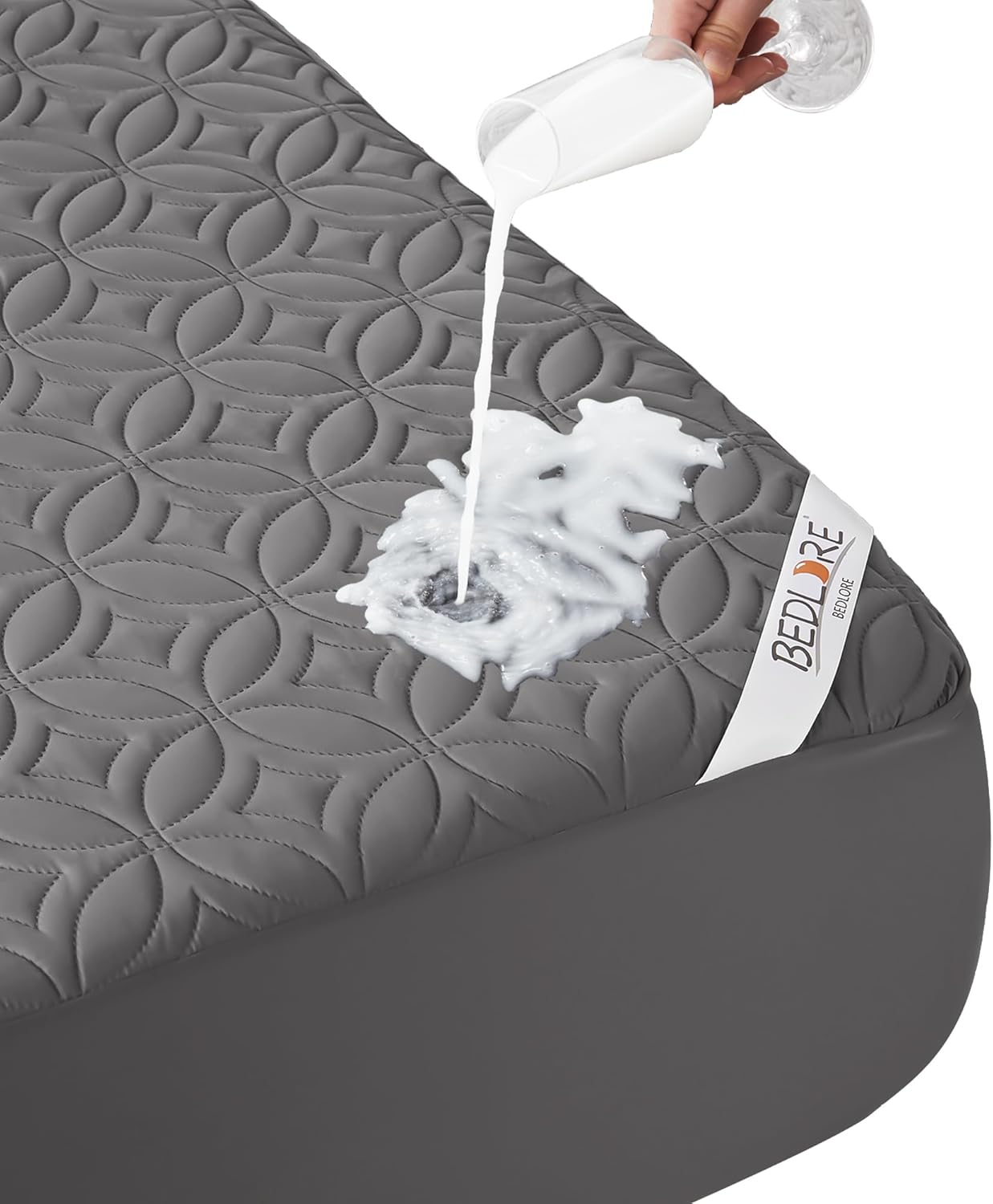
BEDLORE Waterproof Mattress Protector Queen - Noiseless Quilted Pad with Deep Pocket Fit & TPU Layer Protection
Pros
- Silent TPU waterproof layer eliminates the plastic crinkle sound common in cheaper protectors
- Deep 18-inch pocket with 360-degree elastic keeps it anchored even on thick pillow-top mattresses
- Quilted design distributes padding evenly and adds a subtle comfort upgrade
- Machine washable with low-heat tumble dry makes routine cleaning simple
Cons
- No customer reviews yet to verify long-term durability or washing performance
- Quilted design may add slight bulk compared to ultra-thin fitted sheet style protectors
- TPU waterproof layer effectiveness after multiple wash cycles is unproven without review data
This is the kind of mattress protector you forget is even there, which is exactly the point. The quilted surface feels like a regular mattress pad, soft and breathable, while the upgraded TPU layer does the hard work of blocking liquids without announcing itself with that telltale plastic crinkle every time you shift at night.
The deep pocket fit solves a common frustration with thick mattresses. That 360-degree elastic skirt grips mattresses up to 18 inches deep, so it stays put through restless sleep, pet movement, or energetic kids jumping on the bed. The quilted stitching keeps the fill evenly distributed and adds a temperature-regulating layer that prevents the trapped heat some waterproof covers cause.
If you want reliable spill and stain protection without sacrificing comfort or dealing with noisy plastic feel, this one delivers.
Styles it works with: Minimalist, Modern Farmhouse, Scandinavian, Transitional
Best placed in: Master bedroom, guest bedroom, kids' rooms, any bedroom with a mattress up to 18 inches deep
May not suit: Mattresses deeper than 18 inches, households wanting an ultra-thin protector that does not alter bed height at all, buyers specifically seeking organic or natural fiber options
Buy it if:
- You need waterproof protection but hate the crinkly plastic sound of cheaper mattress covers
- You have a pillow-top or thick mattress and struggle with protectors that pop off the corners
- You want a quilted pad that protects and adds a comfort layer in one product
Consider waiting if:
- You prefer to see verified customer reviews before purchasing bedding products
- You want to compare with other BEDLORE models that may have more review history
Skip it if:
- Your mattress is deeper than 18 inches and you need an extra-deep pocket fit
- You specifically need an organic cotton or natural fiber protector for allergy or preference reasons
Check the latest price and availability on Amazon before it sells out.

Pros
- Waterproof barrier works without the plastic feel or noise
- Breathable design prevents heat buildup during sleep
- Fits securely on queen mattresses up to 18 inches deep
- Machine washable and dryer safe for convenient maintenance
- Protects against allergens and dust mites
Cons
- No customer reviews yet to confirm long-term durability
- May require careful washing to maintain waterproof seal over time
- White color shows stains more easily than darker options
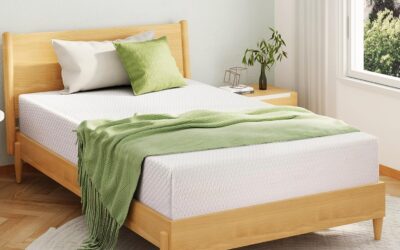
This is the kind of practical bedroom essential that you forget is even there, which is exactly the point. The SafeRest protector does its job quietly and invisibly, giving you real protection without turning your bed into a crinkly, sweaty mess. The breathable membrane is the key: it blocks every drop of liquid while still letting air circulate, so you sleep cool and comfortable.
It fits like a deep-pocket fitted sheet, hugging mattresses up to 18 inches thick without sliding around or bunching up at the corners. Toss it in the washing machine when needed, tumble dry on low, and it's ready to go back on the bed. No special care, no hand washing, no drama.
If you want mattress protection that actually works without making you feel like you're sleeping on a raincoat, this one delivers.
Styles it works with: Modern, Minimalist, Scandinavian, Farmhouse (works invisibly under any bedding style)
Best placed in: Master bedrooms, kids' rooms, guest beds, Airbnb rentals
May not suit: Mattresses thicker than 18 inches, split king beds (would need two twin XL protectors instead)
Buy it if:
- You just bought a new mattress and want to protect your investment from day one
- You have kids or pets who occasionally have accidents
- You sleep hot and need waterproof protection that doesn't trap heat
- You're setting up a guest room or Airbnb and need reliable, washable protection
Consider waiting if:
- You need to see more verified customer reviews before committing
Skip it if:
- Your mattress is thicker than 18 inches and this won't fit properly
- You need a different bed size (this is queen only)
Check the latest price and availability on Amazon before it sells out.
Frequently Asked Questions
Is new mattress off-gassing dangerous?
No, for most people. The VOCs released by new foam are similar to those from new paint or a new car, and they clear within days to weeks. CertiPUR-US certified foam is evaluated for low emissions. People with chemical sensitivities or asthma may want to ventilate longer before sleeping on it.
How long does a new mattress smell?
It depends on the mattress and ventilation. Most new-foam smell fades in 2 to 14 days with open windows and a fan. A mattress in a sealed, unventilated room can off-gas for a month or more. Airflow is the single biggest factor in how fast it clears.

Why does my old mattress suddenly smell like chemicals?
Almost always trapped moisture or a spill. Foam absorbs sweat and humidity over years, and mildew or bacteria inside the foam produce sour or chemical odors. Strip the bed, dehumidify, and check for spotting. A protector going forward prevents it.
Will baking soda remove the chemical smell from a mattress?
Partly, and only on the surface. Baking soda absorbs odor when you sprinkle it on, let it sit, and vacuum it up. It won’t reach VOCs or bacteria inside the foam, so the smell returns. Use it for a surface refresh, not a fix for deep off-gassing or mildew.
Should I return a mattress that smells?
It depends on timing and severity. A new mattress with normal off-gassing usually clears in two weeks and isn’t a return reason. A new mattress that still reeks after a month of ventilation, or any mattress with mildew or a chemical flame-retardant odor you can’t tolerate, is a return or replacement situation.
Bottom Line
Most chemical mattress smells trace to one of two things: normal new-foam off-gassing that clears with ventilation in two weeks, or trapped moisture growing mildew in an older mattress. Ventilate a new bed aggressively and dehumidify an older one below 50 percent, and 80 percent of odor complaints resolve without replacing the mattress. A spill-triggered ammonia smell needs extraction and enzymes. A seasonal chemical whiff is flame retardant re-releasing in humidity, suppressed by dehumidification. Add a breathable waterproof protector and keep the bed off the wall so air moves. If the smell is deep in the foam and won’t budge after two weeks of treatment, replace the mattress.
Write Your Review
No reviews yet. Be the first to share your experience!