

> Editorial Note: I’m Liam Wright, an outdoor and garden editor. I grew up in my family’s landscaping business and now cover what actually survives a season of UV, rain, and freeze-thaw cycles. The picks here are evaluated against ASTM weatherability standards and manufacturer durability ratings.
Patio plants die faster than garden plants, and it’s rarely a green-thumb problem. A container is a harsh, exposed place: the soil bakes, the roots cook, and the water either drowns them or vanishes by noon. Once you spot which of those is happening, the fix is usually simple. These guides pair with a healthier patio setup: best planters for patio, ceramic vs plastic planter, best patio furniture for full sun, best outdoor furniture for small patio, and best fire pit under 200.
Reason 1: Leaves Wilt by Noon Then Perk Up at Night (Heat-Baked Roots)
If your plants look fine at dawn and collapse by midday, the container is overheating. A pot in direct sun on a hot patio can hit 120 F inside, and roots start dying above about 90 F. Dark plastic and metal pots absorb the most heat, cooking the root ball while the leaves look fine for a while.
Move sensitive plants to morning sun and afternoon shade, or shift to a light-colored, thick-walled pot that insulates the roots. Grouping pots together shades their sides and slows the heat. A 15 inch or taller planter holds more soil, and more soil means a bigger thermal buffer against the swing.
There’s a simple way to check this one. Push a finger into the soil at midday, and if it feels warm rather than cool a couple inches down, the roots are stressed. Apartment Therapy notes that a light mulch layer on top of the soil, even just 1 inch of bark or gravel, drops the surface temperature and slows the water loss that comes with all that heat.
Reason 2: Soil Is Soggy and Stems Turn Black (No Drainage)
Black, mushy stems at the base mean root rot, and root rot means water has nowhere to escape. A pot without drainage holes, or one sitting in a saucer of standing water, keeps the soil waterlogged. Roots suffocate and rot within days.
Every container needs open drainage holes, full stop. Drill them if a decorative pot lacks any, and lift the pot on feet or a stand so water drains freely instead of pooling underneath. A self-watering or elevated raised planter with a drainage gauge solves this by design, wicking moisture up while letting excess run off.
Skip the gravel-in-the-bottom trick, since it doesn’t help. It actually raises the waterlogged zone closer to the roots instead of draining them. What works is a fast-draining potting mix and holes that stay clear. Check that the holes haven’t clogged with matted roots or compacted soil, because a blocked hole turns a good pot into a bucket.
Reason 3: Soil Dries Out Hours After Watering (Wrong Container or Mix)
The opposite problem: you water in the morning and the soil is dust by afternoon. Small pots and porous terracotta dry out incredibly fast in wind and sun. A tiny 6 inch pot on a breezy patio can lose its moisture in under 4 hours on a hot day.
Size up. A larger container holds more soil and stays moist far longer, and grouping pots cuts the drying wind. Mix in a bit of compost or a water-retaining amendment to help the soil hold moisture. In peak summer, some patio pots simply need water twice a day, and a self-watering reservoir bridges that gap.
Watering technique matters too. A quick splash only wets the top inch and runs off, so the root ball stays dry underneath. Water slowly until it drains from the bottom, which tells you the whole column is soaked. Early morning is best, because midday watering evaporates before the roots can drink and evening watering leaves foliage damp overnight.
Reason 4: Wind Shreds and Dries Everything (Exposure)
A patio, especially a balcony, funnels wind that a sheltered garden never sees. Constant wind strips moisture from leaves faster than roots can replace it, snaps tender stems, and topples top-heavy pots. Plants look scorched even when they’re watered.
Create a windbreak with a railing screen, a trellis, or a cluster of larger pots on the exposed side. Choose sturdy, wind-tolerant plants for the worst corners. Heavier planters, or a raised bed at least 30 inches tall, resist tipping and give roots the mass to ride out the gusts.
Reflected heat compounds it on many patios. A south-facing wall or a metal railing radiates stored heat back at the plants long after the sun moves, so the same corner that’s windy is often the hottest too. Pull the most delicate plants a few feet off the wall, and you’ll cut both the wind burn and the radiant heat at once. Even a 2 ft gap between the pot and a hot brick wall makes a measurable difference on a scorching afternoon.
What Actually Fixes It
The most reliable upgrade is a bigger, better-draining container that buffers heat and holds water through the day. All three below offer real drainage and generous soil volume, carry a 4.4 or higher owner rating, and suit different patio spots. Start with the first for a large elevated wood bed, the second for a mobile resin planter with a drainage gauge, and the third for a tall galvanized planter with drainage holes and a soil retention shelf.
Size the container to the plant and the exposure. A leafy tomato or a small shrub wants at least a 15 inch wide pot holding several gallons of soil, while herbs get by in something smaller. On a hot, windy patio, go a size larger than the plant strictly needs, since the extra soil mass is what buffers the heat and holds water through a scorching afternoon. A mobile planter on wheels lets you chase shade through the day and roll tender plants out of a July heat wave.
Pair the pot with the right mix and a simple routine. Fill it with a fast-draining potting mix, not garden soil, which compacts and drowns roots in a container. Top with 1 inch of mulch to slow evaporation, and check moisture with a finger 2 inches down each morning rather than watering on a fixed schedule. Match the plant to the spot too: a full-sun corner wants heat-tolerant species, not shade lovers that scorch by noon.

Best Choice Products 48x24x30 Raised Garden Bed, Elevated Wood Planter Box with Liner, Natural
Pros
- Ergonomic 30-inch height eliminates back and knee strain while tending plants
- Chinese fir wood construction is naturally weather and water resistant
- Included bed liner extends the life of the wood and blocks weeds
- 5 cubic feet of planting space holds a generous herb or vegetable garden
- Drainage design prevents root rot and soil mineral buildup
Cons
- Chinese fir is softer than cedar or redwood and may show wear faster in harsh climates
- Assembly required and some users report pre-drilled holes not lining up perfectly
- 200-pound capacity limits extremely heavy soil loads or large root vegetable plantings
What makes this raised garden bed special is how it transforms gardening from a back-breaking chore into something you actually look forward to. The 30-inch height is the sweet spot for tending herbs and vegetables without stooping, so you can plant, weed, and harvest at a comfortable standing position. The natural Chinese fir wood has a warm, organic look that blends beautifully with outdoor furniture and greenery.
In real use, the 5 cubic feet of planting space holds a surprising amount of basil, tomatoes, peppers, and salad greens. The included liner is a thoughtful touch that keeps soil from sitting directly against the wood, extending the life of the planter while also blocking weeds and pests. Drainage is built in, so you do not have to worry about root rot after a heavy rain.
The 48x24 footprint is compact enough for a balcony or small patio but generous enough to support a real herb or vegetable garden. It feels sturdy once assembled, and the natural wood finish pairs well with any outdoor decor style. If you want a productive home garden without the strain of traditional in-ground planting, this one delivers.
Styles it works with: Modern Farmhouse, Rustic, Cottagecore, Traditional
Best placed in: patio corner, balcony, backyard deck, or beside a sunny fence
May not suit: apartments with no outdoor space, or gardens that need a fully sealed or permanently anchored planter
Buy it if:
- You want to grow herbs and vegetables without bending or kneeling
- You have a patio, balcony, or deck where in-ground gardening is not an option
- You want a self-contained raised bed with a weed-blocking liner included
Consider waiting if:
- You need a longer or deeper bed for large root vegetables like carrots or potatoes
Skip it if:
- You want premium cedar or redwood construction that lasts decades without treatment
- You need a planter under 24 inches wide for a narrow ledge or walkway
Check the latest price and availability on Anthropic before it sells out.

WTFGO Elevate 33.7" Tall Raised Garden Bed with Wheels, Resin Planter with Drainage Gauge & Storage Shelf
Pros
- Locking wheels make repositioning easy on patios and balconies
- Elevated height reduces back and knee strain during planting and harvesting
- Drainage gauge helps prevent overwatering and root rot
- 110 lbs load capacity holds a generous 17.7 gallons of soil
- Non-toxic, weather-resistant resin is safe for edibles and low maintenance
Cons
- No customer reviews yet to confirm long-term durability
- Resin construction may look less premium than wood or metal alternatives
- Only available in one color (Ashen), limiting decor matching options
If you have ever ended a gardening session with a sore lower back, the Elevate raised bed from WTFGO is the kind of thoughtful upgrade that makes a real difference. At 33.7 inches tall, it brings your herbs, veggies, and flowers up to a comfortable working height so you can plant, weed, and harvest without stooping or kneeling. The locking wheels are a quiet game-changer for patios and balconies where sunlight shifts through the day.
The resin build has a clean, neutral Ashen finish that blends into modern outdoor setups without competing with your furniture. A drainage gauge takes the guesswork out of watering, and the lower shelf tucks away trowels, gloves, and seed packets so your space stays tidy. It feels practical rather than fussy, which is exactly what a small-space gardener wants.
This planter earns its spot by combining mobility, ergonomics, and storage in one affordable piece. If you want a back-friendly herb garden you can roll into the sun without committing to a permanent yard install, this one delivers.
Styles it works with: Modern Farmhouse, Scandinavian, Minimalist, Contemporary Patio
Best placed in: patio corner, balcony edge, backyard deck, sunny entryway
May not suit: homes with very young children who could reach the wheels, or traditional wood-heavy outdoor decor where resin may look out of place
Buy it if:
- You garden on a patio, balcony, or deck and need mobility to follow the sun
- Back or knee pain makes traditional ground-level gardening uncomfortable
- You want a self-contained herb or veggie planter with built-in storage and drainage control
Consider waiting if:
- You prefer a wood or metal finish over resin for a more premium look
Skip it if:
- You need a large-capacity bed for deep-rooted vegetables like carrots or tomatoes
- You want proven durability backed by a substantial number of customer reviews
Check the latest price and availability on Anthropic before it sells out.
Pros
- Adjustable shelf lets you control planting depth and save significantly on soil
- Galvanized steel with reinforced folded edges feels sturdy and weather-resistant
- Drainage holes plus mesh prevent root rot while keeping soil contained
- Tall 30-inch height creates strong visual impact without taking up much floor space
Cons
- Only 6 customer reviews so long-term durability is still largely unproven
- Higher price point for a single planter compared to basic plastic or resin options
- No color or finish options mentioned, so it may not match every outdoor decor palette
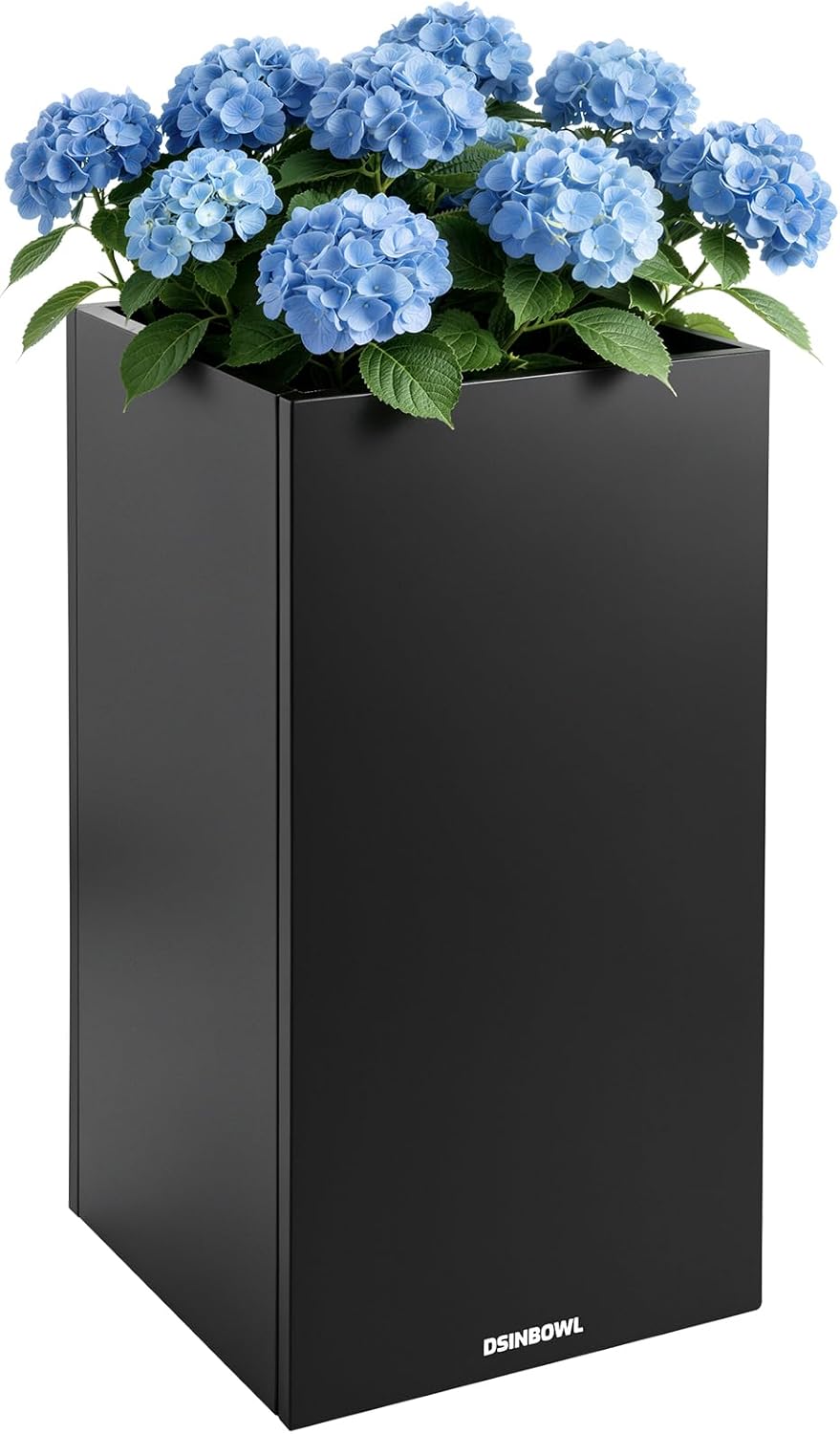
There is something instantly satisfying about a tall, clean-lined planter sitting beside a front door or framing a patio corner, and this DSINBOWL galvanized steel box nails that modern look without feeling industrial or cold. The 30-inch height brings plants up to eye level, which makes even a simple fern or ornamental grass look intentional and styled rather than tucked away on the ground.
What really sets this one apart is the 4-level adjustable shelf inside. Instead of filling the entire 30-inch depth with soil, which gets heavy, expensive, and wasteful, you can set the shelf at the height your plants actually need and fill only the top portion. That makes it practical for both real plants with shallower roots and artificial displays where you just want the look without the dirt.
If you want a tall, statement planter that looks high-end without the back-breaking soil cost and weight, this one delivers.
Styles it works with: Modern Farmhouse, Industrial, Minimalist, Contemporary
Best placed in: entryway porch, patio corner, beside the front door, balcony
May not suit: homes with young children who could climb or tip a tall narrow planter, or spaces with low overhangs where 30 inches of height plus plants may not fit
Buy it if:
- You want a tall planter to frame an entryway or patio without paying premium designer prices
- You like switching between real plants and artificial displays and want adjustable depth to match
- You need drainage that actually works to keep roots healthy through rainy seasons
Consider waiting if:
- You need a specific color or finish to match existing outdoor furniture, since options appear limited
Skip it if:
- You need a planter under 20 inches tall for a low railing or tabletop display
- You are looking for a set of two or more planters on a tight budget, as this is sold individually
Check the latest price and availability on Anthropic before it sells out.
Frequently Asked Questions
Why do my potted plants die but garden plants thrive?
Containers are a harsher environment. Soil heats and dries far faster in a pot, and drainage is either too fast or too poor. Size up your containers, ensure open drainage holes, and water more often than you would in the ground.
Do I really need drainage holes?
Yes, always. Without them water pools at the bottom and rots the roots within days. If a decorative pot has no holes, drill some or use it only as a cover for an inner nursery pot with drainage.
Is a self-watering planter worth it?
It depends. For thirsty plants or a patio you can’t water twice a day, yes. The reservoir keeps soil evenly moist and prevents the dry-out that kills container plants. Succulents and cacti do better in standard free-draining pots.
How big should a patio planter be?
Bigger than you think. A container at least 15 inches wide holds enough soil to buffer heat and hold moisture. Small pots dry out in hours and overheat fast, so err large, especially in full sun.
Why do my plants wilt even when the soil is wet?
That’s usually heat or root rot, not thirst. Overheated or waterlogged roots can’t take up water, so leaves wilt despite wet soil. Check for drainage and move the pot out of scorching afternoon sun.
Bottom Line
Most patio plant deaths trace to two things: cooked roots and bad drainage. A larger, light-colored, well-draining container fixes both, buffering heat and shedding excess water so roots stay alive through a hot day. Add afternoon shade, a 1 inch mulch layer, and a windbreak for the most exposed corners. If plants still fail in a good pot with proper drainage, the spot is simply too harsh for that species, so match tougher plants to it instead.





Write Your Review
No reviews yet. Be the first to share your experience!