

> Editorial Note: I’m Liam Wright, an outdoor and garden editor. I grew up in my family’s landscaping business and now cover what actually survives a season of UV, rain, and freeze-thaw cycles. The picks here are evaluated against ASTM weatherability standards and manufacturer durability ratings.
Ceramic vs plastic planter decisions aren’t really about style first; they’re about weight, water movement, heat, and how often you’re willing to move the pot. If you’re building a balcony herb setup, plastic solves problems ceramic creates. If you’re anchoring a front porch with a dwarf olive or boxwood, ceramic earns its weight. The same fit-and-load thinking shows up in best platform bed frame, best down alternative comforter, best memory foam mattress, best cooling mattress, and best nightstand with charging station: the material has to match the job, not just the photo.
The Key Differences at a Glance
| Factor | Ceramic Planter | Plastic Planter |
|---|---|---|
| Empty weight | Often 8 to 25 lb for a 12 to 16 inch pot | Often 1 to 4 lb for the same diameter |
| Water behavior | Porous clay breathes; glazed ceramic drains slower | Nonporous walls hold moisture longer |
| Cold weather | Can crack during freeze-thaw below 32°F if saturated | Usually flexes, though brittle plastic can split |
| Heat in sun | Stays steadier but can bake roots in dark glazes | Light colors stay cooler; thin black plastic overheats |
| Best plant match | Citrus, shrubs, statement annuals, porch anchors | Herbs, seedlings, hanging baskets, balcony plants |
| Lifespan signal | Thickness, glaze quality, and drainage hole size | UV rating, resin thickness, and rim stiffness |
When Ceramic Wins
Ceramic wins when the planter needs to look permanent, resist tipping, and frame a plant as part of the architecture. A 14 inch glazed pot with a 1 inch drainage hole has enough visual weight for a front step, entry path, or patio corner where a lightweight container would look temporary. Heavy and honest. That’s why ceramic works so well with lemon trees, rosemary standards, boxwood balls, and large annual arrangements.
It also wins indoors or on covered porches where freeze-thaw cycles won’t punish the shell. Apartment Therapy often treats planters as furniture-scale objects, and that lens is right for ceramic: the pot becomes part of the room. Ceramic also handles top-heavy plants better. A 3 foot snake plant or a small ficus in a thin plastic nursery pot can tip when the soil dries out; ceramic keeps the center of gravity lower.
The trade-off is weight. Once you add potting mix and water, a 16 inch ceramic planter can pass 35 lb. That’s fine on a slab patio. It’s annoying on a balcony, risky on a narrow shelf, and tough if you move plants indoors before frost. Ceramic is the better material when the planter has a fixed address.
When Plastic Wins
Plastic wins when the plant moves, the budget is tight, or the container needs to survive rough outdoor handling. A 12 inch plastic pot can weigh under 3 lb empty, which matters if you’re rotating herbs toward sun, lifting annuals into a garage before a 28°F night, or hanging planters from a railing. That’s the whole point. Plastic makes gardening lighter.
It also manages moisture differently. Nonporous plastic slows evaporation through the sidewalls, so potting mix stays damp longer than it would in unglazed ceramic. That helps thirsty annuals, basil, mint, and patio tomatoes during a 90°F week. It hurts drought-loving plants if the drainage is weak. Cheap plastic with one tiny center hole can keep the bottom inch wet for days; roots don’t like that.
Wirecutter’s outdoor gear coverage often emphasizes replaceable parts and weather exposure, which translates neatly here. Plastic is the practical choice for renters, balcony gardeners, seed starters, and anyone who changes layouts twice a season. Just don’t treat all plastic the same. Look for resin that feels stiff at the rim, drainage holes you can actually see, and lighter colors if the pot will sit in direct afternoon sun.
Cost, Durability, and Maintenance
Ceramic costs more upfront because firing, glazing, shipping weight, and breakage all add expense. A good ceramic planter also asks for more careful winter care: empty the saucer, keep drainage open, and avoid leaving saturated soil inside during hard freezes. ASTM freeze-thaw principles are blunt here. Water expands as it freezes, and a saturated ceramic wall can crack from that pressure.
Plastic is cheaper and more forgiving, but UV is the enemy. ASTM outdoor weatherability standards focus on sunlight, heat, and moisture because those are the forces that make polymers fade, chalk, and turn brittle. A thick resin planter may hold up for 4 to 7 seasons; thin bargain plastic can look tired after one summer. Not the same job.
Maintenance is simpler with plastic. Rinse, refill, repeat. Ceramic needs gentler handling, especially around glazed rims and feet. For eco-minded buyers, FSC-certified wood and metal planters sit between the two camps: heavier than plastic, usually tougher than ceramic, and often better for raised beds than either classic pot material.
Our Top Picks for Each
The five picks below were chosen around owner ratings above 4.4, usable drainage, outdoor material behavior, and whether the design supports the ceramic-side or plastic-side decision. Start with resin if you move planters often; choose wood or metal if you want the heavier, more permanent feel ceramic buyers usually want.


Best Choice Products 48x24x30 Raised Garden Bed, Elevated Wood Planter Box with Liner, Natural
Pros
- Ergonomic 30-inch height eliminates back and knee strain while tending plants
- Chinese fir wood construction is naturally weather and water resistant
- Included bed liner extends the life of the wood and blocks weeds
- 5 cubic feet of planting space holds a generous herb or vegetable garden
- Drainage design prevents root rot and soil mineral buildup
Cons
- Chinese fir is softer than cedar or redwood and may show wear faster in harsh climates
- Assembly required and some users report pre-drilled holes not lining up perfectly
- 200-pound capacity limits extremely heavy soil loads or large root vegetable plantings
What makes this raised garden bed special is how it transforms gardening from a back-breaking chore into something you actually look forward to. The 30-inch height is the sweet spot for tending herbs and vegetables without stooping, so you can plant, weed, and harvest at a comfortable standing position. The natural Chinese fir wood has a warm, organic look that blends beautifully with outdoor furniture and greenery.
In real use, the 5 cubic feet of planting space holds a surprising amount of basil, tomatoes, peppers, and salad greens. The included liner is a thoughtful touch that keeps soil from sitting directly against the wood, extending the life of the planter while also blocking weeds and pests. Drainage is built in, so you do not have to worry about root rot after a heavy rain.
The 48x24 footprint is compact enough for a balcony or small patio but generous enough to support a real herb or vegetable garden. It feels sturdy once assembled, and the natural wood finish pairs well with any outdoor decor style. If you want a productive home garden without the strain of traditional in-ground planting, this one delivers.
Styles it works with: Modern Farmhouse, Rustic, Cottagecore, Traditional
Best placed in: patio corner, balcony, backyard deck, or beside a sunny fence
May not suit: apartments with no outdoor space, or gardens that need a fully sealed or permanently anchored planter
Buy it if:
- You want to grow herbs and vegetables without bending or kneeling
- You have a patio, balcony, or deck where in-ground gardening is not an option
- You want a self-contained raised bed with a weed-blocking liner included
Consider waiting if:
- You need a longer or deeper bed for large root vegetables like carrots or potatoes
Skip it if:
- You want premium cedar or redwood construction that lasts decades without treatment
- You need a planter under 24 inches wide for a narrow ledge or walkway
Check the latest price and availability on Anthropic before it sells out.

WTFGO Elevate 33.7" Tall Raised Garden Bed with Wheels, Resin Planter with Drainage Gauge & Storage Shelf
Pros
- Locking wheels make repositioning easy on patios and balconies
- Elevated height reduces back and knee strain during planting and harvesting
- Drainage gauge helps prevent overwatering and root rot
- 110 lbs load capacity holds a generous 17.7 gallons of soil
- Non-toxic, weather-resistant resin is safe for edibles and low maintenance
Cons
- No customer reviews yet to confirm long-term durability
- Resin construction may look less premium than wood or metal alternatives
- Only available in one color (Ashen), limiting decor matching options
If you have ever ended a gardening session with a sore lower back, the Elevate raised bed from WTFGO is the kind of thoughtful upgrade that makes a real difference. At 33.7 inches tall, it brings your herbs, veggies, and flowers up to a comfortable working height so you can plant, weed, and harvest without stooping or kneeling. The locking wheels are a quiet game-changer for patios and balconies where sunlight shifts through the day.
The resin build has a clean, neutral Ashen finish that blends into modern outdoor setups without competing with your furniture. A drainage gauge takes the guesswork out of watering, and the lower shelf tucks away trowels, gloves, and seed packets so your space stays tidy. It feels practical rather than fussy, which is exactly what a small-space gardener wants.
This planter earns its spot by combining mobility, ergonomics, and storage in one affordable piece. If you want a back-friendly herb garden you can roll into the sun without committing to a permanent yard install, this one delivers.
Styles it works with: Modern Farmhouse, Scandinavian, Minimalist, Contemporary Patio
Best placed in: patio corner, balcony edge, backyard deck, sunny entryway
May not suit: homes with very young children who could reach the wheels, or traditional wood-heavy outdoor decor where resin may look out of place
Buy it if:
- You garden on a patio, balcony, or deck and need mobility to follow the sun
- Back or knee pain makes traditional ground-level gardening uncomfortable
- You want a self-contained herb or veggie planter with built-in storage and drainage control
Consider waiting if:
- You prefer a wood or metal finish over resin for a more premium look
Skip it if:
- You need a large-capacity bed for deep-rooted vegetables like carrots or tomatoes
- You want proven durability backed by a substantial number of customer reviews
Check the latest price and availability on Anthropic before it sells out.

Pros
- Elevated 30 inch height eliminates bending for comfortable gardening
- Galvanized steel will not leach into food crops like treated wood can
- Generous 350lb weight capacity supports deep soil and mature plants
- Padded corners and polished edges add safety around children and pets
Cons
- No drainage system mentioned, which can lead to waterlogged soil
- Two-piece set may require significant assembly time despite tool-free claims
- No verified customer reviews yet to confirm long-term durability
- Black finish may absorb heat and warm soil in direct summer sun
If you have ever ended a gardening session with a sore lower back, the DIIYIV galvanized raised garden bed on legs is the upgrade you have been waiting for. Standing 30 inches tall, it brings your tomatoes, herbs, and flowers up to a comfortable working height so you can plant, weed, and harvest without crouching or kneeling on the ground.
The galvanized steel build feels solid and substantial, not flimsy like plastic planters that crack after one season. It holds up to 350 pounds of soil, which means you can grow everything from shallow herbs to deeper-rooted vegetables without worrying about the structure bowing. The black finish reads clean and modern on a patio, balcony, or deck, blending into your outdoor setup rather than demanding attention.
Assembly is designed to be tool-free, with polished edges and padded corners that make it safer around kids and pets. At under $50, it hits a sweet spot between price and quality that makes elevated gardening accessible to almost anyone. If you want a back-friendly planter that lasts more than one season without paying premium cedar prices, this one delivers.
Styles it works with: Modern Farmhouse, Industrial, Minimalist, Contemporary Outdoor
Best placed in: backyard patio, balcony corner, deck beside seating area
May not suit: small balconies under 50 square feet where a 4-foot planter would dominate the space, or homes wanting a rustic wood aesthetic
Buy it if:
- You want to grow vegetables and herbs without bending or kneeling
- You have a patio, deck, or balcony that needs a self-contained planting station
- You want galvanized steel that will not rot or leach into food crops like treated wood can
Consider waiting if:
- You need a color other than black to match your outdoor furniture
- You want confirmed long-term durability reviews before committing
Skip it if:
- You need a planter under 30 inches tall to fit beneath a low window or railing
- You prefer a natural wood look over a metal finish
Check the latest price and availability on Anthropic before it sells out.

Pros
- Self-watering reservoir with a visual gauge removes daily watering guesswork and reduces overwatering risk
- Stand height of 30.7 inches is genuinely comfortable for adults, making it accessible for seniors and people with mobility limitations
- UV-protected resin construction holds up outdoors without the maintenance demands of wood planters
- Wood-look finish looks far more attractive than typical plastic planters and suits a range of patio aesthetics
- Drainage tap adds versatility so the planter can move indoors seasonally
Cons
- 12.7-gallon capacity limits you to shallow-rooted plants like herbs, lettuce, and strawberries -- root vegetables like carrots or tomatoes with deep roots will struggle
- Single dark grey colorway means it may clash with lighter or brightly colored patio furniture sets
- Resin construction feels less premium up close than wood or metal alternatives at a similar price point
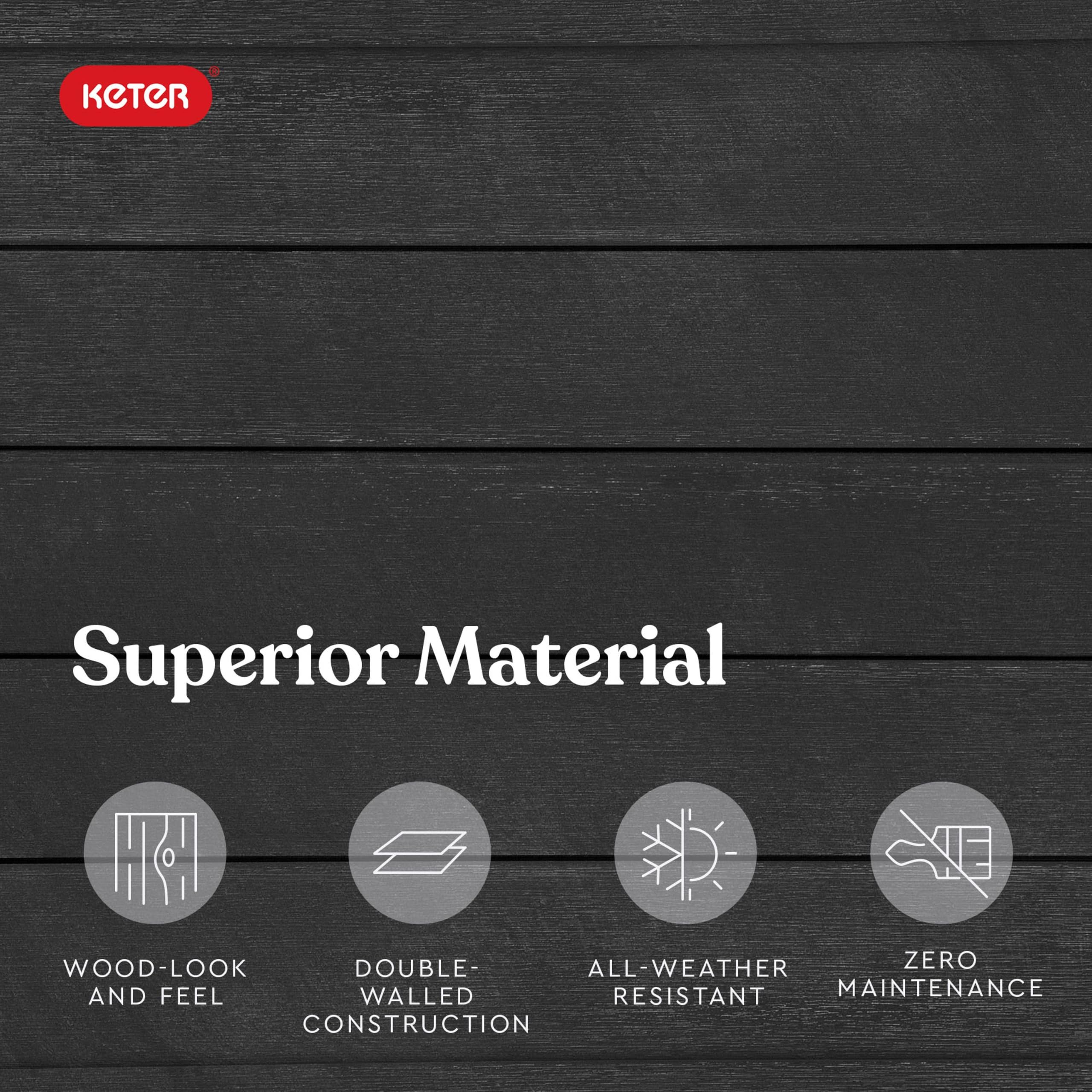
The Keter Urban Bloomer solves one of the most common frustrations in container gardening: forgetting to water. The built-in reservoir and color-coded water gauge do the thinking for you, letting you enjoy fresh herbs and greens on your patio without babysitting a watering schedule. For anyone who has killed a basil plant from inconsistent watering, this is a genuine quality-of-life upgrade.
Beyond the smart watering system, the planter looks good. The wood-grain texture on the resin exterior gives it a warmth that plain plastic pots simply cannot match. At 30.7 inches tall, it sits at a natural working height alongside most patio seating, so it reads as part of your outdoor decor rather than an afterthought tucked in the corner.
The drainage tap and seasonal portability mean this planter works year-round across climates, not just during summer. If you want a tidy, low-maintenance herb garden on a balcony or small patio without the rot and splinters of a wooden planter, this one delivers.
Styles it works with: Modern Farmhouse, Contemporary, Minimalist, Industrial Outdoor
Best placed in: Apartment balcony or terrace, patio corner alongside outdoor dining furniture, deck railing area near a kitchen entry for easy herb access
May not suit: Traditional or rustic-styled patios where natural wood planters would feel more cohesive; very small balconies under 40 square feet where the 32-inch length takes up significant floor space
Buy it if:
- You live in an apartment or condo and want a patio herb or salad garden without the mess and upkeep of traditional garden beds
- You have struggled with overwatering or underwatering container plants and want a self-regulating system that handles moisture automatically
- You want a planter that looks intentional in your outdoor space and pairs well with modern or contemporary patio furniture
Consider waiting if:
- You prefer a lighter color like white or terracotta to match your existing outdoor furniture, as this model only comes in dark grey
Skip it if:
- You plan to grow deep-rooted vegetables such as carrots, parsnips, or large tomato varieties that need more than 12 gallons of depth to develop properly
- You already have a large in-ground or raised wooden garden bed and do not need a compact, stand-height alternative
Check the latest price and availability on Amazon before it sells out.
Best Choice Products sits closer to the ceramic side because it behaves like a fixed patio piece, not a throwaway pot. The 48 x 24 x 30 inch elevated wood planter gives herbs or greens a raised working height, and its 4.5 owner rating suggests the format is working for people who don’t want to bend to ground level. It isn’t ceramic or plastic; it’s the natural-material answer for buyers who like ceramic’s steadier presence but need a larger planting bed.
WTFGO is the cleanest plastic-side pick because the listing centers on resin, wheels, drainage, and a 33.7 inch height. That combination is exactly why plastic planters exist: you can move them, divide them, and manage water without wrestling a heavy pot. The 4.5 rating helps, but the real advantage is mobility. Use this for balcony herbs, lettuce, or patio annuals you may need to roll out of hard sun.
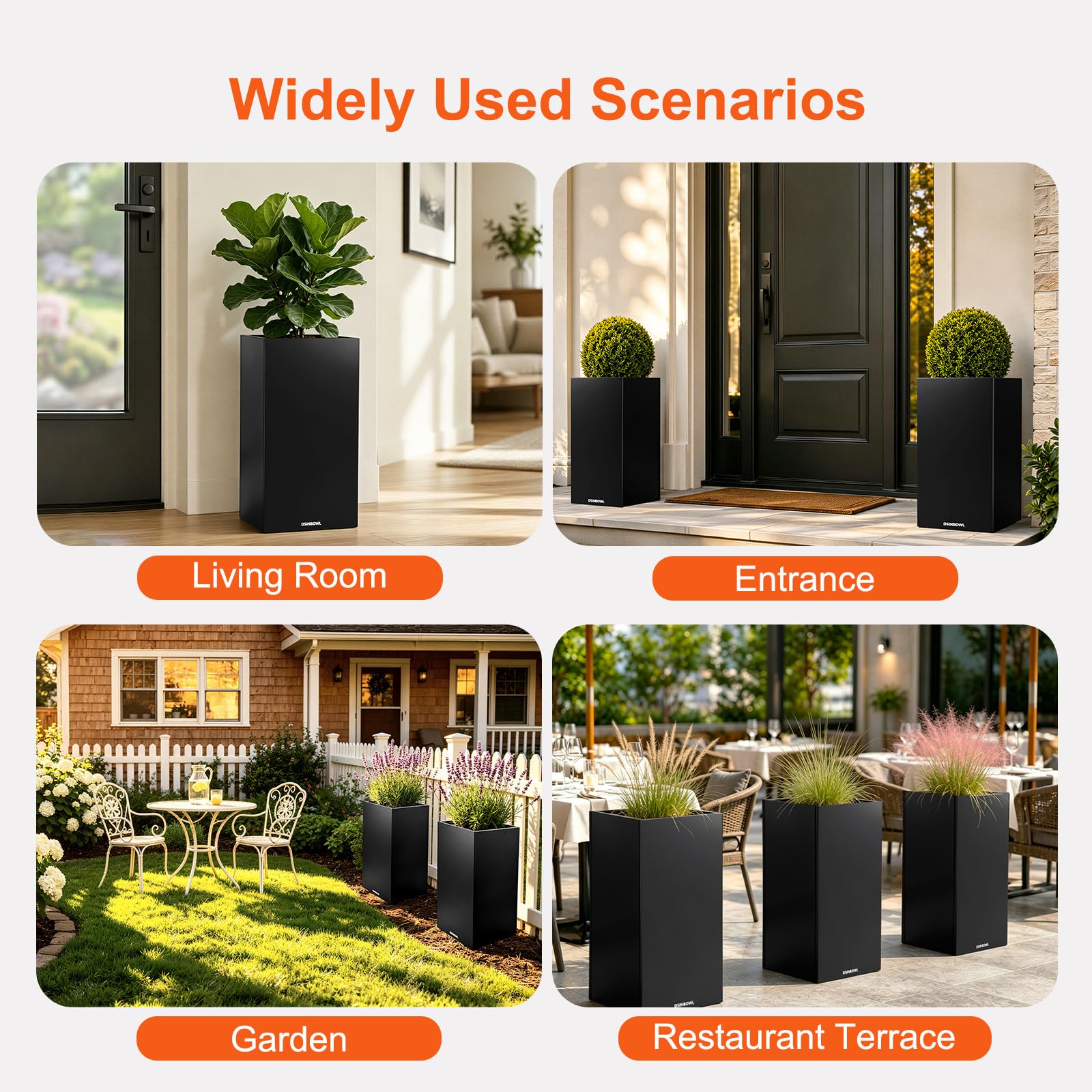
DSINBOWL represents the ceramic-side buyer who wants structure more than clay. The 15 x 15 x 30 inch galvanized steel planter has removable shelving and drainage holes, so it fits narrow patios where a round ceramic pot would waste corners. Metal brings its own heat issues in strong sun, but it won’t shatter if tipped. That makes it a smart choice for people who want a tall, architectural planter without the break risk of ceramic.
DIIYIV also leans ceramic-side, mostly because of scale and permanence. The 48 x 24 x 30 inch galvanized raised bed is built for patios, balconies, and small gardens where you want a dedicated planting zone. At a 4.4 rating, it’s more of a utility bed than a decorative pot. Use it for vegetables or herbs where drainage and working height matter more than the glazed look of a classic ceramic container.
Keter is the plastic-side pick for gardeners who want water control. The Urban Bloomer uses resin construction with a 12.7 gallon capacity and a self-watering gauge, so it solves the main plastic-planter concern: knowing whether moisture is sitting too low or drying too fast. Its 4.5 rating fits the use case. This is the one I’d pick for herbs near a kitchen door or a small patio where daily watering isn’t realistic.
The Verdict
Plastic wins for renters, balcony gardeners, hanging planters, and anyone moving pots more than once a month. It’s lighter, cheaper, and easier to manage through a full season of sun, watering, and layout changes. Ceramic wins for front porches, covered patios, indoor statement plants, and top-heavy greenery that needs ballast. It looks more finished and feels more permanent. For vegetables, herbs, and raised beds, skip the classic ceramic-versus-plastic frame and choose by structure: resin for mobility, wood or galvanized metal for a fixed 48 inch growing zone. The wrong pot is the one that makes watering, lifting, or winter storage harder than the plant itself.
Frequently Asked Questions
Are ceramic planters better than plastic planters?
It depends, but ceramic is better for permanent display pots and top-heavy plants. Plastic is better for movable containers, rentals, balconies, and seasonal planting. If the pot will sit by a front door for years, choose ceramic. If you’ll move it before frost, choose plastic.
Do plastic planters last outdoors?
Yes, if the resin is thick and UV-resistant. Thin plastic can fade, chalk, or crack after one hard summer, especially in black finishes. Look for a stiff rim, drainage holes wider than 0.5 inch, and enough wall thickness that the pot doesn’t flex when empty.
Will ceramic planters crack in winter?
Yes, they can crack if wet soil freezes inside them. Water expands below 32°F, and that pressure can split porous clay or weaken glazed ceramic. Empty saucers, lift pots off frozen ground, and move expensive ceramic containers under cover before repeated freeze-thaw cycles.
Which planter material is best for herbs?
Plastic usually wins for herbs because it’s light, affordable, and holds moisture longer during hot weeks. Basil, mint, parsley, and cilantro dry out fast in small containers. A resin planter with real drainage and 8 to 12 inches of soil depth is the safer starting point.
Are ceramic planters safe for balconies?
Sometimes, but weight is the limit. A large ceramic planter can exceed 35 lb after soil and water, and several pots can overload weak shelves or narrow rails. Use plastic or resin for rail planters, hanging baskets, and any balcony setup you need to rearrange.
Which looks more expensive: ceramic or plastic?
Ceramic usually looks more expensive because glaze, thickness, and weight read as furniture-grade details. High-quality resin can still look clean from 6 feet away, especially in matte white, stone gray, or terracotta finishes. Cheap shiny plastic gives itself away fast.




Write Your Review
No reviews yet. Be the first to share your experience!