

> Editorial Note: I’m Liam Wright, an outdoor and garden editor. I grew up in my family’s landscaping business and now cover what actually survives a season of UV, rain, and freeze-thaw cycles. The picks here are evaluated against ASTM weatherability standards and manufacturer durability ratings.
You flip the cushion over in June and find it, a black speckled patch spreading across the underside where the foam meets the frame. That’s not a bad cushion, it’s a moisture trap. Mold needs three things to grow, organic material, warmth, and water that sits longer than 24 hours, and a cushion left out in the rain hits all three. The fix is about drying and covering, not scrubbing harder. Build the rest of the patio to match with best patio furniture covers, best outdoor cushions for patio furniture, best deck box for storage, how to clean outdoor cushions with mildew, and how to store outdoor cushions over winter.
Reason 1: The Black Patch on the Underside (Trapped Moisture)
The classic mold spot lives on the bottom of the cushion, where it sat against the frame and never dried. Water runs through the fabric, pools in the foam, and the surface that touches the chair blocks the air that would dry it. A cushion that sits on a solid surface after a rain stays wet underneath for days, and days is exactly how long mold spores need to take hold.
Foam density makes it worse. A dense, closed-cell foam holds water like a sponge and dries slowly, while an open-cell or quick-dry foam drains and airs out faster. A cushion that’s still heavy with water two days after a rain is a cushion that’s about to mold, because the 24-hour wet window is the line mold waits behind.
The fix is airflow. Propping cushions on their sides after rain lets both faces dry, and a cushion that dries in 8 hours never reaches the mold threshold. ASTM weatherability standards rate how the fabric survives UV and rain, but drying is on you.
Reason 2: The Mold That Grows in the Fold (Storage Habits)
Cushions stored damp are the second biggest cause. A cushion folded or stacked while still slightly wet traps moisture in the folds where air can’t reach, and a dark, damp fold is mold’s favorite habitat. The spot you find in spring was usually born the day you put the cushions away in fall.
Stacking compounds it. A pile of cushions means the bottom ones carry the weight of the ones above, pressing out the air and trapping the damp against the next cushion. A stack of wet cushions is a mold factory, because every interface stays wet and airless until spring.
Dry before you store, every time. A cushion spread in the sun for an afternoon before going into the deck box or shed is the difference between a clean spring and a moldy one. If you can’t dry them, store them loose and uncovered where air can circulate rather than sealed in a damp bag.
Reason 3: The Green Film on the Top Surface (Tree Debris)
Sometimes the mold isn’t from rain at all, it’s from above. Tree pollen, leaf tannins, and bird droppings land on the cushion and feed mold with organic material, so a cushion under a tree can mold in dry weather if the debris sits long enough. The green or brown film on the top surface is usually organic, not moisture from the fabric.
A cushion under a heavy canopy collects debris faster than rain can wash it off, and that debris breaks down into the nutrient layer mold needs. A cushion in full sun with no overhead debris rarely grows surface mold, even after a rain, because the UV kills the spores and the rain rinses the food away.
Rinse the tops periodically. A hose-down every couple of weeks removes the pollen and leaf litter before it feeds anything, and a cushion under a tree needs this maintenance far more than one in the open. Consumer Reports’ outdoor-furniture guidance flags debris as a hidden mold source most owners overlook.
Reason 4: The Smell Before You See the Spots (Early Mildew)
Mold announces itself by smell before it shows by sight. A musty, sour odor when you press your face into the cushion means mildew is already growing in the foam even if the fabric still looks fine. By the time the black spots appear, the colony has been running for a week or more.
The smell comes from the inside out. Mold growing in the foam produces the musty volatile compounds you smell, while the fabric on the outside still looks clean because the colony hasn’t reached the surface yet. A cushion that smells musty but looks fine is not a cushion you should keep sitting on.
Pull the cover and check the foam. If the foam itself is discolored or smells sour, the cushion is past surface cleaning and the foam needs replacing or a deep soak in a mildew-killing solution. Surface cleaning the cover while the foam stays moldy just brings the smell back in a week.
Reason 5: The Mold That Returns After You Clean (Reinfestation)
Cleaning the spots and putting the cushion back in the same spot is why the mold comes back. Mold leaves spores behind in the foam and on the frame, and if the conditions that grew it the first time are still present, those spores sprout again within weeks. A cleaned cushion on a damp frame is a reinfected cushion.
The frame matters as much as the cushion. A wood or metal frame that stays wet or holds organic grime feeds the next round of mold, so cleaning the frame and letting it dry before the cushion goes back breaks the cycle.
Kill the spores, not just the spots. A solution of white vinegar and water, or a dedicated mildew cleaner, kills the spores in the foam so they don’t regrow. Bleach works but can fade the fabric, so check a hidden spot first. Clean, kill, dry.
The Right Gear Keeps Them Dry
Two things stop moldy cushions: covers that keep the rain off when the set isn’t in use, and storage that gets cushions out of the weather entirely. The picks below were chosen for owner ratings above 4.5 and for the waterproof, breathable construction that keeps cushions dry without trapping the damp that causes mold.
Start with the Vailge patio chair covers if you want heavy-duty waterproof covers for individual lounge chairs that stay dry through storms. Choose the Kipiea furniture set cover if you want a single large cover that protects the whole set at once. Pick the Mrrihand four-piece cover set if you have a sofa and chairs that each need their own cover with separate sizing.


Vailge Heavy Duty Waterproof Patio Chair Covers 37x40x30" - Triple Layer Protection with Windproof Straps
Pros
- Triple waterproof protection with taped seams prevents leaks during heavy rain
- Windproof double-lock system with adjustable straps keeps cover anchored in storms
- Heavy-duty 600D Oxford fabric resists tears and UV damage better than standard covers
- Built-in ventilation reduces condensation and prevents mold growth
- Padded handles make fitting and removal easy even for one person
Cons
- Requires measuring your chair carefully as fit varies by furniture shape
- May be overkill if you only need seasonal coverage or live in mild climates
- No customer reviews yet to verify long-term durability claims
This cover solves the two biggest frustrations with outdoor furniture protection: water pooling on top and covers blowing off in wind. The triple waterproof system with taped seams means you can stop worrying about rain seeping through stitching and rotting your cushions. The dual-lock windproof system with both click straps and adjustable toggles keeps it anchored even during unexpected storms.
What sets this apart is the thoughtful design details. Built-in air vents prevent that musty smell and mold buildup that cheaper covers create. Padded handles mean you are not wrestling with stiff fabric when the weather turns. The heavy 600D Oxford fabric feels substantial in your hands, not like those flimsy covers that tear after one season.
If you want year-round furniture protection that actually works without constant adjusting and replacing, this one delivers.
Styles it works with: Modern Farmhouse, Coastal, Traditional, Contemporary Outdoor Spaces
Best placed in: Covered patios with occasional rain exposure, poolside seating areas, deck furniture that stays outside year-round, balcony chairs in windy locations
May not suit: Oversized club chairs or recliners (measure first), furniture stored in fully enclosed sheds or garages where heavy-duty protection is unnecessary, chairs with unusual shapes or extra-wide arms that exceed 35" width
Buy it if:
- Your outdoor chairs stay outside year-round and face rain, snow, or strong winds
- You are tired of replacing cheaper covers that rip or blow away after one season
- You have invested in quality patio furniture and want to protect that investment
- You live in an area with unpredictable weather or frequent storms
Consider waiting if:
- You need to see real customer reviews before committing to this price point
- You are unsure about your chair dimensions and want to measure twice before ordering
Skip it if:
- Your chairs are stored indoors during off-season and only need light summer protection
- Your furniture dimensions exceed 35"W x 38"D x 31"H
- You live in a mild climate where basic water-resistant coverage is sufficient
Check the latest price and availability on Amazon before it sells out.

Kipiea Heavy-Duty Waterproof Patio Furniture Cover 110x84x28 - 420D Oxford, UV & Wind Resistant, 3-Year Warranty
Pros
- Double-layer PU coating rated for 200,000 PA water pressure keeps furniture completely dry
- Reinforced windproof straps support over 1200N force, preventing blow-off in high winds
- High-density 420D Oxford fabric resists tears and UV fading better than standard polyester covers
- Includes storage bag for convenient off-season storage
- 3-year replacement warranty backed by 24-hour customer service
Cons
- No customer reviews yet to verify real-world durability claims
- Large 110-inch size may not fit smaller patio sets or bistro tables
- Drawstring closure requires manual adjustment after heavy wind events
If you've watched cheap patio covers rip apart after one season or wake up to soaked cushions after a storm, this Kipiea cover addresses those frustrations directly. The 420D Oxford fabric with double-layer PU coating feels noticeably thicker than standard covers, and the reinforced windproof straps with sliding buckles mean you're not chasing your cover across the yard after every windy night.
What stands out is the engineering focused on real outdoor challenges: waterproof seam tape to prevent leaking at stitching lines, UV coating that blocks 99.99% of rays to stop that chalky fabric fade, and a storage bag so you're not cramming it into a random bin come spring. It's sized generously at 110 inches to drape over a full dining set, which means fewer gaps where rain sneaks in.
If you want year-round furniture protection without replacing your cover every season, this one delivers.
Styles it works with: Modern Coastal, Contemporary Outdoor Living, Transitional Patios, Urban Deck Spaces
Best placed in: Covered or uncovered patio dining areas, poolside lounge furniture clusters, rooftop deck seating sets, backyard conversation groups with sectionals and tables
May not suit: Small balconies or bistro sets under 6 feet (cover is oversized at 110 inches), homes in very low-wind areas where the heavy-duty windproof features are overkill, renters who move frequently and need lightweight portable covers
Buy it if:
- You have a large patio dining set or sectional arrangement that measures close to 110 inches long and you need year-round protection
- You live in a climate with heavy rain, snow, or strong winds and have had cheaper covers fail on you
- You want a cover that will last multiple seasons without fading, tearing, or needing replacement every year
Consider waiting if:
- You need to measure your furniture first to confirm the 110x84x28 dimensions will provide proper coverage without excess pooling
- You're looking for a mid-season sale price, though $35.79 is already competitive for this durability level
Skip it if:
- Your patio set is under 8 feet long (you'll have too much excess fabric that collects water and debris)
- You need a cover with a full zipper or velcro closure system instead of drawstring and buckles
Check the latest price and availability on Amazon before it sells out.

Pros
- Complete 4-piece set eliminates the hassle of mixing and matching individual covers
- 420D oxford fabric with PU coating and seam taping offers genuinely solid waterproofing at this price point
- Windproof buckles and adjustable drawstrings create a secure fit that holds through high winds
- Lightweight and easy to put on or remove without tools or help
- Strong 4.5-star rating across nearly 1,000 reviews signals consistent real-world satisfaction
Cons
- Dimensions are fixed, so buyers with non-standard or oversized furniture may find the fit too snug or too loose
- Black color, while practical, offers no variety for shoppers who want a cover that blends with a specific patio aesthetic
- Long-term UV resistance of the fabric has not been independently tested and may degrade over multiple seasons in direct sun
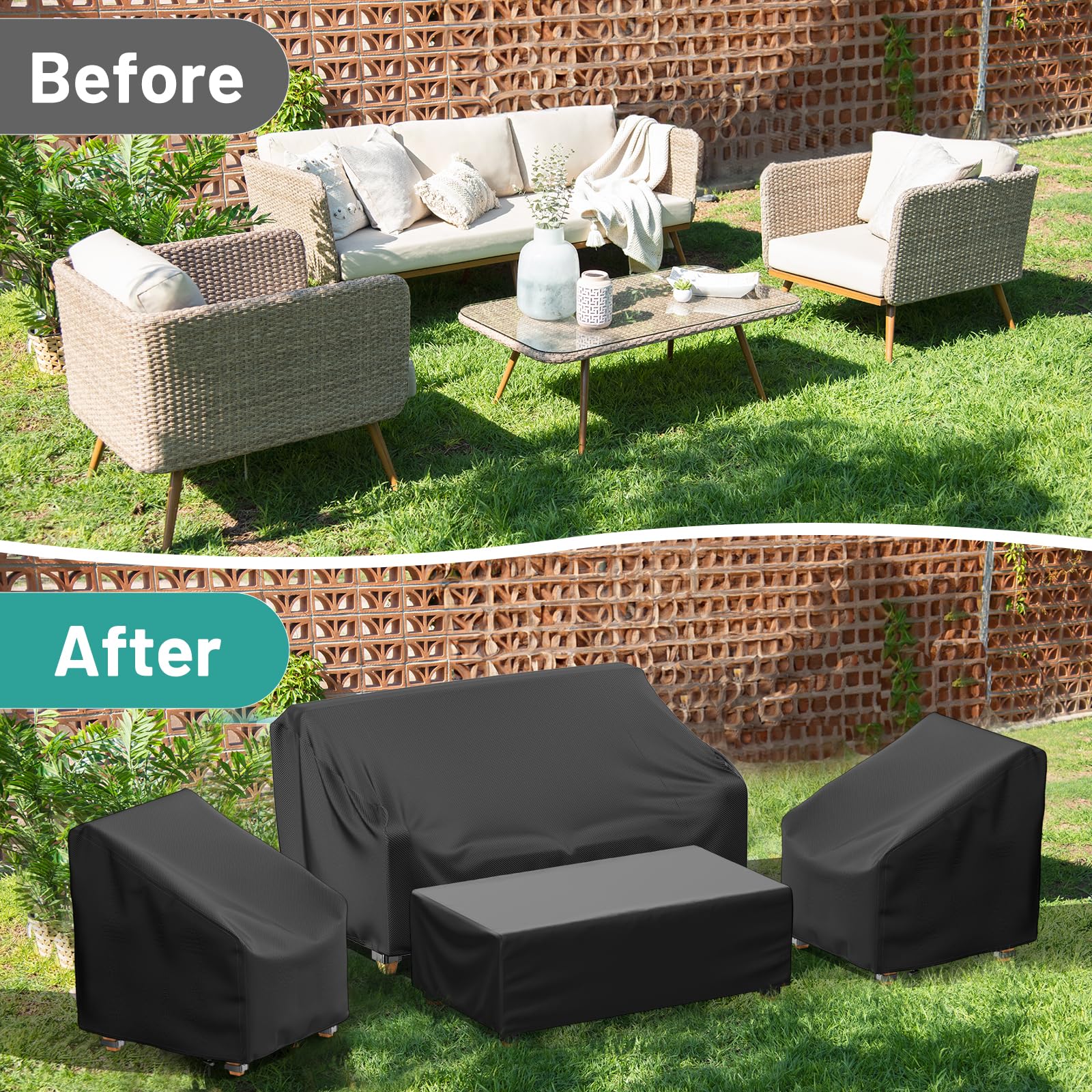
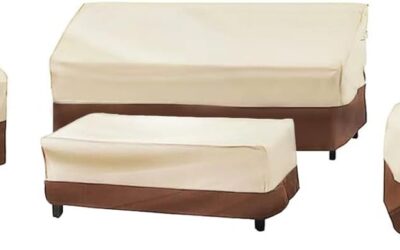
Shopping for patio furniture covers usually means buying each piece separately, hunting for compatible sizes, and still ending up with a mismatched set. Mrrihand solves that with one box that covers your entire seating area -- loveseat, two chairs, and the coffee table -- for well under $35. That kind of complete solution is genuinely rare at this price tier.
The fabric feels substantial straight out of the bag. The 420D oxford weave has the kind of weight you associate with covers that cost twice as much, and the PU-coated interior adds a layer of real waterproofing rather than the surface-level water resistance you get with budget alternatives. The buckle straps and adjustable hem cords are a thoughtful detail that make the covers feel secure rather than just draped over your furniture.
If you want full patio coverage that survives a full year of weather without hunting for multiple products, this one delivers.
Styles it works with: Modern Minimalist, Contemporary Outdoor, Industrial Patio, Classic Traditional
Best placed in: Open backyard patio seating areas, covered balconies, courtyard lounge setups
May not suit: Oversized sectional configurations that exceed the listed dimensions, patios with custom or unusually shaped furniture where a tailored cover would be a better fit
Buy it if:
- You have a standard loveseat, two accent chairs, and a coffee table set you want to protect through multiple seasons
- You live in a region with rain, snow, or heavy wind and need covers that actually stay put
- You want a complete set solution without the hassle of sourcing compatible individual covers
Consider waiting if:
- You are waiting for a color option beyond black that better blends with your outdoor decor
Skip it if:
- Your furniture is oversized or non-standard and falls outside the listed dimensions
- You need UV-rated, multi-season covers with a verified long-term durability rating for a high-sun climate
Check the latest price and availability on Amazon before it sells out.
The Two-Minute Cushion Check
Check the underside first. Flip a cushion and look at the bottom and the spot where it sat on the frame, because that’s where mold starts. Black speckles or a damp smell mean the cushion isn’t drying and needs to be propped or stored differently.
Next, check your cover habit. If the cushions sit uncovered in every rain, they’re wet for days at a time and the 24-hour mold window is wide open. A cover over the set when it’s not in use cuts the wet time dramatically.
Then check the storage. If you put damp cushions away last fall, the mold you see now started then. Dry cushions fully before storing, and never seal damp ones in a bag. Underside, covers, storage. Cover those three and mold rarely gets a foothold.
What to Try Before Replacing the Cushions
Start with a vinegar soak. A one-to-one mix of white vinegar and water kills mold spores in the foam without bleaching the fabric, and it’s the cheapest first move. Spray it on, let it sit 15 minutes, then rinse and dry the cushion fully in the sun.
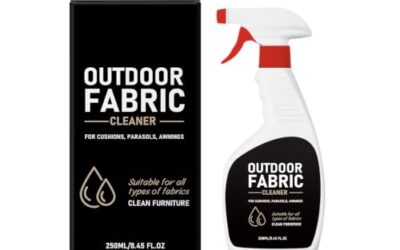
Use a dedicated mildew cleaner next if the vinegar doesn’t clear it. A commercial outdoor-fabric cleaner lifts the stains and kills the spores in one step, and the ones with quaternary ammonia work on both fabric and foam. Bleach is a last resort because it fades colors and degrades the fabric over time.
Then change the drying habit. A cushion that’s cleaned but goes back to the same damp, shady spot will mold again, so prop it to dry after every rain and cover the set when it’s not in use. If the foam itself is crumbling or stays sour after two cleanings, replacement is the only real fix.
Frequently Asked Questions
How do I get mold off my outdoor cushions?
Spray the affected area with a one-to-one white vinegar and water mix, let it sit 15 minutes, scrub with a soft brush, then rinse and dry the cushion fully in the sun. Vinegar kills the spores in the foam without bleaching the fabric. For stubborn spots, a dedicated mildew cleaner with quaternary ammonia works on both fabric and foam.
Can I leave outdoor cushions in the rain?
Not for long. A cushion caught in one rain is fine if it dries within 8 to 12 hours, but cushions that stay wet for over 24 hours hit the mold threshold. Cover the set when it’s not in use, and prop cushions on their sides to dry after every rain.
Will bleach damage outdoor cushion fabric?
It can. Bleach kills mold effectively but fades colored fabrics and degrades the fibers over time. Check a hidden spot first, and use a diluted solution only on white or light-color cushions. Vinegar or a dedicated mildew cleaner is safer for colored outdoor fabrics.
How do I keep outdoor cushions from molding over winter?
Dry them fully before storing, never damp. Store them loose and uncovered where air can circulate, or in a breathable deck box, not sealed in a plastic bag. A cushion spread in the sun for an afternoon before going into storage is the difference between a clean spring and a moldy one.
Should I replace a moldy cushion or try to clean it?
It depends on the foam. If the fabric is stained but the foam is intact and the smell clears after a vinegar soak, cleaning works. If the foam is crumbling, stays sour after two cleanings, or the mold has spread through the whole cushion, replacement is the only real fix.
Bottom Line
Outdoor cushions mold for five reasons, trapped moisture underneath, damp storage, tree debris, mildew in the foam, and reinfestation from a dirty frame, and trapped moisture is the one behind 80 percent of cases. A cover over the set and a habit of propping cushions to dry after every rain handles most of it, and a vinegar soak cleans the rest. If the foam itself is sour and crumbling, stop cleaning and replace it, because no cover saves a cushion that’s already moldy inside.

Write Your Review
No reviews yet. Be the first to share your experience!