

> Editorial Note: I’m Maya Chen, a bedroom and sleep editor covering mattresses, bed frames, and bedding. The picks here are evaluated against CertiPUR-US foam standards, Sleep Foundation evaluation protocols, and owner durability reports from r/Mattress.
An organic mattress only earns the label if the materials back it up, and that usually means more than one green-looking marketing claim. GOTS cotton, GOLS latex, and fiberglass-free construction are the details that separate a truly cleaner build from a mattress that just sounds natural. If you’re still building out the room, start with best platform bed with storage, best memory foam mattress, best cooling mattress topper, wall art for bedroom, and best reading pillow for bed.
How We Evaluated
For this list, I focused on mattresses that clearly advertise organic or natural-material construction, with special attention to GOTS cotton, GOLS latex, and foam components that stay within CertiPUR-US limits. I also weighed coil support, edge reinforcement, thickness, and sleeper feel, because a mattress can be “clean” on paper and still fail in daily use. Organic claims matter most when they line up with the build: latex instead of mystery foam, wool as a natural fire barrier, and no fiberglass surprises.
A few of these picks use the word organic more narrowly than others, so read the materials line before you buy. The best mattress here is the one whose actual construction matches your expectations for firmness, cooling, and chemical profile.
A mattress page can sound clean and still hide a conventional foam stack. That’s why the label line matters more than the lifestyle copy. GOTS tells you about organic textile content, GOLS tells you about certified latex, and CertiPUR-US helps sort out foam claims when foam is part of the build. Those three signals won’t make a mattress perfect, but they do keep the category honest.


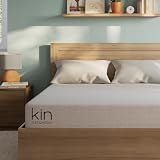
1. COTTON SLEEP 11″ Organic Mattress — The Cleanest Material Story
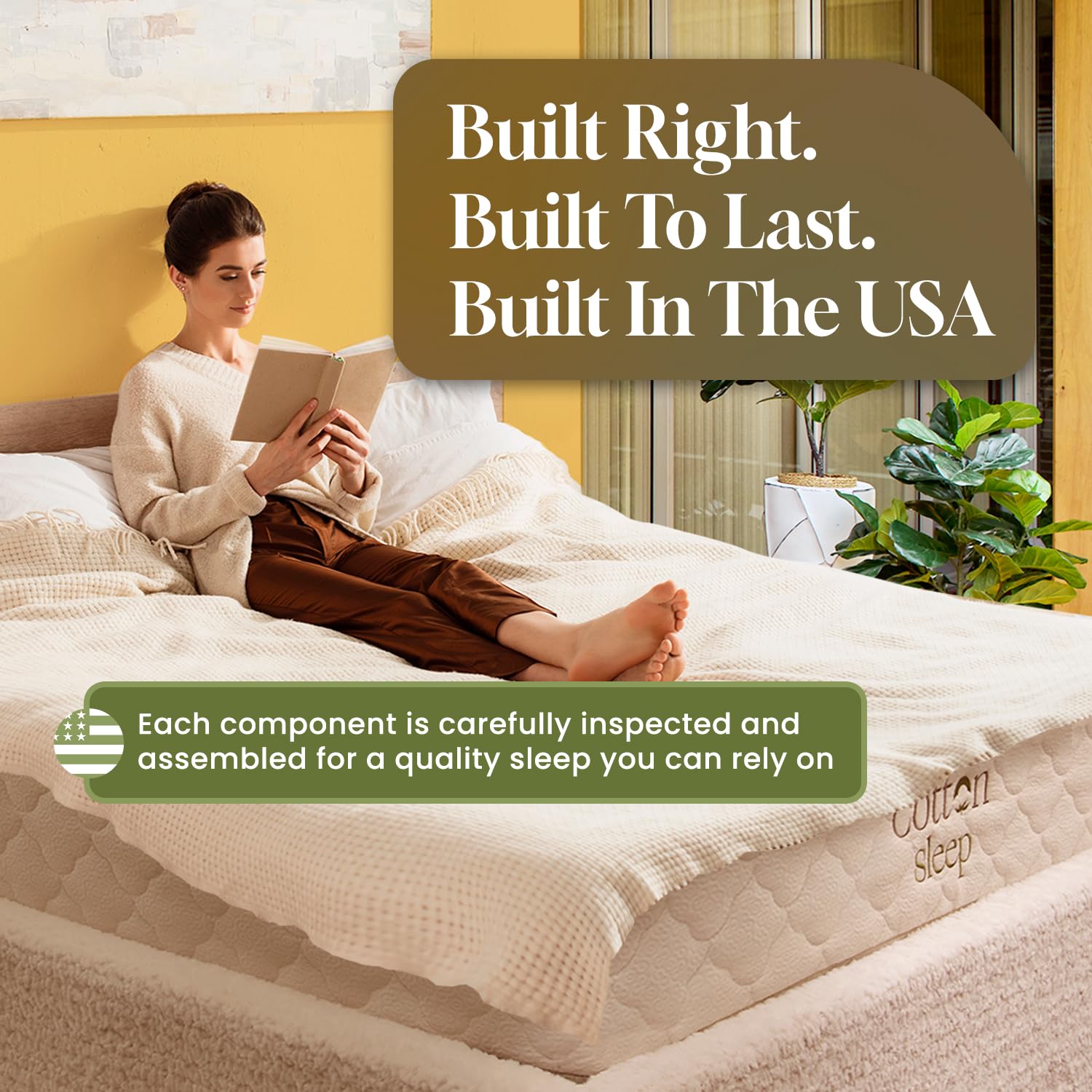
COTTON SLEEP is the most straightforward option here if you want a mattress built around natural materials instead of a foam-heavy comfort stack. The listed mix of GOTS cotton and wool, GOLS natural latex, and hybrid pocket coils gives it a stronger organic case than most mattresses that only borrow the word organic for the cover.
That structure should appeal to people who want a responsive feel with more bounce than all-foam beds. It also makes sense for couples who dislike the stuck-in-place sensation of dense memory foam. The wool layer helps with temperature moderation, and the coil base should keep the mattress feeling more open than a sealed foam core.
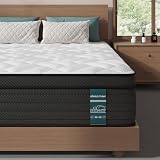
2. SURLUNKEYS King 14″ Organic Mattress — Best for Bigger Frames and Hot Sleepers
The king-size SURLUNKEYS version is the clear pick if you want more surface area and a taller profile. At 14 inches, it has a more substantial build than the 11-inch options, and the gel foam plus edge support setup points toward a steadier perimeter for people who sit on the edge or share the bed.
This is the better call for larger bedrooms, heavier sleepers, or couples who want more buffer from motion transfer. The medium-to-firm feel should suit back and stomach sleepers best, and the king format gives you room to spread out without crowding the frame. If you sleep hot, the hybrid layout gives you more airflow than a dense foam block.
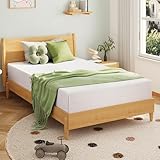
3. Zinus 12″ Green Tea Memory Foam Mattress — The Budget-Friendly Non-Organic Wild Card
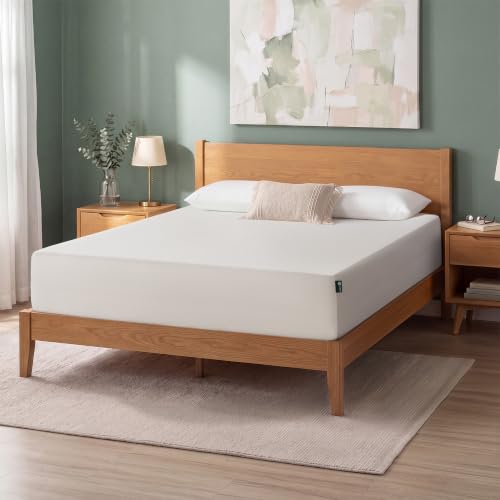
Zinus is the outlier on this list, and that’s useful because not every shopper wants to pay for a fully natural-material build. This one is green-tea memory foam, not a fully organic mattress, so it belongs here as a comparison point for people who want a softer price without pretending it’s the same thing as GOTS cotton and GOLS latex.
It makes sense if your main goal is medium-firm comfort in a queen size and you’re fine trading organic credentials for a familiar foam feel. The 12-inch profile gives it more cushion than a basic low-profile bed, and the green-tea branding may appeal to buyers who want a less synthetic story. Just keep the line clear: this is a conventional foam mattress with a cleaner marketing angle, not a certified organic build.
4. COTTON SLEEP 11″ Organic Mattress — Best for Smaller Rooms That Need Real Materials
This second COTTON SLEEP listing is the same organic construction story, but it matters because the mattress family is likely being offered across size variants. That makes it a strong choice for smaller bedrooms where you still want GOTS cotton, GOLS latex, and a coil support system without jumping to a taller 14-inch profile.
If your room is tight, an 11-inch mattress can look and feel less bulky on a platform bed or lower frame. It keeps the bedding stack from getting too tall, and that matters when you want an easy climb-in height. The appeal here is simple: same natural-material logic, less visual bulk.
5. SURLUNKEYS Queen 14″ Organic Mattress — The Better Fit for Most Bedrooms
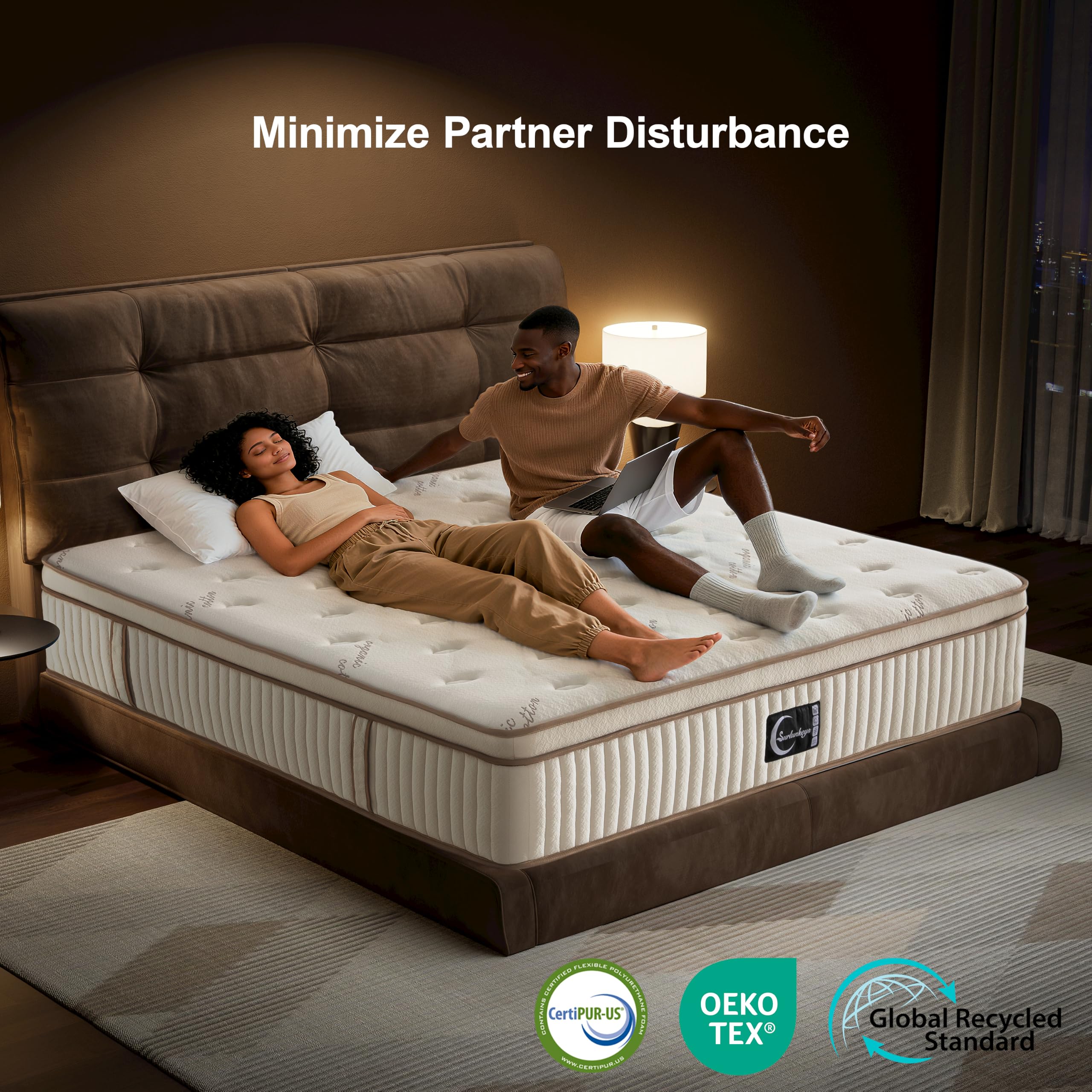
The queen SURLUNKEYS version is probably the most practical size in the lineup for a lot of homes. Queen gives you enough sleeping width for two people without asking for a king-scale room, and the 14-inch height adds a more substantial mattress presence on the bed.
If you want the SURLUNKEYS feel but don’t have the floor space for king, this is the version to watch. The medium-to-firm profile should work well for combination sleepers, and the edge support helps if you like to sit while dressing or reading. It feels like the most flexible SURLUNKEYS option for everyday use.
Comparison Table
| Pick | Materials | Feel | Best For | Rating |
|---|---|---|---|---|
| COTTON SLEEP 11″ | GOTS cotton, wool, GOLS latex, pocket coils | Responsive medium | Natural-material buyers | N/A |
| SURLUNKEYS King 14″ | Hybrid build, gel foam, edge support | Medium to firm | Hot sleepers, larger beds | N/A |
| Zinus 12″ Green Tea | Conventional memory foam | Medium firm | Budget shoppers | N/A |
| COTTON SLEEP 11″ | GOTS cotton, wool, GOLS latex, pocket coils | Responsive medium | Smaller rooms | N/A |
| SURLUNKEYS Queen 14″ | Hybrid build, gel foam, edge support | Medium to firm | Most bedrooms | N/A |
Buying Guide: What Actually Makes an Organic Mattress Worth It
Start with the materials label, not the product title. GOTS matters for organic textile content, GOLS matters for latex sourced to organic standards, and CertiPUR-US matters when foam is part of the build because it sets limits on certain chemicals and emissions. Those labels don’t make a mattress perfect, but they do tell you a lot more than words like “natural” or “eco-friendly.”
Thickness changes how the bed feels in real life. An 11-inch mattress usually looks lighter and sits lower, while a 14-inch model often feels more substantial and can hide a more complex comfort stack. If you’re shopping for a shared bed, pay attention to edge support and coil count language, because those details affect how much of the mattress feels usable.
Also consider the fire barrier story. Wool is a common natural fire barrier in better organic mattresses, while fiberglass-free construction removes a concern that shows up in a lot of conventional beds. That’s not a luxury detail. It’s one of the first things I look for.
GOTS, GOLS, and Foam Labels: How to Read the Claims
GOTS and GOLS are the most helpful labels in this category because they tell you which natural materials were certified and how those materials were handled. If a mattress has only one of those labels, read carefully; it may still be a good bed, but it isn’t the same as a mattress built around certified organic layers from top to bottom.
CertiPUR-US is different. It applies to foam, so it matters most in hybrid and memory foam beds where polyurethane foam still plays a role. That doesn’t make a mattress organic, but it does help separate a cleaner foam formula from a vague foam blend. Think of it as a minimum filter, not a finish line.
Frequently Asked Questions
Is an organic mattress always better than a regular mattress?
No. It depends on what you want to fix. If your priority is certified materials, fewer synthetic layers, and a more natural latex-and-wool build, organic can be worth the price. If you mainly want deep cushioning or the lowest possible cost, a conventional mattress may fit better.
What should I look for first on an organic mattress label?
Start with GOTS, GOLS, and the full materials list. Those tell you more than “organic” in the title. If foam appears anywhere in the build, look for CertiPUR-US as well.
Are hybrid organic mattresses cooler than all-foam beds?
Yes, usually. Coil support opens the mattress up and lets air move more freely than dense foam. A wool layer can help too, but the biggest cooling advantage usually comes from the hybrid structure.
Is latex always organic?
No. Latex can be natural, blended, or certified organic, and those are not the same thing. GOLS is the label that matters when you want certified organic latex.
Does fiberglass-free really matter?
Yes. Fiberglass-free construction matters because it removes a material that many buyers don’t want anywhere near the sleep surface or cover. It won’t change comfort, but it does change peace of mind.
Which firmness level works best for most people?
Medium to medium-firm is the safest starting point. It usually suits back sleepers, many combination sleepers, and couples who don’t want a bed that feels too soft or too rigid.
Bottom Line
The COTTON SLEEP 11″ mattress is the one most organic buyers should start with because its GOTS cotton, GOLS latex, and coil base make the cleanest materials story here. If you want more room, the SURLUNKEYS queen or king version gives you a taller hybrid feel with stronger edge support. The Zinus belongs in the conversation only as the budget foam exception, not as a true organic substitute.
Organic mattresses still live or die on the details. A wool fire barrier, a clear latex claim, and a precise foam label tell you more than any lifestyle photo ever will. That’s especially true when a product page is trying to sound clean without saying much.
The queen format tends to be the easiest fit for most bedrooms. King is better if you want more room to spread out, but the larger size also asks for a frame that doesn’t flex. No mattress can solve a weak base. Not even a very good one.


Write Your Review
No reviews yet. Be the first to share your experience!