

> Editorial Note: I’m Maya Chen, a bedroom and sleep editor covering mattresses, bed frames, and bedding. The picks here are evaluated against CertiPUR-US foam standards, Sleep Foundation evaluation protocols, and owner durability reports from r/Mattress.
Memory foam vs spring mattress is really a choice between close pressure relief and active lift, so the right answer starts with how you sleep, how warm your room runs, and whether you share the bed. If you’re building the whole bedroom around that decision, the support below the mattress matters too: a best platform bed frame can change how firm either style feels, a best down alternative comforter can reduce heat buildup, a best memory foam mattress makes sense for pressure-sensitive side sleepers, a best cooling mattress helps hot sleepers narrow the field, and a best nightstand with charging station keeps the room practical once the bed is settled.
Neither category wins for everyone. Memory foam absorbs motion and shapes around shoulders and hips. Spring mattresses, including modern pocket-coil hybrids, push back faster and usually move more air through the bed. Same room. Different feel.
The Key Differences at a Glance
| Factor | Memory Foam | Spring Mattress |
|---|---|---|
| Feel | Slow contour, low bounce, 2–4 inch comfort layers | Faster response, higher bounce, coil support core |
| Motion transfer | Strong isolation for couples | Better with pocket coils than open coils |
| Heat control | Can trap warmth unless gel or open-cell foam is used | Better airflow through 6–8 inch coil units |
| Edge support | Depends on foam density and perimeter design | Usually stronger with reinforced coils |
| Best fit | Side sleepers, light sleepers, pressure sensitivity | Combination sleepers, heavier bodies, warm rooms |
| Setup base | Solid platform or slats under 3 inches apart | Slats, box spring, or platform depending on build |
When Memory Foam Wins
Memory foam wins when pressure relief matters more than bounce. Side sleepers often feel this first because the shoulder and hip need enough give to keep the spine from angling upward. A 10 inch all-foam mattress with 2 to 3 inches of softer comfort foam can feel calmer than a spring bed, especially for people under 180 lb who don’t sink deeply enough to engage firm coils.
It also wins for couples with different sleep schedules. Foam dampens motion before it travels across a queen size surface, so one person can roll over without making the other side ripple. That’s the practical reason Sleep Foundation often separates motion isolation from overall firmness in its mattress guidance.
Memory foam is the quieter choice too. No coil ping. No frame rattle from a lively support core. If your bedroom shares a wall with a nursery or you wake easily at 3 a.m., that matters.
The trade-off is heat. CertiPUR-US certification can speak to foam content standards, but it doesn’t make a mattress cool. For hot sleepers, look for breathable covers, gel infusions, or a thinner comfort layer that doesn’t wrap the body too tightly.
When Spring Mattress Wins
Spring mattresses win when you want lift, airflow, and easier movement. A pocket-coil support core gives the bed a quicker rebound, which helps combination sleepers switch from side to back without feeling stuck. That’s the whole difference. Foam hugs; coils assist.
They also make more sense for warm bedrooms. Air can move through the coil cavity, especially in hybrids with 6 inch or taller spring units. If your room sits above 72 degrees at night or you use a heavy comforter, a spring build usually sheds heat better than dense foam.
Heavier sleepers may prefer springs because coils resist compression across a larger range. A medium-firm hybrid can keep the pelvis from dipping while still using foam on top for comfort. Wirecutter’s mattress coverage often points readers toward construction details like coil type, foam density, and return policy because brand labels alone don’t predict feel.
Spring beds also tend to have stronger edges. That matters if you sit on the side to put on shoes, share a full or queen mattress, or sleep close to the edge. A few extra inches of usable surface can make a 60 by 80 inch queen feel less crowded.
Cost, Durability, and Maintenance
Budget changes the comparison. Under about $400 for a queen, all-foam beds can feel more consistent because there are fewer moving parts and less metal to source. Spring mattresses at that price can still work, but low coil counts and thin comfort layers may show sag sooner in the center third.
In the $500 to $900 range, hybrids become more compelling. Pocket coils, zoned support, and 12 to 14 inch profiles are common, and the bed can balance contour with airflow. That’s why many modern “spring” recommendations are actually hybrids rather than old-school innersprings.
Maintenance is simple but not optional. Rotate either style every 3 to 6 months during the first year. Use a foundation that matches the warranty language, especially with foam mattresses that may require slats less than 3 inches apart. Don’t put either mattress directly on the floor in a humid room. Trapped moisture shortens the life of the cover and lower foam layers.
Our Top Picks for Each
The five mattresses below were selected around queen-size availability, 10 to 14 inch profiles, owner ratings above 4.4 where available, and construction that helps explain the memory foam vs spring mattress decision in real terms. Start with the hybrids if you want coil lift; jump to the all-foam EGOHOME if motion control and close contour are the priority.
Pros
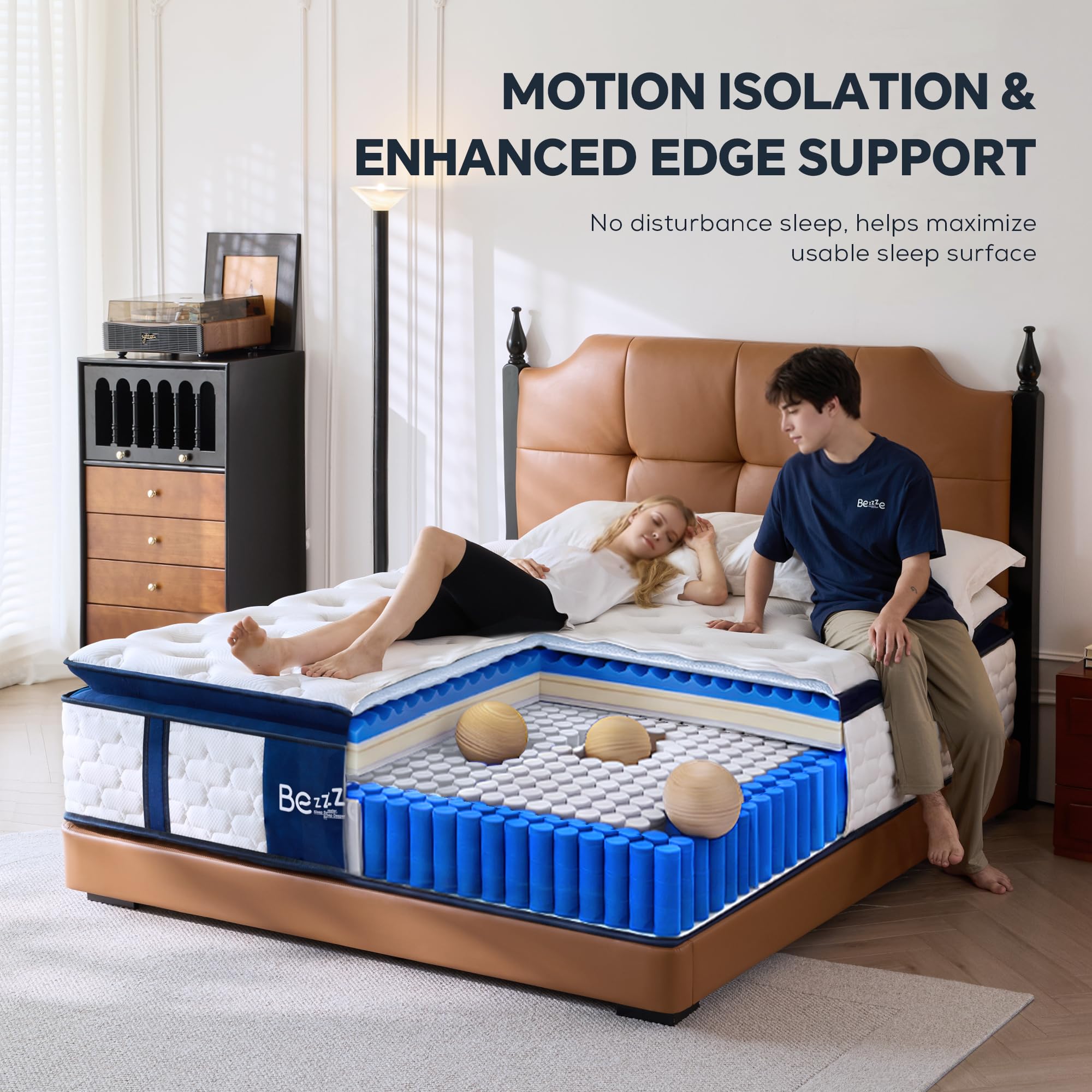
- Multi-layer cooling system with ice silk fabric and open-cell foam keeps temperature regulated
- Independent pocket coils provide targeted support and near-silent motion isolation
- Heavy-duty edge support system prevents sagging and extends usable sleep surface
- CertiPUR-US certified foams with no fiberglass for safer indoor air quality
- Competitive price for a 14-inch hybrid with zoned support technology
Cons
- Only 2 customer reviews available, making long-term durability hard to verify
- Firm feel may not suit slepers who prefer a plush or medium-soft mattress
- Relatively new brand with limited track record compared to established mattress companies
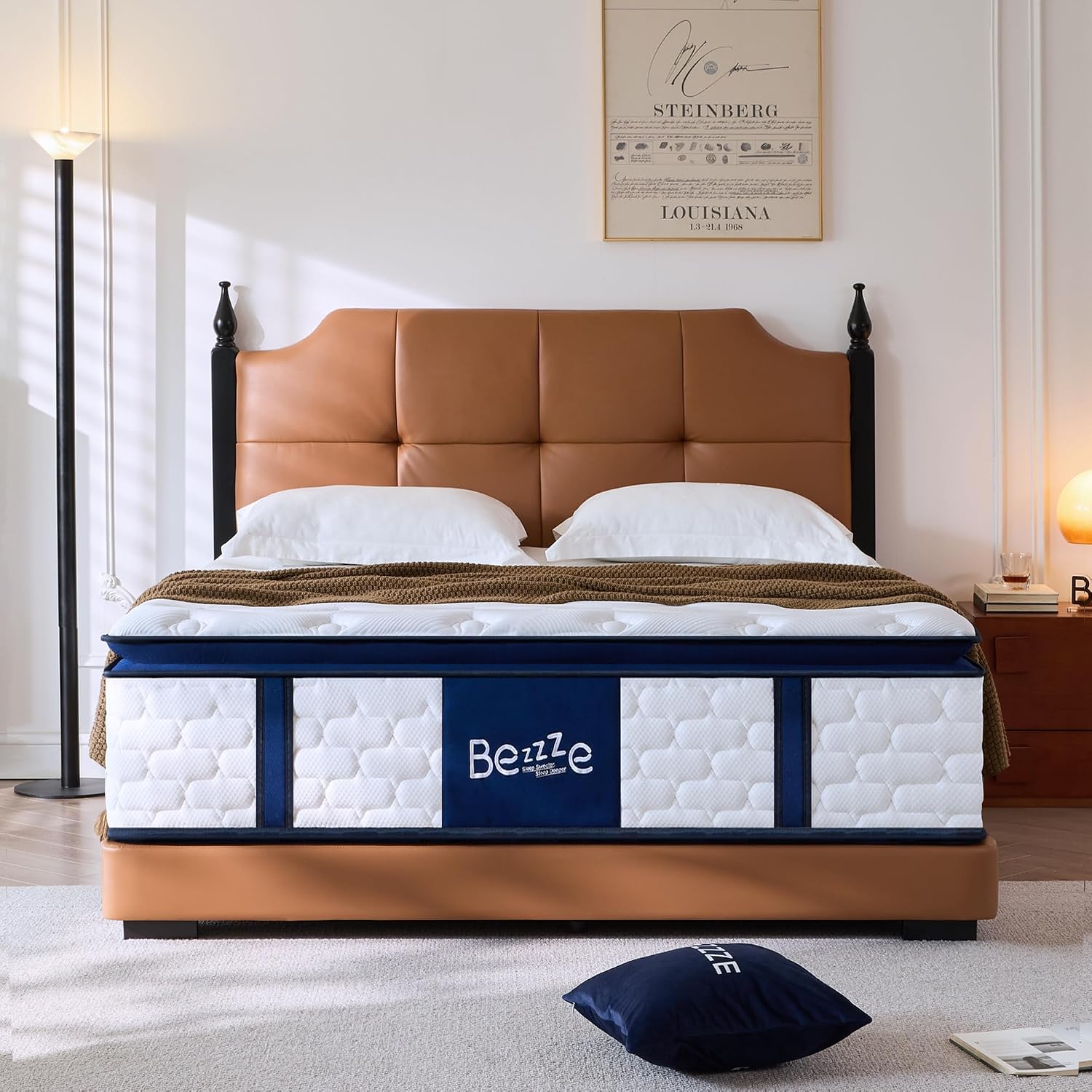
The Bezzze hybrid mattress hits a sweet spot that is hard to find at this price: genuine firm support paired with enough cushioning that side sleepers will not wake up with sore shoulders. The zoned pocket spring system means your hips and lumbar get different levels of support, which is something you typically see in mattresses costing twice as much.
What stands out most is the cooling package. Between the ice silk cover, ventilated coils, and open-cell foam layers, this mattress actively works to move heat away from your body. If you or your partner run hot at night, that is a real quality-of-life upgrade over a standard memory foam bed.
If you want hotel-firm support with genuine cooling performance without spending over $500 on a queen, this one delivers.
Styles it works with: Modern Minimalist, Contemporary, Transitional, Scandinavian
Best placed in: Master bedroom on a platform frame, guest bedroom with a simple bed base, adjustable base setup for couples
May not suit: Slepers who prefer a plush sinking feeling, very lightweight individuals under 130 lbs who may find the firm surface too rigid, or low-profile bed frames where a14-inch mattress would sit too high
Buy it if:
- You sleep hot and need a firm mattress that will not trap body heat
- You share a bed and partner movement currently wakes you up
- You have back pain and need zoned lumbar support without sacrificing comfort
Consider waiting if:
- You want to see more long-term reviews before committing to a newer brand
- You are comparing multiple options and want to wait for a seasonal sale
Skip it if:
- You prefer a soft or medium mattress that lets you sink in deeply
- You need a twin, full, or king size as this listing is queen-specific
Check the latest price and availability on Amazon before it sells out.
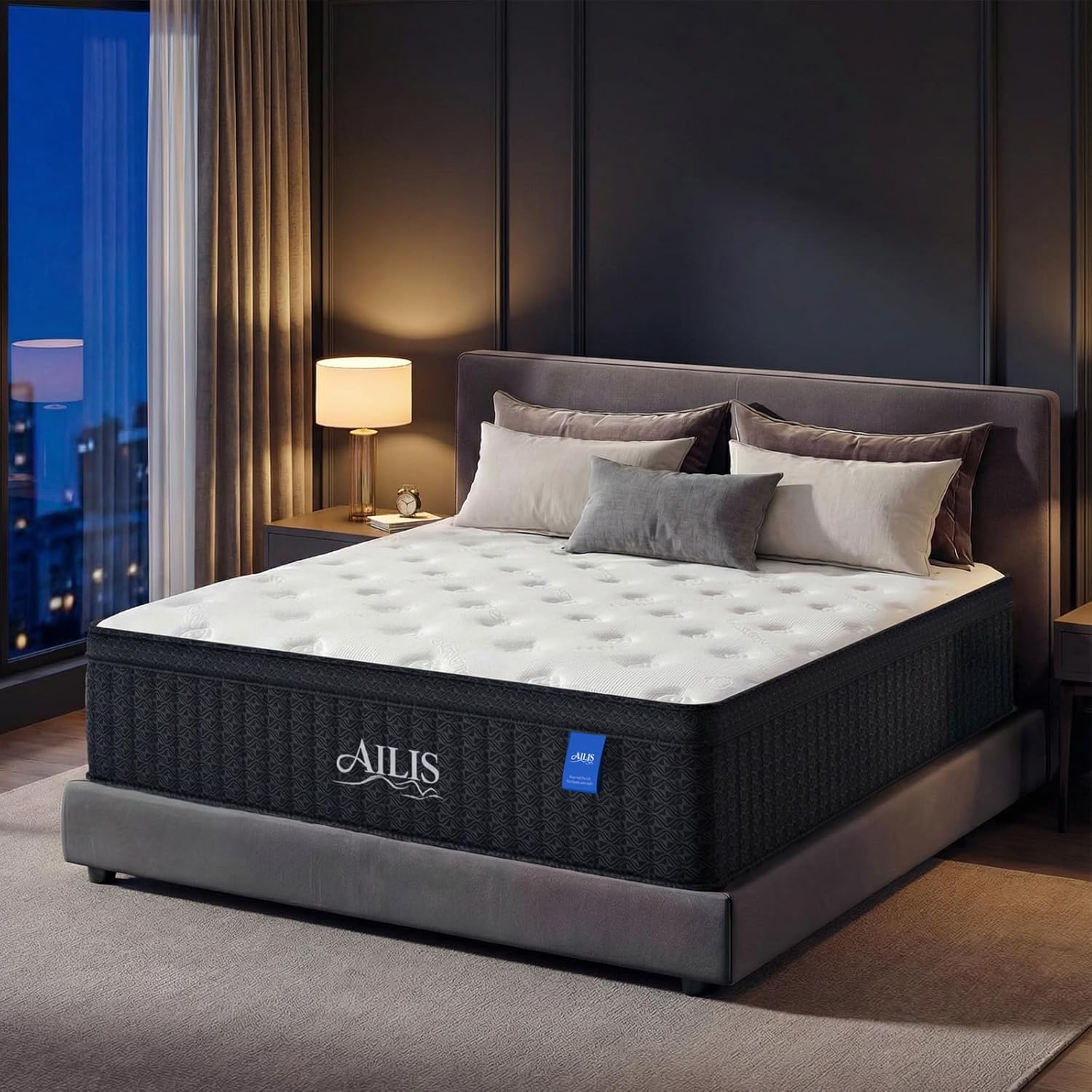
Ailis 12 Inch Queen Hybrid Mattress in a Box | Pocket Springs + Cooling Gel Foam | Medium Firm
Pros
- Competitive hybrid build with pocket springs and cooling gel foam at a budget-accessible price
- Strong reinforced edge support across the full perimeter, which is uncomon at this price point
- Cooling gel layer and ventilated cover make a practical difference for warm and hot sleepers
- Pocket spring system provides low-motion transfer that works well for couples sharing a bed
- Works with platform frames, slatted bases, and floor placement without additional accessories
Cons
- Requires 24to 72 hours to fully expand before sleeping, which can be disruptive if you need the mattress immediately after delivery
- Medium firm feel will not satisfy sleepers who strongly prefer a plush, pilow-top, or ultra-firm surface
- No listed sleep trial or white-glove delivery, which is worth factoring in before committing to the purchase
At under $200, the Ailis queen hybrid delivers a construction that usually commands a much higher price. The combination of individually wrapped pocket springs and cooling gel memory foam gives the mattress a substantive, well-enginered feel from the first night, not the flat or spongy experience common in budget foam-only options.
The medium firm comfort level is one of the most livable choices across sleeping positions. It supports your lower back on your side, holds shape when you shift to your stomach, and provides just enough give at the shoulders to prevent that rigid, slab-like feeling. The 3D honeycomb cover and gel layer are not just marketing language here as they genuinely keep the sleep surface cooler, which matters in warmer bedrooms or for anyone who runs hot.
For couples, the independently wrapped coils are the headline feature. Motion stays local to one side of the bed, so a restless partner does not ripple across to you. If you want deep, undisturbed sleep without stretching your budget, this one delivers.
Styles it works with: Scandinavian, Modern Minimalist, Contemporary, Transitional
Best placed in: Primary bedroom, guest bedroom, studio apartment bedroom
May not suit: Adjustable base setups since compatibility is not confirmed by the manufacturer, or buyers furnishing a luxury master bedroom where a pilow-top or premium profile mattress would better match the aesthetic
Buy it if:
- You share a bed and need reliable motion isolation without upgrading to a high-end mattress
- You sleep hot and want active cooling built into the mattress at an accessible price point
- You need a queen mattress for a guest room, rental property, or first apartment and want solid quality without overspending
Consider waiting if:
- You want to test firmness in person before buying, as this is a compressed box delivery with no listed sleep trial period
Skip it if:
- You strongly prefer a soft or ultra-plush feel, since this mattress is designed around a medium firm support profile
- You use or plan to use an adjustable base and need confirmed compatibility before purchasing
Check the latest price and availability on Amazon before it sells out.

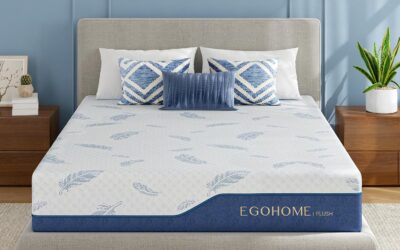
EGOHOME 10 Inch Queen Memory Foam Mattress with Cooling Green Tea Gel - Medium Firm Support, CertiPUR-US Certified
Pros
- Green tea gel and breathable design address the main complaint about memory foam (sleeping hot)
- Medium-firm feel works for back, side, and stomach sleepers without needing to choose
- Temperature-stable foam maintains consistent support year-round
- Motion isolation reduces partner disturbance during the night
- Affordable price point for a queen mattress under $250
Cons
- No customer reviews yet to verify real-world performance and durability
- 10-inch profile may feel thin compared to 12-14 inch premium mattresses
- Mattress-in-a-box may need 48-72 hours to fully expand and off-gas before use
This EGOHOME mattress tackles the two biggest complaints about memory foam: sleeping hot and feeling stuck. The green tea gel infusion isn't just a gimmick; it genuinely helps regulate temperature while the bubble hole structure lets air flow through the foam. You get that pressure-relieving memory foam hug without waking up sweaty at 3am.
The medium-firm feel hits a sweet spot that works whether you sleep on your back, side, or stomach. It contours enough to cushion your shoulders and hips, but stays supportive enough to keep your spine aligned. The foam also adapts quietly when you shift positions, so you won't wake your partner every time you move.
If you want memory foam comfort without the heat trap or the premium price tag, this one delivers.
Styles it works with: Modern Minimalist, Scandinavian, Contemporary, Transitional
Best placed in: Master bedroom on a platform bed frame, guest bedroom for versatile comfort, spare room that doubles as home office
May not suit: Buyers who prefer ultra-plush pillow-top feel, those needing extra height for getting in and out of bed easily, sleepers over 250 lbs who need firmer edge support
Buy it if:
- You sleep hot on traditional memory foam and want better temperature control
- You need a versatile mattress that accommodates different sleep positions and body types
- You're furnishing a guest room or first apartment and want quality without breaking the bank
- You want CertiPUR-US certified foam without paying luxury mattress prices
Consider waiting if:
- You prefer to read verified customer reviews before purchasing (this is a newer model)
- You want to try the mattress in-store before committing
Skip it if:
- You need a thicker mattress (12+ inches) for maximum plushness or health conditions
- You weigh over 250 lbs and need extra-firm support with reinforced edges
- You require hypoallergenic or organic-certified materials
Check the latest price and availability on Amazon before it sells out.

Pros
- Zoned support system specifically reinforces the hip and lumbar zone, a meaningful design detail often missing at this price
- 14-inch profile with thick comfort layers offers a plush feel that does not sacrifice spinal alignment
- Motion isolation from individually wrapped coils makes it genuinely couple and pet friendly
- CertiPUR-US certification confirms the foam meets strict standards for content, emissions, and durability
- Boxed delivery simplifies setup in tight spaces or upper-floor bedrooms
Cons
- Only 4 reviews at time of writing makes it hard to assess long-term durability and how the foam holds up after 12 plus months of use
- Rakoide is a lesser-known brand without the established reputation of competitors like Saatva or Nectar, which may concern buyers who prioritize brand trust
- 72-hour expansion window means you cannot sleep on it the same day it arrives, which is inconvenient if you need an immediate replacement
At $299 for a queen, the Rakoide 14-inch hybrid does something most budget mattresses skip: it actually thinks about where your body needs support most. The zoned coil system reinforces the center third of the mattress, right where your hips and lower back sit, so you are not just floating on foam but getting targeted relief where it counts. That is a feature you typically find on mattresses costing two or three times as much.
The layering here is thoughtful. Gel memory foam on top manages heat and pressure while the high-compression pocketed coils underneath give the mattress a responsive, lifted feel rather than that sinking-into-quicksand sensation some all-foam beds create. The result is a medium-firm surface that genuinely works whether you sleep on your side, back, or stomach, without needing to buy a separate topper to correct the feel.
For a guest room upgrade, a first apartment, or a growing kid's room that needs a real adult-quality mattress without a luxury price tag, this one fits the bill. If you want targeted lumbar support and motion isolation without spending over $500, this one delivers.
Styles it works with: Minimalist, Scandinavian, Modern Farmhouse, Contemporary
Best placed in: Primary bedroom as a budget-conscious upgrade, guest bedroom for occasional use, first apartment or starter home setup
May not suit: Couples who both have very different firmness preferences and cannot compromise on a medium-firm feel; sleepers who require a soft or ultra-plush surface due to pressure point sensitivities may find this too supportive for their needs
Buy it if:
- You are furnishing a guest bedroom or rental property and need a quality hybrid mattress under $300 that will hold up for years
- You or your partner are a light sleeper who gets woken up by movement, since the individually wrapped coils handle motion isolation well
- You have lower back or hip discomfort and want zoned lumbar support without paying premium mattress brand prices
Consider waiting if:
- You prefer to read a larger set of long-term customer reviews before committing, since the review count is currently very low and durability data is limited
Skip it if:
- You need a soft or plush mattress for pressure point relief, as the medium-firm feel may feel too firm for side sleepers with joint sensitivity
- You are replacing a mattress urgently and cannot wait the full 72-hour expansion period before sleeping on it
Check the latest price and availability on Amazon before it sells out.

Pros
- Zoned support system targets pressure points better than standard mattresses
- Cooling fabric and breathable construction regulate temperature well
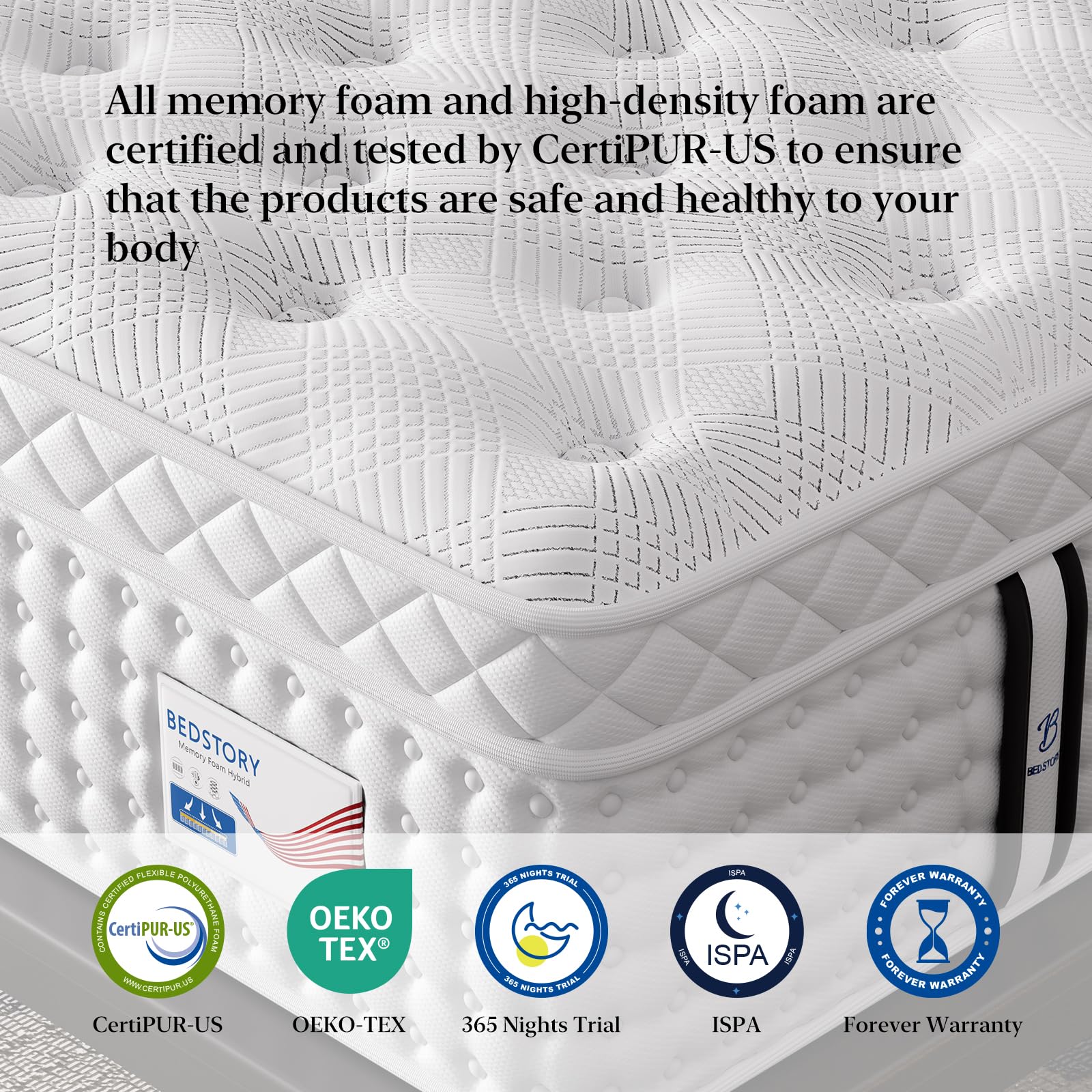
- CertiPUR-US certification guarantees safe, low-VOC materials
- Generous 365-night trial and 10-year warranty provide strong buyer protection
- Medium-firm feel suits most sleep positions, especially back and stomach sleepers
Cons
- No customer reviews yet to validate real-world performance and durability
- May be too firm for strict side sleepers who need extra shoulder cushioning
- Requires 48-72 hours to fully expand, delaying immediate use
This is the kind of mattress that makes you forget you bought it on a budget. The zoned pocket spring system is genuinely thoughtful design, not just marketing speak. It provides firmer support under your hips and lower back where you need it, while staying softer at your shoulders. That means your spine stays aligned whether you sleep on your back or stomach, and you wake up without that stiff lower back feeling.
The 14-inch height gives it a substantial, quality look in your bedroom, and the breathable cover actually works to keep you from overheating at night. The CertiPUR-US certification matters if you care about what you are sleeping on. No harsh chemical smell when you unbox it, which is a relief after hearing horror stories about other bed-in-a-box brands.
If you want proper back support and temperature regulation without spending $1,000-plus on a luxury brand, this one delivers.
Styles it works with: Modern Minimalist, Scandinavian, Contemporary, Transitional
Best placed in: Master bedroom, guest bedroom, teen or young adult room
May not suit: Rooms with low-profile bed frames (this 14-inch mattress sits high), strict side sleepers who need plush cushioning, buyers who want to test in-store before purchasing
Buy it if:
- You sleep on your back or stomach and need firm support without feeling like you are on a board
- You wake up with lower back pain on your current mattress
- You overheat at night and need better airflow than all-foam mattresses provide
- You want a full year to decide if it works for you (365-night trial)
Consider waiting if:
- You prefer to test a mattress in person before buying
- You need it immediately (requires 48-72 hours to fully expand)
Skip it if:
- You are a side sleeper who needs deep cushioning for your shoulders and hips
- You have a low bed frame and don't want a 14-inch mattress height
Check the latest price and availability on Amazon before it sells out.
Bezzze represents the spring side with a 14 inch pocket-spring hybrid build and a firm feel. The appeal is structure: coils do the lifting, while the comfort layers soften the contact points. That makes it a better match for back sleepers, stomach sleepers, and couples who dislike the swallowed-up feel of deep foam. The brand’s 5.0 owner rating is strong, but the real reason to consider it is the firmer coil response in a queen profile that won’t feel flimsy on a platform frame.
ailis sits in the middle of the debate. It’s a 12 inch queen hybrid with pocket springs, so it should feel more responsive than all-foam while keeping some cushioning on top. That medium-firm target works for guest rooms because it doesn’t commit too hard in either direction. Back sleepers get lift. Side sleepers get enough surface padding to reduce sharp pressure. Not dramatic. Useful.
EGOHOME is the clear memory foam representative here. The 10 inch queen build uses cooling green tea gel foam, which aims to offset the usual heat complaint without adding coils. This is the pick for people who want less bounce, less motion transfer, and a mattress that feels steady when someone else gets into bed. It won’t feel as airy as a coil bed, but it gives memory foam shoppers the contour they’re actually paying for.
Rakoide is another 14 inch hybrid, but it leans more balanced than strictly firm. The pocket springs support the base, while the memory foam layer adds a slower comfort feel on top. That makes it useful for couples split between the two categories: one person wants spring lift, the other wants foam pressure relief. A 14 inch profile also gives it a more substantial edge on taller bed frames.
BedStory rounds out the spring side with a 14 inch medium-firm hybrid and zoned support language. Zoned designs can feel steadier under the hips, though they still depend on body weight and sleep position. The 4.7 rating is a good sign for owner satisfaction, and the medium-firm feel makes it the most broadly adaptable spring-based option here. Choose it when you want the safer hybrid path rather than a firm, all-coil feel.
The Verdict
For hot sleepers and combination sleepers, spring wins because coil airflow and faster rebound solve two problems foam can’t fully erase. For light sleepers sharing a bed, memory foam wins because motion isolation matters more than bounce at 2 a.m. Side sleepers under 180 lb should start with memory foam or a softer hybrid; back sleepers over 180 lb should start with a medium-firm spring hybrid. The best overall compromise is a hybrid, not a traditional innerspring: you get coil lift, foam comfort, and better edge support in one build. Pure memory foam still has a place. Quiet rooms, sensitive shoulders, restless partners.
Frequently Asked Questions
Is memory foam better than a spring mattress?
It depends, but memory foam is better for motion isolation and close pressure relief. It suits side sleepers, light sleepers, and couples who don’t want bounce. Spring mattresses are better for airflow, edge support, and easier movement across the bed.
Do spring mattresses last longer than memory foam?
Sometimes. A well-built pocket-coil hybrid can hold its shape longer than low-density foam, especially for heavier sleepers. Cheap spring beds can sag quickly if the comfort layer is thin. For either type, a solid foundation and 3 to 6 month rotation schedule matter.

Which mattress is cooler, memory foam or spring?
Spring is usually cooler. The coil cavity lets air move through the support core, while dense foam holds more body heat. Cooling gel and breathable covers can help memory foam, but they don’t create the same airflow as a 6 to 8 inch coil unit.
Is memory foam bad for back sleepers?
No. Memory foam can work for back sleepers if the mattress is firm enough to keep the hips level. The problem is soft foam that lets the pelvis sink too far. Back sleepers often do better with medium-firm foam or a hybrid.
Should couples choose memory foam or springs?
Memory foam is safer if one partner wakes easily. It absorbs movement better than most spring beds. Couples who both sleep warm or need stronger edge support should look at pocket-coil hybrids instead, especially in a queen or king size.
Can I use the same bed frame for both types?
Usually, yes, but check the spacing. Memory foam often needs a platform or slats less than 3 inches apart to prevent sagging. Spring mattresses are more forgiving and may work with a box spring, platform, or slatted frame if the warranty allows it.



Write Your Review
No reviews yet. Be the first to share your experience!