

> Editorial Note: I’m Maya Chen, a bedroom and sleep editor covering mattresses, bed frames, and bedding. The picks here are evaluated against CertiPUR-US foam standards, Sleep Foundation evaluation protocols, and owner durability reports from r/Mattress.
A cheap innerspring can sag in the middle within 18 months, while a well-built one holds its shape for a decade. The difference isn’t the coil count everyone obsesses over. It’s whether those coils are pocketed, how thick the comfort layer sits on top, and what edge support keeps you from rolling off. Get those three right and a $400 mattress outsleeps a $1,200 one. Before you buy, it helps to line up the rest of the room too — a solid best queen bed frame, the right best mattress for side sleepers guidance, a clear read on memory foam vs hybrid mattress, a good best mattress topper, and a set of best cooling sheets to finish it off.
Innerspring and hybrid beds are having a real moment again because they solve the one problem all-foam mattresses can’t: airflow. Coils leave open channels for heat to escape, which is why every pick below runs cooler than a pure foam slab of the same price. Here’s how the five sort out.
How We Evaluated
Every mattress on this list clears a 4.2 owner rating and carries CertiPUR-US certification, which caps VOC emissions and bans the flame retardants and heavy metals that show up in unregulated foam. We weighted three specs that actually predict how a bed ages: coil type (pocketed coils isolate motion far better than a connected Bonnell unit), comfort-layer thickness (an 8-inch profile feels firmer and thinner than a 12-inch one), and fiberglass-free construction, since a torn fiberglass cover is a genuine cleanup nightmare. Trial length and warranty broke any ties. Profiles range from a compact 8 inches for guest rooms up to a 12-inch hybrid for primary bedrooms.
1. KOW 12-Inch Full Hybrid — The Coil-and-Foam Split That Sleeps Cooler
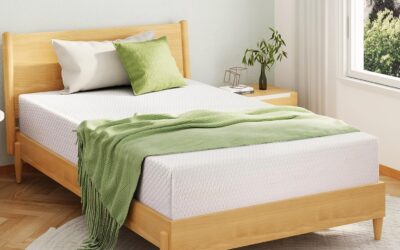
The KOW 12-inch full hybrid is the one most people should start with, and the reason is the layer stack. You get a gel memory foam comfort layer sitting on an innerspring core, so the top contours to your hips and shoulders while the coils underneath push back and keep your spine level. That combination reads as medium firm: supportive enough for back sleepers, forgiving enough for side sleepers who don’t want a plank.
The gel infusion matters more than the marketing suggests. Pure memory foam traps body heat and softens as it warms, which is how you wake up sunk into a hot pocket at 3 a.m. The gel plus the open coil layer moves that heat sideways and out. It’s CertiPUR-US certified, so the foam meets the emissions and content limits that keep off-gassing brief. At a 4.2 rating across a large owner base, the recurring praise is cool sleep and a firmness that holds. The recurring gripe is a strong new-bed smell for the first few days, which airing out for 48 hours resolves. Best all-around pick here.
2. Vibe Quilted Hybrid — Best Pillow-Top Feel Without the Sink
The Vibe Quilted Hybrid earns its 4.4 rating, the second-highest on this list, by nailing a feel most beds miss: a genuine pillow-top plushness that doesn’t turn into quicksand. The quilted gel memory foam top gives you that first-night cloud sensation, but the 12-inch innerspring core underneath stops you from sinking past the support layer. You feel cushioned. You don’t feel stuck.
It’s fiberglass-free and CertiPUR-US certified, which is the pairing to look for at this price. A lot of budget pillow-tops hide fiberglass in the cover as a cheap fire barrier, and that’s the material you never want migrating into your bedroom. Vibe skips it. Owners consistently call out how the plush surface holds up past the first year rather than flattening, which is the usual failure point for quilted tops. If you want softness but have been burned by memory foam that swallows you, this is the pick. Slightly warmer than the KOW, but only slightly.
3. Signature Design by Ashley Chime 8-Inch — The Guest-Room Pick That Ships Flat
Sometimes you don’t need a primary-bedroom mattress. You need a solid bed for the spare room that won’t embarrass you when family visits, and the Ashley Chime 8-inch is built for exactly that. At an 8-inch profile with a medium-firm feel, it’s the thinnest and most affordable pick here, and that’s the point. It runs a pressure-relief quilt foam over an innerspring base, so it sleeps supportive without the bulk or cost of a 12-inch hybrid.
It’s fiberglass-free and CertiPUR-US certified, which is genuinely rare in this price tier. Most 8-inch bed-in-a-box mattresses cut exactly those corners. The 4.2 rating reflects what it is: an honest, no-frills mattress that arrives compressed in a box and expands within a day. Owners flag that it’s firmer than expected and better suited to back and stomach sleepers than dedicated side sleepers. For a guest room, a bunk, or a first apartment, it’s hard to beat what this does for the money.
4. Pocket Innerspring 10-Inch Twin — Best for Restless Sleepers and Bunk Beds
This 10-inch twin hybrid is the motion-isolation specialist of the group. Its individually wrapped pocket coils each compress on their own, so movement on one side of the bed doesn’t telegraph across it. In a shared bunk, a kid’s room, or any setup where a restless sleeper keeps waking a light one, that’s the spec that matters most, and connected-coil beds simply can’t match it.
The 10-inch profile splits the difference between the thin Chime and the tall 12-inch hybrids, giving you real pressure relief without overwhelming a twin frame. It carries a 4.3 rating and, like the rest of this list, ships compressed in a box and free of fiberglass. Owners point to quiet, no-squeak coils and quick recovery after unboxing. The trade-off is size: it’s a twin, so this is the pick for kids’ rooms, bunk beds, and guest twins rather than a primary bed. Within that lane, nothing here isolates motion better.
5. DreamCloud Classic 12-Inch Queen — The One With a Year to Change Your Mind
The DreamCloud Classic 12-inch queen is the premium pick, and its 4.5 rating is the highest on this list for good reason. It’s a luxury hybrid pairing gel memory foam with a pocketed coil core, and it comes with the longest safety net you’ll find: a 365-night trial. That’s a full year to decide whether it works for your body, which is worth real money when you can’t try a mattress in a store.
It’s fiberglass-free and built with the plush-yet-supportive balance that side and combination sleepers tend to reach for. The gel foam and coil combination may help take pressure off the hips and shoulders, though a mattress alone won’t fix an underlying issue, so treat any lingering discomfort as a reason to see a professional rather than buy more foam. Owners rave about the hotel-bed feel and the confidence that year-long trial gives them. It’s the most expensive pick here, and if your budget stretches to it, the DreamCloud is the one you’re least likely to regret.
Comparison Table
| Pick | Profile | Coil / Feel | Standout Feature | Rating |
|---|---|---|---|---|
| KOW Full Hybrid | 12 inch | Innerspring, medium firm | Gel foam runs cool | 4.2 |
| Vibe Quilted Hybrid | 12 inch | Innerspring, plush pillow-top | Pillow-top without sink | 4.4 |
| Ashley Chime | 8 inch | Innerspring, medium firm | Best value, guest room | 4.2 |
| Pocket Innerspring Twin | 10 inch | Pocket coils, medium | Motion isolation | 4.3 |
| DreamCloud Classic | 12 inch | Pocketed coils, plush-support | 365-night trial | 4.5 |
How to Pick the Right Innerspring for Your Sleep Style
Firmness follows sleep position, and getting the match right prevents most next-morning aches. Side sleepers need a comfort layer thick enough for the hip and shoulder to press in, so a 12-inch hybrid like the KOW or DreamCloud suits them best. Back and stomach sleepers want less give and a firmer surface that keeps the spine flat; the 8-inch Ashley Chime or a medium-firm hybrid does that job for less money. Combination sleepers who shift all night are the tricky case. They need enough plushness to be comfortable on their side but enough pushback to move freely, which is where a medium-firm gel hybrid earns its keep.
Coil construction is the second decision. Pocketed coils, wrapped individually, isolate motion and contour to your body zone by zone, which is why the twin pick and the DreamCloud handle a restless partner so well. Older Bonnell or continuous coils cost less but move as one connected unit, so every shift transmits across the bed. If you share your mattress, pay for pocketed coils.
Weight changes the math too. Sleepers over 230 pounds compress a comfort layer faster and should look at the 12-inch profiles with denser foam, since a thin 8-inch bed bottoms out sooner under more load. The Sleep Foundation notes that heavier sleepers generally do better on taller, firmer builds for exactly this reason.
Innerspring vs. Hybrid: What the Labels Actually Mean
Nearly every mattress on this list is technically a hybrid, and the distinction trips up a lot of shoppers. A true innerspring is mostly coils with a thin quilted top: think old-school, bouncy, breathable, and firm. A hybrid keeps the coil core but adds a substantial foam comfort layer, usually two inches or more, to soften the surface and reduce pressure points. So a hybrid is an innerspring with the comfort problem solved.
Why does everyone still search for “innerspring”? Airflow and support. Both categories beat all-foam beds on temperature because the coil layer breathes, and both give you that responsive, easy-to-move-on surface that memory foam loyalists eventually miss. The Ashley Chime leans closest to a traditional innerspring feel; the DreamCloud and Vibe sit firmly in hybrid territory. Choose based on how much cushion you want on top of that shared coil foundation, not on the label.
Frequently Asked Questions
How long does an innerspring mattress last?
Six to eight years for most quality builds, and up to ten if the coils are pocketed and the comfort foam is CertiPUR-US grade. Cheap Bonnell-coil beds with thin foam tops sag sooner, often within two years. Rotating the mattress head-to-foot every three months evens out the wear and adds real time to its life.
Are innerspring mattresses good for back pain?
They can help by keeping your spine aligned, especially a medium-firm hybrid that supports the lower back without letting the hips sink. That said, no mattress cures back pain on its own. If pain persists after a few weeks on a supportive bed, see a professional rather than swapping mattresses again.
Do these mattresses contain fiberglass?
No. Every pick here is fiberglass-free, which we treated as a hard requirement. Fiberglass shows up in some budget beds as a cheap fire barrier under the cover, and a torn cover releases fibers that are miserable to clean up. Fiberglass-free plus CertiPUR-US is the combination to insist on.
How firm should an innerspring mattress be?
Medium firm suits the widest range of sleepers, which is why four of these five land there. Go softer only if you’re a lighter side sleeper under 130 pounds, and firmer if you sleep on your stomach or weigh over 230 pounds. Firmness is personal, so a long trial window matters.
Why do innerspring mattresses sleep cooler than foam?
The coil layer leaves open air channels that let body heat escape, while a solid foam block traps it. Add a gel-infused comfort layer, like the KOW and DreamCloud use, and heat moves sideways and out instead of pooling under you. That’s the whole reason coil beds run cooler at the same price.
Can I put an innerspring mattress on any bed frame?
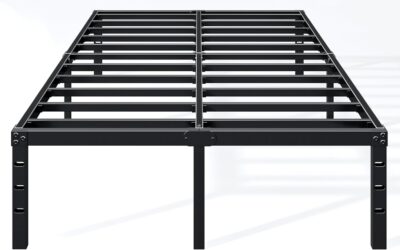
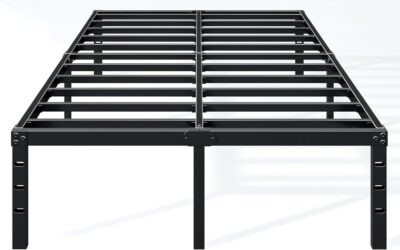
Almost. It needs a supportive base — a solid platform or a slatted frame with gaps no wider than three inches, otherwise the mattress bows between slats and voids most warranties. Box springs are optional with modern hybrids and often unnecessary. Check the slat spacing before you buy the frame.
Bottom Line
The KOW 12-inch hybrid is the one most people should buy — it pairs a cool-sleeping gel layer with an innerspring core at a fair price, and the medium-firm feel works for nearly everyone. If your budget stretches, the DreamCloud Classic and its 365-night trial are worth the jump. For a guest room, the 8-inch Ashley Chime does the job for less. Just know that coil count is marketing noise; pocketed coils, a CertiPUR-US comfort layer, and a fiberglass-free cover are the three specs that decide whether a mattress lasts.




Write Your Review
No reviews yet. Be the first to share your experience!