

> Editorial Note: I’m Lauren Ro, and I write furniture buying guides. The picks here are judged on the specs that predict how a piece ages — frame joinery, foam density, and load ratings — checked against BIFMA and FSC certifications plus aggregated owner reports.
Most people never touch their vent fan until it starts groaning or stops pulling steam off the mirror, and by then the grille is packed solid with lint. It’s a ten-minute job that people skip for years. If the fan already quit moving air, read why does my bathroom fan not work well and how to clean a bathroom exhaust fan first, then think about a best bathroom exhaust fan upgrade; while you’ve got cleaning supplies out, tackle how to clean bathroom tile, run the same brush logic through how to clean a dryer vent, and store the gear in a bathroom organizer when you’re done.
Why Does a Bathroom Vent Fan Need Cleaning?
Dust and lint choke the airflow, and a clogged fan can’t pull the moisture that grows mold. The fan’s whole job is moving damp air out before it settles on drywall and grout. Energy Star rates most bathroom fans between 50 and 110 CFM, but a grille caked in gray felt loses a big share of that rating fast.
You’ll hear it before you see it. A fan that used to run quiet starts to rattle or drone, because the motor is spinning against a blanket of debris. Family Handyman flags reduced airflow and a musty smell as the two clearest signs it’s overdue.
Left alone, the moisture has nowhere to go. That’s the real risk, not the noise. Condensation on the ceiling feeds mildew around the fixture and shortens the life of the paint and the motor bearings both.
How Do You Safely Cut Power to the Fan?
Shut off the breaker that feeds the bathroom before your fingers go anywhere near the fan. The wall switch alone isn’t enough, because a failed switch or shared circuit can leave the wires live. This Old House is blunt on the point: kill power at the panel, not just the switch.
Bathroom circuits in the U.S. run at 120 volts, and that’s plenty to hurt you on a ladder. Flip the breaker, then toggle the fan switch to confirm the fan stays dead. No hum, no spin.
If your panel isn’t labeled, this is the moment to fix that. Turn breakers off one at a time and check the fan until it dies, then mark it. A non-contact voltage tester held near the housing gives you a second confirmation for a couple of dollars.
How Do You Remove the Fan Cover?
Grip the plastic grille and pull straight down to expose the mounting springs, then pinch them and slide them free. Almost every residential fan cover holds on with two V-shaped or torsion springs that clip into slots on the housing. No screws, no tools.
Pinch each spring inward so the legs release from their slots. The cover drops into your hand once both are out. Go slow with brittle plastic; a grille that’s been baking near a heat lamp for a decade can crack if you yank it.
Set the springs somewhere you won’t lose them. A small dish works. Take a phone photo of how they seat before you pull, so reinstalling later is a two-minute job instead of a guessing game.
How Do You Clean the Cover, Blades, and Housing?
Wash the cover in warm soapy water, vacuum the fan blades and motor dry, and wipe the housing last. The grille is the only part that likes water. Soak it in the sink, scrub the slots with a stiff brush, rinse, and let it air-dry fully before it goes back up.
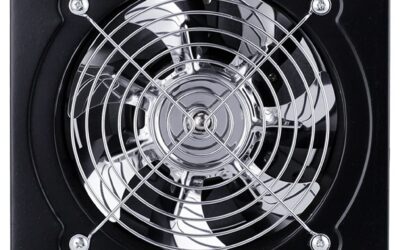
The motor and blades stay dry, always. Use a vacuum with a brush attachment to lift the dust off the fan wheel, then run a soft detail brush between the fins to catch what the vacuum misses. A damp cloth on the motor housing is fine, but don’t drip water into the windings.
Finish with the ducting mouth where the housing meets the vent pipe. That junction, usually a 4-inch duct, collects the heaviest lint. Family Handyman recommends a quick vacuum pass here too, since a blocked duct undoes all the cleaning you just did upstairs.
When Should You Replace the Fan Instead of Cleaning It?
Replace it when the motor still hums but won’t spin freely after cleaning, or when the bearings grind. A clean fan that stays loud or overheats is telling you the motor’s worn out, and no amount of dusting fixes that. Most bathroom fan motors last around 10 years.
Age matters as much as noise. If the unit is original to a house built two or more decades ago, the CFM rating is likely below today’s code minimum for the room size anyway. A retrofit gets you a quieter, more efficient fan for modest money.
Cleaning is the right call for a fan that runs smooth once the dust is gone. Grinding, burning smells, or a blade that stalls under your finger? Swap the unit.
How Often Should You Clean a Bathroom Vent Fan?
Clean it every six months in a bathroom that gets daily showers, once a year in a guest bath. High humidity and heavy use pack lint faster, so a busy family bathroom needs the shorter interval. Mark it with the clock change, spring and fall, and you won’t forget.
A quick habit stretches the gap between deep cleans. Run the fan for 20 minutes after every shower so it clears the moisture instead of leaving it to settle on the grille. Wipe the visible face of the cover monthly with a duster and the buildup never gets bad.
What You’ll Need
These are simple dusting and crevice tools chosen for reach and bristle stiffness, not a shopping spree; a brush that fits the fan slots and something long enough to reach a ceiling fixture cover most of it. Ratings run from 4.0 to 4.6, so the lower-rated picks likely show some unit-to-unit variation typical of budget cleaning kits.

Pros
- Extends to nearly 50 inches so you can clean high fans safely from the ground
- Soft microfiber won't scratch fan blades or delicate surfaces
- Removable head rinses clean and dries quickly between uses
- Double-sided design cleans top and bottom of blades simultaneously
- Versatile enough for fans, blinds, shelves, and cobweb removal
Cons
- No customer reviews yet to confirm long-term durability
- May require multiple passes on heavily soiled fan blades
- Pole may feel flimsy when fully extended to maximum length
This is the ceiling fan cleaner that finally makes high dusting feel manageable. The extendable pole reaches up to 49.7 inches, which means you can clean ceiling fans, top shelves, and door frames without dragging out a ladder or standing on furniture. The double-sided microfiber head is smart: it cleans both sides of a fan blade in one pass, so you spend less time waving a duster around and more time checking the job off your list.
The removable head is a practical touch. When it gets dusty, pop it off, rinse it under the sink, and hang it to dry using the built-in hole. It stores flat in a closet or hangs on a hook in the laundry room. For $12.99, it handles fans, blinds, and cobwebs without requiring a step stool.
If you want to clean high spaces quickly without climbing or buying a separate tool for every surface, this one delivers.
Styles it works with: Farmhouse, Coastal, Minimalist, Traditional
Best placed in: Living rooms with ceiling fans, bedrooms with tall furniture, utility closets near laundry or cleaning supplies
May not suit: Homes with extremely high vaulted ceilings over 12 feet (pole may not reach), renters who need a compact travel duster
Buy it if:
- You have ceiling fans or high shelves and hate climbing ladders
- You need one tool that works on fans, blinds, and baseboards
- You want a washable duster that does not need constant replacement
Consider waiting if:
- You prefer to see verified customer reviews before purchasing a new cleaning tool
Skip it if:
- Your ceilings are over 12 feet and you need a commercial-length pole
- You only clean low surfaces and do not need the extension feature
Check the latest price and availability on Amazon before it sells out.

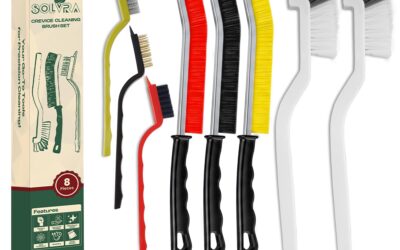
5-Pack Crevice Cleaning Brush Set - Hard Bristle Gap Cleaner for Window Tracks, Sliding Doors, Bathroom Tiles & Tight Spaces
Pros
- Hard bristles effectively remove stuck-on dirt in narrow gaps and grooves
- Set of 5 brushes provides backups and allows task-specific use
- Ergonomic handle design makes extended cleaning more comfortable
- Works across multiple surfaces from bathroom tiles to kitchen sinks
- Affordable price point for a multi-piece cleaning tool set
Cons
- No customer reviews yet to verify long-term durability claims
- Bristles may be too stiff for delicate surfaces or soft grout
- Handle length may not reach into very deep tracks without extra effort
This 5-pack solves the problem every home has: those impossible-to-clean gaps where dirt loves to hide. Window tracks, sliding door grooves, grout lines around the tub. You have tried sponges, old toothbrushes, even cotton swabs, and nothing really works. These brushes are built specifically for that frustration, with bristles stiff enough to actually scrub but fine enough to get into the narrowest spaces.
The set of five means you can keep one in the bathroom, one in the kitchen, and still have backups. The handles are shaped to give you leverage without cramping your hand, which matters when you are working your way down a long window track or around an entire shower door frame. At under $10 for five brushes, it is the kind of tool you buy once and forget about until you need it, then wonder how you managed without it.
If you want clean window tracks and grout lines without spending an hour hunched over with a toothbrush, this set delivers.
Styles it works with: Any style, as these are functional cleaning tools stored out of sight when not in use
Best placed in: Under the kitchen sink, bathroom cleaning caddy, laundry room utility shelf, or a dedicated cleaning supplies closet
May not suit: Homes where someone insists on visible designer cleaning tools only, or households that prefer exclusively soft-bristle brushes for all surfaces
Buy it if:
- You have sliding doors, double-hung windows, or shower door tracks that collect dirt in the grooves
- Your tile grout lines are visibly dirty and regular mopping does not touch them
- You want dedicated brushes for different rooms to avoid spreading bathroom grime to the kitchen
Consider waiting if:
- You need customer reviews to confirm the bristles hold up after multiple uses
Skip it if:
- You only clean surfaces that a standard sponge or cloth can reach effectively
- Your grout or surfaces are delicate and require soft-bristle tools only
Check the latest price and availability on Amazon before it sells out.

Pros
- Excellent for detail work in spaces between 0.5-2 inches wide
- Soft microfiber bristles trap dust instead of pushing it around
- Good length-to-width ratio for AC vents and car detailing
- Value pricing at under $0.70 per duster
Cons
- No customer reviews yet to validate durability claims
- Wooden handles may splinter or break with heavy repeated use
- Not ideal for large open surfaces where a traditional duster works better
This is the cleaning tool set for people who get genuinely frustrated when dust builds up in places their regular duster can't reach. The slim 0.6-inch width is perfectly sized for car AC vents, ceiling fan blade edges, window blind slats, and those annoying gaps around appliances. The microfiber bristles are dense enough to actually grab dust instead of just moving it to the next crevice.
What makes this set practical for real homes is the quantity. Twelve dusters means you can leave one in the car, keep a few in different rooms, and still have spares when some inevitably get too dirty to reuse. The wooden handles are basic but they do the job, and at this price point, you are not worried about babying them.
If you want to finally clean those detail spots that make a room feel truly fresh without spending an hour with cotton swabs, this set gives you the right tool for under eight dollars.
Styles it works with: Modern, Minimalist, Scandinavian, Contemporary (any style that benefits from clean lines and dust-free details)
Best placed in: Utility closet or cleaning caddy, car glove compartment, kitchen drawer near appliances, home office desk drawer for electronics
May not suit: Homes where you prefer reusable/washable cleaning tools only, or if you need heavy-duty scrubbing power for stuck-on grime rather than dust removal
Buy it if:
- You have car vents, mini-split AC units, or ceiling fans that collect visible dust in the crevices
- You have been using cotton swabs or improvised tools to clean tight gaps and want something actually designed for the job
- You want affordable detail dusters you can use liberally without worrying about the cost per use
Consider waiting if:
- You want verified customer reviews before committing (this is a newer listing with no reviews yet)
Skip it if:
- You only clean large open surfaces where a standard duster or microfiber cloth works fine
- You need heavy-duty brushes for scrubbing rather than dusting
Check the latest price and availability on Amazon before it sells out.
Pros
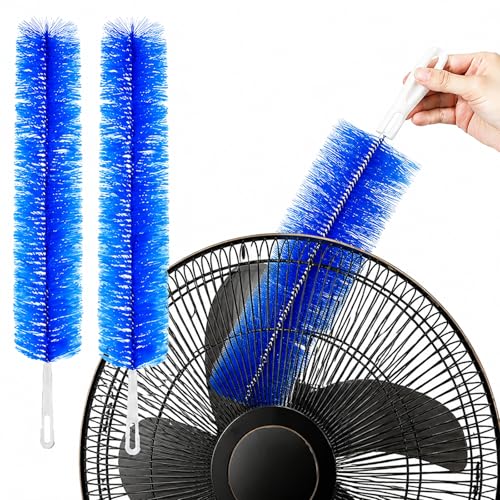
- Flexible design adapts to curved fan blades and tight spaces
- Soft microfiber bristles trap dust without scratching delicate surfaces
- Reusable and machine washable for long-term use
- Affordable two-pack offers good value at under $7
Cons
- No verified customer reviews yet to confirm real-world performance
- May not fit extremely narrow gaps under 0.8cm
- Generic brand with limited product warranty information
If you dread cleaning ceiling fans because it means dragging out the ladder and dismantling the blades, these bendable dusters change the game. The flexible head bends to follow the curve of fan blades while you stand safely on the ground, and the microfiber bristles grab dust and pet hair in one pass.
What makes these stand out is how they handle the awkward spaces other tools ignore. The slim profile slides between blinds, reaches into air vents, and navigates around furniture legs without knocking things over. The rubber tip is a thoughtful touch that protects your fan finish and furniture from accidental scratches.
If you want cleaner fans and blinds without the hassle of disassembly or climbing, this two-pack delivers.
Styles it works with: Modern Farmhouse, Minimalist, Coastal, Traditional
Best placed in: Bedroom closet for quick access, utility closet near living areas, mounted in laundry room alongside other cleaning tools
May not suit: Homes with extremely narrow European-style radiators or custom ventilation systems with gaps under 0.8cm
Buy it if:
- You have multiple ceiling fans or blinds that collect dust quickly
- You want to clean fans without climbing ladders or removing blades
- You need a tool that fits into tight spaces like air vents and baseboards
Consider waiting if:
- You want to read verified customer reviews before committing
Skip it if:
- You only need to clean wide-open surfaces where a regular duster works fine
- Your gaps are narrower than 0.8cm and require specialized tools
Check the latest price and availability on Amazon before it sells out.

Pros
- Reaches 80 inches fully extended for most standard ceiling heights
- Folding head design makes it easy to clean both sides of fan blades without repositioning
- Machine washable head reduces long-term cleaning supply costs
- Includes two duster heads for different cleaning tasks
- Adjustable length adapts to multiple ceiling heights throughout your home
Cons
- New product with no customer reviews yet to validate durability claims
- Five-piece pole system may feel less stable than a single-piece design when fully extended
- Chenille material may not pick up fine dust as effectively as microfiber on some surfaces
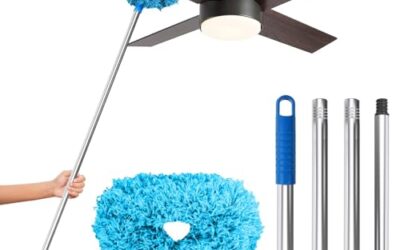
This duster solves the specific problem of cleaning ceiling fans without dragging out a ladder or standing on a chair. The 90-degree folding head is what sets it apart from standard extension dusters, because it locks at the exact angle you need to get on top of those fan blades where dust really builds up. The fact that it extends to 80 inches means it works in rooms with standard 8-foot ceilings all the way up to vaulted spaces.
We appreciate that CALBEAU included a bendable chenille duster in the kit, which handles the curved surfaces around light fixtures and tight corners that the main head can't reach. The washable head is a practical touch that saves you from buying replacement pads every few months. It takes about a minute to snap together, and the adjustment mechanism feels smooth enough that you are not fighting with it mid-clean.
If you want to clean your ceiling fans and high fixtures without balancing on furniture or dealing with the hassle of a ladder, this one delivers.
Styles it works with: Modern Farmhouse, Transitional, Coastal, Traditional (works as a functional tool in any decor style)
Best placed in: Stored in a utility closet, laundry room, or mudroom for easy access when you need it; use throughout living rooms, bedrooms, dining rooms, and entryways with ceiling fans or high light fixtures
May not suit: Homes with ceilings higher than 10 feet when fully extended may still require a step stool; very small apartments where storage space for a 35-inch collapsed pole is limited
Buy it if:
- You have ceiling fans in multiple rooms and want to clean them without climbing
- You are tired of balancing on chairs or hauling out a ladder for routine dusting
- You prefer reusable cleaning tools over disposable products
- You have vaulted ceilings or tall entryways that standard dusters cannot reach
Consider waiting if:
- You want to see verified customer reviews before committing to a new product with no feedback yet
Skip it if:
- Your ceilings are over 10 feet tall and you need something that extends beyond 80 inches
- You only have one or two ceiling fans and a basic extendable duster would be sufficient
Check the latest price and availability on Amazon before it sells out.
Frequently Asked Questions
Can I clean a bathroom fan without removing it?
Partly. You can vacuum the grille face and dust the visible fins in place, but you can’t reach the motor wheel or the duct mouth where the heaviest lint sits. Pull the cover for a real clean.
Do I really need to turn off the breaker?
Yes. The wall switch can fail or share a circuit, leaving wires live at 120 volts. Kill power at the panel and confirm the fan won’t spin before your hands go near it.
Can I use water on the fan motor?
No. Water in the windings can short the motor or cause corrosion. Only the plastic cover gets washed; the motor and blades get vacuumed and dry-brushed, and the housing gets a barely damp wipe.
Why is my clean fan still loud?
It’s usually worn bearings. If dusting doesn’t quiet a fan and it still hums or grinds, the motor is failing. Most last about 10 years, so an older noisy unit is a replacement, not a cleaning job.
How do I get the cover off without breaking it?
Pull it straight down to expose the springs, then pinch each spring inward to release it. Go slow on old brittle plastic near a heat lamp, since it can crack if you force it.
Does a dirty fan cause mold?
It can. A clogged fan pulls less moist air, so condensation lingers on the ceiling and grout and feeds mildew around the fixture. Running the fan 20 minutes after showers helps clear it.
How long does the whole job take?
It depends on buildup, but a routine clean runs about 15 to 20 minutes once power’s off. First-timers add a few minutes fussing with the spring clips; after that it’s fast.
Bottom Line
Cut the breaker, drop the cover, wash the grille, and vacuum the motor and duct dry. That sequence fixes almost every weak, noisy bathroom fan, and doing it twice a year keeps moisture and mildew off your ceiling. If the fan still grinds or won’t spin freely after a full cleaning, the motor’s done and it’s time for a new unit. Anything involving disconnected wiring or a fan that won’t power down at the breaker is a job for a licensed electrician.



Write Your Review
No reviews yet. Be the first to share your experience!