

> Editorial Note: I’m Liam Wright, an outdoor and garden editor. I grew up in my family’s landscaping business and now cover what actually survives a season of UV, rain, and freeze-thaw cycles. The picks here are evaluated against ASTM weatherability standards and manufacturer durability ratings.
The most common mistake? Scrubbing a cold grate. Cooked-on grease and char bond to cast iron and stainless steel when they cool, so a cold grate fights you the whole way and you end up gouging the surface. Heat the grate first, work fast while it’s still around 400°F, and most of the gunk lifts in a couple of passes. While you’re setting up the rest of your outdoor space, it’s worth pairing your grill with a best gas fire pit table, a best wood burning fire pit, a best outdoor sofa, a best patio umbrella, or even a best raised garden bed for the corner nobody uses.
What’s the Fastest Way to Clean a Grate After Cooking?
Timing beats technique here. The 5-minute burn-off works on almost any grill: after you pull the food, crank all burners to high and close the lid for 10 to 15 minutes. That heat carbonizes food residue into a dry, gray ash that flakes off instead of smearing.
Once the grate hits roughly 500°F, open the lid and scrub with a grill brush or scraper along the length of each bar, not across. Scrubbing with the bars keeps bristles or scraper edges from catching and snapping. Ten to fifteen seconds per section is usually enough right after a burn-off.
Then let it cool slightly and wipe the bars with a folded paper towel held in long tongs. A light coat of high-smoke-point oil like canola or grapeseed on the towel seasons the surface and blocks rust before the next cook. That’s the whole routine. Under three minutes of active work.
Skip the burn-off and you’re scraping baked-on carbon by hand, which takes four times as long and scratches the finish. The heat does the labor. You just knock off what’s left.
How Do You Deep-Clean a Grease-Caked Grate?
When a grate has months of buildup, the after-cook scrub won’t cut it, and you need to pull the grates off the grill entirely. Start with a burn-off to loosen the top layer, let the grates cool to warm, then remove them.
Fill a large tub or a heavy trash bag with hot water and a cup of white vinegar or a few tablespoons of dish soap. Submerge the grates and soak for 30 minutes to an hour. Vinegar’s mild acidity breaks down grease bonds without the harsh residue of oven cleaner, which the ASTM D4236 labeling standard flags for ventilation and skin-contact warnings.
After soaking, scrub with a bristle-free scraper or a crumpled ball of aluminum foil gripped in tongs. Foil is stiff enough to lift carbon but soft enough that it won’t score stainless. For cast iron, avoid soap on a long soak; it strips seasoning. Use a baking soda paste instead, worked in with a nylon brush.
Rinse thoroughly, dry completely, and re-oil cast iron immediately. Cast iron left damp for even a few hours will flash-rust. Stainless is more forgiving but still dries best with a towel, not air.
Are Wire Bristle Brushes Actually Dangerous?
It depends on the brush’s condition, and old ones genuinely are. Cheap wire brushes shed thin metal bristles as the welds fatigue, and those bristles stick to grates, transfer to food, and can be swallowed. The CDC has documented emergency-room visits tied to ingested grill-brush wire, so this isn’t hype.
The fix isn’t complicated. Inspect any wire brush before each use by dragging it across a paper towel; if it snags or leaves bristles, retire it. Replace wire brushes every season regardless, or roughly every 20 to 30 cooks for heavy users.
Bristle-free tools sidestep the problem entirely. Coil-style brushes, wood scrapers, and steel-mesh scrubbers clean without loose wires. They’re a little slower on tight grate spacing, but the trade-off is peace of mind. For anyone cooking for kids, that’s an easy call.
If you keep a wire brush, store it indoors. UV and moisture accelerate the corrosion that makes bristles break loose in the first place, which is the same weatherability failure ASTM G154 tracks in outdoor materials exposed to repeated wet-dry cycles.
What About Porcelain, Cast Iron, and Stainless Grates?
Each material wants a different touch. Get this wrong and you either damage the coating or leave the grate vulnerable to rust.
Porcelain-enameled grates have a glass-like coating that chips if you attack it with anything sharp. Use a soft nylon brush or a bristle-free scraper only, and never let a chipped spot go untreated. Exposed cast iron under a porcelain chip rusts fast and spreads under the enamel.
Bare cast iron is the toughest to maintain but the best at searing. Clean it hot, scrub with a stiff brush, dry it over the burner for a minute, then oil it. Treat it like a cast-iron skillet, because it basically is one.
Stainless steel resists rust but shows discoloration and can pit if you use chloride-heavy cleaners or leave salt residue. Warm soapy water, a non-abrasive scrubber, and a dry towel keep it bright. For stubborn spots, a stainless-specific cleaner works, but avoid steel wool that leaves fragments in the grain.
Helpful Picks
These three clear a 4.6 owner rating and split cleanly by cleaning style: two strong wire-scraper combos for fast weekly work and one fully bristle-free option for families who won’t risk loose wires. Start with the ScrubDaddy if kids are eating off the grate.


Pros
- Upgraded handle design prevents the wobble and detachment common in cheaper grill brushes
- Rust-resistant stainless steel bristles hold up to repeated outdoor use and wet conditions
- Adjustable length adds versatility for different grill sizes and user heights
- Exceptional value under $13 with a warranty that most competitors at this price skip
- Highly rated by a large pool of verified buyers, reflecting consistent real-world performance
Cons
- Bristle-style brushes require periodic inspection; any loose wires should be replaced immediately as a safety precaution
- The plastic handle body may feel less premium compared to all-metal competitors at higher price points
- Compact collapsed length of 12.5 inches may still be bulky for very small outdoor storage areas
At under $13, the TNTOR grill brush punches well above its price. The combination of three stainless steel bristle layers and a purpose-built scraper means you are not choosing between scrubbing and chipping away residue. You get both in one tool, which is exactly what a post-cookout cleanup calls for.
The adjustable handle is the detail that separates this brush from the sea of fixed-length options on Amazon. Being able to extend to 18 inches keeps your hand away from residual heat, and collapsing it back down to 12.5 inches makes it easy to tuck into a grill caddy or hang on a patio hook. That kind of everyday practicality adds up over a grilling season.
The two-year warranty and a seller that responds to issues rounds out what is already a well-thought-out package. If you want thorough grill cleaning without paying for a specialty tool, this one delivers.
Styles it works with: Outdoor Industrial, Rustic Backyard, Modern Patio, Classic Americana BBQ setup
Best placed in: Hanging on a patio pegboard, stored in a grill side-table drawer, or hooked directly to the grill handle between uses
May not suit: Very compact balcony setups where even the collapsed 12.5-inch length creates storage challenges, or households that prefer wire-free brush alternatives due to safety concerns around young children or pets
Buy it if:
- You grill at least a few times a month and want a dependable cleaning brush that will not fall apart after a single season
- You need a thoughtful, practical gift for a dad or grill-lover and want something under $15 that comes with a real warranty
- You own multiple grill types and want one brush that works across charcoal, gas, smoker, and porcelain grates
Consider waiting if:
- You are holding out for a bristle-free or coil-style brush design as a safer alternative for households with small children
Skip it if:
- You have already committed to wire-free grill cleaning tools and do not want any stainless steel bristles in your grilling kit
- You need a heavy-duty commercial-grade brush for a large restaurant smoker or professional pit setup
Check the latest price and availability on Amazon before it sells out.

GRILLART BBQ Grill Brush and Scraper - 18" Extra Strong Triple Bristle Head, Safe Wire, Fits Gas & Charcoal Grates
Pros
- Triple-head 360-degree brush covers significantly more surface area per stroke, making grate cleaning noticeably faster than single-head alternatives
- Integrated scraper is sharp enough to remove stubborn carbonized buildup without requiring excessive force
- Tightly rotated wire embedment reduces loose bristle risk compared to standard brush construction
- Long 18-inch handle offers comfortable leverage and keeps hands well away from residual heat
- Rated highly by over 15,000 verified buyers, indicating consistent real-world performance across grill types
Cons
- Wire bristles still require a post-clean wipe-down with a damp cloth before grilling, adding a mandatory safety step that bristle-free models skip
- Brown welding marks on the scraper are cosmetic but can be mistaken for rust, which may concern buyers on first use
- Not ideal for households that prefer a completely bristle-free cleaning solution due to health or safety preferences
If grill cleanup is the part of barbecue day you dread most, the GRILLART BR-8115 genuinely changes that. The triple-head brush design means you are covering three rows of grate bars in one pass instead of scrubbing back and forth for five minutes. Pair that with the integrated scraper and you have a two-tool job handled by one tool, which makes a real difference when the grill is still hot and dinner is waiting.
Beyond performance, this brush is built with a confidence that cheaper options simply do not have. The wire is tightly wound into a steel pipe rather than crimped or glued, so bristles stay where they belong. The handle feels solid in hand, balanced for the 18-inch reach, and the hanging ring means it does not get tossed in a drawer and forgotten. It looks and feels like a professional kitchen tool, not a bargain bin accessory.
If you want a faster, safer grill clean without buying a separate scraper or replacing your brush every few months, this one delivers.
Styles it works with: Backyard Farmhouse, Industrial Outdoor, Modern Patio, Classic BBQ Station
Best placed in: Mounted on an outdoor grill station hook, stored in a deck storage caddy alongside tongs and spatulas, or hung on a pegboard in a garage grilling corner
May not suit: Households with very young children where loose wire bristle risk is a concern regardless of safety features, or compact apartment balcony setups with small portable grills where an 18-inch handle may feel oversized and awkward to maneuver
Buy it if:
- You grill regularly on gas or charcoal and want one tool that scrapes and brushes without switching between accessories
- You have dealt with a flimsy brush that bent, rusted, or shed bristles after a few uses and want something that lasts a full season
- You want a longer handle that keeps your hands clear of the heat while still giving you enough control to scrub edges and corners cleanly
Consider waiting if:
- You are shopping right before a major holiday and want to verify current stock, as grill accessories in this price range tend to sell out quickly heading into grilling season
Skip it if:
- You prefer a completely wire-free or bristle-free grill brush due to personal safety preferences, as GRILLART makes bristle-free alternatives in the same lineup worth considering instead
- You only grill a few times per year and do not need a heavy-duty cleaning tool at this level of construction
Check the latest price and availability on Amazon before it sells out.

Pros
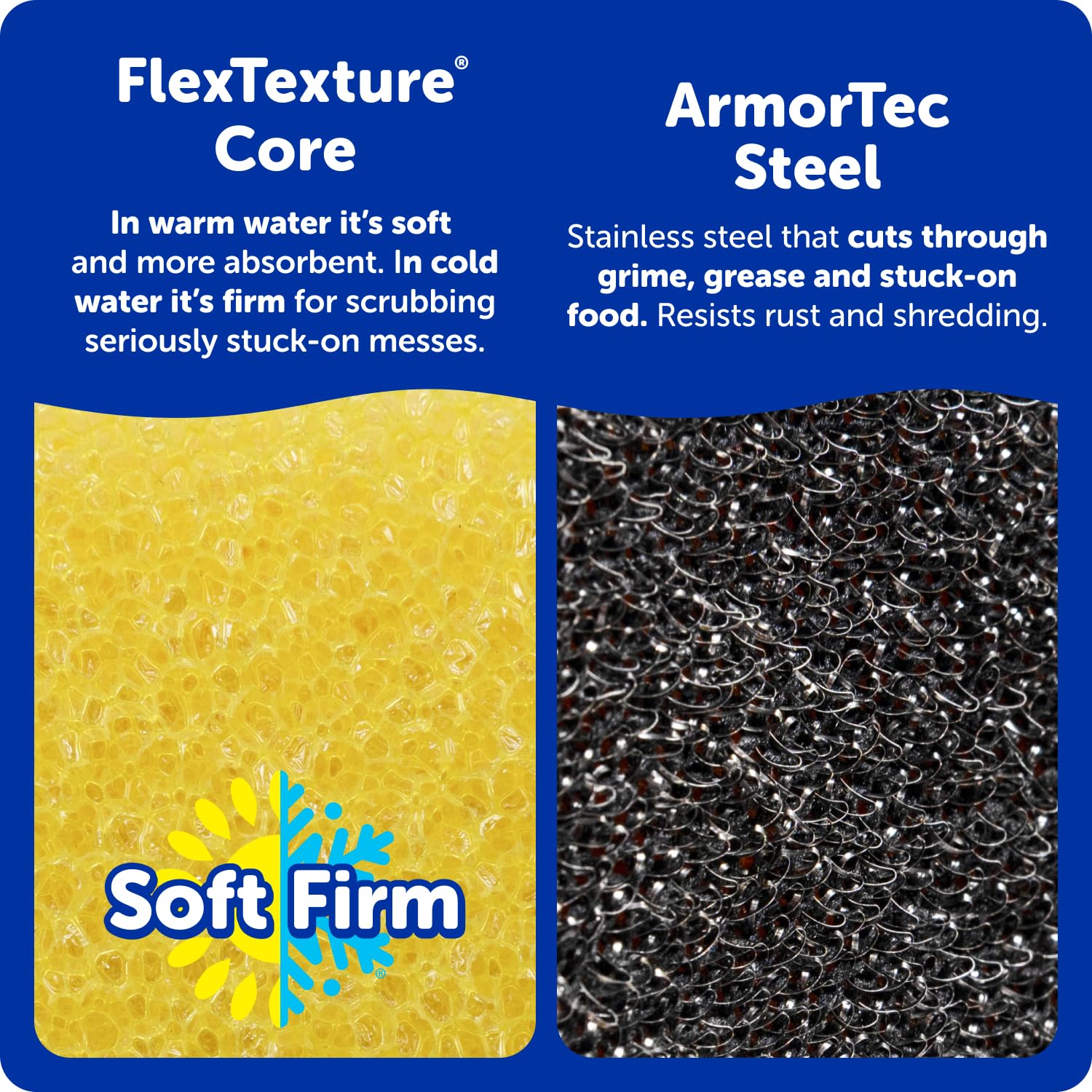
- Bristle-free ArmorTec mesh head removes the health hazard of ingested wire bristles entirely
- FlexTexture core firms in cold water and softens with grill steam, adapting to grate texture automatically
- Multiple tools in one handle: scraper, grate hook, and bottle opener reduce grill-kit clutter
- Ergonomic angled trigger and leverage knob make sustained scrubbing comfortable even on large grills
- Strong real-world track record with thousands of verified buyers confirming durability across grill types
Cons
- At $29.93 it costs noticeably more than a basic wire brush, which may feel steep for occasional grillers who cook only a few times a season
- The steam-activation method works best on a hot grill, so it is less effective for cold or fully cooled grates
- The multi-tool handle is larger and heavier than a standard brush, which could feel bulky for users with smaller hands or limited storage hooks
The BBQ Daddy solves a problem that every backyard griller eventually thinks about: are those wire bristles really safe? Scrub Daddy replaced the entire wire brush concept with an ArmorTec mesh head that cleans aggressively without leaving anything dangerous behind. That alone makes it stand out in a crowded category of nearly identical wire brushes.
What makes it genuinely satisfying to use is the steam interaction. You wet the head with cold water before use, and as you scrub a hot grill, the rising steam softens the mesh just enough to press into the contours of the grates. It feels almost intuitive, and the results on stubborn char are noticeably better than what you get from dragging a stiff wire brush across the surface.
The extras are thoughtful rather than gimmicky. The grate hook, steel scraper, and bottle opener are all built into the handle without making it feel overengineered. If you want a genuinely safer, more capable grill-cleaning experience without juggling multiple tools, this one delivers.
Styles it works with: Outdoor entertaining setups, modern backyard kitchens, rustic patio spaces, industrial-style outdoor areas
Best placed in: Hung on a grill side hook, stored in an outdoor kitchen drawer, or mounted on a patio tool rack near the grill station
May not suit: Compact balcony grills where storage space is extremely limited and a slimmer tool would be easier to manage; households that grill only once or twice a year and would not see enough use to justify the price over a budget option
Buy it if:
- You grill regularly and want to stop worrying about wire bristles contaminating food
- You want one handle that covers scrubbing, scraping, grate lifting, and bottle opening without extra accessories cluttering your grill area
- You own a gas or charcoal grill that you fire up hot and want a brush that performs better as the temperature rises
Consider waiting if:
- You are in the middle of a grilling season and can still get use from your current brush before replacing it
Skip it if:
- You grill on a small indoor or countertop grill where steam buildup is minimal and the brush head cannot activate properly
- You are looking for the lowest possible cost option and safety features are not a priority concern for your household
Check the latest price and availability on Amazon before it sells out.
Frequently Asked Questions
Can you use oven cleaner on a grill grate?
It depends on the material, and I’d avoid it. Oven cleaner strips seasoning off cast iron and can leave residue that’s tough to rinse fully. If you use it on stainless, ventilate well and rinse three times. Vinegar soaks do the same job with far less risk.
Should you clean a grill grate hot or cold?
Hot. A grate around 500°F releases carbonized food as dry ash that flakes off in seconds. Cold grease bonds to the metal and forces you to gouge and scrape, which scratches the finish and takes four times longer.
Is it safe to use aluminum foil to clean a grate?
Yes. A crumpled ball of foil gripped in long tongs lifts baked-on carbon without shedding wire bristles. It’s stiff enough to work on cast iron and soft enough that it won’t score stainless. It’s my go-to for people nervous about brushes.
How often should you deep-clean grill grates?
It depends on how often you cook. Light users can deep-clean every couple of months; weekly grillers should do a full soak-and-scrub every 4 to 6 weeks. The after-cook burn-off happens every time, so buildup never gets ahead of you.
Do grill grates rust, and can you fix it?
Yes, especially bare cast iron left damp. Scrub light surface rust with a baking soda paste or foil, rinse, dry fully over the burner, then re-oil. Deep pitting that flakes through is done; replace the grate rather than cook on failing metal.
Can you put grill grates in the dishwasher?
No for cast iron, and it’s risky for others. Dishwasher detergent strips cast-iron seasoning and the heat can warp thin stainless. Porcelain enamel may survive, but a hand soak in vinegar water is gentler and just as effective without the gamble.
What’s the best oil to season a grate after cleaning?
It depends on your cooking temperature, but high-smoke-point oils win. Canola, grapeseed, and avocado oil handle grill heat without turning gummy the way olive oil does. Wipe a thin coat on with a paper towel and long tongs while the grate is still warm.

Write Your Review
No reviews yet. Be the first to share your experience!