

> Editorial Note: I’m Liam Wright, an outdoor and garden editor. I grew up in my family’s landscaping business and now cover what actually survives a season of UV, rain, and freeze-thaw cycles. The picks here are evaluated against ASTM weatherability standards and manufacturer durability ratings.
Most people reach for a garden hose and a splash of dish soap, then wonder why the oil stains are still there a week later. That’s the mistake. Bare concrete is porous, so grease and road salt sink below the surface where a rinse can’t touch them. Get the method right once and the floor stays clean for months. If you’re setting up the rest of the space too, these guides pair well: best gas fire pit table, best wood burning fire pit, best outdoor sofa, best patio umbrella, best raised garden bed.
What Do You Need Before You Start?
Start with the right cleaner, not the strongest one. A concentrated degreaser cuts petroleum stains that all-purpose spray can’t, and it’s what most auto shops keep on the shelf. Look for a product that dilutes at roughly a 1:30 ratio for light grime and 1:10 for heavy oil. That range covers everything from tire dust to a leaking transmission.
You’ll also want a stiff-bristle deck brush with a telescoping handle so you’re not on your knees for an hour. Bristles rated for outdoor scrubbing hold up against rough concrete better than a soft mop, which just smears the mess around. A garden hose with a jet nozzle handles the rinse, though a pressure washer in the 2,000 to 3,000 PSI range does it faster.
Round out the kit with cat litter or a dry absorbent for fresh spills, a bucket, and rubber gloves. Wirecutter’s cleaning guides note that degreasers work best on a dry floor, so sweep first and let any wet patches dry. Safety glasses matter here. Splashback from a stiff brush and an alkaline cleaner is no fun.
Sweep every corner. Debris under the brush scratches the surface and dulls your results.
How Do You Remove Oil and Grease Stains?
Attack the stain before it cures into the concrete. Fresh oil lifts with almost no effort. A stain that’s sat through a summer needs a poultice and patience.
For a fresh spill, cover it with cat litter or baking soda and let it draw out the oil for 20 to 30 minutes. Sweep up the saturated absorbent, then scrub the spot with undiluted degreaser and a stiff brush. Work it in small circles and give the cleaner five minutes of dwell time before you rinse. That soak window is what separates a clean floor from a faded shadow.
Old, set-in stains call for a stronger move. Mix the degreaser into a paste with a bit of absorbent powder, spread it over the stain about a quarter-inch thick, and cover with plastic overnight. The paste keeps the cleaner in contact with the concrete instead of evaporating. Come morning, scrape it off and scrub.
For stains that survive two rounds, a concrete-specific poultice with a solvent base is the next step. Rinse thoroughly. Any residue left behind attracts fresh dirt fast.
How Do You Deep-Clean the Whole Floor?
Work in sections so the cleaner never dries before you scrub it. A two-car garage divides neatly into four zones of roughly equal size.
Wet the first section lightly, then apply your diluted cleaner across it. Let it sit for three to five minutes so it can break down the film of grime, but don’t walk away long enough for it to dry. A dried cleaner leaves streaks that need a second pass. Scrub with the deck brush in overlapping strokes, pushing the dirty solution toward the drain or door.
Rinse each section before moving to the next. If you’re using a pressure washer, hold the tip 8 to 12 inches off the surface and keep it moving. Parking it in one spot on older concrete can etch a visible line. A garden hose with a jet nozzle takes longer but carries zero risk to the slab.
Squeegee the water toward the drain and let the floor air-dry for a few hours. Concrete that’s coated or sealed cleans faster since the sealer blocks the pores. If yours soaks up water like a sponge, that’s your sign it’s time to seal.
How Do You Keep It Clean Longer?
Prevention beats scrubbing every time. A sealed floor resists stains for years instead of soaking them up in weeks.
Seal bare concrete with a penetrating sealer or an epoxy coating. ASTM D4060 abrasion ratings tell you how a coating holds up to foot and tire traffic, so check that spec before you buy. A quality epoxy shrugs off oil, road salt, and freeze-thaw cycling far better than raw slab. Reapply a topcoat every few years as the finish wears.
Lay a containment mat or interlocking floor tiles under the vehicle if sealing isn’t in the budget yet. The mat catches drips and salt melt before they reach the concrete, and you just hose it off in spring. It’s the cheapest insurance a garage floor can get.
Wipe fresh spills the same day. A five-minute cleanup now saves an overnight poultice later. Sweep weekly, and give the whole floor a light degreaser mop once a season.
That’s the whole system. Seal it, mat it, and stay ahead of the spills.
Helpful Picks
These three cover the core kit: a heavy-duty degreaser for oil, a scrub brush that spares your back, and a concentrate for coated floors. All clear strong owner ratings and match the dilution ranges above.


Simple Green Industrial Cleaner & Degreaser - Non-Toxic All-Purpose Concentrate for Home Surfaces
Pros
- Versatile enough for every room from kitchen grease to carpet stains
- Concentrate format offers excellent cost-per-use value
- Non-toxic and non-abrasive so it won't damage delicate countertops or upholstery
- EPA Safer Choice certification backs up safety claims
- Proven track record with nearly 10,000 positive reviews
Cons
- Industrial-size jug may be bulky to store under a standard kitchen or bathroom sink
- Requires dilution before use, which adds step compared to ready-to-spray cleaners
- Unscented industrial formula lacks the pleasant fragrance some home users prefer
Keeping a beautifully decorated home looking its best means cleaning surfaces without worying about harsh chemicals damaging your finishes. Simple Green Industrial Cleaner earns its place under the sink because it tackles everything from greasy stovetop splatters to mystery stains on upholstery, all without the toxic fumes or abrasive grit that can ruin countertops and fabrics over time.
What sets it apart is the concentrate format. You mix only what you need, so one bottle stretches across dozens of cleaning sessions. Whether you are wiping down a marble-look counter or deep-cleaning tile grout before guests arrive, the same product handles it safely. The EPA Safer Choice label adds peace of mind for households with children or pets.
If you want a single, powerful cleaner that protects your home surfaces without the health trade-offs of bleach or solvents, this one delivers.
Styles it works with: Any interior style where maintaining clean surfaces matters, including Modern Farmhouse wood and stone, Minimalist white countertops, Boho textiles, and Traditional upholstered furniture.
Best placed in: Under the kitchen sink for daily countertop and appliance wipe-downs, in the laundry or utility closet for whole-house deep cleans, and in the garage for heavier degreasing tasks.
May not suit: Very small apartments with limited storage space due to the large jug size, or households that prefer a ready-to-use spray with no mixing required.
Buy it if:
- You want to consolidate multiple cleaning products into one versatile concentrate
- You have kids or pets and need a non-toxic formula you can trust on food-prep surfaces
- You regularly deep-clean carpets, tile, or upholstery and want a compatible solution for extraction equipment
Consider waiting if:
- You prefer a scented formula and want to compare fragrance options from the Simple Green lineup first
Skip it if:
- You only need a quick-spray product and do not want to measure and dilute concentrate
- You need a disinfectant that kills bacteria and viruses, as this is a cleaner and degreaser only
Check the latest price and availability on Amazon before it sells out.

Yocada 2-in-1 Floor Scrub Brush with Telescopic Handle and Scraper - Stiff Bristle Cleaning Brush for Bathroom, Patio, Kitchen
Pros
- Dual-function head eliminates the need for separate scruber and squeegee
- Telescopic pole locks securely and accommodates different user heights
- Stiff bristles hold up well against textured tile and outdoor concrete
- Lightweight iron pole feels sturdy without adding fatigue during long cleaning sessions
- Wide brush head covers good surface area for faster cleaning
Cons
- Bristles may be too stiff for delicate sealed hardwood or luxury vinyl plank
- Brush head is not replaceable, so heavy use will eventually wear it down
- Pole connection point can losen over time with aggressive scrubbing
Keeping tile grout, shower floors, and outdoor patios truly clean usually means getting on your hands and knees with a handheld brush. The Yocada floor scrub brush removes that chore entirely. The stiff bristles do the heavy lifting while the built-in scraper edge handles anything left behind, all from a comfortable standing position.
What sets it apart from basic push broom is the 2-in-1 design and the ergonomic 45-degree angle that channels your effort directly into the floor surface. The telescopic pole adjusts to your height, so whether you are 5'2" or 6'1", you get full leverage without awkward posture. It is one of those tools that makes a dreaded task feel manageable.
If you want sparkling tile and grout without kneeling on a wet bathroom floor, this one delivers.
Styles it works with: Any home style where clean floors matter. Practical tool storage in Farmhouse, Minimalist, or Industrial utility spaces.
Best placed in: Bathroom and shower cleaning rotation, garage or patio tool rack, laundry room utility hook
May not suit: Homes with only delicate sealed hardwood or luxury vinyl floring where stiff bristles could cause surface scratching; very small bathrooms where the long handle becomes unwieldy
Buy it if:
- You have textured tile, grout lines, or concrete that collects grime no mop can handle
- Back or knee issues make kneeling to scrub floors painful or impossible
- You need one tool for both indoor bathrooms and outdoor patios or decks
Consider waiting if:
- You want a brush with a replaceable head for long-term use
Skip it if:
- Your floors are exclusively delicate hardwood or soft luxury vinyl that could scratch
- You need a soft-bristle option for gentle daily sweping rather than deep scrubbing
Check the latest price and availability on Amazon before it sells out.

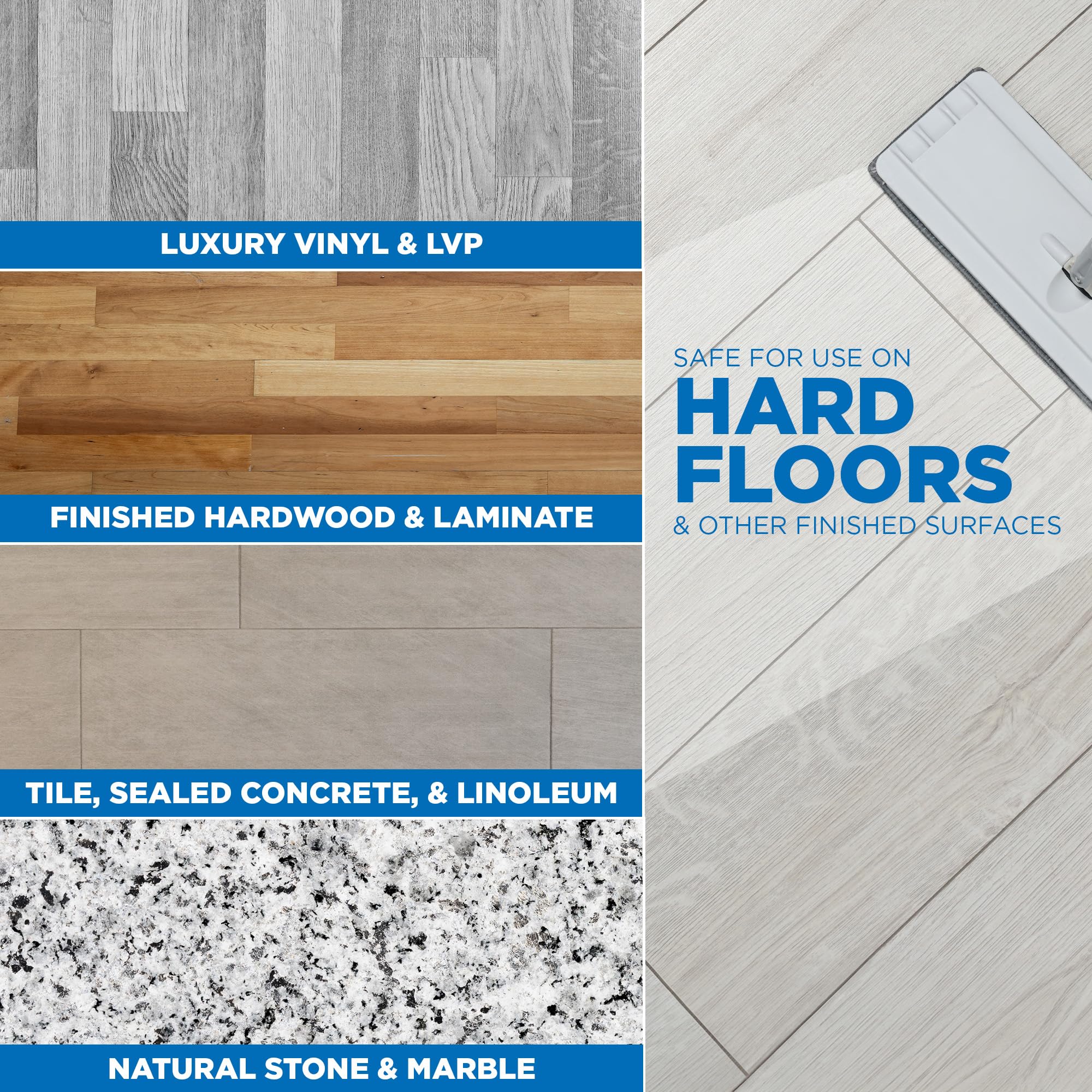
Zep 3-in-1 Hard Floor Cleaner 1 Gallon Concentrate | Cleans, Shines & Deodorizes LVP, Tile, Marble
Pros
- Extremely concentrated formula offers strong long-term value at under $16
- Compatible with nearly all hard floor surfaces, replacing multiple specialty cleaners
- No-rinse formula simplifies routine cleaning
- pH-neutral and safe for colored grout
- Works with both traditional and spray mops
Cons
- Brand new product with no verified customer reviews yet
- Water Blossom scent is the only fragrance option, which may not appeal to everyone
- Concentrate requires measuring and diluting before each use
If your home has a mix of floor types, you know the frustration of keeping three different cleaners under the sink. Zep's 3-in-1 formula handles LVP in the kitchen, tile in the bathroom, and marble in the entryway with a single bottle. That simplicity is genuinely appealing for anyone maintaining a well-kept home.
The no-rinse, streak-free promise means you mop once and walk away. No buffing, no second pass with clean water. The Water Blossom scent leaves a light freshness behind without that overpowering chemical smell that lingers for hours.
If you want one reliable floor cleaner that works across your entire home without risking damage to sensitive surfaces, this one delivers.
Styles it works with: Modern Farmhouse, Contemporary, Coastal, Minimalist
Best placed in: Kitchens with LVP floring, tiled bathrooms, marble entryways, laminate hallways
May not suit: Homes with unfinished or unsealed hardwood floors, or households that prefer fragrance-free cleaning products
Buy it if:
- You have multiple hard floor types and want to simplify your cleaning supply closet
- You clean floors frequently and need safe daily-use formula that will not dull finishes
- You prefer a concentrated product that offers months of use from a single purchase
Consider waiting if:
- You want to see verified customer reviews before committing to a new cleaning product
Skip it if:
- Your home primarily has unfinished or raw hardwood that needs oil-based care
- You strongly prefer unscented or fragrance-free cleaning solutions
Check the latest price and availability on Amazon before it sells out.
Frequently Asked Questions
Can I use a pressure washer on any garage floor?
It depends on the concrete’s age and condition. Newer, sound slabs handle 2,000 to 3,000 PSI fine if you keep the tip moving 8 to 12 inches away. Old or crumbling concrete can spall under high pressure, so drop to a garden hose there.
Will dish soap remove oil stains from concrete?
No, not on its own. Dish soap lifts surface grease but can’t penetrate the pores where petroleum oil settles. A concentrated degreaser with dwell time is what actually pulls the stain out.
How often should I deep-clean a garage floor?
It depends on use. A daily-driver garage does well with a seasonal deep clean, roughly every three months. Wipe fresh spills immediately and sweep weekly to stretch that interval.
Is sealing a garage floor worth the cost?
Yes, for most homeowners. A penetrating sealer or epoxy blocks the pores that trap oil and salt, cutting your cleaning time and protecting the slab from freeze-thaw damage. Check the ASTM D4060 abrasion rating before buying.
Can baking soda replace a commercial degreaser?
It depends on the stain. Baking soda absorbs fresh oil well as a first response, but it won’t break down set-in grease. For cured stains, a degreaser paste does the real work.
Do I need to seal a floor that already has an epoxy coating?
No. A sound epoxy coating already blocks the concrete’s pores, so it just needs regular cleaning. Reapply a topcoat every few years once you see wear or dulling.
Will a degreaser damage a coated or painted floor?
It depends on the finish. Most epoxy and sealed floors tolerate a diluted degreaser, but a strong concentrate can dull some paints. Spot-check a hidden corner first, and rinse well.




Write Your Review
No reviews yet. Be the first to share your experience!