

> Editorial Note: I’m Lauren Ro, and I write furniture buying guides. The picks here are judged on the specs that predict how a piece ages — frame joinery, foam density, and load ratings — checked against BIFMA and FSC certifications plus aggregated owner reports.
A poured slab is only as good as the hardware you anchor into it and the finish you roll across the top. Get the mounts and texturing wrong, and you’re chipping out concrete a year later. Before you break ground, sort out the extras: stamped concrete patio products, outdoor patio rugs, patio furniture covers, cantilever patio umbrella, and solar lanterns for a patio. Here’s the gear that earns its place on a concrete patio installation.
How We Evaluated
I ranked these five against corrosion resistance, load ratings, and how well each holds up through freeze-thaw cycles per ASTM C666. Stainless grade, anchor pull-out strength, and bristle stiffness all factored in. Price mattered less than whether the part survives past the warranty window.


1. HYASIA Sun Shade Sail Hardware Kit — for anchoring shade into cured slab
If you’re mounting a shade sail over your finished patio, this HYASIA 6-inch kit is the anchor that won’t rust into an orange streak down your concrete. The 304 stainless components resist salt and moisture, which matters within a season of rain and UV. Each turnbuckle and pad eye is built for the tension a rectangle or triangle sail puts on a fixed point. The trade-off: it’s hardware only, so you’ll supply your own concrete anchors sized to your slab. For coastal installs, this wins on corrosion alone.
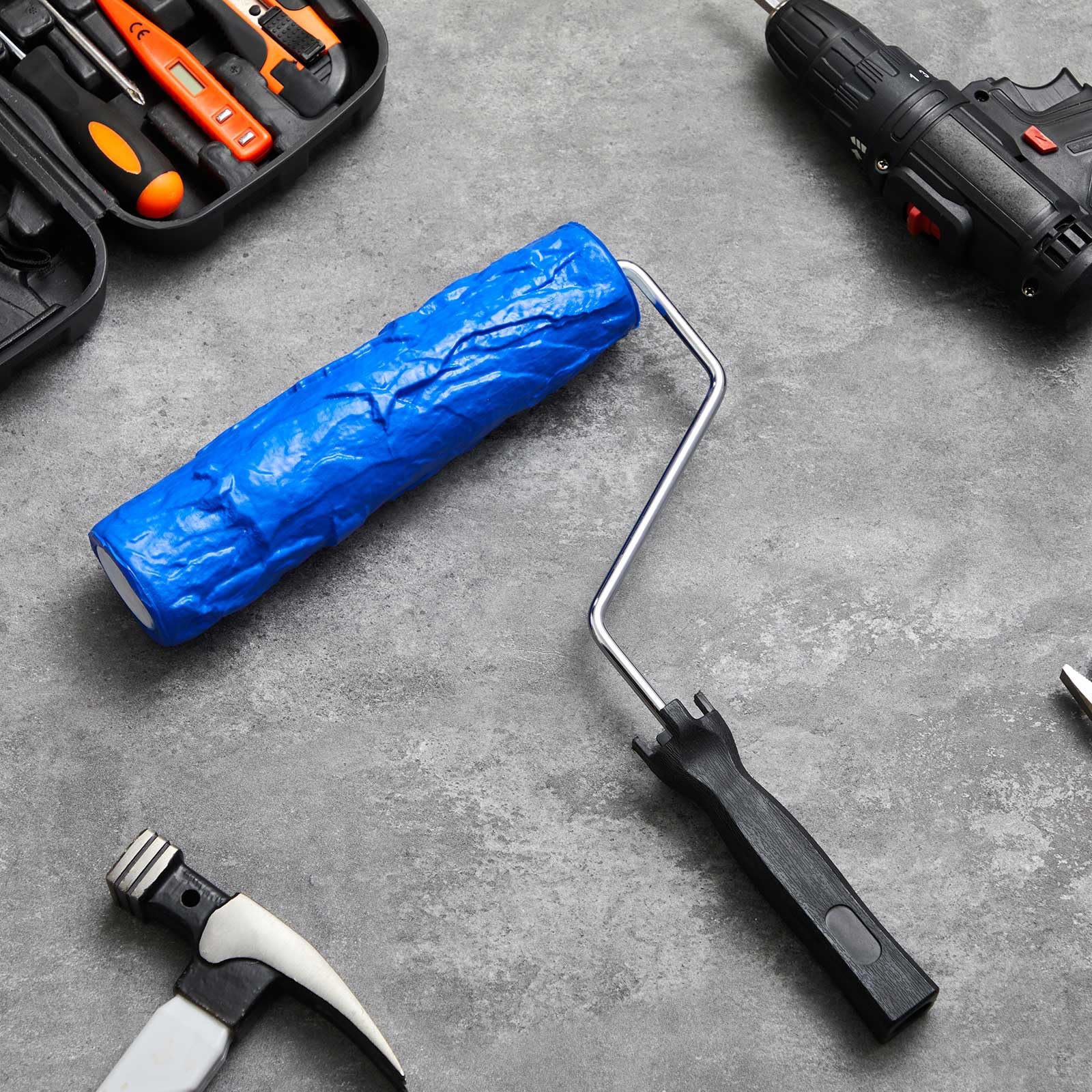
2. RimCereal Concrete Texture Roller Stamp — for finishing without a full stamp mat
This RimCereal roller presses a stone pattern into wet concrete as you pour, giving a slab that reads like natural flagstone at a fraction of a full stamp system’s cost. It’s the practical middle ground between a plain broom finish and a professional stamped job. Roll it while the concrete is at the right plasticity, typically 30 to 60 minutes after screeding. The honest limit: a roller can’t match the crisp relief of a rigid mat on large fields. For walkways and mid-size patios, it’s the tool that delivers texture fast.
3. Lalafancy Bolt-on Umbrella Base — for permanent umbrella mounting
This Lalafancy base bolts directly into cured concrete, which is the right move when you want an umbrella that won’t skid or tip. A weighted freestanding base wanders. A bolt-on flange stays put through the gusts a patio umbrellas for wind setup has to handle. Mark your holes, drill with a masonry bit, and set the anchors. The steel plate distributes load across four points. The trade-off is commitment: once it’s mounted, that’s the umbrella’s spot. For fixed dining zones on a slab, it’s the honest pick.
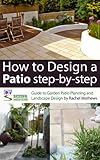
4. Majosta All About Pavers Guide — for planning before you pour
Not a tool. A reference. This Majosta guide walks through choosing, installing, and maintaining pavers, which is worth reading even if you’re going with a poured slab instead. Understanding base prep, drainage slope, and joint spacing keeps rookie mistakes off your project. The book covers the decisions that cost the most to fix later, like subgrade compaction and edge restraint. The limit: it’s paver-focused, so slab-specific detail is thinner. For a first-time DIY patio, the planning it saves you pays for itself.
5. Yocada 18-Inch Push Broom — for the broom finish and cleanup
A concrete patio installation isn’t done until you’ve dragged a broom across it. This Yocada 18-inch heavy-duty broom pulls a slip-resistant broom finish into fresh concrete and doubles as your cleanup tool once cured. The stiff bristles clear debris off textured surfaces where a soft broom just glides over. The wide head covers ground fast. Honest note: at 18 inches, it’s built for commercial-scale sweeping, so it may feel bulky on a tiny balcony. For real patio square footage, that width is the advantage.
Comparison Table
| Product | Best For | Key Spec | Watch-Out |
|---|---|---|---|
| HYASIA Hardware Kit | Shade sail anchoring | 304 stainless, 6 in | Anchors sold separately |
| RimCereal Roller | Stone-look finish | Stone pattern relief | Not for large fields |
| Lalafancy Umbrella Base | Fixed umbrella mount | 4-point bolt-on | Permanent placement |
| Majosta Pavers Guide | Project planning | Full install reference | Paver-focused |
| Yocada Push Broom | Broom finish + cleanup | 18 in heavy-duty head | Oversized for balconies |
What to Check Before You Pour
Base prep decides everything. Compact your subgrade and lay 4 inches of gravel before any concrete goes down, or you’ll get cracking within a freeze-thaw season. Slope the slab a quarter-inch per foot away from your house so water drains instead of pooling. Any anchored hardware needs the concrete fully cured, usually 28 days per ASTM C39, before you drill and bolt. Rushing the cure strips anchor holding power. Match your stainless grade to your climate: 304 works most places, 316 for coastal salt exposure.
Rolled Finish vs. Bolt-on Hardware
These solve different problems, so you may want both. The RimCereal roller works during the pour, in that narrow window when concrete is plastic but not sloppy. Miss it and the pattern won’t take. The Lalafancy base and HYASIA kit work weeks later, on cured concrete, and demand a hammer drill with a masonry bit. Sequence matters. Texture first while wet, then anchor once cured. Trying to bolt into green concrete cracks it, and Apartment Therapy has flagged premature drilling as a top DIY failure.
Frequently Asked Questions
How long before I can bolt hardware into a new slab?
Wait 28 days for full cure per ASTM C39. Anchoring earlier risks cracking around the hole and weakens pull-out strength. Surface may feel hard within days, but internal strength keeps building for weeks.
Do I need 316 stainless or is 304 enough?
For most inland patios, 304 stainless resists corrosion fine. Choose 316 if you’re within a few miles of salt water, where chloride exposure attacks lesser grades. The HYASIA kit uses 304.
When do I use the texture roller during a pour?
Roll roughly 30 to 60 minutes after screeding, once the surface holds a print but isn’t soupy. Too early and it smears. Too late and the pattern won’t press in cleanly.
Can I install a bolt-on umbrella base myself?
Yes, with a hammer drill, masonry bit, and the right concrete anchors. Mark holes, drill to depth, set anchors, then bolt the plate. It’s a one-afternoon job on a cured slab.
What broom finish direction is best?
Drag the Yocada broom perpendicular to foot traffic for maximum slip resistance. Straight, consistent passes look cleaner and drain better. Keep the head flat so bristle depth stays even across the slab.
Is a poured slab better than pavers?
A slab costs less upfront and installs faster. Pavers flex with ground movement and repair easily. The Majosta guide covers the trade-off if you’re still deciding between the two.
Bottom Line
The HYASIA Sun Shade Sail Hardware Kit is the pick I’d anchor into any coastal slab, because 304 stainless survives the salt and UV that eat cheaper mounts. Choose the RimCereal roller instead if your priority is a stone-look finish during the pour rather than shade hardware after. Honest caveat: none of these fixes bad base prep, so compact your gravel and slope for drainage first. Get the foundation right, then the gear earns its keep.



Write Your Review
No reviews yet. Be the first to share your experience!