

> Editorial Note: I’m Liam Wright, an outdoor and garden editor. I grew up in my family’s landscaping business and now cover what actually survives a season of UV, rain, and freeze-thaw cycles. The picks here are evaluated against ASTM weatherability standards and manufacturer durability ratings.
Bypass shears cut living stems clean. Anvil shears crush them against a flat plate, leaving a bruised, ragged wound that seals slowly and invites rot. That’s the real reason your roses die back at the cut. Grabbing the wrong tool costs you plants every season, and most people never connect the dieback to the shears in their hand. If you’re building out a full kit, pair the right pruner with a best garden tool set, a pair of best gardening gloves, and a best garden kneeler for the beds. Anyone growing edibles in a best raised garden bed or learning how to grow tomatoes in pots will reach for pruners more than any other tool.
How We Evaluated
We started with cut type: bypass for live green wood, anvil for dead stems only. Then blade steel. Japanese and titanium-coated blades hold an edge longer than plain carbon and resist sap corrosion, which matters after a wet spring. Cut capacity ranged from 5/8-inch to 3/4-inch green stems, and we noted where a pick struggles past its rating. Ergonomics counted too: spring return, handle span for smaller hands, and lock placement. Replaceable parts earned points for longevity. Every pick clears a 4.5 owner rating floor, cross-checked against Consumer Reports durability notes and university extension pruning guidance.

Pros
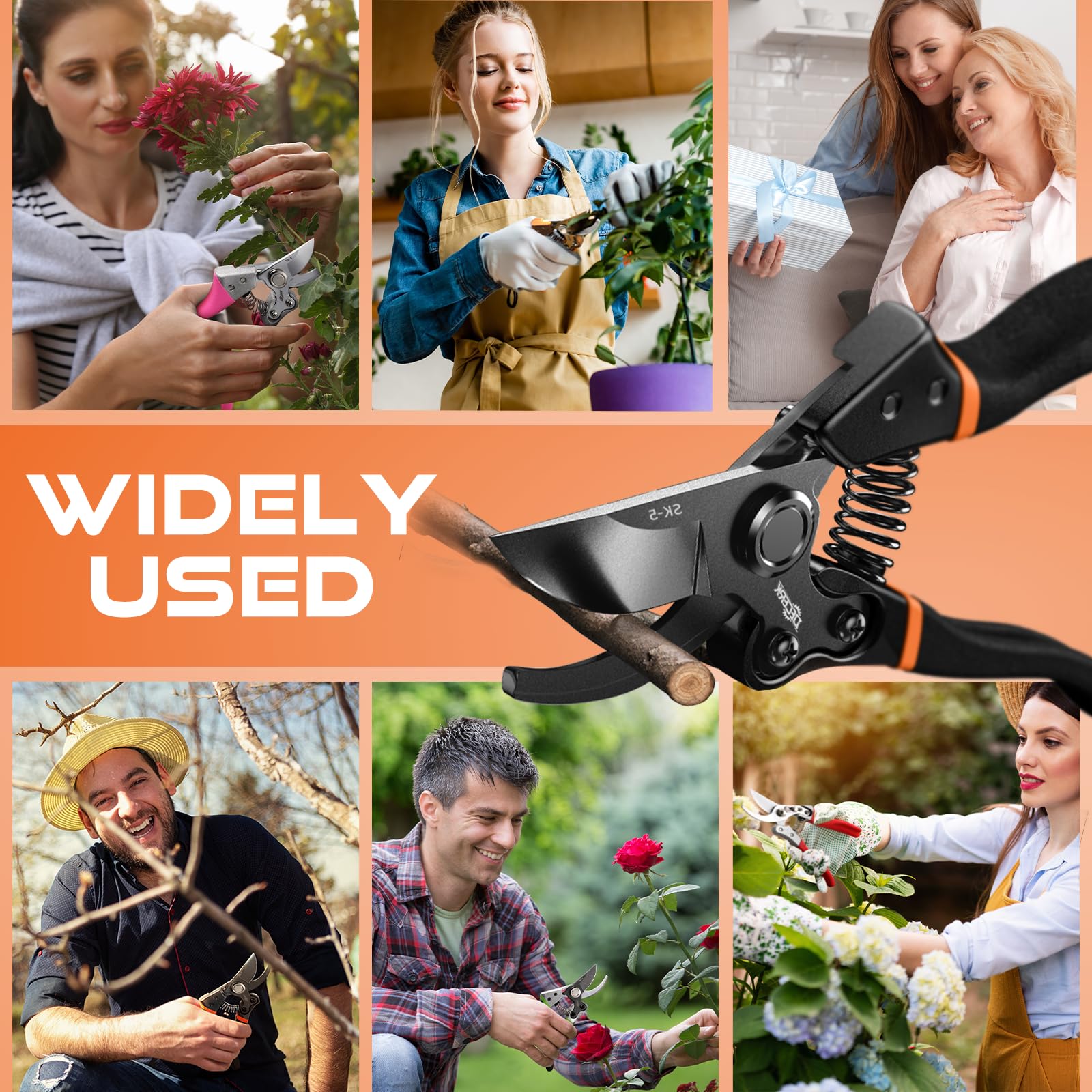
- Titanium-coated SK5 blade is built for long-term sharpness and corrosion resistance
- Lever-action design meaningfully reduces the force needed to cut thicker branches
- Ergonomic rubber grip is specifically suited to users with arthritis or limited hand strength
- One-hand safety lock adds convenience for both use and storage
- Includes a spare spring, which most shears at this price point do not offer
Cons
- Maximum cutting capacity is limited to 3/4" branches, so it won't handle heavier limb or tree work
- Blade arrives with a light protective oil coating that requires wiping down before first use
- No customer reviews yet, so long-term durability claims haven't been independently verified
If you have spent a season fighting with dull, sticky pruning shears, the DECERK 8.5" is the kind of upgrade that quietly changes how much you enjoy yard work. The titanium-coated SK5 blade slices through stems and small branches cleanly instead of crushing them, which matters if you care about your roses, shrubs, or fruit trees staying healthy after a cut.
What stands out most is how little effort it takes. The 4X lever action means you are not white-knuckling through a 3/4" branch, and the cushioned rubber handles keep your grip comfortable even after twenty or thirty cuts in a row. For anyone dealing with arthritis or general hand fatigue, that difference is immediately noticeable.
If you want strong, clean cuts on everyday garden branches without straining your hands, this one delivers.
Styles it works with: Cottage Garden, Modern Farmhouse Outdoor Spaces, Minimalist Gardener Toolkits, Practical Everyday Utility Setups
Best placed in: garden tool drawer, potting shed, hanging tool rack near the back door, garage gardening station
May not suit: households needing tools for thick tree limbs or heavy-duty landscaping beyond 3/4" branches
Buy it if:
- You regularly prune roses, shrubs, flowers, or small fruit trees at home
- You want a comfortable grip that reduces hand strain during longer pruning sessions
- You are shopping for a practical, ready-to-use gift for a gardener in your life
Consider waiting if:
- You want to see verified customer reviews before committing, since this listing currently has none
Skip it if:
- You need shears rated for branches thicker than 3/4", such as heavy tree limbs
Check the latest price and availability on Amazon before it sells out.

FELCO F2 Swiss Pruning Shears - Professional Garden Clippers with Lifetime Aluminum Handles & Replaceable Blade
Pros
- Swiss precision engineering delivers razor-sharp, clean cuts that promote plant health
- Forged aluminum construction is lightweight yet strong enough for daily professional use
- Fully replaceable parts mean this pruner can last 20+ years with basic maintenance
- Ergonomic grip and angled head reduce hand and wrist strain during extended pruning
- Handles branches up to 1 inch diameter, covering most residential pruning needs
Cons
- Premium price point at $76 may be steep for casual gardeners who prune only a few times per year
- Designed for right-handed users only (this model), left-handed gardeners need the FELCO 16 instead
- Requires occasional blade sharpening and maintenance to keep performance at peak level
The FELCO F2 is the kind of tool you buy once and pass down to your kids. While it costs more upfront than big-box pruners, the Swiss engineering and replaceable parts mean you will never throw it away. The bypass blade cuts through rose canes, fruit tree branches, and thick shrubs without crushing or tearing, so your plants heal faster and look healthier.
What really sets it apart is how it feels in your hand during a long afternoon of pruning. The lightweight aluminum body and cushioned grip reduce fatigue, and the angled cutting head lets you reach into tight spaces without awkward wrist angles. Professional landscapers rely on this model for a reason: it works hard, day after day, season after season.
If you want a pruner that delivers clean cuts and lasts decades without the hassle of replacing cheap tools every few years, this one delivers.
Styles it works with: Not applicable (garden tool)
Best placed in: Garden shed, garage tool rack, potting bench, or mudroom hook for easy access during yard work
May not suit: Apartment dwellers without outdoor gardening space, or households that only trim small indoor houseplants requiring precision snips rather than heavy-duty pruners
Buy it if:
- You maintain roses, fruit trees, shrubs, or perennials that need regular pruning throughout the growing season
- You are tired of replacing cheap pruners every year and want a lifetime tool with replaceable parts
- You value clean cuts that promote plant health and faster healing over rough tears from dull blades
- You spend hours pruning and need an ergonomic design that will not cramp your hand or strain your wrist
Consider waiting if:
- You are left-handed and want the ergonomic fit designed for your dominant hand (wait for the FELCO 16 model instead)
Skip it if:
- You only prune a few houseplants or small herbs and do not need a professional-grade tool for thick branches
- Your budget is tight and you can manage with a basic $20 pruner until you take on more serious gardening projects
Check the latest price and availability on Amazon before it sells out.

Pros
- Titanium-coated Japanese steel blades deliver clean, precise cuts
- Ergonomic grip and shock-absorbing pads minimize hand and wrist strain
- Rust and corrosion resistant construction built for repeated outdoor use
- Handles branches up to 1 inch thick for general-purpose garden work
- Comfortable design suited to users with smaller hands or arthritis
Cons
- No customer reviews yet, so real-world durability claims are unverified
- 1 inch cutting capacity may not handle thicker, woodier branches
- Titanium coating on blades could wear down with heavy long-term use
If you have spent any time fighting with dull, rusty shears in the garden, this one is a relief to hold. The Japanese high-carbon steel blades feel sharp right out of the box, and the titanium coating means you are not scrubbing off rust after a single rainy afternoon.
What stands out most is the grip. The ergonomic handle and shock-absorbing pads make a real difference if you are pruning for more than a few minutes at a time, especially for gardeners with smaller hands or arthritis who usually struggle with standard-sized tools.
If you want a pruner that stays sharp and comfortable through repeated seasonal use without constant tool replacement, this one delivers.
Best used for: Trimming trees, shrubs, indoor flowers, and general garden maintenance
Ideal for: Backyard gardens, patio container plants, indoor plant care, greenhouse work
May not suit: Gardeners regularly cutting thick woody branches over 1 inch, who will need loppers instead
Buy it if:
- You want a comfortable pruner that will not strain your hands during long sessions
- You are tired of shears rusting after a season or two of outdoor use
- You need one versatile tool for trees, shrubs, and indoor plants up to 1 inch thick
Consider waiting if:
- You want to see verified customer reviews before buying, since this listing currently has none
Skip it if:
- You regularly cut branches thicker than 1 inch and need heavier-duty loppers
Check the latest price and availability on Amazon before it sells out.
Pros
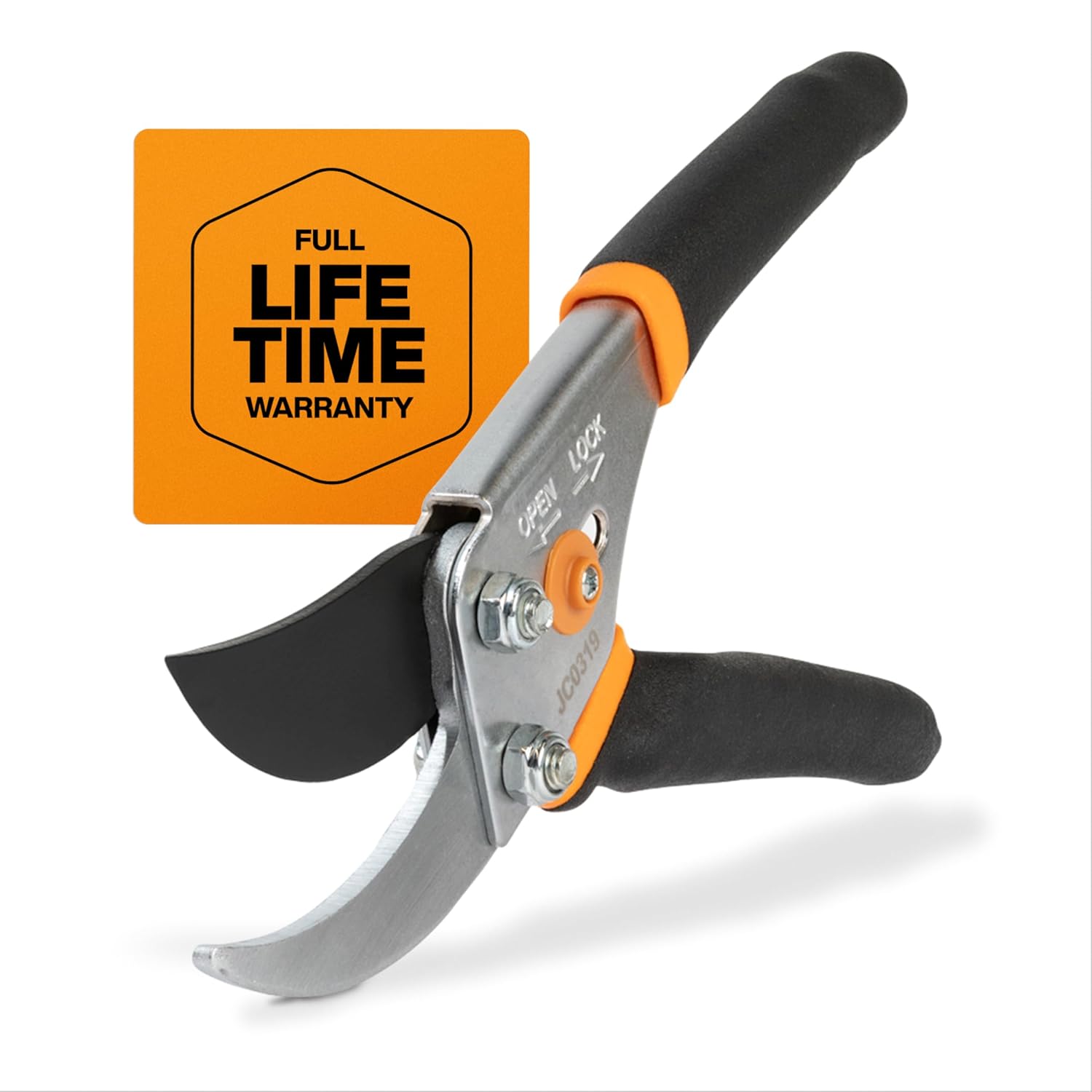
- Sharp precision-ground steel blades maintain their edge through heavy, repeated use
- Low-friction non-stick coating reduces sap buildup and improves rust resistance for outdoor durability
- Ergonomic handle with non-slip grip controls hand fatigue during extended trimming sessions
- Lifetime warranty provides exceptional long-term value for a sub-$15 tool
Cons
- 5/8" cut capacity limits use to smaller stems and branches, not suitable for thick woody shrubs or larger pruning jobs
- Spring tension may feel stiff for users with limited hand strength or arthritis
The Fiskars Bypass Pruning Shears have earned a permanent spot on our recommended list because they simply do their job better than most tools at twice the price. The bypass blade design mimics a scissors-style cut that is genuinely gentler on plants, which matters when you are shaping a prized hydrangea or cleaning up a container garden on your porch.
What sets these apart is the thoughtful build quality packed into an affordable package. The low-friction coating is not a gimmick. After cutting through sappy stems, the blades wipe clean in seconds, and the sap groove actively prevents the kind of mid-cut sticking that makes cheaper pruners frustrating. The grip feels confident in hand even when working in tight spots between pots or under dense foliage.
If you want clean, healthy cuts on your plants without constantly sharpening or replacing a worn-out tool, this one delivers.
Styles it works with: Cottage garden, Modern Farmhouse, Boho botanist, Minimalist plant-forward interiors
Best placed in: Kitchen windowsill herb garden, sunroom or indoor plant corner, outdoor patio or balcony garden, garage potting station
May not suit: Gardeners with large established trees or thick woody shrubs that need loppers or saws; users with limited hand grip strength who may find the spring resistance uncomfortable for prolonged use
Buy it if:
- You maintain indoor plants, flower arrangements, or a container garden and want a reliable everyday cutting tool
- You are gifting something practical to a new homeowner or someone just getting into gardening
- You need a durable, low-maintenance pruner that resists rust and sap buildup without frequent sharpening
Consider waiting if:
- You prefer a pruner with an ergonomic rotating handle designed specifically for users with arthritis or repetitive strain concerns
Skip it if:
- Your pruning tasks regularly involve branches thicker than 5/8", where a bypass lopper or larger pruner would be more appropriate
- You need left-handed pruning shears, as this model is designed for right-hand use
Check the latest price and availability on Amazon before it sells out.

Pros
- Titanium coating adds rust resistance beyond standard steel blades
- Ergonomic handle design reduces grip strain on extended use
- Sap groove is a thoughtful touch most budget shears skip
- Drop-forged construction suggests better long-term durability than stamped blades
Cons
- No customer reviews yet, so real-world durability is unverified
- 3/4 inch cutting capacity limits it from thicker branch or heavy-duty tree work
- Ships with a light oil coating on the blade that requires wiping before first use
If you spend weekends trimming roses, shaping shrubs, or tidying up stems in the garden, the feel of your pruning shears matters more than people expect. The gonicc GPPS-1003 leans into that with a drop-forged body and titanium-coated SK-5 blade that's built to hold an edge through repeated cuts.
The aluminum handles wrapped in PVC give it a grippy, lightweight feel in hand, which matters when you're working through a long row of plants and don't want your fingers cramping halfway through. The built-in sap groove is a small detail that keeps the blade from gumming up mid-task, so you're not stopping to wipe it down every few cuts.
If you want a reliable, comfortable pruning tool without babying a blade that dulls or rusts fast, this one delivers.
Styles it works with: Cottage Garden, Modern Farmhouse, Minimalist Outdoor Setup, Traditional Backyard
Best placed in: garden shed, potting bench drawer, hanging tool rack, garage gardening station
May not suit: households needing heavy-duty tree branch cutters over 3/4 inch, or gardeners who prefer left-handed bypass designs
Buy it if:
- You regularly prune stems, roses, or light woody branches under 3/4 inch
- You want a rust-resistant blade without paying premium prices
- You prefer a lightweight, non-slip handle for longer gardening sessions
Consider waiting if:
- You want to see verified customer reviews first since none are currently listed
Skip it if:
- You need to cut branches thicker than 3/4 inch on a regular basis
Check the latest price and availability on Amazon before it sells out.
1. DECERK 8.5″ Pro Shears — Easiest Squeeze for Tired Hands
If your hands ache by the second hour of pruning, this is the pick that keeps you working. The DECERK runs an ultra-sharp Japanese steel titanium blade on an 8.5-inch frame, and the geometry is tuned for a light squeeze rather than a hard clamp. That arthritis-friendly design isn’t marketing fluff. The spring does more of the reopening work, so your grip muscles recover between cuts. At a 4.8 owner rating, it’s the highest-rated pick here, and reviewers consistently flag how little force clean cuts take.
The titanium coating sheds sap and resists the pitting that dulls cheaper blades after one season. Out of the box the edge is genuinely sharp, so it glides through 3/4-inch green stems without the crush-and-tear you get from a tired blade. The trade-off? The precision that makes it feel effortless also means you’ll want to keep it out of dead, dry hardwood that can chip a fine edge. For roses, hydrangeas, and general softwood pruning, it’s hard to beat.
2. FELCO F2 — The Lifetime Buy You Only Make Once
The F2 is the tool professional orchardists have carried for decades, and there’s a reason it outlasts everything around it. Swiss-made with a hardened steel blade and a forged aluminum body, it cuts a clean 1-inch capacity and shrugs off years of daily use. What sets it apart is that every part is replaceable. Blade, spring, bumper, adjustment nut, all sold separately. You resharpen and rebuild instead of tossing it in a landfill.
At a 4.8 rating and a 9.25-inch length, it’s a full-size pruner built for hands that work all day. The wire-cutting notch and adjustable central bolt let you dial out blade play as parts wear. It’s not the cheapest pick, and the edge takes a few uses to feel broken-in. But amortize the price over a decade of replaceable-part rebuilds and it’s the most economical tool on this list. Buy it once. Sharpen it forever.

3. Haus & Garten ClassicPRO — Pro Titanium at Half the Price
This is the value play for anyone who wants pro-grade performance without the premium badge. The ClassicPRO runs an 8.5-inch titanium bypass blade, heavy-duty construction, and a 4.7 owner rating that reflects how well it holds up under real load. It handles 3/4-inch green wood cleanly and the titanium coating fights corrosion the same way the pricier picks do.
The ergonomics land in a comfortable middle: a sap groove keeps the blade from gumming, and the safety lock sits where your thumb naturally rests. Reviewers who upgraded from a big-box brand describe the difference as immediate, sharper cuts, less hand fatigue, no wobble in the pivot. It doesn’t have the fully replaceable-parts ecosystem of the FELCO, so a broken spring is a bigger deal here. For most gardeners cutting a few hours a week, that’s a fair trade for the money saved. Solid steel, honest price.
4. Fiskars Bypass Pruner — The Reliable Budget Standard
Everybody knows this one, and that’s the point. The Fiskars bypass pruner has a 5/8-inch cut capacity, a self-cleaning sap groove, and a non-slip grip, all at a price that makes it the default first pruner in millions of sheds. At a 4.6 rating, it earns trust through consistency rather than flash.
The low-friction blade coating and sap groove mean you can skip most of the maintenance fuss. Wipe it, close it, move on. The steel isn’t titanium-grade, so the edge softens faster than the premium picks and you’ll resharpen more often. Push it past 5/8-inch stems and you’ll feel it complain. But for deadheading, light shrub work, and the everyday cuts that make up 90% of home gardening, it just works. There’s no learning curve and nothing to fuss over. If you want one dependable pruner and refuse to overthink it, start here.

5. gonicc 8″ Titanium Bypass — Precision for Bonsai and Detail
When the cut has to be exact, reach for the gonicc. This 8-inch pro titanium bypass runs a fine, narrow blade profile built for bonsai and close detail work where a bulky pruner would mangle the branch. The 4.6 rating reflects a loyal following among bonsai growers and anyone shaping delicate ornamentals.
The titanium-coated blade takes a razor edge and the slim nose slips into tight branch crotches a wider blade can’t reach. That precision comes with a limit: this isn’t the tool for thick, woody stems near the top of its capacity, and forcing it there dulls the fine edge fast. Used within its lane, cutting small green shoots and shaping growth, it’s the most surgical pick here. The spring action is smooth and the lock is secure for storage. For finish work rather than heavy clearing, nothing else on this list matches its control.
Comparison Table
| Pick | Blade Type | Cut Capacity | Steel | Rating |
|---|---|---|---|---|
| DECERK 8.5″ Pro | Bypass | 3/4″ | Japanese titanium | 4.8 |
| FELCO F2 | Bypass | 1″ | Hardened Swiss steel | 4.8 |
| Haus & Garten ClassicPRO | Bypass | 3/4″ | Titanium-coated | 4.7 |
| Fiskars Bypass | Bypass | 5/8″ | Coated carbon steel | 4.6 |
| gonicc 8″ Pro | Bypass | 3/4″ | Titanium-coated | 4.6 |
How to Choose Pruning Shears
Start with cut type, because it decides plant health. Bypass shears work like scissors, two blades passing to slice living stems clean, and that’s what you want for anything green and growing. Anvil shears press a single blade onto a flat plate, which crushes soft tissue but powers cleanly through dead, dry wood. Most gardeners need bypass. Keep anvil for the deadfall pile.
Match capacity to your plants. A 5/8-inch pruner covers roses, perennials, and most shrubs. Jump to 3/4-inch or 1-inch if you cut fruit tree suckers or thick cane. Forcing a small pruner through oversized wood twists the blades out of alignment, and misaligned bypass blades tear instead of slice.
Handle span matters more than people expect. Smaller hands fatigue fast on a wide-open frame, so look for adjustable spans or a compact body. Then weigh maintenance. Titanium and Japanese steel hold an edge and resist sap corrosion; plain carbon needs more frequent sharpening. If you plan to keep the tool for years, replaceable parts turn a disposable pruner into a rebuildable one. University extension horticulture programs all say the same thing: a sharp, clean blade prevents disease spread between plants.
Bypass vs Anvil: Which Cut You Need
Here’s the short version. Bypass for living wood, anvil for dead wood. The two blades on a bypass pruner slide past each other and sever a green stem cleanly, so the wound seals fast and the plant keeps its shape. That clean cut is why every pick on this list is a bypass design.
Anvil pruners crush the stem against a flat surface. On dead branches that’s fine and even efficient, since dry wood is hard and you’re not worried about healing. But use an anvil on a live stem and you bruise the tissue, which seals slowly and opens the door to dieback and rot. If you own one tool, own a bypass. Add an anvil later only if you clear a lot of deadwood.
Frequently Asked Questions
What’s the difference between bypass and anvil pruners?
Bypass pruners use two curved blades that pass each other like scissors, giving a clean cut on living stems. Anvil pruners press one blade against a flat plate, crushing the stem. Use bypass for green wood, anvil for dead wood only.
How often should I sharpen pruning shears?
Every 20 to 30 hours of active cutting, or the moment cuts start tearing instead of slicing. Titanium and Japanese steel blades hold an edge longer than plain carbon, but all steel dulls. A quick pass with a diamond file between deep sharpenings keeps the edge honest.
Can pruning shears cut thick branches?
Only up to their rated capacity. Most home pruners top out at 5/8-inch to 1-inch green stems. Push past that and you risk springing the blades out of alignment. For anything thicker, switch to a lopper or a pruning saw.
Are titanium blades worth the extra cost?
For frequent gardeners, yes. Titanium coating resists sap corrosion and pitting, so the blade stays sharp and clean through wet seasons. If you prune only a few times a year, coated carbon steel like the Fiskars does the job for less.
How do I keep my pruners from rusting?
Wipe the blade dry after every use and clear sap with a rag and a little solvent. Store them closed and locked in a dry spot. A drop of oil on the pivot every few weeks keeps the action smooth and blocks moisture. ASTM weatherability ratings track how coatings hold up, but storage habits matter more.
Why do my cuts look ragged even with a new pruner?
Usually one of two things. Either you’re using an anvil pruner on live wood, which crushes rather than slices, or your bypass blades have drifted out of alignment. Tighten the pivot bolt so the blades pass close without binding, and the cut cleans up.
Bottom Line
The DECERK 8.5″ is the one most people should buy, because its light squeeze and razor Japanese-steel edge make clean cuts effortless hour after hour. If you want a tool you rebuild instead of replace, the FELCO F2 is the lifetime buy with every part available separately. Budget-first gardeners are well served by the Fiskars. Just remember the rule that outlasts any brand: bypass for living wood, anvil only for the deadfall.




Write Your Review
No reviews yet. Be the first to share your experience!