

> Editorial Note: I’m Maya Chen, a bedroom and sleep editor covering mattresses, bed frames, and bedding. The picks here are evaluated against CertiPUR-US foam standards, Sleep Foundation evaluation protocols, and owner durability reports from r/Mattress.
Latex sleeps cooler and bounces back faster than memory foam, and a natural latex core routinely outlasts a foam bed by five to eight years. That’s the honest case for it. The catch is supply. True latex is a thin slice of the mattress market, so most “latex” search results are actually foam beds cross-shopped against it. That mismatch trips up buyers who assume every result is the real thing. This guide leads with the two genuine latex products, then lines up the foam alternatives buyers keep comparing them to, so you can see the difference in feel and price side by side before you spend. If you’re still narrowing the field, these guides help: firm mattress, full bed mattress, mattress topper, organic mattress, queen mattress.
How We Evaluated
Natural latex comes from rubber tree sap; synthetic and blended versions cut it with petroleum-based SBR, so we prioritized natural cores. Dunlop latex is denser and firmer; Talalay is springier and lighter. Firmness is measured in ILD (Indentation Load Deflection): roughly 19–24 ILD is soft, 28–34 medium. For the true latex picks we looked for GOLS or OEKO-TEX certification and organic cover materials. The foam alternatives were checked against CertiPUR-US standards for emissions and durability. Thickness matters too: 6 inches suits kids and guest rooms, while 12 inches supports heavier adults and side sleepers. We also weighed owner-reported durability from r/Mattress, since a spec sheet won’t tell you how a bed feels in year three. Where a listing hid the latex percentage or process, we dropped it. Vague labeling is the single biggest trap in this category, and a bed that won’t state its latex content usually isn’t mostly latex.



Pros
- Cooling green tea gel helps regulate body temperature for hot sleepers
- Medium-firm support level works well for kids and multiple sleep positions
- CertiPUR-US certified for safety and low chemical emissions
- Temperature-stable foam maintains consistent feel between 39-86°F
- Motion isolation reduces sleep disruptions from movement
Cons
- Zero customer reviews make real-world performance difficult to verify
- 6-inch height may be too thin for heavier teens or adults
- May require time to fully expand and off-gas after unboxing
This mattress solves one of the biggest complaints parents have about kids' beds: overheating at night. The green tea gel infusion and breathable foam structure work together to keep your child cool and comfortable, which means fewer middle-of-the-night wake-ups and better quality sleep during those critical growth years.
What really stands out is how the memory foam adapts to different sleep positions without feeling too soft or too firm. Whether your kid is a back sleeper, side sleeper, or the type who moves constantly, the mattress molds to support their spine while staying quiet enough not to wake them (or you) with every shift. The CertiPUR-US certification also gives you confidence that you're not exposing your child to harmful chemicals or excessive off-gassing.
If you want a cooling, supportive mattress for your child's room without spending over $200 on a twin, this one delivers.
Styles it works with: Modern Farmhouse, Minimalist, Contemporary, Scandinavian
Best placed in: Kids' bedrooms, guest rooms with twin beds, bunk bed setups, daybed frames
May not suit: Teens or adults over 150 lbs who need more cushioning depth, homes needing extra-tall mattresses for high bed frames, buyers who prefer traditional innerspring feel
Buy it if:
- Your child complains about getting too hot at night on their current mattress
- You need an affordable, certified mattress for a toddler bed, twin bed, or bunk bed
- You want memory foam support without the sinking feeling of ultra-plush models
- You're furnishing a guest room and need a reliable twin mattress under $100
Consider waiting if:
- You prefer to see verified customer reviews before purchasing
- You're waiting for Prime Day or seasonal sales for potentially deeper discounts
Skip it if:
- Your teen or child weighs over 150 lbs and needs a thicker, more supportive mattress
- You need an organic or natural latex mattress for allergy concerns
- You require a mattress taller than 6 inches to match your existing bed frame height
Check the latest price and availability on Amazon before it sells out.

1. Natural Latex Mattress — The Real Thing, Nothing Added
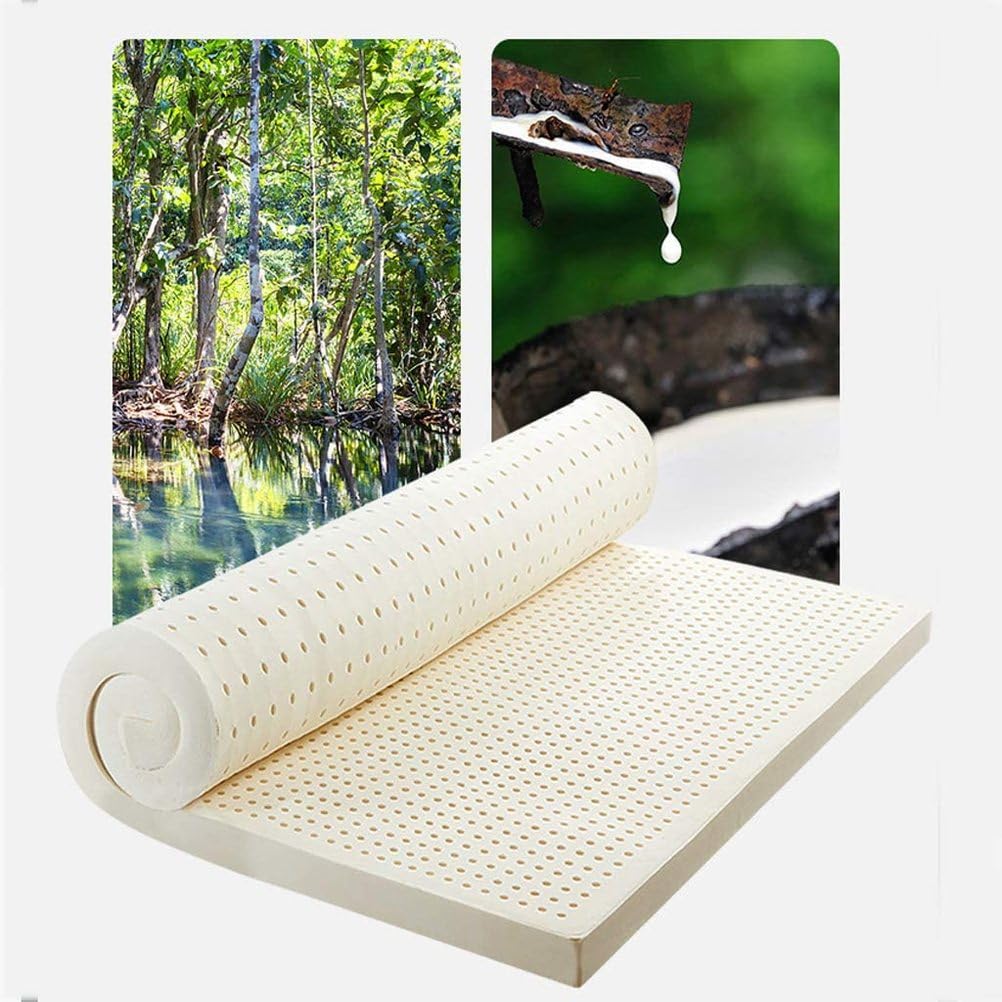
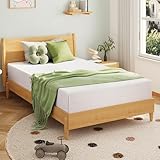
This is the pick if you actually want latex. The 6-inch core pairs a natural latex slab with an organic cover, and at a 4.6 owner rating it’s the highest-scored bed on this list. Natural latex breathes in a way foam can’t replicate, so it runs cooler through the night and springs back the instant you shift position. That responsiveness is the whole appeal. No sinking, no stuck feeling. The 6-inch profile reads firmer than a thick foam bed, which suits back and stomach sleepers, kids’ rooms, and guest beds. Side sleepers over 200 lbs may want more cushion at the shoulder, and the honest trade-off is height: this won’t feel plush the way a 12-inch bed does. What you get instead is a material that holds its shape for a decade with no body impressions, plus the low-emission profile that draws people to organic latex in the first place. For the price, nothing here matches it on longevity.
2. DreamCloud Classic 12″ — The Plush Foam Alternative
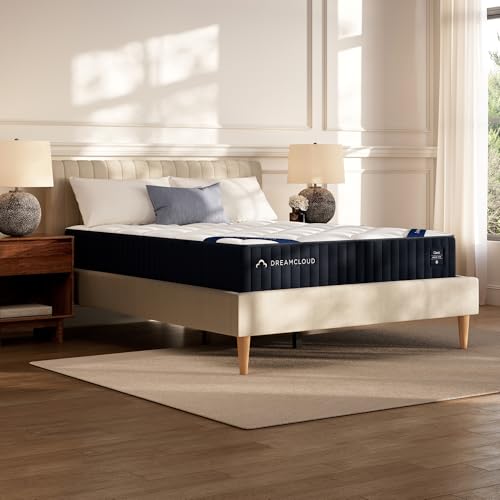
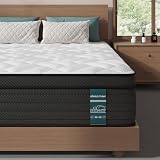
Cross-shopping latex against foam? Start here. To be clear, this is a memory-foam bed, not latex, but it’s the alternative most latex shoppers weigh, so it earns a spot. The 12-inch build gives you the tall, cushioned profile the 6-inch latex core doesn’t, and it holds a 4.2 rating with CertiPUR-US-certified foam. Memory foam contours to your body and absorbs motion, which is the opposite of latex bounce. Couples who feel each other roll over will notice the difference immediately. The trade-off is heat and slower response: foam cradles you, so shifting positions takes more effort and sleeps warmer than latex. If you want pressure relief over springiness and don’t mind that this isn’t latex at all, it’s a solid full-size option.
3. Nectar Classic 12″ — Medium-Firm Foam for Combo Sleepers
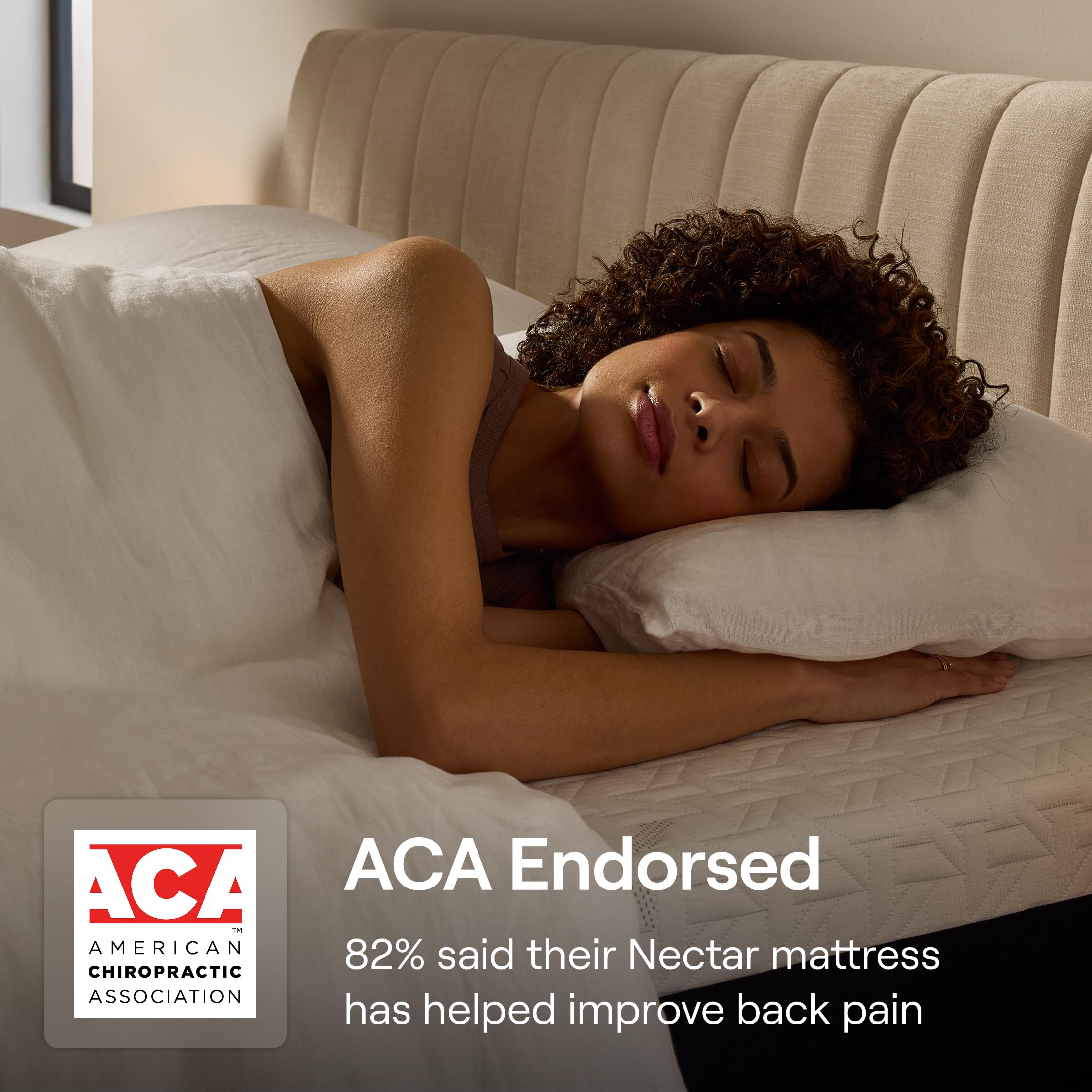
Another foam alternative, not a latex bed, worth knowing before you buy. The Nectar Classic is tuned medium-firm, which lands it between the plush DreamCloud and the firmer latex core. That balance is why combination sleepers who switch between back and side gravitate to it. It carries a 4.3 rating and CertiPUR-US-certified foam across a 12-inch profile. Compared to the DreamCloud, it feels slightly more supportive underfoot and less like you’re sinking in. Compared to genuine latex, it’s still foam: warmer, slower to respond, and better at motion isolation than bounce. If your household can’t agree on plush versus firm and you’re fine skipping latex entirely, the medium-firm tuning is the safe middle.
4. EGOHOME 6 Inch Twin — Budget Foam for Bunks and Guest Rooms
The last of the foam alternatives, and again, not latex. This 6-inch twin is the budget play for a kid’s room, bunk bed, or occasional guest setup where a full latex core is overkill. It holds a 4.4 rating on CertiPUR-US-certified foam, and the slim profile keeps bunk clearances safe. Against the true latex 6-inch pick, the difference is feel and lifespan: this one contours and sleeps warmer, and foam this thin tends to soften faster than a latex slab of the same height. But at twin size for a low-traffic bed, that’s an acceptable trade. Buy it for the guest room, not the primary bedroom.

5. Green Natural Organic Egg Crate Latex Topper — Add Latex to Any Bed
If you already own a mattress and just want the latex feel, skip a whole new bed. This queen topper is genuine latex with an egg-crate surface, and it’s the cheapest way to add bounce and cooling to a bed you’re not ready to replace. The egg-crate profile boosts airflow and gives a little contour without killing latex’s signature responsiveness. It carries a 4.2 rating. Layer it over a too-firm mattress to soften the surface, or over a sagging foam bed to buy another year or two. It won’t fix a mattress with a broken core. A topper adds comfort, not structural support. As a low-commitment way to try latex before committing to a full core, it’s the smart entry point.
Comparison Table
| Pick | Material | Thickness | Best For | Rating |
|---|---|---|---|---|
| Natural Latex Mattress | Natural latex, organic cover | 6 in | Latex purists, firm sleepers | 4.6 |
| DreamCloud Classic | Memory foam (CertiPUR-US) | 12 in | Plush, cushioned feel | 4.2 |
| Nectar Classic | Memory foam (CertiPUR-US) | 12 in | Combo sleepers, medium-firm | 4.3 |
| EGOHOME Twin | Memory foam (CertiPUR-US) | 6 in | Bunks, kids, guest rooms | 4.4 |
| Green Natural Latex Topper | Natural latex, egg crate | Topper | Adding latex feel to a bed | 4.2 |
Latex vs Memory Foam: What Actually Changes
The split comes down to three things: temperature, feel, and lifespan. Latex has an open-cell structure that moves air, so it sleeps noticeably cooler than memory foam, which traps body heat as it softens around you. Feel is the bigger divide. Latex is responsive and buoyant, pushing back the moment you move, so you sleep on top of it. Memory foam is slow and contouring, so you sleep in it — better for pressure relief at the hip and shoulder, worse for anyone who feels stuck. Motion isolation favors foam, so restless partners tend to prefer it. Lifespan favors latex hard. A natural latex core commonly runs 10 to 15 years, while a foam bed often shows body impressions by year seven. Price is where foam wins upfront, since natural latex costs more to source. The bounce difference may help hot sleepers and combination sleepers who reposition often, while foam’s cradle may help side sleepers with joint pressure.
Dunlop vs Talalay, Natural vs Blended
Two latex questions decide how your bed feels. First, the process. Dunlop latex is poured in one pass, making it denser, firmer, and more supportive, ideal for the base or a firm sleeper. Talalay adds a vacuum-and-flash-freeze step that yields a lighter, springier, more consistent feel, which side sleepers often prefer at the comfort layer. Second, the purity. Natural latex is nearly all tree sap and carries GOLS or OEKO-TEX certification; blended latex mixes in synthetic SBR to cut cost, trading some durability and breathability. Read the label. “Latex” alone can mean 100% natural, blended, or fully synthetic, and only the natural version delivers the decade-plus lifespan that justifies the price. Ask the seller for the exact latex percentage if the listing doesn’t state it, because that single number separates a bed that lasts fifteen years from one that sags in five.
Frequently Asked Questions
Is a latex mattress worth the higher price?
Yes, if longevity is your priority. A natural latex core lasts 10 to 15 years versus roughly seven for foam, so the cost per year often evens out. If you replace beds frequently or want the cheapest entry, foam wins upfront.
Does latex sleep cooler than memory foam?
Yes. Latex has an open-cell structure that circulates air, while memory foam traps heat as it softens around your body. Hot sleepers consistently rate latex cooler in owner reports on r/Mattress.
Is natural latex the same as memory foam?
No. They’re different materials with opposite feels. Latex is bouncy and responsive; memory foam is slow and contouring. Several picks on this list are foam alternatives, not latex — the labels say which is which.
What firmness is a latex mattress?
It depends on the ILD rating and process. Dunlop latex runs firmer, Talalay softer. A 6-inch latex core reads medium-firm to firm, which suits back and stomach sleepers better than plush side sleepers.
Can I get the latex feel without buying a new mattress?
Yes. A latex topper like the egg-crate queen adds bounce and cooling to your current bed for a fraction of the cost. It adds comfort, not structural support, so it won’t rescue a mattress with a failed core.
Are latex mattresses good for people with allergies?
They may help. Natural latex resists dust mites and mold, and OEKO-TEX or GOLS certification limits chemical residue. People with a diagnosed latex allergy should avoid direct contact and consult a doctor first. In practice, most reactions trace to raw, uncovered latex rather than a certified bed with a knit or organic-cotton cover between you and the core, which is why every genuine latex pick here ships with a sewn cover.
Bottom Line
The Natural Latex Mattress is the one to buy if you actually want latex. It’s the highest-rated pick here, sleeps cooler, and outlasts foam by years. If you’d rather have a tall, plush, cushioned bed and don’t care that it isn’t latex, the DreamCloud Classic 12″ is the foam alternative most shoppers land on. Just know the honest divide: latex costs more upfront and delivers bounce plus longevity, while foam saves money now and softens sooner.


Write Your Review
No reviews yet. Be the first to share your experience!