

> Editorial Note: I’m Maya Chen, a bedroom and sleep editor covering mattresses, bed frames, and bedding. The picks here are evaluated against CertiPUR-US foam standards, Sleep Foundation evaluation protocols, and owner durability reports from r/Mattress.
You unroll the new mattress, and the room fills with a sharp, paint-like odor that lingers for days. Or you wake up years later to a sour chemical whiff that wasn’t there before. Both have a cause, and neither means the mattress is dangerous in most cases, but they need different fixes. The smell comes from volatile organic compounds off-gassing from foam, adhesives, and flame retardants, and the source determines how long it lasts and what clears it. The same attention you’d bring to choosing a best memory foam mattress, sizing a best mattress topper, protecting it with a best waterproof mattress protector, pairing it with a best bed frame, or grounding it with a best area rug for bedroom applies here. Read the source of the smell before you reach for a spray.
Reason 1: The Sharp Paint Smell on a Brand-New Mattress (Foam Off-Gassing)
The most common chemical smell is new-mattress off-gassing, and it’s expected, not a defect. Memory foam, polyurethane foam, and the adhesives holding the layers together release volatile organic compounds as they decompress, which read as a paint, glue, or chemical odor. The smell is strongest in the first 48 hours and fades over days to weeks.
The giveaway is age. If the mattress is under a month old and the smell is sharp rather than sour, off-gassing is the cause. CertiPUR-US certified foam is evaluated for low VOC emissions, so a certified mattress off-gasses far less than an uncertified one, but even certified foam has a brief break-in period. Sleep Foundation’s evaluation protocols note that new-foam odor is the single most common complaint on a fresh mattress, and almost all of it clears with ventilation.
The fix is airflow and time. Open windows, run a fan, and strip the bed so air moves across the bare foam. A room air purifier with an activated carbon filter captures VOCs that ventilation misses. Most new-mattress smell fades in 2 to 14 days with good airflow. Don’t seal the room up tight, that traps the compounds against the foam and extends the off-gassing.
Reason 2: The Sour Note That Builds Over Months (Trapped Moisture and Mildew)
A chemical smell that arrives months or years after you bought the mattress isn’t off-gassing. It’s usually trapped moisture growing mildew inside the foam, and the byproducts read as a sour, slightly chemical odor. Foam acts like a sponge, and sweat, spills, and humidity soak in and never fully dry if the mattress can’t breathe.
The tell is timing and location. If the smell is stronger on one side of the bed or concentrated where you sleep, moisture is the cause. Lift the mattress and sniff the underside. A sour or musty note there, or visible spotting on the foam, means moisture has colonized the interior. Apartment Therapy’s editors flag the wall-side and underside of a mattress as the spots where mildew starts, because airflow is worst there.
The fix is drying and prevention. Strip the bed and stand the mattress on edge in a room with a fan and a dehumidifier running below 50 percent humidity. Let it dry fully, which can take 24 to 48 hours. Going forward, use a breathable waterproof mattress protector so sweat doesn’t soak in, and keep the bed pulled a few inches off the wall so air moves behind it. A mattress on a solid platform traps more moisture than one on a slatted base.
Reason 3: The Acrid Smell After a Spill or Pet Accident (Bacterial Breakdown)
A sudden chemical or ammonia smell that appears after a spill, a pet accident, or a sick night is bacterial. Liquid soaks into the foam, and bacteria break down the organic matter, releasing ammonia and other compounds that read as chemical rather than biological. The smell intensifies over days as the bacteria multiply.
The giveaway is a clear trigger. If the smell started within a day or two of a spill or accident, bacteria are the cause. Press on the suspect area. If the smell spikes or the foam feels damp, the liquid is still in there. r/Mattress owner reports consistently note that spills left more than 48 hours in foam often need extraction, not just wiping, because the liquid wicks outward as it sits.
The fix is extraction and enzyme treatment. Blot the area with dry cloths until no more liquid comes out, then apply an enzyme cleaner and blot again. A wet-dry vacuum pulls liquid out of the foam for deep saturation. Let the mattress dry fully before remaking the bed. A protector going forward is the only real prevention, because once bacteria colonize the foam core, the smell is hard to fully remove and may require replacement.
Reason 4: The Chemical Whiff That Returns Every Humid Summer (Flame Retardant Re-Release)
Some mattresses carry flame retardant treatments that stay largely inert in dry conditions but release a faint chemical odor when humidity rises. The smell comes and goes with the season, returning every summer and fading every winter. It’s most common in older mattresses built before the shift to barrier fabrics and certified foams.
The tell is seasonality. If the chemical note tracks with humidity and disappears in dry winter air, the flame retardant layer is re-releasing. The smell is faint, not the sharp paint note of new-foam off-gassing. ASTM standards govern flame retardant performance but don’t regulate odor, so a compliant mattress can still smell in humid conditions.
The fix is humidity control and a barrier. Run a dehumidifier or air conditioner to hold indoor humidity below 50 percent, which suppresses the re-release. A thick, breathable mattress protector adds a layer between you and the treated foam. If the seasonal smell bothers you and the mattress is past 8 to 10 years old, replacement with a certified foam model is the clean answer, since modern certified foams use barrier fabrics instead of chemical treatments.
How to Fix It Fast
Short on time? Here’s the reset. If the mattress is new, ventilate aggressively for the first two weeks and run a carbon-filter purifier, because off-gassing is the cause and it clears with air. If the smell arrived months later, strip the bed, stand the mattress up, and dehumidify below 50 percent for 24 to 48 hours, because moisture or mildew is the culprit. If a spill triggered it, extract with a wet-dry vacuum and treat with enzymes. Add a breathable waterproof protector going forward, and pull the bed off the wall so air moves behind it. That’s the routine. No perfume spray, no baking soda piled on the surface, which only masks and traps.
The Products That Actually Help
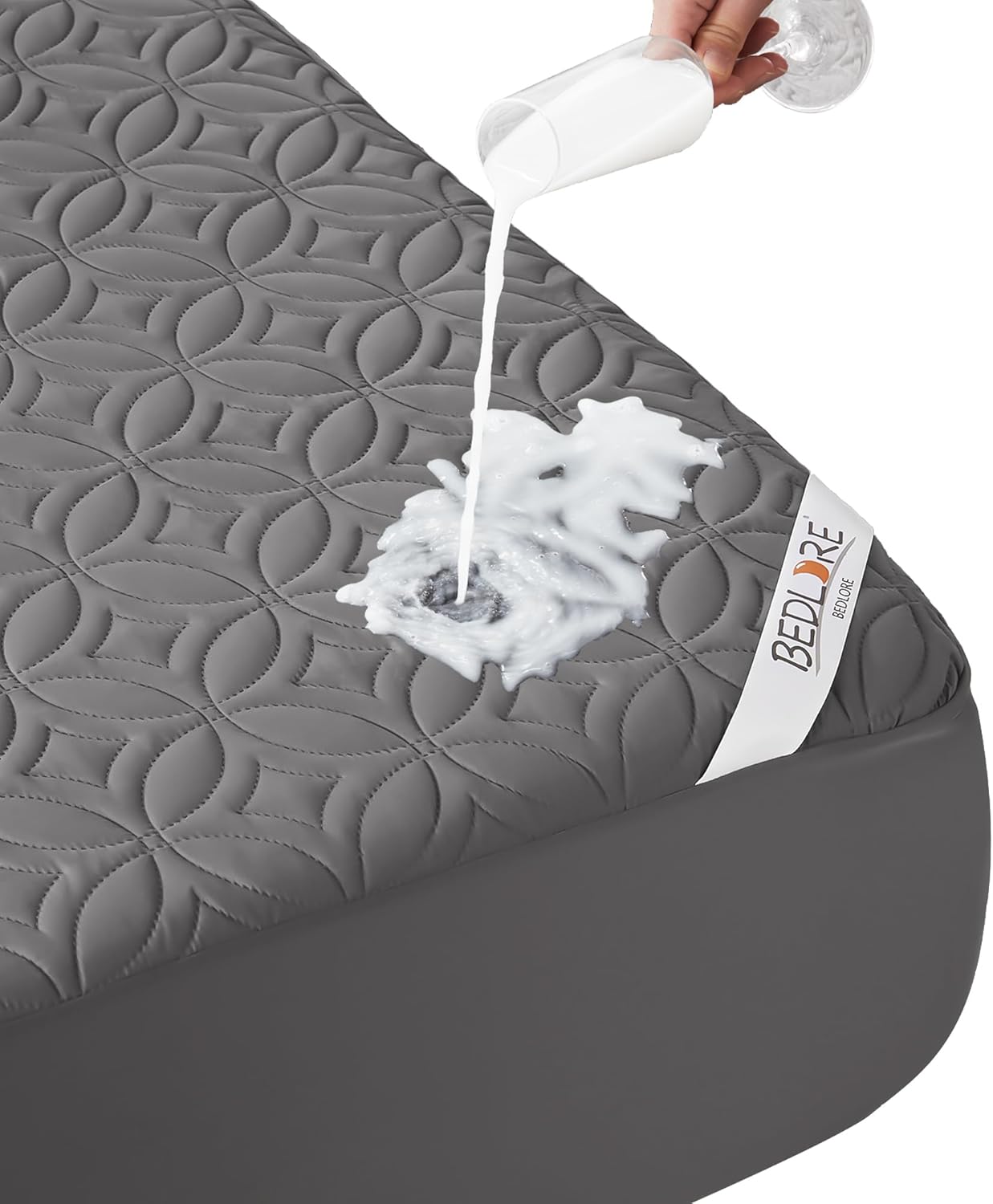
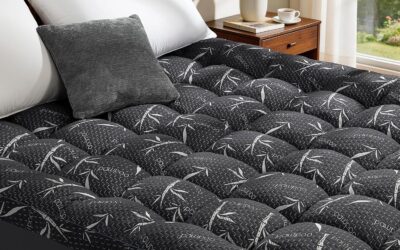
A spray just masks chemical odor because it doesn’t touch the foam, the moisture, or the bacteria causing it. The tools worth owning block the source or pull it out. All three picks below clear real owner-review scrutiny for waterproof, breathable protection that stops sweat and spills from soaking into the foam. Start with the PlushDeluxe bamboo protector if you want the softest breathable barrier. Grab the Bedlore deep-pocket if your mattress is 14 inches or taller, and the SafeRest fitted if you want the most affordable reliable barrier.

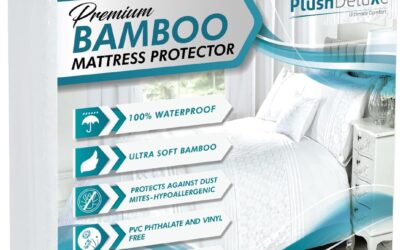
PlushDeluxe Bamboo Mattress Protector Queen - Waterproof, Ultra Soft, Breathable & Noiseless Bed Cover Fits Up to 18 Inch Mattress
Pros
- Over 41,000 verified reviews with 4.6 star rating show consistent customer satisfaction
- Bamboo fabric feels soft and sleeps cool rather than hot and plasticky
- Truly noiseless design won't disturb light sleepers or partners
- Waterproof membrane effectively blocks liquids while still allowing breathability
- Affordable price point compared to similar quality bamboo protectors
Cons
- Some customers report the waterproof barrier can degrade after many wash cycles
- White color may show stains over time and require more frequent washing
- A few reviews mention the fabric can pill slightly after extended use
Most waterproof mattress protectors force you to choose between actual protection and a decent night's sleep. This PlushDeluxe cover solves that problem with bamboo viscose fabric that feels soft and breathable instead of crinkly and hot. You get real waterproof protection that handles everything from night sweats to pet accidents without turning your bed into a noisy plastic sheet.
The silent design is a genuine standout. Unlike budget protectors that wake you up every time you roll over, this one stays completely quiet. The bamboo fabric also regulates temperature naturally, so you won't wake up overheated. With over 41,000 reviews averaging 4.6 stars, customers consistently report it delivers on both comfort and protection.
If you want mattress protection that actually works without sacrificing sleep quality, this one delivers.
Styles it works with: All bedroom styles including Modern, Farmhouse, Minimalist, Traditional, and Coastal since it sits underneath your existing bedding and won't be visible
Best placed in: Master bedrooms, guest rooms, kids' bedrooms, nurseries during potty training, or any bedroom with pets that sleep on the bed
May not suit: Mattresses deeper than 18 inches or specialty sized beds outside standard queen dimensions (60 x 80 inches); households that prefer non-white bedding accessories to hide stains better
Buy it if:
- You have kids, pets, or elderly family members and need reliable waterproof protection that stays comfortable
- You sleep hot and standard plastic mattress protectors make you sweat
- You're a light sleeper bothered by crinkling sounds from typical waterproof covers
- You want to protect a new or expensive mattress without compromising sleep quality
Consider waiting if:
- You prefer darker colors that hide stains better and want to wait for a gray or cream option
- You're looking for an organic certified bamboo product specifically
Skip it if:
- Your mattress is deeper than 18 inches and you need an extra deep pocket protector
- You need a different bed size than standard queen (60 x 80 inches)
Check the latest price and availability on Amazon before it sells out.
Pros
- Genuinely noiseless compared to vinyl or plastic waterproof covers
- Accommodates deep mattresses up to 18 inches without slipping
- Over 21,000 reviews averaging 4.6 stars indicate consistent quality
- Soft quilted texture improves comfort rather than feeling like a barrier layer
- Easy care with machine wash and low tumble dry
Cons
- Gray color may show light stains or discoloration over time more than white
- TPU layer durability after frequent washing is unclear from long-term user feedback
- No mention of hypoallergenic certification for sensitive sleepers
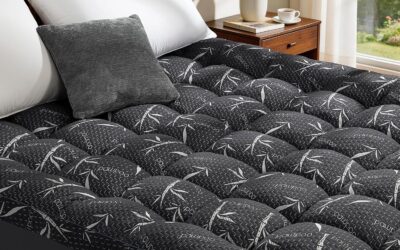
Most waterproof mattress protectors feel like sleeping on a plastic bag, but this one actually lets you forget it's there. The quilted top adds a subtle layer of softness instead of that stiff, clinical barrier feel, and the TPU waterproof layer does its job without any of the crinkling noise that wakes you up every time you shift positions.
The deep pocket fit is a practical win for anyone with pillow tops or memory foam toppers. Cheaper protectors pop off the corners by morning, but the 360-degree elastic on this one stays put on mattresses up to 18 inches thick. Plus, it's machine washable, which means you can actually keep it clean without special care routines or trips to the dry cleaner.
If you want reliable spill protection without sacrificing comfort or dealing with that plastic sheet sound, this one delivers.
Styles it works with: Modern, Minimalist, Scandinavian, Transitional (neutral gray works with nearly any bedding palette)
Best placed in: Master bedrooms, guest rooms, kids' rooms, or anywhere spills and accidents are a concern
May not suit: Buyers who prefer crisp white bedding layers for a hotel look, or those with very thin mattresses under 6 inches (elastic may be too loose)
Buy it if:
- You need waterproof protection but refuse to sleep on something that sounds like a tarp
- You have a thick pillow top, memory foam topper, or mattress over 12 inches deep
- You want a protector you can throw in the wash without babying it
Consider waiting if:
- You strongly prefer white or ivory bedding layers and the gray might clash
- A sale or bundle deal might be coming up during a seasonal event
Skip it if:
- Your mattress is thinner than 6 inches and you need a snugger fit
- You require certified hypoallergenic materials for severe allergies
Check the latest price and availability on Amazon before it sells out.

SafeRest Waterproof Queen Mattress Protector - Cotton Terry, Breathable, Noiseless, Machine Washable Fitted Cover
Pros
- Breathable waterproof membrane prevents heat buildup unlike plastic protectors
- Completely noiseless cotton surface won't disrupt light sleepers
- Hypoallergenic barrier traps dust mites and allergens on the surface for easy washing
- Fitted design with elastic band ensures secure fit on mattresses up to 18 inches deep
- Easy care with standard machine washing and low heat tumble drying
Cons
- Arrives tightly folded and needs initial wash to fluff up the cotton terry loops
- Cannot use bleach or high heat which may limit stain removal options
- May require mattress pad on top for those preferring extra cushioning
This SafeRest protector solves the biggest complaint about waterproof mattress covers: the crinkly plastic feel and noise. The cotton terry surface feels just like a regular fitted sheet, absorbs moisture naturally, and stays completely silent when you move at night. The breathable membrane underneath blocks all liquids without trapping heat, so you won't wake up sweaty like you might with vinyl protectors.
What makes this especially smart for busy households is how it handles dust mites and allergens. Instead of letting them burrow deep into your mattress where they multiply, this barrier traps them on the surface where a simple wash removes them. For families dealing with allergies, asthma, or kids with bedwetting, that combination of fluid protection and allergen control in one quiet, comfortable layer is hard to beat.
If you want real waterproof protection without sacrificing the comfort and feel of your mattress, this one delivers.
Styles it works with: Any bedroom style since it's hidden under your sheets. Works equally well in modern, traditional, farmhouse, or minimalist spaces.
Best placed in: Master bedroom, kids' bedrooms, guest rooms, or any bed where you want to protect your mattress investment from spills and allergens.
May not suit: Homes where someone is extremely sensitive to any texture change, as even this thin layer adds a subtle feel. Also not ideal if you need waterproof protection for a mattress thinner than 6 inches or thicker than 18 inches deep.
Buy it if:
- You have kids, pets, or elderly family members and want to protect your mattress from accidents
- You suffer from allergies or asthma and want to reduce dust mite exposure in your bed
- You're setting up a guest room or Airbnb and need durable, washable protection
- You want waterproof coverage that doesn't feel or sound like plastic
Consider waiting if:
- You need a different size and want to wait for a sale on your specific mattress dimensions
Skip it if:
- Your mattress is deeper than 18 inches as the fitted sheet may not stretch enough
- You need something that can handle bleach for heavy stain removal
Check the latest price and availability on Amazon before it sells out.
Frequently Asked Questions
Is new mattress off-gassing dangerous?
No, for most people. The VOCs released by new foam are similar to those from new paint or a new car, and they clear within days to weeks. CertiPUR-US certified foam is evaluated for low emissions. People with chemical sensitivities or asthma may want to ventilate longer before sleeping on it.
How long does a new mattress smell?
It depends on the mattress and ventilation. Most new-foam smell fades in 2 to 14 days with open windows and a fan. A mattress in a sealed, unventilated room can off-gas for a month or more. Airflow is the single biggest factor in how fast it clears.
Why does my old mattress suddenly smell like chemicals?
Almost always trapped moisture or a spill. Foam absorbs sweat and humidity over years, and mildew or bacteria inside the foam produce sour or chemical odors. Strip the bed, dehumidify, and check for spotting. A protector going forward prevents it.
Will baking soda remove the chemical smell from a mattress?
Partly, and only on the surface. Baking soda absorbs odor when you sprinkle it on, let it sit, and vacuum it up. It won’t reach VOCs or bacteria inside the foam, so the smell returns. Use it for a surface refresh, not a fix for deep off-gassing or mildew.
Should I return a mattress that smells?
It depends on timing and severity. A new mattress with normal off-gassing usually clears in two weeks and isn’t a return reason. A new mattress that still reeks after a month of ventilation, or any mattress with mildew or a chemical flame-retardant odor you can’t tolerate, is a return or replacement situation.
Bottom Line
Most chemical mattress smells trace to one of two things: normal new-foam off-gassing that clears with ventilation in two weeks, or trapped moisture growing mildew in an older mattress. Ventilate a new bed aggressively and dehumidify an older one below 50 percent, and 80 percent of odor complaints resolve without replacing the mattress. A spill-triggered ammonia smell needs extraction and enzymes. A seasonal chemical whiff is flame retardant re-releasing in humidity, suppressed by dehumidification. Add a breathable waterproof protector and keep the bed off the wall so air moves. If the smell is deep in the foam and won’t budge after two weeks of treatment, replace the mattress.

Write Your Review
No reviews yet. Be the first to share your experience!