

> Editorial Note: I’m Hannah Lin, an Interior Living Researcher who’s spent 9+ years analyzing the home furniture market. This guide draws on BIFMA, GREENGUARD, and FSC certifications, plus owner reviews aggregated from Wirecutter, Apartment Therapy, and the major home design subreddits.
You vacuum the rug on Sunday and by Wednesday the canister is full of fluff again. Every pass pulls more fibers, and you start to wonder whether the rug is falling apart. Most of the time it isn’t. Shedding is a normal phase for many new rugs, and a chronic problem for a few. The difference comes down to fiber type, construction, and how old the rug is. The same attention you’d bring to choosing a best area rug for living room, sizing a best area rug pad, grounding a best sectional sofa, pairing it with a best coffee table for small living room, or setting a best tv stand for 65 inch tv applies here. Read the fiber first. Then decide whether the shedding is a phase or a flaw.
Reason 1: The Fluff That Fills the Vacuum for the First Month (New Wool Break-In)
A brand-new wool rug sheds heavily for the first 30 to 90 days, and that’s normal, not a defect. During manufacturing, short fibers work loose from the yarn but stay trapped in the pile. Foot traffic and vacuuming pull them out, and the rug looks like it’s losing material when it’s really just releasing leftover manufacturing fiber.
The giveaway is age. If the rug is under three months old and the shedding is gradual rather than catastrophic, it’s break-in. The fibers coming out are short, fluffy, and evenly distributed, not long strands pulling out in clumps. Wirecutter’s rug coverage flags this new-wool break-in as the most common cause of shedding calls, and almost all of them resolve on their own.
The fix is patience plus the right vacuum technique. Keep vacuuming, but use suction-only mode and avoid the beater bar, which yanks loose fibers out faster than they’d release naturally. A beater bar on a new wool rug can extend the shedding phase by pulling fibers that weren’t ready to come out. Give it two to three months and the shedding tapers to a barely noticeable level.
Reason 2: The Long Strands Pulling Out in Clumps (Hand-Tufted Construction)
If the fibers coming out are long, rooted strands rather than short fluff, the rug is hand-tufted and the backing is failing. Hand-tufted rugs are made by punching yarn through a fabric backing with a gun, then gluing a secondary backing over the loops to hold them in place. When that glue degrades, the yarn pulls out in full strands.
The tell is strand length. Short fluff is break-in; long strands that look like full pieces of yarn are a construction problem. Lift a corner and look at the back. If the backing feels stiff and latex-like, it’s tufted. If the glue is cracked, powdery, or peeling, the rug is shedding because the anchor layer is breaking down.
There’s no home fix for a failing tufted backing. The glue can’t be reactivated once it’s degraded. A professional rug repair service can re-back the rug, but the cost often approaches the price of a new rug. Apartment Therapy’s editors note that hand-tufted rugs have a shorter lifespan than hand-knotted ones precisely because of this glue, and they’re the type most often replaced for shedding. If your rug is shedding long strands, the honest answer is replacement.
Reason 3: The Endless Fuzz on Synthetic Fiber Rugs (Filament Shedding)
Synthetic rugs, polyester, olefin, and some polypropylene, shed differently than wool. Instead of breaking in and stopping, they can shed continuously because the synthetic filaments are slick and keep working loose from the backing over the rug’s whole life. The shedding is finer and more uniform than wool fluff.
The giveaway is persistence. If a synthetic rug sheds at the same rate in year two as it did in month one, it’s the nature of the fiber, not a break-in phase. Synthetic fibers don’t have the natural felting and cohesion of wool, so loose filaments keep escaping. ASTM abrasion standards rate synthetics for wear, but the shedding is a separate issue that wear ratings don’t capture.
The fix is mostly management. Vacuum regularly with suction-only mode to capture the loose fiber before it migrates. Avoid heavy furniture with sharp legs that snag filaments and pull more loose. If the shedding bothers you, the long-term answer is choosing a different fiber next time. Wool and nylon hold their structure better than polyester and olefin, which are the worst shedders among common synthetics.
Reason 4: The Fuzz That Spikes After Vacuuming (Beater Bar Damage)
Sometimes the rug wasn’t shedding much until you started vacuuming it aggressively. A beater bar, the rotating brush on an upright vacuum, is designed to vibrate carpet and pull dirt to the surface. On a rug, it also pulls fibers, especially on wool and natural fiber rugs where the yarn is held by friction, not glue.
The tell is timing. If the shedding spikes right after vacuuming and the canister fills with fiber that wasn’t there before, the beater bar is doing the damage. You can also see it in the rug surface, which looks rougher or more frayed in the vacuumed paths than in untouched areas.
The fix is switching tools. Use suction-only mode, or a canister vacuum with a bare-floor attachment that has no rotating brush. For wool and natural fiber rugs, a manual carpet rake or a soft-bristle brush lifts dirt without pulling fibers. Real Simple’s home care coverage recommends suction-only vacuuming for wool and natural fiber rugs specifically because of beater bar damage. If your vacuum doesn’t have a suction-only setting, use the hose attachment with a brush head.
Reason 5: The Dust Cloud When You Roll the Rug (Dry Rot and Fiber Breakdown)
A rug that’s several years old and suddenly shedding heavily, sometimes in a fine dust rather than fluff, is breaking down. The fibers have dried out and become brittle, and they snap into small pieces rather than pulling out whole. This is most common in wool rugs exposed to prolonged dry heat or direct sun.
The giveaway is texture. The shedding isn’t fluffy, it’s dusty and powdery, and the rug feels dry and stiff when you bend a corner. Lift the rug and tap it; a dust cloud means the fibers are disintegrating. GREENGUARD and indoor air quality guidance ties this kind of breakdown to low humidity and UV exposure, both of which dry out natural fibers over years.
There’s no reversing dry rot. Once wool fibers have become brittle, they can’t be rehydrated into flexibility. A rug in this state keeps shedding until it’s threadbare. The move is replacement, and next time keep the rug away from direct sun and heating vents, and run a humidifier in dry winter months to hold indoor humidity around 40 to 50%.
How to Fix It Fast
Short on time? Here’s the reset. Identify the fiber first by checking the rug’s tag or doing a burn check on a pulled strand. If it’s a new wool rug under three months old, keep vacuuming on suction-only and wait out the break-in. If long strands are pulling out, it’s a tufted backing failure and the rug needs re-backing or replacement. If a synthetic rug sheds steadily, manage it with regular suction-only vacuuming. Switch off the beater bar on every natural fiber rug. Run a humidifier in dry rooms to slow fiber breakdown. That’s the routine. Most shedding is either a phase or a fiber choice, not a defect.
The Products That Actually Help
The fix for most shedding is either a low-shedding rug to begin with or the right vacuum technique on the one you own. All three picks below clear real owner-review scrutiny for low-shedding construction and non-slip backing, and they cover the small-to-medium size range. Start with the Rugshop low-pile if you want a non-shedding rug that handles traffic. Grab the Zesthome washable if you want easy cleaning, and the DUKINO lightweight for a smaller accent rug.


Pros
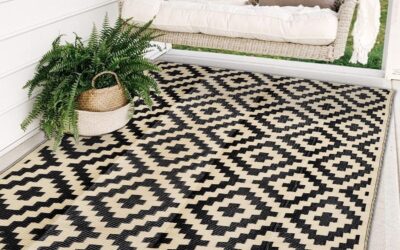
- Large 7'10" x 10'2" size ideal for spacious living rooms and open floor plans
- Non-shedding polypropylene construction means no constant vacuuming of fibers
- Contemporary box pattern adds visual interest without overwhelming existing decor
- Budget-friendly price point under $150 for a near 8x10 rug
- Easy to clean and maintain for busy households
Cons
- Polypropylene feels less plush than wool or natural fiber rugs if texture is a priority
- Gray color may show light-colored pet hair more readily than darker or patterned alternatives
- Limited customer review history makes long-term durability harder to verify
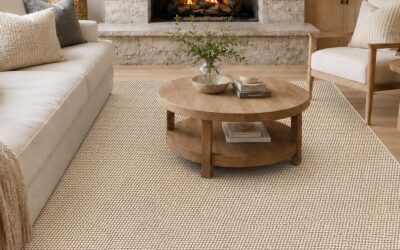
This rug hits the sweet spot for anyone furnishing a modern home on a realistic budget. The geometric box pattern brings that clean, gallery-like feel to your living room without the stark coldness of solid colors or the busyness of intricate designs. At nearly 8x10 feet, it's sized perfectly for anchoring a standard furniture grouping with your sofa, chairs, and coffee table all resting on the rug surface.
What really sells us is the practical side. The polypropylene construction means you're not constantly chasing down shed fibers across your hardwood or worrying about spills becoming permanent disasters. It vacuums clean in minutes and handles the reality of everyday living, whether that's kids tracking in dirt, pets lounging after walks, or guests gathering for game nights. The soft feel underfoot surprises for a synthetic fiber, making barefoot mornings more pleasant than you'd expect from a budget-friendly option.
If you want contemporary style that actually lives well in a real home without the delicate care requirements of natural fibers, this one delivers.
Styles it works with: Modern, Contemporary, Transitional, Minimalist, Scandinavian
Best placed in: Living room under furniture grouping, open-concept family room, spacious bedroom at foot of bed, dining area under table for 6-8 people
May not suit: Small apartments or rooms under 12x14 feet where this size overwhelms the space, traditional or ornate decor styles that call for medallion or floral patterns, homes seeking ultra-plush luxury texture over practicality
Buy it if:
- You need to cover a large living room or open-concept space without spending $400+ on a wool rug
- You have kids, pets, or high foot traffic and need something that cleans easily and won't shed fibers everywhere
- You're furnishing a contemporary or modern home and want a clean geometric look that doesn't dominate the room
Consider waiting if:
- You're holding out for a deeper discount during major sale events like Prime Day or Black Friday
- You want to see more long-term customer reviews before committing to this specific brand
Skip it if:
- Your room is smaller than 12x14 feet and this 7'10" x 10'2" size will make the space feel cramped
- You prioritize natural fibers like wool or jute and won't be satisfied with synthetic polypropylene texture
Check the latest price and availability on Amazon before it sells out.

Zesthome 8x10 Vintage Area Rug | Non-Slip, Machine Washable, Stain Resistant | Orange Geometric Print
Pros
- Fully machine washable without fading, a rare and practical feature at this price point
- TPR non-slip backing performs well on both hardwood and tile floors
- Vintage geometric pattern photographs well in real rooms and suits a wide range of existing furniture
- Low pile height makes it easy to clean and compatible with most robotic vacuums
- Strong 4.6-star average across thousands of reviews signals consistent quality and buyer satisfaction
Cons
- Arrives with noticeable creases that can take several days to fully flatten out on their own
- Low pile may feel too thin underfoot for buyers expecting a plush, cushioned feel
- Bold orange colorway is striking but limits flexibility if your palette changes or you redecorate
The Zesthome 8x10 does something most rugs at this price fail to do: it looks intentional. The vintage geometric print reads as a considered design choice rather than a filler pattern, and in a living room with warm neutrals or natural wood tones, the orange colorway adds just enough energy without overpowering the space. It feels like something you picked out, not something you settled for.
Beyond looks, the day-to-day practicality is where this rug earns its place. The TPR backing grips the floor reliably, the low pile holds up to foot traffic without matting, and when something spills, you can throw it in the washing machine rather than scheduling a cleaning service. For households with kids, pets, or both, that alone changes the relationship you have with your floors.
If you want a large-format rug that anchors your living room with personality without demanding constant upkeep, this one delivers.
Styles it works with: Bohemian, Global Eclectic, Transitional, Warm Minimalist
Best placed in: Living room seating area, open-plan dining space, bedroom floor beside a king or queen bed
May not suit: Very small rooms where an 8x10 footprint would overwhelm the layout, or strictly cool-toned spaces built around grays and blues where the warm orange may clash
Buy it if:
- You have kids or pets and need a rug you can actually put in the washing machine without worrying about damage
- You want a large area rug that makes a visual statement without requiring a designer budget
- Your living room or bedroom needs a warm anchor piece that works with wood furniture and earthy tones
Consider waiting if:
- You have a specific color scheme in mind and the current available colorways do not match your existing decor
Skip it if:
- You want a thick, plush rug with significant cushioning underfoot since the 0.24-inch low pile will not deliver that feel
- Your household runs entirely cool-toned and the warm orange palette would conflict with your existing furniture and walls
Check the latest price and availability on Amazon before it sells out.

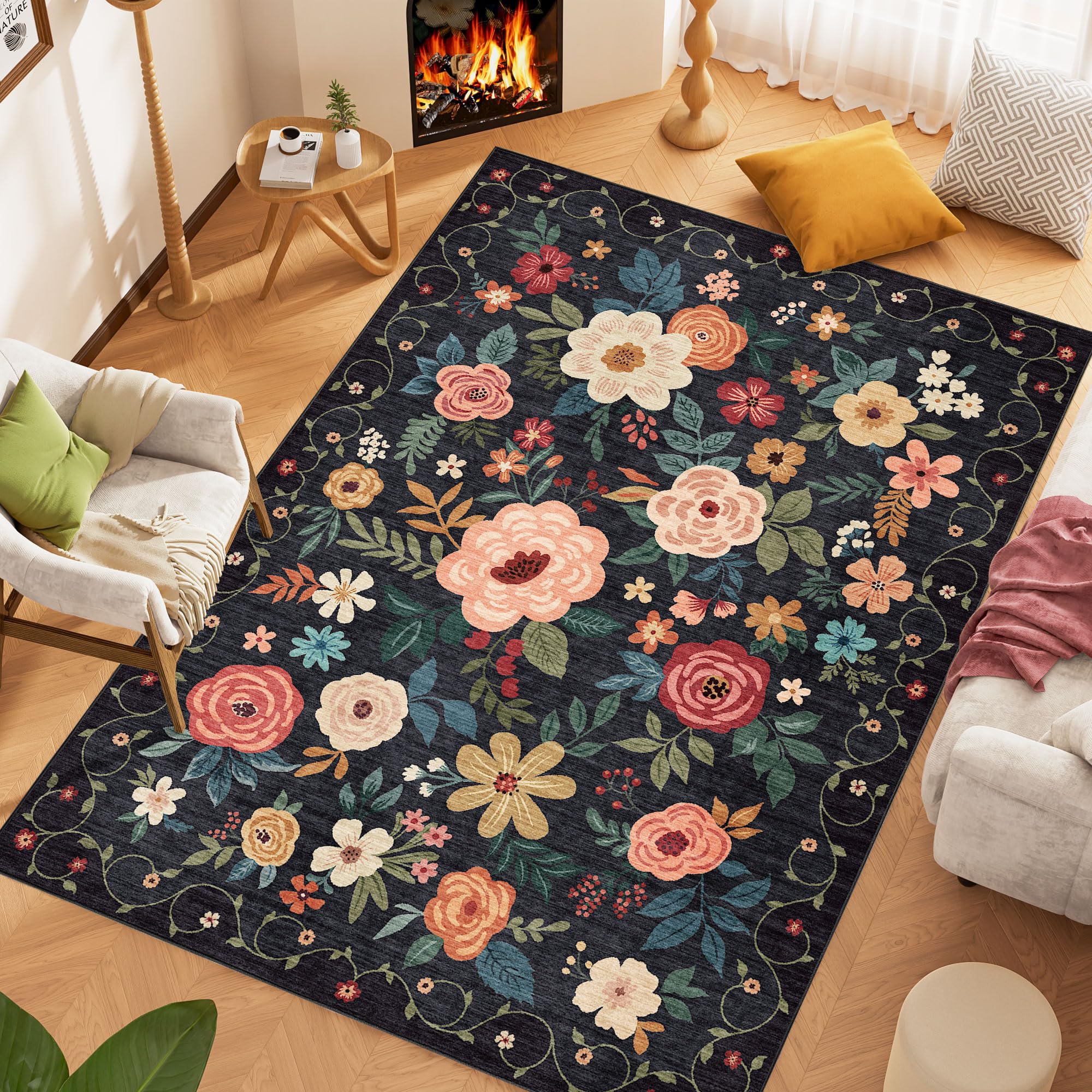
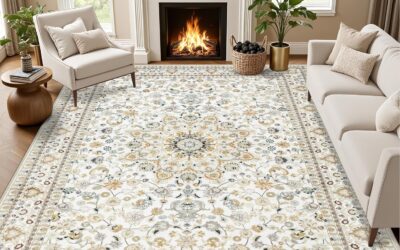
DUKINO 5x7 Washable Area Rug - Vintage Floral Black Design, Non-Slip Backing, Low Pile for High Traffic Areas
Pros
- Fully machine washable for hassle-free maintenance
- Low pile height works perfectly under furniture and in doorways
- Non-slip backing provides safety without additional pads
- Soft texture comfortable for bare feet and pets
- Affordable price point under $35
Cons
- No customer reviews yet to verify long-term durability
- May show wrinkles upon arrival that need 1-3 days to flatten
- Black color may show dust and pet hair more than lighter options
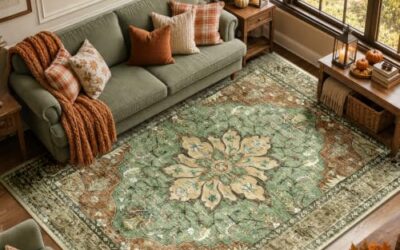
This rug solves the biggest frustration with area rugs: they're a pain to clean. DUKINO designed this 5x7 to be tossed right in the washing machine when life happens. Spilled wine, muddy paw prints, or everyday dirt all disappear in one wash cycle. The vintage floral pattern gives you that collected-over-time look without the fussy care requirements of an actual antique rug.
The 0.2-inch pile is impressively thin, which means it slides under furniture legs and door clearances where plush rugs create obstacles. You get softness underfoot without the bulk. The non-slip backing grips tile and hardwood securely, so you're not constantly repositioning it or buying separate rug pads.
If you want a stylish area rug that handles real-life mess without constant worry, this one delivers.
Styles it works with: Boho, Vintage Eclectic, Modern Farmhouse, Maximalist
Best placed in: Living room seating areas, bedroom beside the bed, entryway immediately inside the door, home office under a desk
May not suit: Minimalist spaces where the floral pattern feels too busy, rooms with very light furniture where the black background appears too heavy, homes needing rugs larger than 5x7 for proper furniture placement
Buy it if:
- You have pets or kids and need a rug you can actually wash at home
- You're placing it under furniture or in a doorway where thick rugs don't fit
- You want a vintage look without paying vintage prices or dealing with delicate fibers
Consider waiting if:
- You prefer seeing customer photos and reviews before purchasing a new product
Skip it if:
- You need a rug larger than 5x7 to anchor your furniture properly
- You want a light or neutral color that hides dust better than black
Check the latest price and availability on Amazon before it sells out.
Frequently Asked Questions
Is a wool rug supposed to shed?
Yes, for the first 30 to 90 days. New wool rugs release short manufacturing fibers during break-in, which shows up as fluff in the vacuum. After three months, shedding should taper to a low level. If a wool rug still sheds heavily after six months, something else is wrong.
How long does a new rug shed?
It depends on the fiber. Wool rugs shed heavily for one to three months, then taper. Synthetic rugs may shed lightly for their whole life. Hand-tufted rugs shed during break-in, then again years later when the backing glue fails. There’s no single timeline.
Will vacuuming make shedding worse?
It can, if you use a beater bar on a wool or natural fiber rug. The rotating brush yanks loose fibers out faster than they’d release naturally. Use suction-only mode or a hose attachment with a brush head, and the shedding slows.
Can I stop a hand-tufted rug from shedding?
No, not once the backing glue starts to fail. The latex anchor layer can’t be reactivated. A professional can re-back the rug, but the cost often rivals a new rug. Hand-knotted rugs don’t have this glue layer and don’t fail the same way.
Does a rug pad reduce shedding?
Not directly, but it helps. A pad reduces the friction and flex that pull fibers loose under foot traffic, so it slows shedding slightly. More importantly, a pad extends the rug’s life by absorbing impact. It’s a good idea with or without a shedding problem.
Bottom Line
Most rug shedding traces to one of two things: normal new-wool break-in for the first three months, or a fiber and construction choice that sheds by nature. Wait out the break-in, switch to suction-only vacuuming, and 80% of shedding complaints resolve. Long strands pulling out mean a tufted backing is failing, and that’s a replacement situation. A dusty, brittle rug is dry rot from heat and sun, also irreversible. Buy wool or nylon for low shedding, skip the beater bar, and run a humidifier in dry rooms to keep natural fibers from drying out.

Write Your Review
No reviews yet. Be the first to share your experience!