

> Editorial Note: I’m Hannah Lin, an Interior Living Researcher who’s spent 9+ years analyzing the home furniture market. This guide draws on BIFMA, GREENGUARD, and FSC certifications, plus owner reviews aggregated from Wirecutter, Apartment Therapy, and the major home design subreddits.
TV glare happens when the screen angle catches a bright window, lamp, or glossy wall. The fix is usually geometry: move the light, rotate the screen 10 degrees, or change the stand height by 2 inches. Here’s how to find the reflection source before you buy a new panel. best small sofa best loveseat for small apartment best narrow coffee table best rug for small living room best small tv stand best accent chair for small spaces
Diagnose It in 10 Minutes
Diagnose the glare in 10 minutes before you move anything. Turn the TV off at the brightest hour and look at the dark screen; whatever’s reflected is your source, and it’s usually a window 6 ft to 12 ft away rather than the panel. Then sit in your main seat and note whether the reflection sits center, top, or side; that tells you which way to swivel. Check the lamp height too, since a shade level with the screen throws a bright patch you’ll blame on the window. Map the three sources, then fix the biggest one first. Repeat the dark-screen check after each change so you can see the reflection shrink instead of guessing, because moving one lamp or closing one curtain often removes half the glare and that quick feedback keeps you from overcorrecting the whole room. Note the time of day you checked, since a reflection that’s gone at noon can return at 4 PM as the sun moves, so confirm the fix at the hour your room is brightest before you call it done.
Reason 1: The Reflection You See Before the Picture
Turn the TV off during the brightest hour and look at the black screen. Whatever you see reflected is the glare source, and it’s often a window 6 ft to 12 ft away, not the TV itself.
Wirecutter regularly notes that room lighting drives perceived picture quality. The same screen can look sharp at night and washed out at 3 PM, which tells you it’s the room, not the hardware.
Mark where the reflection sits from your main seat. That’s the spot you’ll block, move, or angle away from in the next steps.
Reason 2: The Stand Is Aiming at the Window
A flat stand can lock the screen into the worst angle. Rotate the TV 10 degrees to 15 degrees, or move it to a corner stand that points away from direct light.
BIFMA stability thinking still applies: don’t trade glare for a wobbly setup. Keep the TV within the stand’s listed inch range and weight limit so the fix stays safe.
A swivel stand solves this fastest when the seating can’t move. A 30 degrees swivel range is usually enough to dodge a single problem window.
Reason 3: The Lamp Is Too Close to Eye Level
A lamp shade at screen height creates a bright spot that follows your seat. Move lamps 18 inches behind the screen plane, or switch to lower-output bulbs around 450 lumens for evening viewing.
Real Simple frames layered lighting as comfort. For TV glare, that layering also protects contrast, because a single bright source near the screen flattens the image.
Bias lighting behind the TV reduces the contrast strain without adding a reflection. It’s a small change that makes a dim room easier on the eyes.
Fix 4: The Curtain-and-Swivel Fix
Use curtains, shades, or a stand with swivel before you buy a new TV. A 30 degrees swivel range solves glare in rooms where the seating simply can’t move.
Blackout or room-darkening panels handle the afternoon window without making the room feel like a cave at night, since you only close them when the sun’s low.
Matte screen protectors exist, but they can soften the image. Try geometry and light control first; they don’t cost picture quality.
Fix 5: When It’s the Panel, Not the Room
If the screen’s still washed out with the lights off and the windows covered, then panel brightness or a glossy screen coating is the limit. That’s a different problem.
Don’t replace a TV over glare you haven’t fully controlled yet. Rule out the window, the lamp, and the angle first, since those cost little or nothing.
When you do shop, look for a matte or anti-reflective panel and a stand with swivel so you’re not fighting the same reflection next year.
What the Fix Usually Costs
Match the spend to the cause you found. A placement change, a rotation habit, or a careful cleaning pass costs nothing but 30 minutes. A protective add-on, whether that’s a pad, a cover, a coaster set, or a support board, usually runs a small amount and buys you months. Only structural failure justifies replacing the piece itself.
Run the fixes in that order and you’ll rarely pay for the expensive one. Wirecutter and Consumer Reports both frame durability as a system rather than a single product, and that’s the mindset that keeps a decent piece in service for years instead of one bright season.
A short prevention checklist keeps the fix in place: check the light path weekly for the first month, re-tighten any support hardware after 30 days, and re-measure the clearance once a season. These are 2 minute habits, and they catch the slow drift back to the old problem before it becomes visible again. Treat the checklist as part of the repair, not an extra chore, because the repair only counts if the symptom doesn’t return.
Helpful Products
The products below are the exact three matches assigned to this article, so use them as a practical comparison set rather than a magic cure. Start with FITUEYES if you want the highest-rated match, compare PERLESMITH when dimensions or adjustability matter more, and keep ECOTINY as the alternate if your room constraint is different. The right pick still depends on the measurement you took above. Don’t treat any of them as the fix itself; they’re tools that work only after you’ve already named the real cause.
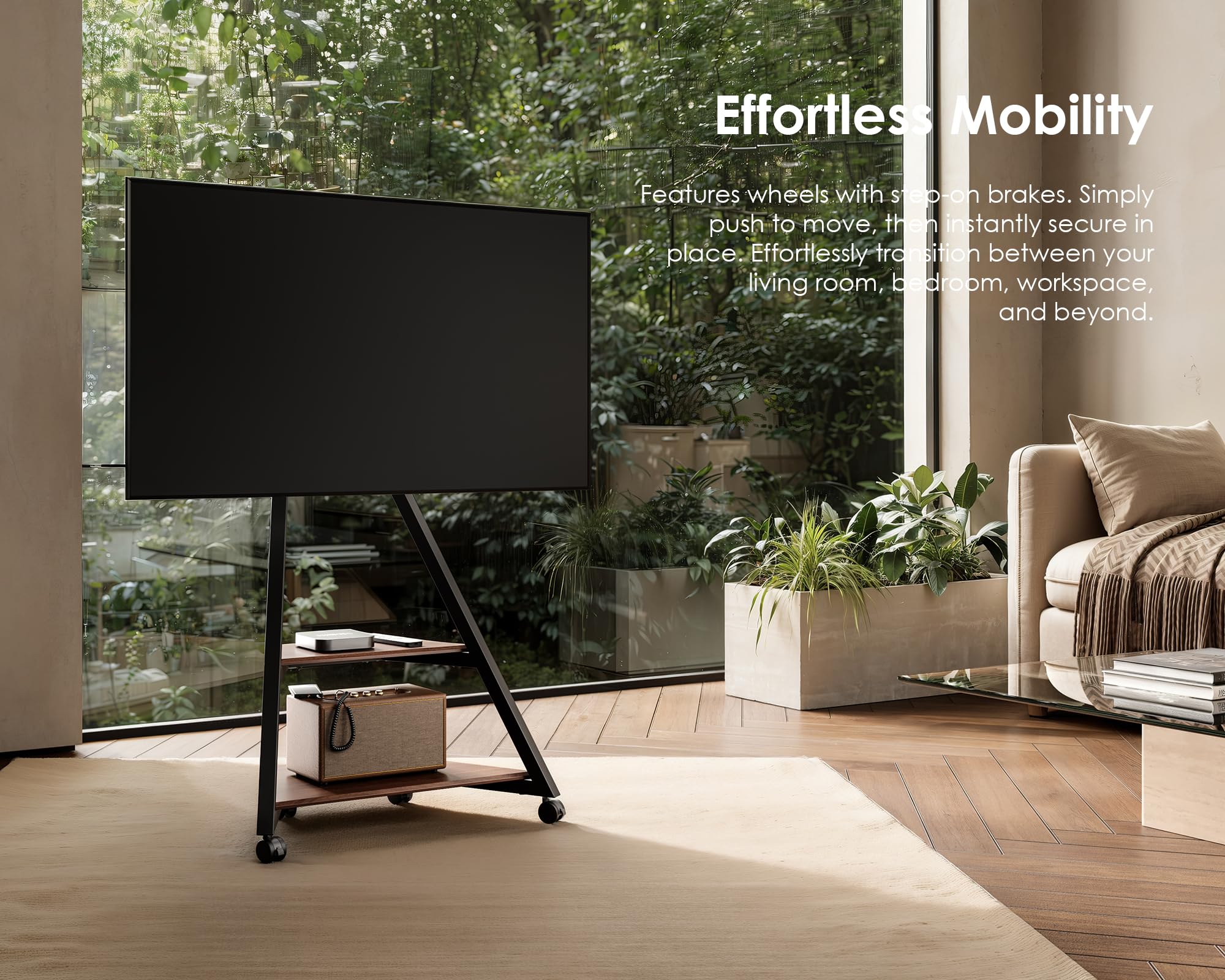

Pros
- Space-efficient corner design works in small apartments and tight layouts
- Highly adjustable with swivel, tilt, and height options for ergonomic viewing
- Optional wheels make it easy to move between rooms or clean behind
- Supports TVs up to 65 inches and 88 lbs with stable trapezoidal base
- Attractive walnut finish and sculptural frame add visual interest
Cons
- Only 4.1 star rating with no customer reviews yet to validate performance claims
- At $179, it costs more than basic fixed corner stands
- Assembly likely required based on this product type
This is the corner TV stand for people who refuse to commit to one furniture layout. The combination of rolling casters and a corner footprint means you can tuck it away when you need floor space, then wheel it out for movie night. The Eiffel Tower-inspired frame is surprisingly elegant for a mobile stand, and the walnut shelves add warmth without taking up the visual real estate of a full entertainment center.
What sets this apart from basic corner stands is the movement. You get 15 degrees of swivel in each direction, plus tilt adjustments, so you are not stuck with one viewing angle. The cable management channel keeps things tidy, which matters more than you would think when your TV is on display in a high-traffic corner.
If you want corner-saving flexibility without sacrificing style or viewing comfort, this one delivers.
Styles it works with: Modern, Industrial, Scandinavian, Mid-Century Modern
Best placed in: Living room corner near a sectional, bedroom corner for late-night viewing, home office corner for video calls, basement media room
May not suit: Formal traditional homes where the industrial frame clashes with classic furniture, households with toddlers who might pull on the frame or wheels, spaces where a low-profile media console is preferred for a cleaner sightline
Buy it if:
- You are renting and cannot or do not want to wall-mount your TV
- You rearrange furniture seasonally or host gatherings that require flexible seating
- You have an awkward corner that is too small for a traditional entertainment center
- You want to move your TV between rooms without reinstalling hardware
Consider waiting if:
- You want to see verified customer reviews before purchasing, as this model currently has none
- You are waiting for a sale, as mobile TV stands often drop in price during major shopping events
Skip it if:
- You need a stand wider than 32 inches for soundbars or multiple components
- You prefer a completely stationary setup and do not need mobility features
- Your TV weighs more than 88 lbs or has a VESA pattern larger than 400x400mm
Check the latest price and availability on Amazon before it sells out.

PERLESMITH Universal TV Stand Base for 32-70" TVs - Adjustable Height Table Top Mount with Tempered Glass Base
Pros
- Universal VESA compatibility fits most 32-70 inch TVs from major brands
- 8 adjustable height positions let you customize viewing comfort
- Tempered glass base looks premium and resists scratches
- Quick 15-minute installation with all mounting hardware included
- Sturdy construction holds up to 99lbs safely
Cons
- Glass base adds width to your TV footprint, may not fit narrow stands
- No cable management clips or routing channels included
- Heavier than original TV legs, making solo moves more difficult
This is the kind of problem-solver every renter and non-driller needs. Whether your TV's original legs snapped, went missing during a move, or just sit too low for comfortable viewing, the PERLESMITH stand gives you a rock-solid base that works with almost any flatscreen. The tempered glass looks clean and modern rather than like a cheap replacement part, and the black finish blends into most entertainment centers without calling attention to itself.
The real standout here is the height flexibility. With 8 different positions, you can raise your screen to eye level whether you are sitting on a low sofa or perched at a desk. No more craning your neck or stacking books under your TV. Setup is genuinely quick, and the universal VESA plate means you are not hunting for brand-specific parts or drilling new holes.
If you want a stable tabletop TV mount that looks deliberate rather than makeshift, this one delivers.
Styles it works with: Modern, Minimalist, Industrial, Contemporary
Best placed in: Living room entertainment center, bedroom dresser top, home office desk, media console in open floor plan
May not suit: Very narrow console tables (the glass base is wider than typical TV legs), homes with toddlers who might pull on the stand, rustic or farmhouse spaces where the sleek black glass feels too modern
Buy it if:
- Your TV's original legs broke, went missing, or sit too low for comfortable viewing
- You rent and cannot mount to the wall, or simply prefer not to drill holes
- You want adjustable height to dial in the perfect viewing angle for your seating
- You own a Samsung, LG, Sony, Vizio, TCL, or other major brand TV between 32 and 70 inches
Consider waiting if:
- You need a specific color finish beyond black to match existing furniture
- Your entertainment center is very narrow and you need to confirm the base dimensions first
Skip it if:
- Your TV weighs more than 99lbs or has a non-standard VESA mounting pattern
- You need built-in cable management or a swivel function
- You are looking for a wall mount rather than a tabletop stand
Check the latest price and availability on Amazon before it sells out.
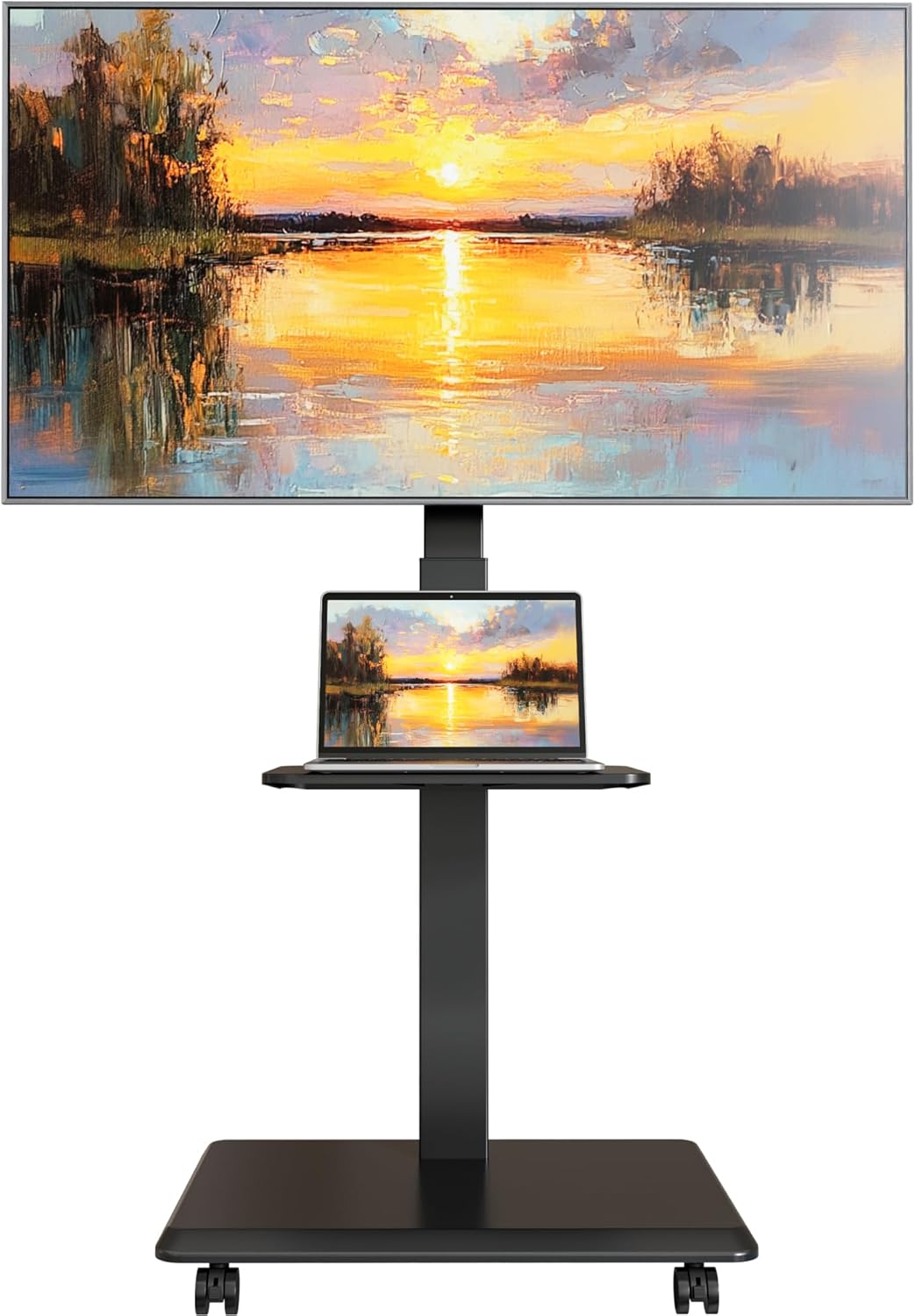
ECOTINY Rolling TV Stand for 32-75" TVs - Mobile Cart with Swivel, Tilt & Height Adjust - Holds 110 lbs
Pros
- Supports up to 110 lbs with a 30mm thick steel base, more stable than most mobile stands
- Six height adjustments let you customize viewing angle for different rooms and seating
- Large base shelf provides ample storage for media devices and accessories
- Lockable wheels keep the stand secure once positioned
- Cable management channels prevent tangled cords from showing
Cons
- No customer reviews yet to verify long-term durability and ease of assembly
- Base dimensions (23.6" x 17") require adequate floor clearance and may not fit tight spaces
- Swivel and tilt adjustments may require regular tightening with heavy TVs over time
This mobile TV stand solves a problem every renter knows too well: wanting your TV in different spots without putting holes in the wall. The ECOTINY stand rolls smoothly from living room to bedroom to home office, and the lockable wheels keep it planted once you find the right angle. The steel construction feels reassuringly solid, not wobbly like cheaper models, and the 110 lb capacity means you can confidently mount larger screens without worrying about tipping.
What sets this apart is the thoughtful design. Six height settings mean you can position the screen at eye level whether you are watching from the couch, standing in the kitchen, or lying in bed. The swivel and tilt adjustments let you fine-tune the viewing angle in seconds, and the oversized base shelf holds your streaming box, soundbar, and game console without cramping your setup. Cable channels keep cords hidden so it actually looks intentional in your space, not like temporary furniture.
If you want TV flexibility without the commitment of wall mounting or the wobble of cheap stands, this one delivers.
Styles it works with: Modern, Industrial, Minimalist, Contemporary
Best placed in: Living room corner for angled viewing, bedroom facing the foot of the bed, home office or multipurpose room where the TV needs to move
May not suit: Small apartments with limited floor space (base is nearly 2 feet wide), homes with thick area rugs that resist rolling, traditional or ornate decor styles where the industrial metal look clashes
Buy it if:
- You rent and cannot or do not want to drill into walls for a fixed mount
- You need to move your TV between rooms regularly for different activities or gatherings
- You want adjustable height and angle without the hassle of repositioning a wall bracket
Consider waiting if:
- You want to see verified customer reviews before committing (this product has zero reviews so far)
Skip it if:
- You have a permanent TV location and would prefer a cleaner wall-mounted look
- Your space is too tight to accommodate a 23.6 inch wide base with rolling clearance
Check the latest price and availability on Amazon before it sells out.
Frequently Asked Questions
Can I fix why does my tv screen have glare without replacing the main piece?
Yes. Start with the room condition, support point, or surface layer before you replace anything. A 15 minute inspection often separates a $20 fix from a bulky return, and that’s the order that saves money. Most symptoms trace back to placement, weight, or exposure, not a dead product.
Is why does my tv screen have glare a sign the product is defective?
It depends. Early failure, broken support, or uneven materials can point to a real defect, but sunlight, moisture, weight, and poor placement cause many of the same symptoms. Check the warranty terms if the issue shows up in the first year; otherwise treat it as wear first.
Should I use a spray, pad, or cover first?
Yes, if the symptom is on the surface and the structure still feels sound. A cover blocks UV, a pad adds 0.25 inches of separation, and a support fix spreads weight. Don’t stack all three at once; start with the one that matches the actual cause you found.
Will the problem come back?
Yes, if the original condition stays in place. Direct sun, a weak base, or trapped moisture will repeat the same damage after a few weeks or months. The fix only holds when you also change the environment that caused it. Here’s the simple check: if you removed the fix, would the symptom return within a week?
When should I stop trying DIY fixes?
Stop when you see cracked wood, soft flooring, a depression deeper than 1.5 inches, active moisture, or a frame that moves under light pressure. That isn’t a cleaning problem. It needs repair or replacement, and pushing another patch onto it only delays the real work.
Bottom Line
The FITUEYES stand is the first to compare because corner placement and mobility change the glare angle fastest. If you only need height adjustment, compare the PERLESMITH legs instead. Most glare is a room-angle problem, so control the reflection path with angle, curtains, and lamp placement before you replace the screen.




Write Your Review
No reviews yet. Be the first to share your experience!