

> Editorial Note: I’m Sofia Reyes, a bathroom and wellness editor focused on small-bath organization and materials that hold up to real humidity. The evaluations here reference OEKO-TEX certifications, ASTM moisture-resistance standards, and aggregated owner reviews.
The top of the curtain looks fine, and the bottom 6 inches are speckled with black and pink spots. That’s not a coincidence, it’s physics: the hem is where water pools, soap scum settles, and airflow dies. Mold needs moisture, food, and stillness, and the bottom of a shower curtain hands it all three. Cut off any one and the spots stop. For the full bathroom system, compare best fabric shower curtain liner, how to clean shower curtain liner, why does my shower curtain smell musty, best bathroom storage, and best bath mat.
The EPA’s indoor mold guidance and ASTM moisture-resistance standards agree on the rule: surfaces that stay wet grow mold, and the hem stays wettest longest. OEKO-TEX fabric references help on material safety, but drying habits decide whether the bottom stays clean.
Fix 1: The Hem That Never Gets a Chance to Dry
The bottom edge dries last and stays damp longest. Water runs down the curtain and collects at the hem, and if the curtain hangs bunched or touches the tub floor, that edge sits wet for hours between showers. Constant moisture is the number one trigger for bottom mold.
Spread the curtain full-width after every shower so air reaches both sides. A bunched curtain traps water in the folds along the bottom, exactly where the mold blooms. Pull it flat across the rod so the hem can breathe and drip dry.
Keep the hem off the tub floor, too. A curtain puddling on the base wicks up standing water and never dries. Hem the curtain or raise the rod so the bottom clears the tub by an inch, and add a fan or crack a window for 20 minutes after showering to pull the humidity out.
Spread it, lift it, vent it. A dry hem can’t grow mold.
Fix 2: The Soap Scum That Feeds the Spots
Mold needs food, and soap scum is the buffet. A film of soap residue, body oil, and shampoo splatter builds up on the lower curtain where the spray hits and drips down. That organic layer is what the mold actually eats, which is why a grimy hem molds faster than a clean one.
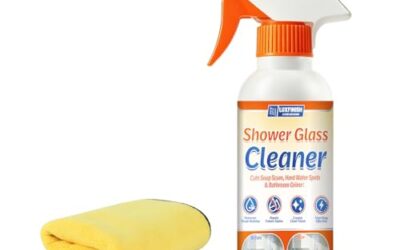
Rinse the lower curtain and liner after showers when you can, knocking the scum off before it dries into a film. A quick spray with a daily shower cleaner keeps the residue from accumulating. Less soap film means less for mold to feed on, even when the hem stays a little damp.
Wash the liner on a schedule. A fabric liner goes in the washing machine warm with detergent and a cup of white vinegar every 2 to 3 weeks, which strips scum and kills spores in one pass. Good Housekeeping recommends laundering fabric liners rather than replacing plastic ones for exactly this. Toss in a couple of towels to scrub the fabric as it agitates.
Starve the mold. No scum, no food, no spots.
Fix 3: The Dead Air in a Small, Steamy Bathroom
Still, humid air is the third leg of the mold triangle. A small bathroom with no fan and a closed door traps shower steam for hours, and that lingering humidity keeps the curtain bottom damp long after you’ve dried off. Poor airflow turns a wet hem into a mold farm.
Run an exhaust fan during the shower and for 20 minutes after, or open a window to move the moist air out. Indoor humidity that stays above 60 percent invites mold on every damp surface, so the goal is to drop it fast. If the room has no fan, a small clip fan aimed at the tub helps, and leaving the door open speeds the dry-out.
Give the curtain airflow on both faces. Sliding it half-open or hanging it so it doesn’t press flat against a wet wall lets the back dry too. Mold loves the pressed-together layers where a liner meets a decorative curtain or a tile wall. Space them apart.
Move the air, drop the humidity. Dead air is what mold waits for.
Fix 4: The Cheap Liner That Molds No Matter What
Some liners are built to trap moisture. A thin PEVA or vinyl liner with no weighted hem clings, folds, and holds water along the bottom, and once mold sets into the seams it’s nearly impossible to fully clean out. Cheap liners mold fast and can’t be laundered clean.
A machine-washable fabric liner is the durable answer. It dries faster than clingy plastic, resists the flat-fold water traps, and goes straight in the wash when spots appear instead of the trash. A water-repellent fabric with a weighted or magnetized hem hangs straight, clears the tub floor, and sheds water instead of pooling it.
Weight at the bottom is the quiet upgrade here. Rustproof magnets or a weighted hem keep the curtain from billowing in and touching the wet tub, so the edge stays put and dries flat. ASTM moisture-resistance references point to tightly woven, treated fabrics holding up best against repeated wetting. Match the liner to a humid bathroom, not a dry showroom.
The right liner dries itself. The wrong one molds on schedule.
Fix 5: The Washable Liner That Stays Clean at the Hem
Sometimes the liner is the whole fix. A water-repellent, machine-washable fabric liner with a weighted hem resists the pooling, clinging, and scum buildup that mold the bottom of a cheap plastic one. Material and hem design decide whether the edge stays clean between washes.
Look for a hotel-quality fabric liner that’s machine washable and treated to repel water, with rustproof magnets or a weighted hem to keep it hanging straight off the tub floor. A washable liner lets you reset it every few weeks instead of scrubbing seams or buying a new plastic sheet. OEKO-TEX certification signals the fabric is free of harmful residues, which also means fewer coatings to trap grime.
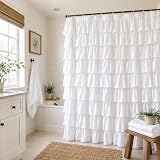
These three are washable, water-repellent, and built to hang straight at the hem. Choose the THAIGEE water-repellent liner for a hotel-quality fabric with 3 heavy-duty rustproof magnets that keep the bottom in place; pick the N&Y HOME liner for a solid white machine-washable option with magnets; use the AooHome liner when you want a weighted hem at a 72 inch width that clears the tub and dries flat.


Pros
- Water-repellent coating works quickly and effectively without soaking through
- Built-in magnets prevent the liner from blowing inward during showers
- Soft fabric texture is more comfortable than stiff vinyl or PEVA
- Dries faster than typical liners, reducing mildew buildup
- No plastic smell or harmful chemicals
Cons
- No customer reviews yet to verify long-term durability claims
- White color may show soap scum or discoloration over time
- Magnets only work on metal tub surfaces, not fiberglass or acrylic
This liner solves two of the most annoying shower problems: that cold, clingy feeling when a plastic liner sticks to your leg, and the constant battle with mildew on fabric liners that never seem to dry. The water-repellent coating is the real star here. Water literally rolls off the surface instead of soaking in, which means it dries in half the time and stays fresher between washes.
The magnetic hem is a surprisingly thoughtful touch. If you have ever fought with a billowing liner mid-shower, you will appreciate how the three built-in magnets keep it anchored to the tub. It is one of those small upgrades that makes your daily routine just a bit smoother. The fabric itself feels soft and natural, not stiff or plasticky, and there is no chemical smell when you first hang it up.
If you want a low-maintenance liner that feels more like real fabric without the mildew headaches of traditional cloth liners, this one delivers.
Styles it works with: Modern Farmhouse, Minimalist, Scandinavian, Transitional
Best placed in: Guest bathrooms where you want a clean hotel-like feel, family bathrooms that need frequent washing, master baths where you prefer fabric over plastic
May not suit: Homes with fiberglass or acrylic tubs where the magnets will not stick, bathrooms with very hard water that may leave mineral deposits on white fabric, renters who cannot replace existing plastic liners
Buy it if:
- You are tired of stiff, smelly plastic liners that stick to you in the shower
- You want a fabric liner that actually dries quickly and resists mildew
- You have a metal tub and want the magnetic anchoring feature to stop billowing
Consider waiting if:
- You prefer a color other than white and want to see if more options become available
- You want to see verified customer reviews before purchasing
Skip it if:
- You have a fiberglass or acrylic tub where the magnets will not work
- You need a clear liner to show off decorative tile work
Check the latest price and availability on Amazon before it sells out.

N&Y HOME Fabric Shower Curtain Liner - Hotel Quality, Quick Dry, Machine Washable, White 70x72, PVC Free with Magnets
Pros
- Thick, closely-woven fabric feels spa-like compared to flimsy plastic liners
- Dries quickly after use, reducing mildew and musty bathroom odors
- Machine washable for easy maintenance and longer lifespan
- No chemical smell out of the package
Cons
- Not 100% waterproof - may allow some moisture through over time
- Requires occasional washing to maintain freshness, unlike disposable liners
- Magnets only on bottom corners, not along the full edge
This liner completely changes the shower experience. Instead of that cold, clingy plastic that sticks to your leg mid-shower, you get a soft fabric that drapes naturally and feels like something you'd find at a boutique hotel. The polyester weave is thick enough that water beads up and rolls off instead of soaking through, which means your bathroom floor stays drier and the liner itself dries between uses.
What really sets this apart is how long it lasts. Most vinyl liners get grimy or develop mildew within months, but because this one is machine washable, you can toss it in with your towels whenever it needs refreshing. The reinforced header holds up to daily use without tearing at the hooks, and the bottom magnets keep it from billowing around when the water is running.
If you want a bathroom that feels cleaner and more put-together without dealing with plastic smell or constant replacements, this one delivers.
Styles it works with: Modern Farmhouse, Spa-Inspired, Minimalist, Coastal
Best placed in: Guest bathroom for a hotel-like touch, master bath for daily use, hall bathroom shared by family
May not suit: Homes needing a completely waterproof barrier (fabric allows some moisture through), renters who prefer disposable liners over washing, bathrooms with hard water that may stain white fabric over time
Buy it if:
- You want to eliminate plastic smell and the sticky feel of vinyl liners
- You prefer washing and reusing over throwing away liners every few months
- You're upgrading your bathroom on a budget and want an upscale feel
Consider waiting if:
- You need a liner in a color other than white and want to wait for restocks
Skip it if:
- You need a 100% waterproof barrier and can't tolerate any moisture seepage
- You have very hard water and white fabric will stain quickly in your area
Check the latest price and availability on Amazon before it sells out.

AooHome White Fabric Shower Curtain Liner 72x75 - Waterproof, Weighted Hem, Hotel Quality Polyester with Hooks
Pros
- Waterproof polyester fabric dries quickly and resists soaking better than standard cloth liners
- Weighted hem effectively prevents billowing and keeps liner in place during use
- Machine washable for easy maintenance and long-term freshness
- No vinyl or PVC odor makes it suitable for families and those sensitive to chemical smells
- Extra-long 75-inch height fits taller shower enclosures without gaps at the bottom
Cons
- Zero customer reviews make it difficult to verify real-world durability and washing performance
- White fabric may show soap scum and mildew stains more visibly than darker colors over time
- Some shoppers may prefer fully opaque liners for complete privacy in shared bathrooms
This shower curtain liner solves one of the most annoying bathroom problems: liners that billow inward when you shower, sticking to your skin and letting cold air in. The weighted hem keeps it firmly in place, while the waterproof polyester fabric actually repels water instead of absorbing it like cheaper cloth options. You get the soft, upscale look of fabric without the maintenance headaches of traditional cloth liners.
What makes this particularly smart for busy households is the machine-washable design. When it starts looking dingy, toss it in the washer with your towels rather than replacing it entirely. The polyester construction means no plasticky smell when you open the package, which is a relief if you have sensitivities or just want your bathroom to smell fresh. At 75 inches long, it works beautifully in standard tubs and those slightly taller shower stalls where 72-inch liners leave gaps.
If you want a liner that looks clean, stays in place, and lasts through multiple washes without the plastic smell, this one delivers.
Styles it works with: Modern Farmhouse, Coastal, Minimalist, Spa-Inspired
Best placed in: Primary bathroom with standard tub/shower combo, guest bathroom where presentation matters, hall bathroom used by multiple family members
May not suit: Homes needing bold pattern or color to match existing decor, bathrooms with very short shower rods under 72 inches, households preferring fully transparent liners to show off decorative outer curtains
Buy it if:
- You're tired of vinyl liners that smell like chemicals and need replacing every few months
- You want a liner that stays put during showers instead of billowing and clinging to you
- You prefer machine-washable bathroom textiles that maintain quality over time
- You have a taller shower enclosure that needs the extra 75-inch length
Consider waiting if:
- You want to read verified customer reviews before purchasing since this currently has none
- You're waiting for Prime Day or holiday sales to stock up on multiple bathroom essentials
Skip it if:
- You need a patterned or colored liner to coordinate with specific bathroom decor
- You prefer completely transparent liners to showcase decorative outer curtains
- Your shower rod is shorter than 72 inches wide or your stall is under 75 inches tall
Check the latest price and availability on Amazon before it sells out.
What Not to Do
Don’t let the curtain bunch or puddle on the tub floor. A folded, pooling hem traps water for hours and molds first. Spread it flat and keep the bottom off the base.
Don’t skip the fan to save a little noise. Trapped steam keeps every damp surface wet, and the hem pays for it. Run the exhaust during and after every shower.
Don’t scrub set-in mold on a cheap plastic liner and hope. Once spores reach the seams, they come back. Wash a fabric liner with vinegar, or replace a moldy plastic one outright.
The Moisture Check Before You Blame the Curtain
Before you decide the curtain is defective, check what’s keeping the hem wet. Feel the bottom edge a few hours after a shower. If it’s still damp, the problem is airflow and drying, not the fabric, and no cleaning routine will stay ahead of a hem that never dries. Moisture is the root every time.
Then look at how the curtain hangs and how humid the room stays. A curtain touching the tub floor, bunched folds along the bottom, or a bathroom that fogs the mirror for an hour all point to a moisture and airflow fix. The EPA notes that controlling humidity below 60 percent is the single most effective way to stop mold on bathroom surfaces.
Match the liner and habits to a wet room. A washable fabric liner with a weighted hem, a fan running 20 minutes after each shower, and a liner spread flat to dry solve the bottom-mold problem for most bathrooms. If spots still return, wash the liner warm with vinegar on a 2 to 3 week schedule and check that the hem clears the tub.
Fix the drying first, then the liner. Most bottom mold is trapped moisture, not a flaw in the curtain.
Frequently Asked Questions
Why does mold grow only at the bottom of my shower curtain?
The hem stays wettest longest. Water runs down and pools at the bottom, soap scum settles there, and airflow is weakest near the tub floor. That combination of moisture, food, and dead air is exactly what mold needs, so the bottom spots first.
How do I get mold off the bottom of a shower curtain?
Wash a fabric liner in the machine on warm with detergent and a cup of white vinegar, adding a couple of towels to scrub as it agitates. For a plastic liner with set-in seam mold, replace it. Then keep the hem dry to stop it coming back.

How often should I wash a fabric shower curtain liner?
Every 2 to 3 weeks in most bathrooms, more often if the room is small or poorly vented. Washing warm with vinegar strips soap scum and kills spores before they bloom. Good Housekeeping recommends laundering fabric liners rather than tossing plastic ones.
Does a bathroom fan really stop shower curtain mold?
Yes. Running an exhaust fan during and for 20 minutes after each shower drops humidity below the 60 percent mold threshold and dries the hem faster. Dead, steamy air keeps the bottom damp for hours, which is precisely when mold takes hold.
What kind of shower curtain liner resists mold best?
A machine-washable, water-repellent fabric liner with a weighted or magnetized hem. It dries faster than clingy plastic, hangs off the tub floor instead of pooling, and can be laundered when spots appear. OEKO-TEX-certified fabrics also carry fewer residues for mold to feed on.
Bottom Line
Bottom-of-curtain mold comes down to a hem that stays wet, soap scum feeding it, and dead air holding the moisture, so spreading the curtain flat and running a fan for 20 minutes fixes most cases. Wash a fabric liner warm with vinegar every 2 to 3 weeks to reset it. When a cheap plastic liner keeps molding, the THAIGEE washable fabric liner is the one most people should choose because its magnets keep the hem off the wet tub. If you want the simplest white option, the N&Y HOME liner is the better pick.



Write Your Review
No reviews yet. Be the first to share your experience!