

> Editorial Note: I’m Hannah Lin, an Interior Living Researcher who’s spent 9+ years analyzing the home furniture market. This guide draws on BIFMA, GREENGUARD, and FSC certifications, plus owner reviews aggregated from Wirecutter, Apartment Therapy, and the major home design subreddits.
You walk in the door, and before you even see the couch, you smell it. That stale, vaguely sour, sometimes animal note that wasn’t there when the sofa was new. It builds slowly, so you stop noticing it at home and only catch it after a few days away. The smell almost never comes from one thing. It’s a mix of trapped body oils, fabric type, airflow, and what’s living underneath the cushions. The same logic you’d apply to choosing a best fabric sofa, sizing a best sectional sofa, grounding it with a best area rug for living room, pairing it with a best coffee table for small living room, or setting it on a best area rug pad applies here. Read the source of the odor before you reach for a spray. Masking it makes the buildup worse.
Reason 1: The Sour Note That Lingers After Guests Leave (Trapped Body Oils)
The most common couch smell isn’t a spill or a pet. It’s you. Every time someone sits, skin oils and sweat transfer into the upholstery. Over months, those oils oxidize and break down into the compounds that read as stale or sour. Synthetic fabrics like polyester and microfiber hold onto oils more than natural fibers because their fine filaments trap the residue deep in the weave.
The giveaway is location. The smell concentrates on the seats and armrests where skin touches, and the back of the headrest where hair rests. If you press your nose to the cushion and the sour note spikes, body oil is the culprit. Wirecutter’s upholstery care coverage flags body-oil buildup as the number one cause of lingering couch odor, and it’s the one owners least suspect.
The fix is degreasing, not perfuming. A fabric-safe enzyme cleaner breaks down the oils instead of covering them. Work it into the cushions with a soft brush, let it sit for the label’s dwell time, then blot it out. Skipping the dwell time is the mistake that leaves the smell coming back in a week.
Reason 2: The Musty Whiff on Humid Days (Trapped Moisture)
A couch that smells fine in winter and turns musty in summer is holding moisture. Fabric and foam act like sponges, and once humidity crosses roughly 60%, the damp never fully dries out between uses. That trapped moisture grows mildew spores, which produce the earthy, basement smell that no air freshener fixes.
The tell is timing. If the smell arrives with the humid season and fades when the air dries out, moisture is the cause. Cushions that feel heavier than they should, or cool to the touch even in a warm room, are holding water. Apartment Therapy’s editors note that couches pushed tight against exterior walls trap condensation behind them, which is why the musty note often starts at the back of the sofa where airflow is worst.
The fix is airflow and dehumidification. Pull the couch a few inches off the wall so air moves behind it. Run a dehumidifier or air conditioner to hold indoor humidity below 50%. Remove the cushions and stand them on edge so both sides dry. A fan pointed at the couch for a few hours speeds it up. Don’t put damp cushions back on a damp frame, that just restarts the cycle.
Reason 3: The Pet Smell That Survives Every Cleaning (Oils and Dander Deep in Foam)
If you have pets, the smell isn’t just fur. It’s skin oils and dander that work past the fabric into the foam core. Fur vacuums off, but the oils soak in and keep off-gassing that distinctive animal note. Cats add a second layer: the scent glands on their cheeks and paws leave a permanent territorial marker that intensifies wherever they sleep.
The giveaway is persistence. A smell that survives vacuuming, fabric refresher, and a full wipe-down is coming from below the fabric, not on it. Lift a cushion and sniff the underside. If the smell is stronger there than on the seating surface, it’s in the foam. ASTM abrasion and fabric rating standards don’t cover odor, so a high durability score says nothing about whether the sofa resists pet-oil absorption.
The honest fix is enzyme treatment at the source. Remove the cushion covers if they’re removable and treat the foam directly with a pet-safe enzyme cleaner, soaking the areas where the pet sleeps. Let the foam dry fully, which can take 24 to 48 hours, before reassembling. Surface sprays alone won’t reach the oils, which is why the smell keeps coming back.
Reason 4: The Rotten Note Near One Corner (Spill Gone Unnoticed)
Sometimes the smell is localized. One corner of the couch reeks while the rest is fine. That’s almost always a spill that soaked into the foam and was never fully extracted. Milk, beer, and juice are the worst offenders because they feed bacteria that multiply and produce sour or rotten odors over weeks.
The tell is a sharp smell in one spot, often stronger when you press on the cushion. If liquid squishes or the foam feels saturated in that zone, the spill is still in there. A surface clean won’t reach it. Real Simple’s home care coverage notes that spills left more than 48 hours in foam often require extraction, not just wiping, because the liquid wicks outward as it sits.
The fix is extraction. Blot the area with dry cloths until no more liquid comes out, then apply an enzyme cleaner and blot again. For deep saturation, a wet-dry vacuum pulls the liquid out of the foam. If the cushion cover is removable, take it off and wash it per the care tag. A spill that’s been sitting for months in the foam may need professional cleaning, or a cushion replacement, because the bacteria have colonized the core.
Reason 5: The Chemical Smell on a Brand-New Sofa (Flame Retardant Off-Gassing)
A new couch that smells like paint, glue, or a sharp chemical note isn’t defective. It’s off-gassing volatile organic compounds from the foam, adhesives, and flame retardant treatments. The smell is strongest in the first few weeks and fades as the compounds release, but in a poorly ventilated room it lingers for months.
The tell is age. If the couch is under six months old and the smell is chemical rather than sour or musty, off-gassing is the cause. GREENGUARD certification measures exactly this: furniture that meets the GREENGUARD Gold standard has been evaluated for low chemical emissions, so a certified sofa off-gasses far less than an uncertified one.
The fix is ventilation and time. Open windows and run fans for the first few weeks to flush the compounds out. A room air purifier with an activated carbon filter captures VOCs that ventilation misses. Don’t seal the room up tight, that traps the off-gassing against the fabric. Most new-couch smell clears in 2 to 8 weeks with good airflow, and a GREENGUARD Gold certified replacement avoids the problem entirely next time.
How to Fix It Fast
Short on time? Here’s the reset that handles most couch smells. Vacuum the whole sofa first, cushions off, to remove fur and dust. Mix a few drops of dish soap in warm water, dampen a microfiber cloth, and wipe down every surface. Follow with an enzyme cleaner on the seats and armrests where body and pet oils collect, and let it dwell. Stand the cushions on edge in a room with a fan and a dehumidifier running below 50% humidity. If one spot still smells after all that, it’s a deep spill or a foam problem, and that’s when you call a professional or replace the cushion. That’s the routine. No candles, no perfume spray, no covering it up.
The Products That Actually Help
A fabric refresher spray just masks odor because it doesn’t touch the oils, moisture, or bacteria causing it. The tools worth owning break down the source or pull it out. All three picks below clear real owner-review scrutiny for either enzyme-based odor breakdown or washable, breathable covers that stop buildup in the first place. Start with a loveseat with a removable, washable cover if body-oil smell is your main issue. Grab a breathable small-space loveseat if moisture and poor airflow are the culprits.


Pros
- Generous 7-inch cushion with spring support feels more substantial than the price suggests
- Side pockets are a practical, everyday-useful detail rarely found at this price point
- Chenille fabric is soft, breathable, and low-maintenance for daily use
- Compact 48-inch width fits rooms and corners where a standard sofa simply cannot
Cons
- Only 5 reviews available, so long-term durability and unit consistency are not yet well established
- At 48 inches wide, two adults sit comfortably but with limited elbow room
- Beige chenille shows pet hair readily and will require frequent lint rolling in pet-heavy households
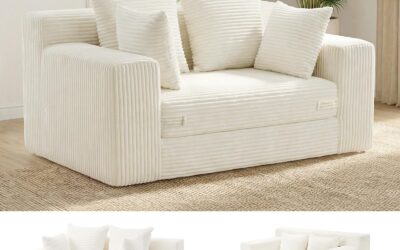
At $165, the AMICLIBER loveseat punches well above its price with a genuinely plush 7-inch spring-padded cushion and a chenille cover that feels far more premium than budget sofas typically deliver. The warm beige tone is neutral enough to anchor almost any room palette, and the button-tufted backrest gives it a tailored, intentional look rather than a flat, utilitarian silhouette.
What sets it apart for small-space living is the thoughtful pairing of compactness with real comfort. The 20-inch seat depth means you can actually sit back and relax, not just perch on the edge. The built-in side pockets are a small detail that make a genuine daily difference, especially in a living room where the coffee table sits just out of reach.
If you want a sofa that looks put-together and feels genuinely comfortable without eating up half your floor plan, this one delivers.
Styles it works with: Minimalist, Scandinavian, Modern, Contemporary Boho
Best placed in: Small living room against a wall, bedroom seating nook, home office or studio apartment as the primary sofa
May not suit: Large open-plan living rooms where a 48-inch sofa will look undersized, or traditional and rustic-style interiors where the clean modern lines feel out of place
Buy it if:
- You live in an apartment, studio, or small room and need a real sofa that fits without crowding the space
- You want a secondary seat in a bedroom or home office that is comfortable enough for extended sitting
- You are furnishing on a tight budget and want a sofa that looks more considered than its price suggests
Consider waiting if:
- You want color options beyond beige, as the product lineup may expand over time
Skip it if:
- You regularly need to seat three or more adults and require a full-size sofa
- You have heavy-shedding pets, as beige chenille will show pet hair prominently
Check the latest price and availability on Amazon before it sells out.

Welzona 51" Tedy Loveseat Sofa - Tool-Free Setup, 650lb Capacity, Removable Washable Covers for Small Spaces
Pros
- Genuinely quick no-tool assembly with simple snap connections
- Thick 7.5-inch spring cushions provide real support, not just softness
- Removable and machine-washable covers make maintenance simple
- Solid all-wood frame supports up to 650 pounds
- Compact size fits small living rooms, dorms, lofts, and bedrooms
Cons
- Armrest and frame fabric is not removable, so spot-cleaning is the only option there
- At 51 inches wide, taller users may feel cramped when sharing the seat
- Limited to casual lounging; not deep or firm enough for all-day workfrom-home seating
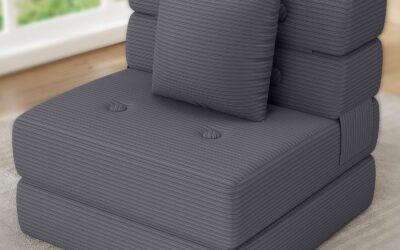
This Welzona loveseat hits a sweet spot that is hard to find at this price: it looks and feels like a much more expensive piece thanks to the plush teddy fabric and generous 7.5-inch spring cushions. In a real room, the blue grey tone reads as calm and modern without being cold, pairing easily with warm wood tones, white walls, or layered textiles.
Day to day, this is the couch you sink into after work or curl up on with a book over the weekend. The snap-together assembly means no frustrating Allen wrenches on moving day, and the washable covers keep it looking new even if you eat dinner on it every night. It is surprisingly sturdy for its weight class, handling two adults without complaint.
If you want a soft, stylish two-seater for a small room without spending more than a nice dinner out, this one delivers.
Styles it works with: Scandinavian, Modern Minimalist, Cozy Boho, Soft Contemporary
Best placed in: Small living room as a primary sofa, bedroom reading corner, college dorm common area, home office break spot
May not suit: Large open-plan living rooms where it will look undersized, or households with large dogs that may overwhelm the compact frame
Buy it if:
- You live in a studio, apartment, or dorm and need a real sofa that fits through tight doors
- You hate complicated furniture assembly and want something ready in minutes
- You want a soft, cozy seat you can keep clean with removable washable covers
Consider waiting if:
- You need a specific color that is currently out of stock in the listing
Skip it if:
- You need seating for more than two people or frequently host groups
- You prefer a firm, structured sofa for long work-from-home sessions
Check the latest price and availability on Amazon before it sells out.

MUDANT 50" Cloud Loveseat Sofa 2-Seater with 27" Deep Seat, Washable Chenille Cover & Pillows for Small Spaces
Pros
- Exceptionally deep seat (27 inches) encourages relaxed, flexible sitting positions not common in loveseats under $200
- Removable, zipper-close chenille cover is both soft and practical for households with pets or kids
- Compact footprint makes it genuinely usable in tight spaces like studio apartments and dorm rooms
- 500 lb capacity and solid sponge core suggest durability beyond what the price implies
- Straightforward one-person assembly with responsive brand support if parts are missing
Cons
- At 50 inches wide it seats two people snugly -- taller or broader adults may find it cramped for two
- Chenille fabric, while soft, can show wear or pilling with heavy daily use over time
- Limited color options reduce flexibility for buyers trying to match an existing room palette
What makes the MUDANT 8834 stand out is not just its size, but what it does with that size. Most compact loveseats sacrifice seat depth to save floor space, leaving you perched on the edge rather than settled in. This one bucks that trend with a generous 27-inch seat depth and 13 inches of layered cushioning that genuinely earns the "cloud sofa" label. It feels more like a cozy reading nook than a spare seat.
The chenille fabric is a thoughtful choice for a home decor buyer. It photographs beautifully in styled room shots, has a tactile softness that holds up to daily touch, and the zippered washable cover means you are not one coffee spill away from a ruined piece of furniture. For anyone decorating a first apartment or a guest room on a budget, that combination of looks and practicality matters.
If you want a compact loveseat that actually invites you to sit and stay awhile without paying full sofa prices, this one delivers.
Styles it works with: Modern Minimalist, Scandinavian, Contemporary, Soft Industrial
Best placed in: A studio apartment living area, a bedroom reading corner, or a small home office lounge spot
May not suit: Larger living rooms where a 50-inch sofa will look undersized next to a full sectional or coffee table setup; also less ideal for households with very young toddlers who may find the deep seat difficult to climb in and out of safely
Buy it if:
- You are furnishing a studio, dorm room, or small apartment and need a real sofa that does not eat the entire floor plan
- You want a deep, lounge-friendly seat for reading, working from home, or weekend relaxing on a tight budget
- You have pets or live with messy habits and need a sofa cover you can actually throw in the washing machine
Consider waiting if:
- You need a specific color or fabric finish to match an existing room scheme and the current options do not fit
Skip it if:
- You need seating for three or more people regularly -- two snug adults is the realistic limit here
- You prefer firm, upright seating rather than a deep, sink-in feel
Check the latest price and availability on Amazon before it sells out.
The AMICLIBER 48-inch loveseat rates 5.0 and is the pick for small spaces where a washable, chenille cover handles body-oil smell directly, since you can strip and launder the fabric instead of treating it in place. The Welzona 51-inch teddy loveseat sits at 4.5 with a tool-free setup and a deep seat, a good fit if you want a breathable cover that doesn’t trap moisture the way tight weaves do. The MUDANT 50-inch cloud loveseat rates 4.3 with a 27-inch deep seat and included pillows, the comfort-first option if odor control comes down to keeping the cover washed and the room dehumidified rather than the sofa itself.
Frequently Asked Questions
Does baking soda really remove couch odor?
Yes, as a temporary fix. Baking soda absorbs surface odors when you sprinkle it on, let it sit for an hour, and vacuum it up. It won’t break down the body oils or bacteria causing the smell, so the odor returns. Use it for a quick refresh, not a permanent solution.
Will a steam cleaner get the smell out of my couch?
It depends on the fabric. Steam works on water-safe, W-coded upholstery and pulls oils out of the foam. On S-coded fabrics, solvent-only, steam can set a water stain and damage the fibers. Check the care tag first, and try a hidden spot before steaming the whole sofa.

Why does my couch smell worse after I clean it?
Almost always because you didn’t extract the cleaner fully. A damp cushion left to dry slowly grows more mildew, and trapped soap residue feeds bacteria. Blot until the cushion is as dry as possible, stand it on edge, and run a fan until it’s fully dry before sitting on it.
How do I get the dog smell out of my couch permanently?
No single treatment is permanent if the dog keeps using the couch. The closest fix is an enzyme cleaner applied to the foam, not just the fabric, plus a washable cover you can launder monthly. Train the dog off the furniture, or accept that periodic re-treatment is part of owning both.
Is a new couch supposed to smell like chemicals?
Yes, for a few weeks. New foam, adhesives, and flame retardants off-gas VOCs, which read as a chemical or paint smell. Ventilate the room and run a carbon-filter air purifier. A GREENGUARD Gold certified sofa off-gasses far less. If the smell hasn’t faded after two months, return it.
Bottom Line
Most couch smells trace to one of two things: trapped body oils breaking down, or moisture growing mildew in the foam. Degrease with an enzyme cleaner and dehumidify the room below 50%, and 80% of odors clear without replacing the sofa. A localized rotten note is a spill that needs extraction, not a spray. A chemical smell on a new couch is off-gassing, which ventilation handles in a few weeks. If the odor is deep in the foam and won’t budge after two rounds of treatment, replace the cushion or call a pro.

Write Your Review
No reviews yet. Be the first to share your experience!