

> Editorial Note: I’m Liam Wright, an outdoor and garden editor. I grew up in my family’s landscaping business and now cover what actually survives a season of UV, rain, and freeze-thaw cycles. The picks here are evaluated against ASTM weatherability standards and manufacturer durability ratings.
You sit down, and the seat cushion shoots forward off the front of the chair. That’s not a broken chair. It’s a slick cushion back, a smooth frame with nothing to grip, and cushions that carry no weight of their own, and each of those has a fix you can knock out in an afternoon. Add grip underneath first, then anchor the cushion to the frame, then match the cushion size to the seat. If you’re finishing the rest of the patio, keep these close: best outdoor cushions, best patio furniture covers, best outdoor deck box, best patio furniture set, and why do my patio cushions blow away.
Reason 1: The Cushion That Skates Forward When You Sit
A cushion slides because there’s nothing under it fighting the motion. A dry foam-and-polyester seat cushion has a smooth backing, and a smooth backing on a smooth chair seat has almost no friction. Slick on slick, it moves.
Your own body starts the slide. When you sit and lean back, you push the cushion forward, and with nothing gripping the seat it keeps going until it clears the edge. The cushion isn’t failing. It’s just skating on a frictionless surface.
Press a cushion flat and shove it sideways with one hand. If it glides off with almost no effort, that’s the whole problem. A cushion that slips under your palm slips out from under you, and adding grip underneath is the first move.
Outdoor cushions slide for the same reason indoor ones do, which is a smooth surface and nothing gripping it. For the indoor version, the couch cushion guide covers the three causes and the quick fix for each.
Reason 2: The Seat With No Ties, Straps, or Anchors
Most patio cushions ship with nothing to hold them in place. No ties, no straps, no fasteners, just a cushion resting loose on a frame. No anchor, no staying put.
Sling chairs and smooth resin seats are the worst offenders because their surfaces are almost polished. A cushion set on that kind of seat has zero mechanical hold, so every shift of your weight nudges it toward the edge. The frame gives it nothing to catch on.
Check each cushion for existing ties. If there are none, or the tabs there don’t actually loop around the chair frame, the cushion is relying on friction alone. Friction it doesn’t have. Ties or straps are the fix.
Reason 3: The Cushion That’s the Wrong Size for the Seat
An oversized cushion perches instead of sits. When a cushion is wider or deeper than the chair seat, only part of it makes contact, and the overhang acts like a lever that tips the cushion off with the smallest push. Too big, it rides up and out.
Undersized cushions slide too, just differently. A cushion smaller than the seat has room to roam, so it drifts around the open space and works its way to an edge. The fix is a cushion sized to the seat within an inch or so, not swimming on it or hanging over it.
Measure the seat before you blame the cushion. A standard patio chair seat runs about 18 to 20 inches square, and a matching cushion near 19 by 19 inches sits flush with no overhang to catch. Right size, better grip, fewer escapes.
Fix 1: Add Grip Underneath Every Cushion
Start by giving the cushion something to hold onto. A strip of non-slip rug gripper or outdoor shelf liner under each seat adds the friction the smooth backing lacks. Grip underneath, no more skating.
Pick cushions with a textured or grippier backing if you’re replacing them. A denser foam and a non-slick underside resist sliding far better than thin, glossy cushions. Waterproof cushions help here too, since they don’t soak up rain and then dry into slippery featherweights.
For the slickest sling and resin seats, hook-and-loop strips between the cushion and the frame lock it down without hardware. Stick one side to the seat, the other to the cushion, and press. Cheap, invisible, and it holds through a full day of sitting.
Fix 2: Tie or Strap the Cushion to the Frame
Anchor each cushion so leaning back can’t push it off. Cushion ties, bungee loops, or hook-and-loop straps wrapped around the chair frame turn a loose cushion into a fixed one. Tied down stays down.
Use the cushion’s tie tabs if it has them, and loop them around the rear chair rail rather than a leg so the cushion can’t creep forward. If there are no tabs, a short length of outdoor bungee run across the back of the seat and hooked under each side does the same job. One anchor point per cushion stops most of the sliding.
Keep it snug, not crushing. The goal is holding the cushion flush to the seat, not squashing the foam flat and killing the padding. Snug ties, full comfort, no slide.
Fix 3: Match the Cushion to the Seat
Size the cushion to the chair before anything else. A cushion within an inch of the seat dimensions sits flush, with no overhang to lever it off and no slack to let it wander. Right fit is half the battle.
Replace cushions that hang over the front or sides by more than an inch or two. That overhang is what tips forward when you sit, so trimming it to a flush fit removes the lever entirely. A 19 by 19 inch cushion suits most standard seats near 18 to 20 inches.
Check thickness too. A cushion around 3 inches thick has enough body to stay seated and enough weight to resist small shoves, while paper-thin pads slide at the first touch. The Consumer Reports guidance on outdoor furniture care makes the same point: fit and material do more for daily performance than price does.
The Right Gear Makes This Stick
Two things solve sliding cushions for good: a cushion that grips and fits the seat, and a place to stash the set when you want it out of the weather between uses. The picks below pair a waterproof, properly sized cushion set with two large deck boxes, all clearing a 4.5 owner rating, so you can anchor the seats and store on demand.
Start with the IASEAHK cushion set if you want waterproof 19 by 19 by 3 inch cushions that fit standard seats flush and carry enough weight to resist skating. Choose the Keter Westwood box if you want 150 gallons of resin storage that doubles as a bench for the set. Pick the standard Keter 150 gallon deck box in brown if you want the same capacity in a simpler, lower-profile shape.
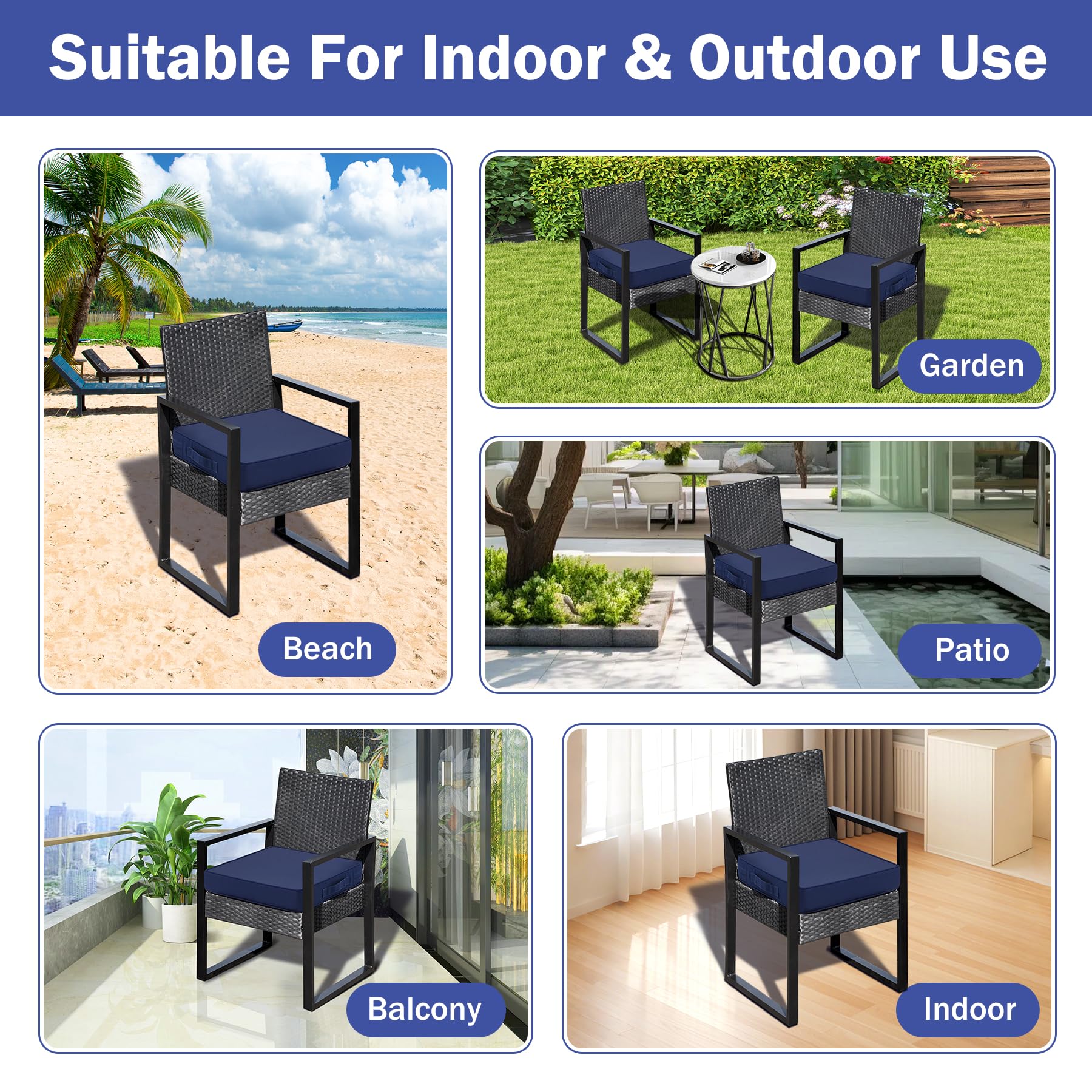
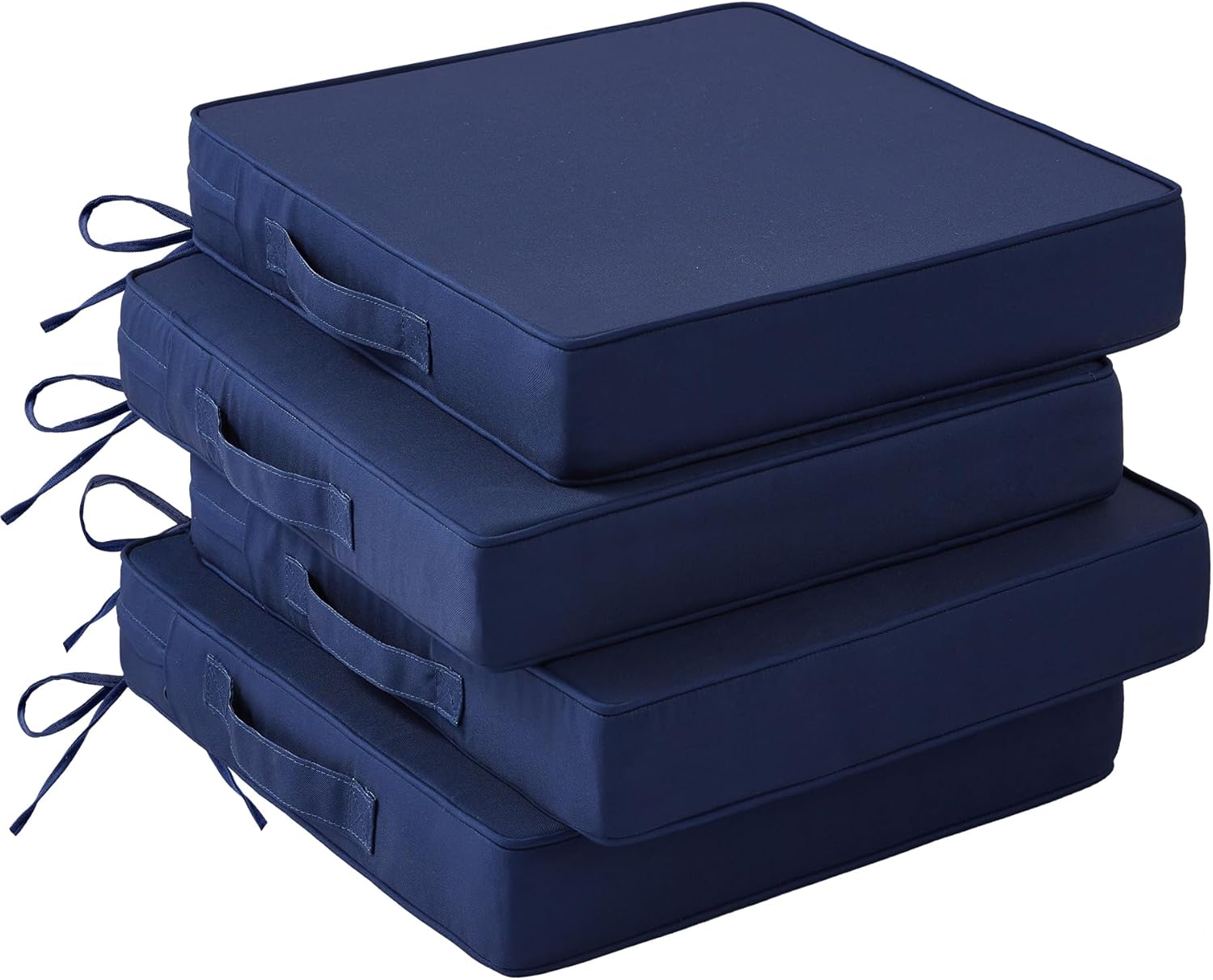
IASEAHK Outdoor Chair Cushions Set of 4 - 19x19x3 Waterproof Patio Seat Cushions with Ties, Navy Blue
Pros
- High-density foam provides firm support without sagging over time
- Water-resistant and UV-resistant fabric handles outdoor conditions well
- Secure straps and handles make them practical for everyday use
- Machine-washable covers simplify maintenance
- Set of four offers good value for furnishing multiple chairs
Cons
- No customer reviews yet to confirm long-term durability
- Navy blue may show dirt or pollen more than lighter colors
- 19-inch size won't fit smaller bistro or folding chairs
These cushions solve the biggest frustration with outdoor seating: that flat, uncomfortable feeling after one season. The 3-inch high-density foam keeps its shape whether you're hosting a long dinner or just reading outside for an hour. The navy blue looks sharp against natural wood or metal furniture, and the waterproof Oxford fabric means you don't have to rush to bring them in when clouds roll in.
What really sets these apart is how they stay put. The adjustable straps tie directly to chair legs, so no more chasing cushions across the deck on windy days. The handles make it easy to grab them for cleaning or to bring a few indoors when the weather turns. They're designed to be used, not babied.
If you want outdoor seating that's actually comfortable without constantly repositioning cushions or worrying about rain, this set delivers.
Styles it works with: Coastal, Modern Farmhouse, Traditional, Contemporary Outdoor
Best placed in: Patio dining chairs, deck seating areas, screened porch furniture, poolside lounge chairs
May not suit: Small bistro chairs under 18 inches, homes needing bright accent colors, renters who can't secure straps to furniture
Buy it if:
- You have four standard patio chairs that need cushioning and want to outfit them all at once
- You're tired of cheap cushions that flatten or fade after one summer
- You want outdoor cushions you can leave out without panicking when it rains
Consider waiting if:
- You need a different color to match existing decor and want to see if more options become available
Skip it if:
- Your chairs are smaller than 19 inches square or have unusual seat shapes
- You prefer very plush, sink-in cushions over firm support
Check the latest price and availability on Amazon before it sells out.

Pros
- 150-gallon interior fits large items like lounge chair cushions and pool floats
- Hydraulic pistons enable smooth, easy-open and quiet close
- Sturdy lid supports two average adults sitting comfortably
- Weather-resistant resin needs no painting or staining
- Wood-plank texture looks more upscale than plain plastic deck boxes
Cons
- Dark grey color can fade after extended direct-sun exposure
- Resin surface can feel hot to the touch in peak summer sun
- Assembly is required and side panels can feel thin until fully locked together
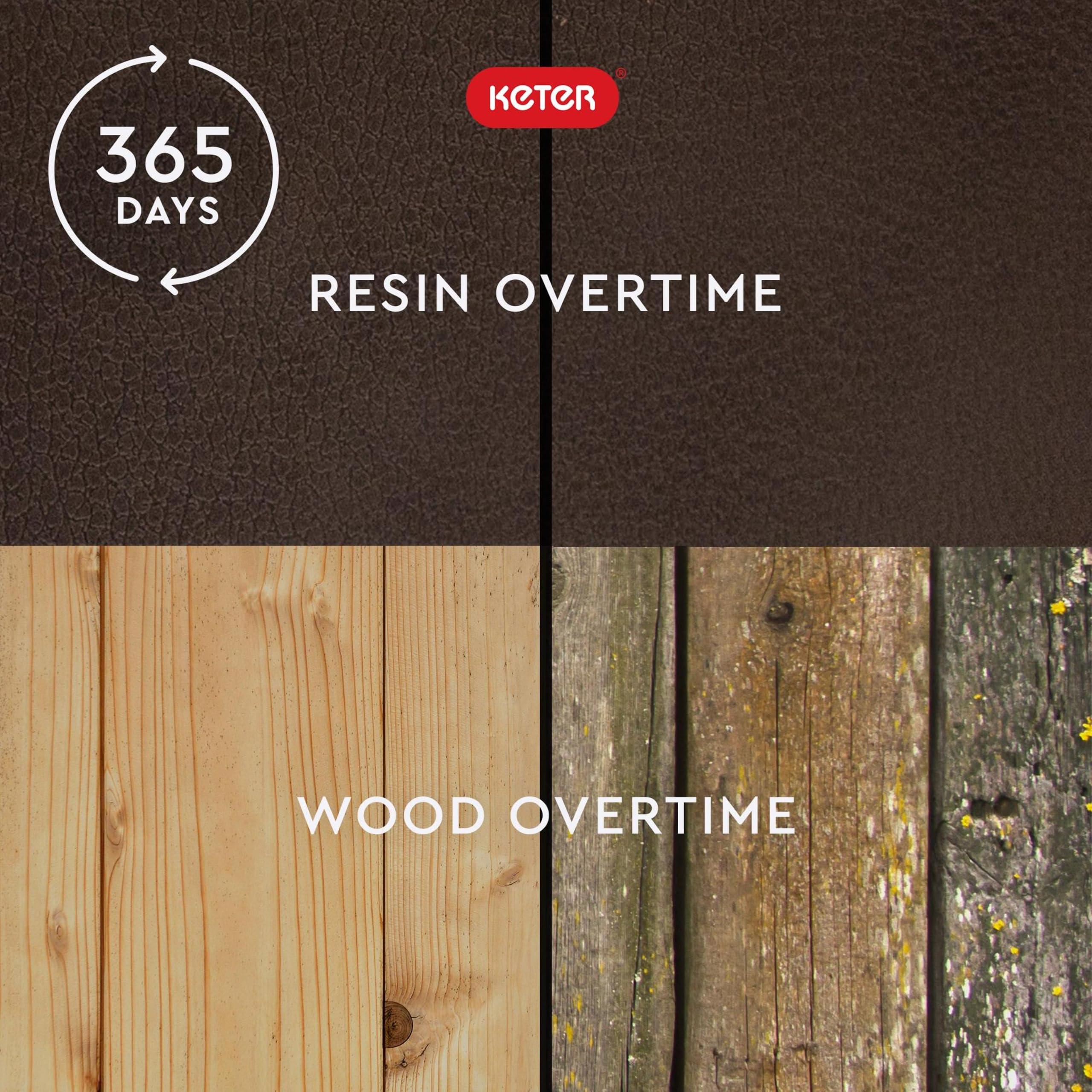
If you have ever tripped over scattered pool noodles or watched your patio cushions get soaked in a surprise rainstorm, the Keter Westwood deck box is the kind of upgrade that pays for itself in one season. The wood-plank texture gives it a surprisingly upscale look for a resin piece, and it reads more like a designed bench than a plastic storage bin when placed against your deck railing.
In everyday use, it earns its keep in multiple ways. The hydraulic pistons lift the lid smoothly so you can toss in cushions with one hand, and the flat top is sturdy enough to serve as extra seating for two adults at a backyard gathering. Inside, the dry and ventilated space keeps mildew at bay, so your soft goods come out fresh instead of musty.
If you want the warmth of real-wood deck storage without the staining, warping, and fading, this one delivers.
Styles it works with: Modern Farmhouse, Transitional, Coastal, Rustic
Best placed in: patio corner, deck edge, poolside or garden shed area
May not suit: small balconies or compact patios where 61 inches of length feels overpowering, or homes wanting a true natural-wood aesthetic up close
Buy it if:
- You need to store large patio cushions, pool floats, or garden tools in one weatherproof spot
- You want storage that doubles as comfortable seating for two adults at outdoor gatherings
- You like the wood-plank look but do not want the upkeep of real wood
Consider waiting if:
- You need a specific color beyond dark grey to match your existing patio furniture
Skip it if:
- Your patio or balcony is too small for a 61-inch-long unit
- You need heavy-duty security for high-value items, since the resin walls are not impact-proof
Check the latest price and availability on Anthropic before it sells out.

Pros
- Lockable storage keeps expensive outdoor cushions and equipment secure
- Resin construction requires zero maintenance compared to wood deck boxes
- Hydraulic lid prevents slamming and makes access easy even with full hands
- Realistic wood texture blends with outdoor furniture better than plain plastic bins
- Rated for all-weather use including snow and direct sun exposure
Cons
- Assembly required and some buyers report instructions could be clearer
- At $189 it costs more than basic plastic storage bins
- No reviews yet on Amazon so long-term durability is unverified
This storage box solves one of the most annoying parts of outdoor living: where to stash all those cushions, pool toys, and gardening tools without turning your patio into a cluttered mess. The Keter Westwood gives you a dedicated home for everything while looking like a proper piece of outdoor furniture, not a plastic bin.
The wood-plank texture is convincing enough that guests won't realize it's resin until they touch it. And unlike real wood, you'll never spend a weekend sanding and re-staining it. The hydraulic lift is the kind of detail that makes daily use pleasant rather than a chore, especially when you're juggling armfuls of cushions before a rainstorm.
If you want lockable outdoor storage that looks intentional in your backyard without committing to wood furniture maintenance, this one delivers.
Styles it works with: Modern Farmhouse, Coastal, Transitional, Traditional Outdoor
Best placed in: Beside pool or hot tub for towel and toy storage, on covered patio as a coffee table alternative, along deck railing as a serving station during parties, in garden shed entryway for tool access
May not suit: Small apartment balconies where the 55-inch length overwhelms the space, homes needing mobility since it weighs 53 pounds when empty, buyers wanting a color other than brown wood-look
Buy it if:
- You're tired of dragging patio cushions inside every time it rains
- You need extra seating during summer parties but don't want more chairs taking up space year-round
- You want outdoor storage that doesn't look like a cheap plastic tote
Consider waiting if:
- You want to see verified buyer reviews accumulate before committing at this price point
Skip it if:
- You need something under 50 inches long for a compact balcony
- You require a different color to match existing outdoor furniture
Check the latest price and availability on Amazon before it sells out.
The Two-Minute Seat Check
Check the grip first. Set a cushion on the chair and give it a firm forward shove. If it slides off with almost no effort, it’ll slide off when you sit, and a non-slip pad underneath is step one.
Next, look for anchor points. See whether each cushion actually ties or straps to the frame, and route the ties around the rear rail so the cushion can’t creep forward. No ties means nothing’s holding it.
Then check the fit. Measure the seat and the cushion, and swap any cushion that overhangs by more than an inch or two. Grip, ties, fit. Cover those three and the cushions stay where you put them.
What to Try Before Buying All New Cushions
Start with grip pads, not replacements. A few dollars of non-slip matting under existing cushions often holds them through everyday use, and it’s the cheapest thing to try first. Cheap grip beats a new set.
Add ties or straps next. Adhesive hook-and-loop or a length of bungee cord anchors your current cushions to the frame without spending much, and routing them around the back rail stops the forward creep. Small hardware, big difference.
Then measure before you buy. Apartment Therapy’s outdoor-living advice stresses matching pieces to the actual space, and a cushion sized to the seat within an inch solves what grip and ties can’t. Get the fit right and even older cushions stay put.
When It’s the Chair, Not the Cushion
Sometimes the cushion is fine and the seat is the issue. A deeply curved or heavily sloped chair seat pitches the cushion forward no matter how well it grips, because gravity is working against you the whole time. Sloped seat, constant slide.
Look at the seat angle. If the chair tilts noticeably toward the front, the cushion needs a real anchor, not just friction, so tie it to the rear rail and let the tabs carry the load. Anchored beats gripped on a sloped seat.
The ASTM weatherability standards manufacturers cite cover how materials survive sun and rain, but seat geometry is on you to work around. A flatter chair, a wedge cushion, or a firm rear tie all help. Fix the seat’s angle and the cushion finally stays home.
Frequently Asked Questions
How do I stop my patio cushions from sliding off the chairs?
Hit it three ways: add non-slip grip underneath, tie or strap each cushion to the rear chair rail, and match the cushion size to the seat within an inch. Route ties around the back rail so cushions can’t creep forward. A flush-fitting, gripped cushion barely moves.
What can I put under cushions to keep them from sliding?
Outdoor rug gripper, non-slip shelf liner, or hook-and-loop strips between the cushion and the seat all add friction. Friction is the first thing a shove has to beat, so even a cheap grip pad noticeably cuts how far a cushion slides when you sit.
What size cushion fits a standard patio chair?
Most standard patio chair seats run about 18 to 20 inches square, so a cushion near 19 by 19 inches sits flush with no overhang. Avoid cushions that hang over the front by more than an inch or two, since that overhang is what tips forward when you sit down.
Do heavier cushions slide less?
Yes. A denser, waterproof cushion around 3 inches thick carries more weight and grips the seat better than a thin, slick pad. Waterproof foam also stays heavier because it doesn’t soak up rain and then dry out into a lightweight cushion that skates at the first touch.
Should I tie cushions to the chair frame?
If they keep sliding, yes. Looping the cushion’s tie tabs or a short bungee around the rear chair rail anchors the seat so leaning back can’t push it off. It’s the surest fix for slick sling and resin seats that give a cushion nothing to grip on its own.
Bottom Line
Patio cushions slide off for three reasons: the backing has no grip, nothing ties them to the frame, and the size doesn’t match the seat. Add grip underneath, anchor them to the rear rail, and fit the cushion to the chair, and they stay put. The IASEAHK waterproof cushion set is the first upgrade to make because its 19 by 19 by 3 inch size fits standard seats flush and carries real weight, and a Keter deck box handles storage between uses. If the seat itself slopes forward, anchor the cushion before you blame it.
Write Your Review
No reviews yet. Be the first to share your experience!