

> Editorial Note: I’m Hannah Lin, an Interior Living Researcher who’s spent 9+ years analyzing the home furniture market. This guide draws on BIFMA, GREENGUARD, and FSC certifications, plus owner reviews aggregated from Wirecutter, Apartment Therapy, and the major home design subreddits.
They hang an awkward few inches above the floor, and the whole window looks like it’s wearing high-waters. Short curtains are rarely the fabric’s fault. Usually the rod sits too low, the panel length was measured wrong, or the standard size just doesn’t fit your ceiling. Each has a different fix, and a couple cost nothing. For related window calls, compare best curtains for living room, why do my curtains let light in, how to hang curtains, best blackout curtains, and best rugs for living room.
Apartment Therapy and Architectural Digest both come back to the same rule: curtains should nearly touch the floor. The gap that makes a room feel short is almost always about mounting height and length math, not the drapes themselves.
Fix 1: The Rod That’s Mounted Too Low
The most common reason curtains look short is a rod hung just above the window frame. Standard panels are cut for a rod mounted higher, so when the rod sits low, the fabric ends well above the floor. The window looks stunted even with correctly sized panels.
The design rule is to mount the rod 4 to 6 inches above the frame, or higher toward the ceiling for a taller look. Then choose panel length to match that height. Raising the rod draws the eye up and makes both the window and the ceiling feel bigger.
Measure from where the rod will sit down to the floor before you buy. That number, not the window height, is your panel length. Most people measure the window and end up short by the exact height of the mounting gap.
Raise the rod first. It’s free, and it fixes more than you’d expect.
Fix 2: The Length You Measured From the Wrong Spot
Panel length gets measured from the wrong point constantly. People measure the glass or the frame instead of the rod-to-floor distance, then the finished curtains land inches high. The header, rings, or grommets also add or subtract height depending on the style.
Measure from the top of the rod (or the bottom of the ring/clip, if you use those) straight down to the floor. Standard panel lengths are 84, 96, and 108 inches, so match the closest length to your measurement and round up, never down. A 90-inch drop needs a 96-inch panel, not an 84.
Header style shifts the math. Grommet and rod-pocket panels hang from near the rod, so their full length shows. Ring-clip panels lose an inch or two to the clip drop, so measure from the clip. Small detail, visible result.
Round up and adjust down. You can’t add fabric that isn’t there.
Fix 3: The High-Water Gap Above the Floor
Curtains that stop several inches above the floor read as too short even when nothing’s technically wrong. The eye wants drapes to reach the floor, either just kissing it or breaking slightly. A visible gap between hem and floor is what makes a room feel unfinished.
Aim for the hem to sit within 0.5 inch of the floor for a clean look, or puddle 1 to 2 inches for a softer one. Anything more than an inch of gap starts to look like high-waters. Standard 84-inch panels often leave that gap in rooms with 9-foot ceilings.
If the panels are close but slightly high, lower the rod a touch or switch to ring clips that drop the hem. If they’re far short, the length is wrong and needs replacing, not adjusting. Know which situation you’re in before shopping.
The floor is the finish line. Curtains should reach it.
Fix 4: The Standard Size That Doesn’t Fit Your Ceiling
Sometimes the room is the issue. Taller-than-standard ceilings, 9 and 10 feet, make ordinary 84-inch panels look short no matter how you hang them. The panel simply wasn’t cut for that wall height.
For a 9-foot ceiling, 96-inch panels are usually the right call; for 10 feet, go to 108 or longer. If you’re mounting near the ceiling for drama, add the extra height into your length. Extra-long velvet and linen panels exist specifically for these rooms, and they cut light and noise better because of the added fabric mass.
Rentals with high ceilings are the classic trap. The builder-standard rod height plus a short panel guarantees the high-water look. Longer panels and a higher rod solve it together.
Match the length to the wall, not to what’s on the nearest shelf.
Fix 5: The Longer Panels That Finish the Wall
When the fix is new panels, buy for the drop you measured and the look you want. A panel that reaches the floor makes the ceiling feel higher and the window feel intentional. This is the change that turns a short-looking window into a designed one.
For most 9-foot rooms, a 96-inch panel mounted high lands right; for standard 8-foot rooms, measure your rod-to-floor drop and match it. Choose SimpleHome for an 84-inch 100% blackout panel in standard-ceiling rooms; pick ASPMIZ cotton-linen for a longer farmhouse drop with a relaxed, textured hem; use RYB HOME velvet at 96 inches for high ceilings where you want weight, length, and light control together.

SimpleHome 100% Blackout Curtains 52x84 Inch Cream Thermal Grommet Drapes for Bedroom & Living Room, 2 Panels
Pros
- True 100% blackout performance from triple-weave fabric, not just marketed as room darkening
- Lightweight despite the heavy-weave construction, so panels hang evenly without dragging on the rod
- Grommets fit standard 1.6-inch rods and allow smooth, easy glide when opening and closing
- Wide size range across widths and lengths covers most residential windows including taller walls
- Machine washable with simple cold-water care instructions that hold up over repeated washes
Cons
- Cream color may show dust and light smudges more visibly than darker shades, requiring more frequent washing
- Single hang style means no option for pinch pleat or rod pocket if you prefer a more formal drape look
- Polyester fabric can feel slightly synthetic compared to linen or cotton blends, which may not suit buyers wanting a more textured, organic aesthetic
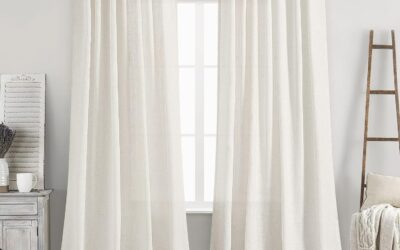
Finding a curtain that actually does what it promises at under $25 for two panels is genuinely rare. The SimpleHome Blackout Curtains earn that claim honestly: the triple-weave construction blocks light completely rather than just dimming it, which makes a real difference when you are trying to sleep past sunrise or create a dark environment for a midday nap or movie.
The cream colorway is one of the smarter choices in this set. It reads warm and soft in person, works as a neutral backdrop in rooms with bold furniture, and avoids the cold, institutional feel that plain white curtains can sometimes bring. The silver grommets add a subtle modern detail that keeps the look polished without being fussy.
Day to day, these curtains are low maintenance in the best way: they slide easily on the rod, go straight into the washing machine when needed, and come out looking neat. If you want complete light control without paying three times the price or sacrificing a clean, room-ready look, this one delivers.
Styles it works with: Modern Minimalist, Scandinavian, Contemporary, and Transitional interiors where clean lines and neutral tones are the foundation.
Best placed in: Primary bedroom windows where light control and sleep quality matter most, living room windows facing east or west where afternoon glare is a problem, and home offices that double as media rooms.
May not suit: Rooms with ornate or traditional decor where a rod-pocket or pinch-pleat style would look more at home. Also less ideal for very large picture windows exceeding 62 inches wide, as you may need to layer multiple panels for full coverage.
Buy it if:
- You need genuine 100% blackout performance for a bedroom and do not want to spend $60 or more for a name brand with the same result
- You are outfitting multiple rooms or windows at once and need a consistent, neutral look across the home without blowing your budget
- You work night shifts or have young children who need to nap during daylight hours and require reliable, total darkness in the room
Consider waiting if:
- You have a specific custom size or a less common color outside of the 10 available options, and want to see if the brand expands its range
Skip it if:
- You prefer natural fiber curtains like linen or cotton and find the feel and drape of polyester a dealbreaker for your space
- Your existing decor calls for a formal pleated or tab-top curtain style that the grommet design cannot replicate
Check the latest price and availability on Amazon before it sells out.

ASPMIZ Cotton Linen Farmhouse Curtains with Buttons - Brown Stripe Boho Drapes, 52x84 Inch, 2 Panels for Living Room
Pros
- High-quality cotton linen fabric feels substantial and looks more expensive than the price
- Versatile 2-in-1 hanging system works with standard rods and offers styling flexibility
- Strong 4.7-star rating across 931 reviews indicates consistent customer satisfaction
- Neutral brown stripe design works with farmhouse, boho, rustic, and transitional interiors
- Easy care with machine washing saves time and dry cleaning costs
Cons
- Light filtering fabric provides privacy but won't block out early morning sun or streetlights for bedrooms needing complete darkness
- Cotton linen material may wrinkle more than synthetic blends and require steaming after washing
- Limited to 2.4-inch rod diameter may not fit oversized decorative curtain rods
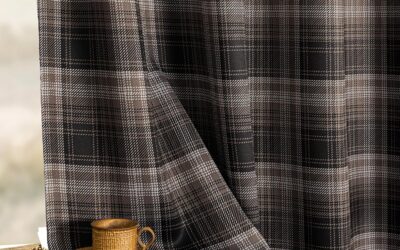
These ASPMIZ curtains hit that sweet spot between farmhouse charm and everyday practicality. The cotton linen fabric has real weight and texture, not the flimsy synthetic feel you sometimes get at this price point. Those eight brown buttons on each panel are the standout detail, adding a handcrafted touch that makes your windows look intentionally styled rather than just covered.
What makes these work in real homes is the light filtering quality. They soften bright afternoon sun and give you privacy during the day without making your living room feel like a cave. The neutral brown stripe is genuinely versatile, playing nice with warm woods, white walls, or colorful accent pieces. The dual hanging system is a nice practical touch, letting you switch between a more structured pleated look or loose, casual draping depending on your mood.
If you want farmhouse window style that feels collected over time without spending custom boutique prices, this one delivers.
Styles it works with: Modern Farmhouse, Boho, Rustic, Transitional, Cottage Core
Best placed in: Living room windows, dining room, home office, bedroom (if you don't need blackout), sunroom or enclosed porch
May not suit: Ultra-modern minimalist spaces that need clean lines without texture, bedrooms requiring complete light blocking for shift workers or light-sensitive sleepers, very small windows under 40 inches where the 52-inch width would overwhelm the space
Buy it if:
- You're updating to farmhouse or boho style and want cohesive window treatments that don't break the budget
- You need daytime privacy in a living room or dining room but still want natural light to flow through
- You appreciate decorative details like buttons and texture that add visual interest to neutral spaces
Consider waiting if:
- You need a different length (63-inch or 96-inch options) to properly fit your window height
- You're hoping for a sale price, though $39.99 for two panels is already competitive for cotton linen curtains
Skip it if:
- You need true blackout curtains for a bedroom where light control is essential for sleep quality
- Your decor leans ultra-modern, industrial, or minimalist where textured fabric and button details would clash
Check the latest price and availability on Amazon before it sells out.

RYB HOME Velvet Blackout Curtains 96 inch, Navy Blue, Thermal Insulated Noise Reducing Panels, 2 Pack W52 x L96
Pros
- Plush, heavyweight velvet with a rich vertical drape that looks high-end
- Flexible hanging with rod pocket or back tab options
- Effective thermal insulation and noise reduction
- Generous 96 inch length suits tall windows and floor-to-ceiling looks
Cons
- Blocks only 65 to 85 percent of light, so it is not true blackout for very bright rooms
- Heavy velvet may arrive creased and needs steaming or ironing from the back
- Velvet attracts lint and dust, requiring occasional cleaning
There is something about heavyweight velvet that makes a room feel finished, and these navy panels deliver exactly that. The fabric has real weight to it, so it hangs in those clean vertical folds that read as elegant rather than flimsy. In a living room or bedroom, the deep navy reads rich and grounding, the kind of color that anchors a space without overwhelming it.
Day to day, these earn their keep. They knock back 65 to 85 percent of light for easier naps and glare-free TV time, add a layer of insulation that helps with both summer heat and winter chill, and soften ambient noise so the room feels calmer. The dual rod pocket and back tab options mean you can hang them however your rods are set up.
If you want a plush, formal velvet look with genuine warmth and privacy benefits without paying premium drapery prices, this one delivers.
Styles it works with: Modern Glam, Traditional, Mid-Century Modern, Moody Maximalist
Best placed in: Living room windows, beside the bed, behind a party or photo backdrop
May not suit: Bright bedrooms that need true 100 percent blackout, or casual minimalist spaces where heavy velvet may feel too formal
Buy it if:
- You want a luxe velvet look that elevates a living room or bedroom on a modest budget
- You need added insulation and noise reduction for a cozier, quieter space
- You have tall windows and want a floor-to-ceiling 96 inch drop
Consider waiting if:
- You want a different color or a width that better matches your window measurements
Skip it if:
- You need 100 percent blackout for a nursery or shift-worker bedroom, since these only block up to 85 percent of light
Check the latest price and availability on Amazon before it sells out.
What Not to Do
Don’t hem short panels shorter to hide the problem. Cutting length off makes the high-water look permanent. If anything, you want more drop, not less.
Don’t hang the rod even lower to close the floor gap. A low rod fixes the hem but shrinks the whole window and makes the room feel shorter. Raise the rod and lengthen the panels instead.
Don’t ignore header style when ordering. A grommet panel and a ring-clip panel of the same stated length hang at different heights. Measure for your actual header, or you’ll end up short again.
Don’t split the difference on length either. When your rod-to-floor drop falls between two standard sizes, always size up. A 96-inch panel can be hemmed or clipped to hang at 90 inches, but an 84-inch panel can never reach the floor in that same room. Extra length is adjustable; missing length isn’t.
Frequently Asked Questions
How long should curtains be so they don’t look too short?
The hem should reach within 0.5 inch of the floor, or puddle 1 to 2 inches for a softer look. Measure from the top of the rod to the floor, then round up to the nearest standard length: 84, 96, or 108 inches. A gap over an inch reads as high-waters.
Why do my curtains look short even though they fit the window?
The rod is probably mounted too low. Standard panels are cut for a rod hung 4 to 6 inches above the frame or higher. Mounted just above the window, the fabric ends well off the floor. Raising the rod and matching the panel length fixes it.
What curtain length do I need for 9-foot ceilings?
96-inch panels for a 9-foot ceiling, and 108 inches or longer for 10 feet. Standard 84-inch panels look short in tall rooms no matter how you hang them. Mount the rod high and add that height into your rod-to-floor measurement before buying.
Can I fix short curtains without buying new ones?
Sometimes. If they’re only slightly high, lower the rod a touch or switch to ring clips that drop the hem an inch or two. If they land several inches off the floor, the length is wrong and needs replacing. You can’t add fabric that isn’t there.
Should curtains touch the floor or hang above it?
They should reach the floor. Aim for a 0.5-inch clearance for a crisp look or a 1 to 2 inch puddle for a soft one. Curtains hung well above the floor read as too short, which is the most common look designers try to avoid.
Bottom Line
Short-looking curtains are almost always a mounting-height and length-math problem, not a fabric flaw, so raise the rod and measure rod-to-floor before you shop. When you do need new panels, the RYB HOME velvet at 96 inches is the one most people with 9-foot ceilings should choose because the length and weight finish the wall. For standard rooms, the SimpleHome 84-inch panel fits. Reach the floor, and the window stops looking short.




Write Your Review
No reviews yet. Be the first to share your experience!