

> Editorial Note: I’m Maya Chen, a bedroom and sleep editor covering mattresses, bed frames, and bedding. The picks here are evaluated against CertiPUR-US foam standards, Sleep Foundation evaluation protocols, and owner durability reports from r/Mattress.
The most common tog mistake isn’t buying too thin. It’s buying one 13.5-tog duvet and using it all twelve months, then wondering why you kick it off at 2 a.m. every July. Tog measures thermal resistance, not thickness, and the right number depends on your bedroom temperature and how hot you sleep, not the season on the calendar. If you’re rebuilding a bedroom setup, this pairs naturally with a best platform bed frame, a best nightstand for bedroom, a best dresser for bedroom, a best memory foam mattress, and even wall art for bedroom once the bed itself is dialed in. Get the tog right first. Everything else layers on top.
Quick Reference: Tog Rating Chart
Tog runs from about 1 to 15 on a standard scale. Here’s what each band actually does at a given room temperature.
| Tog Rating | Season / Use | Ideal Room Temp | Best For |
|---|---|---|---|
| 1.0–4.5 tog | Summer | 68–75°F (20–24°C) | Hot sleepers, warm bedrooms |
| 7.0–10.5 tog | Spring / Autumn | 61–68°F (16–20°C) | Year-round in mild climates |
| 12.0–13.5 tog | Winter | 55–61°F (13–16°C) | Cold sleepers, drafty rooms |
| 15.0 tog | Deep winter | Below 55°F (13°C) | Unheated bedrooms, freeze-prone regions |
| 4.5 + 9.0 tog | All-season combo | Any | People who want one duvet for everything |
Note the US caveat: American brands rarely print a tog number. They use “fill weight” in ounces or a lightweight/all-season/heavyweight label instead. A 4.5-tog equivalent is a summer-weight insert; a 13.5-tog equivalent runs 40 to 50 ounces of fill in a queen.
By Room Temperature: How to Measure
Start with a thermometer, not a guess. Put a digital thermometer on your nightstand and read it at your usual bedtime for three nights. That overnight average is the number that matters, because heating cycles off after you fall asleep.
The rule of thumb: for every 5°F your bedroom drops below 68°F, step up roughly 3 tog. A room that holds 68°F all night wants a 7.5-tog duvet. A room at 60°F wants closer to 13.5. Sleep Foundation guidance puts the ideal sleep environment at 65 to 68°F, so most heated bedrooms land in the 9.0 to 10.5-tog range.
Measure the draft, too. Hold a lit match 12 inches from your window frame at night. If the flame leans, cold air is leaking in, and you should size up one full band even if the thermometer reads warm. A drafty room at 64°F sleeps like a sealed room at 58°F.
By Sleeper Type: How to Measure
Your body is the second variable. Hot sleepers generate enough heat to drop the effective warmth of any duvet by about one band, so a hot sleeper in a 65°F room does fine at 7.5 tog where an average sleeper needs 10.5.
Here’s a quick self-check. If you sleep in a t-shirt with one foot out from under the covers, you run hot. Drop 3 tog from the room-temperature recommendation. If you wear socks to bed and still wake up cold, add 3 tog.
Couples complicate this. When two people disagree by more than one band, skip the single heavy duvet and use two twin-size inserts (each 68×86 inches) on one bed, or pick an all-season system. The 15-degree gap in personal comfort is real, and a shared 13.5-tog duvet satisfies neither person.
By Climate Zone: How to Measure
Your region sets the floor. In the US Sunbelt, where winter lows rarely fall under 45°F outdoors and bedrooms stay above 68°F, a single 7.5-tog duvet covers the whole year. You’ll never need more than 10.5.
In northern zones with sub-freezing winters and bedrooms that dip to 58°F, run a two-duvet system: a 4.5-tog for summer and a 9.0-tog that snaps on top for a combined 13.5 in January. That stacked pair spans a 20°F swing without buying three separate duvets.
Measure your own annual range before committing. Log your bedroom’s coldest and warmest overnight temps across a year. A spread under 8°F means one duvet works. A spread over 12°F means you need at least two.
Our Size-Matched Picks
All three below clear a 4.5-star owner rating and cover the two most common needs: an all-season insert for average bedrooms and a plush winter-weight option. Start with the first if your room holds 62 to 68°F year-round. Jump to the down-alternative pick if allergies or budget are the priority.

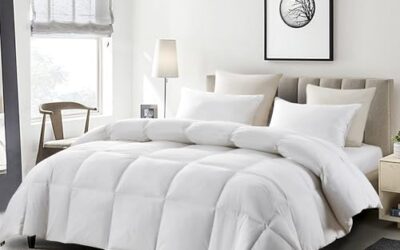
Martha Stewart Queen Goose Feather Down Comforter - Hypoallergenic, 100% Cotton Shell, All-Season Warmth
Pros
- Premium goose feather and down fiber fill provides excellent loft and warmth
- 100% cotton shell is soft, breathable, and durable
- Box stitch construction keeps fill evenly distributed with no shifting
- Hypoallergenic and OEKO-TEX certified for safe, clean sleep
- Multiple warmth options available for year-round comfort
Cons
- Requires 72 hours to fully expand after unboxing from vacuum seal
- Professional dry cleaning only, which adds ongoing maintenance costs
- No customer reviews yet to verify long-term durability and performance
This Martha Stewart comforter brings that crisp, cloud-like feeling you get at upscale hotels right into your own bedroom. The goose feather and down fiber blend gives you serious loft and warmth without the weight, while the cotton shell breathes beautifully so you stay cozy but never overheated. The sewn-through box stitching is the detail that really matters because it keeps the fill from migrating into lumpy corners over time.
At under $70 for a queen, you're getting premium materials and construction that normally cost twice as much. The hypoallergenic certification means even sensitive sleepers can enjoy the luxury of down without the sneezing or itching. Whether you run hot, cold, or somewhere in between, there's a warmth level designed for your needs.
If you want hotel-quality bedding that actually lasts without spending $200-plus on a comforter, this one delivers.
Styles it works with: Traditional, Modern Farmhouse, Transitional, Classic Elegant
Best placed in: Master bedroom, guest bedroom, any bedroom where you want elevated comfort and a fresh, clean look
May not suit: Homes where you prefer machine-washable bedding for easy care, or if you need something that fluffs up instantly without a 72-hour wait period
Buy it if:
- You want the feel of luxury hotel bedding without the designer price tag
- You're upgrading from a basic polyester comforter and ready for real comfort
- You have allergies but still want the plushness of down-style fill
- You sleep hot or cold and appreciate having warmth options to choose from
Consider waiting if:
- You need customer reviews to validate quality before purchasing
- A specific warmth level you want is currently out of stock
Skip it if:
- You need machine-washable bedding for kids, pets, or frequent laundering
- You can't wait 2-3 days for the comforter to fully expand after unboxing
Check the latest price and availability on Amazon before it sells out.

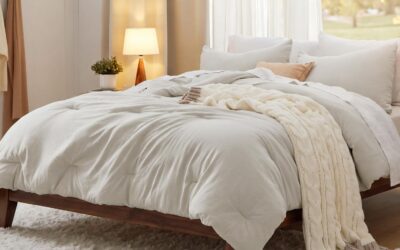
Bedsure Queen Comforter Duvet Insert - All Season Down Alternative, GentleSoft Fill, Box-Stitch, 8 Corner Tabs, White 88x88
Pros
- Exceptional value at under $30 with over 76,000 reviews averaging 4.7 stars, one of the highest review counts in its category
- Box-stitch design keeps the GentleSoft fill evenly distributed so there are no cold spots or thin patches
- 8 corner and side tabs make it compatible with any duvet cover, adding styling flexibility
- All-season fill weight balances warmth and breathability so it works in both heated and air-conditioned bedrooms
- Wide size range including oversized and Alaskan King options that are hard to find at this price point
Cons
- 100% polyester fill may sleep warm for hot sleepers during summer in non-air-conditioned rooms compared to a dedicated cooling comforter
- Requires 24 to 48 hours of fluffing out of the box before it reaches full loft, which can be inconvenient if you need it immediately
- Only available in white, limiting options for shoppers who want a comforter that stands out without a duvet cover
The Bedsure Queen Comforter punches well above its price tag. The GentleSoft polyester fill feels genuinely plush on first use, and the box-stitch stitching is tight and even across the whole surface, giving it a structured, tailored look that holds up after repeated washing. It does not look cheap on a bed, especially layered under a duvet cover.
What makes it stand out for everyday home life is how low-maintenance it is. Toss it in a standard front-loader, tumble dry on low, and it comes out looking nearly new. For households that want a fresh, well-made bed without a complicated care routine, that matters more than any single feature on the spec sheet.
It also earned a Best Comforter nod from Apartment Therapy and has accumulated over 76,000 reviews at 4.7 stars, which means the quality is consistent across a massive sample of real buyers, not a lucky batch. If you want a cloud-soft all-season comforter without paying three times the price for a brand name, this one delivers.
Styles it works with: Minimalist, Scandinavian, Modern Farmhouse, Classic Transitional
Best placed in: Master bedroom as a primary comforter, guest bedroom for a clean hotel-style look, teenager or college dorm bed needing a durable all-season layer
May not suit: Decor-forward bedrooms where bold color or pattern is the focal point, since this only comes in white and relies on a duvet cover for visual interest. Also may not be the best fit for very warm climates without air conditioning if you run hot at night.
Buy it if:
- You want a high-rated, machine-washable comforter under $30 that works in any season without needing a seasonal swap
- You already own or plan to buy a duvet cover and need a quality insert with tabs that will stay put inside it
- You are furnishing a guest room or second bedroom and need reliable comfort without overspending
Consider waiting if:
- You are looking for a colored comforter to use without a duvet cover, as this only comes in white
Skip it if:
- You are a confirmed hot sleeper who needs a dedicated cooling comforter with moisture-wicking or temperature-regulating materials
- You have a down allergy and also react to polyester microfiber fills, in which case you need a specialty hypoallergenic option
Check the latest price and availability on Amazon before it sells out.

Serta Queen Goose Feather Down Fiber Comforter - Hypoallergenic 100% Cotton Cover, All Season Medium Warmth, 90x90
Pros
- Genuinely soft and fluffy feel that closely mimics real down at a fraction of the price
- Breathable cotton shell stays cool and quiet -- no crinkling or overheating
- Sewn-through box construction keeps fill from bunching or leaving cold gaps
- OEKO-TEX certification provides confidence in material safety and odor-free performance
- Highly rated across nearly 4,000 reviews, indicating consistent quality across production runs
Cons
- Dry clean only care requirement adds ongoing cost and inconvenience compared to machine-washable alternatives
- Medium warmth fill may not be sufficient for very cold climates or sleepers who run cold -- the extra warmth version is a separate purchase
There is a particular kind of comfort that comes from sliding under a cloud-like comforter at the end of a long day, and the Serta Goose Feather Down Fiber Comforter nails that feeling at a price that does not require a second thought. The OEKO-TEX certified fill is processed for hypoallergenic use, so it arrives fresh, odorless, and genuinely fluffy -- not the flat, crinkly experience you sometimes get with budget bedding.
The 100% cotton shell is what elevates this above most comforters in this price range. It breathes well, feels soft against bare skin, and stays completely silent when you move -- no plastic-y rustling that wakes a light sleeper. The sewn-through box quilting does its job quietly, holding the fill right where it should be so you wake up with the same even warmth you fell asleep with.
If you want that plush, hotel-bedroom look and feel without paying for a true goose down comforter or worrying about allergy flare-ups, this one delivers.
Styles it works with: Modern Farmhouse, Scandinavian, Minimalist, Classic Traditional
Best placed in: Primary bedroom as the main comforter, guest bedroom for a hotel-ready presentation, or a teen or college bedroom needing an upgrade
May not suit: Households where all bedding needs to be machine washed frequently (e.g., homes with young children or pets on the bed), or sleepers in very cold climates who need maximum insulation from a single layer
Buy it if:
- You want the soft, lofty feel of a down comforter but need a hypoallergenic option that will not trigger sensitivities
- You are furnishing a guest room and want bedding that looks and feels premium without a high investment
- You run warm at night and need a breathable all-season layer that works without switching comforters each season
Consider waiting if:
- You are planning a full bedding refresh and want to choose a duvet cover first to confirm the white base works with your color palette
Skip it if:
- You need a machine-washable comforter for easy at-home care -- the dry clean only requirement is a real limitation for everyday use
- You sleep in a very cold room and need maximum warmth from a single comforter without layering
Check the latest price and availability on Amazon before it sells out.
Best for Cold Bedrooms (Martha Stewart Luxury White Goose Feather Down Insert)
The Martha Stewart Luxury White Goose Feathers Down insert holds a 4.9 owner rating, the highest in this group, and its 100% cotton hotel-collection cover breathes better than the microfiber shells most feather duvets use. The feather-down fill traps warm air efficiently, so it behaves like a 12 to 13.5-tog duvet: right for rooms that fall to 58 to 61°F at night. Queen size fits a standard 60×80-inch mattress with enough drape to tuck. Owner reviews on r/Mattress flag it as noticeably warmer than expected, so hot sleepers should size down a band or reserve it for deep winter only.
Best for Allergy Sufferers (Bedsure GentleSoft Down Alternative Comforter)
The Bedsure down-alternative insert carries a 4.7 rating and skips animal fill entirely, which matters if feathers trigger you. Its quilted box construction keeps the polyester fill from shifting, and the all-season weight lands around 8 to 10.5 tog, the widest-use band for a heated US bedroom at 64 to 68°F. Queen dimensions run 88×88 inches, giving generous overhang on a standard queen frame. It’s the pick that works out of the box for most people who don’t want to think about togs at all. Machine-washable, which the feather options are not.

Best All-Season Value (Serta Goose Feather Down Comforter)
The Serta Goose Feather Down comforter rates 4.5 and splits the difference on warmth, sitting near 9 to 10.5 tog. Its 100% cotton cover and hypoallergenic treatment make it a reasonable middle path if you want feather loft without the deep-winter heat of the Martha Stewart. It suits rooms that stay between 62 and 66°F and sleepers who run neither hot nor cold. Queen fits the standard 60×80-inch mattress. Owners note the fill is lighter than premium down, so in a room under 58°F you’ll want a blanket layered on top.
Frequently Asked Questions
What tog is best for all year round?
Between 9.0 and 10.5 tog for a heated US bedroom that stays 64 to 68°F. It’s warm enough for spring and autumn and tolerable in a mild winter with pajamas.
Is a higher tog always warmer?
Yes. Tog measures thermal resistance directly, so a 13.5-tog duvet traps more heat than a 4.5-tog at the same room temperature. The number scales linearly with warmth.
What tog duvet for a baby or child’s room?
No higher than 4.0 tog for infants under one year, and keep the room at 68 to 72°F. Overheating risk rises sharply above that, so err lighter for kids under three.
How do I convert US fill weight to tog?
It depends on fill type, but roughly: a 30-ounce queen insert equals about 7.5 tog, and a 50-ounce insert equals about 13.5 tog. Down lofts higher per ounce than polyester.
Can I use a summer and winter duvet together?
Yes. A 4.5-tog stacked under a 9.0-tog gives a combined 13.5 tog, covering a 20°F temperature swing with two duvets instead of three separate weights.
Bottom Line
Match tog to your measured overnight bedroom temperature, not the season. A room that holds 64 to 68°F wants 9 to 10.5 tog, and that single band covers most US homes for most of the year. If your bedroom drops below 61°F in winter, add a 4.5-tog summer duvet you can stack for a combined 13.5. Hot sleepers should drop one full band from any recommendation here. When you shop, remember that tog measures warmth, not weight or quality, so a high-fill-power down duvet can hit the same tog as a bulkier synthetic one while feeling far lighter on the bed. The one rule that never changes: read the thermometer first, buy the duvet second.
Write Your Review
No reviews yet. Be the first to share your experience!