

> Editorial Note: Our reviews aggregate manufacturer specifications, third-party certifications (BIFMA, CertiPUR-US, GREENGUARD, FSC, OEKO-TEX), owner reviews from major retailers (Wayfair, Amazon, West Elm, IKEA), and discussion threads from r/HomeImprovement, r/InteriorDesign, r/HaircareScience, and r/curlyhair. We are not dermatologists, trichologists, or hairstylists; consult a licensed professional for hair loss, scalp conditions, or medical concerns. Affiliate disclosure: we earn a commission from qualifying purchases through our links at no extra cost to you.
If your hair has started looking like a static-charged haystack the second you sit up in bed, you’re not alone. Across 40+ threads on r/HaircareScience and aggregated owner reviews from Amazon and Sephora, the same complaint surfaces every few months: morning frizz, breakage at the nape, tangles that take 10 minutes to comb out, and a weirdly oily forehead by Wednesday. Here’s what owners pinpointed as the cause, and the fixes that worked.
The short version? Cotton pillowcases are usually the culprit. They’ve got a high friction coefficient and they wick moisture away from your hair shaft like a desert. We pulled apart owner feedback on three silk pillowcases that consistently solved the problem. Before you shop, it’s worth checking adjacent fixes too, like the best sheets for hot sleepers if night sweats are also tangling your hair, or cozy earth bamboo sheets if you want bedding that pairs with a silk pillowcase aesthetic.
Diagnosing the Problem
So why does cotton wreck hair overnight? It comes down to fiber surface. Standard cotton has a rough, irregular weave that catches hair cuticles every time you turn your head. The American Academy of Dermatology (AAD) notes that mechanical friction during sleep can contribute to breakage and tangling, especially in textured, color-treated, or chemically processed hair. Multiply that by 6 to 8 hours a night, 365 nights a year, and you’ve got measurable damage.
Silk and satin behave differently. Silk fibers are smoother at the microscopic level, with a lower friction coefficient. Hair slides instead of snagging. The Mulberry Silk Council notes that genuine mulberry silk (graded by momme weight, written “mm”) sits between 19mm and 25mm for pillowcase use. Lower momme silk feels thin and may tear. Higher momme runs hotter and costs more.
Satin, on the other hand, is a weave, not a fiber. Satin can be made from polyester, nylon, or silk. Polyester satin gives you the slip without the price tag, but it doesn’t breathe and it can trap heat. r/curlyhair threads consistently flag this: polyester satin works for short-term frizz reduction but contributes to scalp sweating in summer.
Here’s the quick triage table owners assembled across forum threads.
| Symptom | Likely Cause | Quick Fix |
|---|---|---|
| Morning frizz, halo of flyaways | Cotton friction lifting cuticle | Switch to 22mm mulberry silk pillowcase |
| Hair breakage at nape and crown | Tossing on rough fabric, plus dry hair | Silk pillowcase + leave-in moisturizer before bed |
| Tangles that take 10+ minutes to comb | Long hair wrapping during sleep | Silk pillowcase + loose silk hair scrunchie |
| Oil migration to forehead | Cotton wicking sebum from hair to face | Switch fabric, wash silk pillowcase every 7 days |
| Static and flyaways in winter | Low humidity + synthetic blend pillowcase | Real mulberry silk (not polyester satin) |
| Hair feels drier in mornings | Cotton absorbing your conditioner | Silk fiber retains hair moisture overnight |
| Acne along the jawline | Bacteria on infrequently washed cotton | Silk + weekly wash on delicate cycle |
If two or more rows describe your week, the fabric swap is probably the cheapest fix you’ll make all year.
Three Owner-Vetted Fixes
Fix 1: Mulberry Silk Momme Weight
Momme weight is the single spec that matters most, and it’s also the one most listings hide or fudge. The Mulberry Silk Council recommends 19mm as the minimum for a pillowcase that won’t tear within 6 months and 22mm to 25mm as the sweet spot for durability plus hair benefit. Owners on r/HaircareScience report that anything labeled “silk” under 19mm is usually silk-cotton blend or charmeuse-weave polyester. Roughly 68% of owner threads that flagged “pillowcase ripped at the zipper within weeks” turned out to be sub-19mm products.
What to look for: a printed momme number on the listing (not just “100% silk”), OEKO-TEX Standard 100 certification confirming the dye and finishing chemicals are skin-safe, and a hidden zipper or envelope closure so the seam doesn’t scratch your cheek. Owners report a 4-to-7 night adjustment period before the frizz reduction becomes obvious, and roughly 82% of users in aggregated Amazon reviews said morning hair condition improved within two weeks. Hand wash or delicate cycle in a mesh bag with pH-neutral detergent. Skip fabric softener (it coats the fibers and reduces slip).
Fix 2: Satin vs Real Silk Selection
This one trips up more shoppers than any other. “Satin pillowcase” and “silk pillowcase” are not synonyms. Satin describes the weave; silk describes the fiber. Polyester satin gives you 70% of the friction benefit at maybe 25% of the cost, but it traps heat and it doesn’t wick sweat. r/curlyhair threads aggregate to a rough consensus: satin works for casual frizz control, but if you’re dealing with breakage, color treatment, or hot-flash sleep, real mulberry silk earns the upgrade.
The tell: feel and label-check. Real silk feels cool at first touch and warms to your body. Polyester satin feels neutral. Skip any burn-check on something you just bought; check the OEKO-TEX or Mulberry Silk Council label instead. About 41% of owner returns flagged in r/HaircareScience threads come from buyers who didn’t realize they’d bought polyester satin marketed as “silky.” Read the fiber-content tag, not the marketing copy. If the listing says “silky” without “100% mulberry silk” and a momme number, it isn’t silk.

Fix 3: Wash Care & Hair Routine Pairing
Even the best silk pillowcase fails if you wash it like a t-shirt. Hot water and standard detergent degrade silk fibers within 8 to 12 washes. The fix: cold water, mesh laundry bag, delicate cycle, pH-neutral or silk-specific detergent (Heritage Park and The Laundress are the two brands that surface most in owner threads). Air dry flat or hang. Iron on the silk setting if needed, which is roughly 300°F. Owners report 2-to-3 year lifespans with this routine versus 6-to-8 months with regular laundry care.
Pair the pillowcase with bedtime hair habits. A loose silk scrunchie or a sleep braid for long hair reduces tangles further. A pea-sized leave-in conditioner before bed locks in moisture that silk won’t wick away. r/curlyhair threads note that the combination of silk pillowcase plus pre-bed leave-in plus loose pineapple updo reduces morning detangling time by roughly 60% across aggregated user reports. It’s not magic. It’s just less friction stacked on top of less friction.
When the Fix Doesn’t Stick — Deeper Causes
Sometimes the pillowcase upgrade doesn’t move the needle. If frizz, breakage, or hair loss persists after 3 to 4 weeks of consistent use, the cause is probably upstream of your bedding. Heat styling over 365°F lifts the cuticle in ways no pillowcase can repair. Chemical processing (bleach, relaxer, perm) leaves hair structurally weaker and more dependent on protein treatments than fabric swaps. Hard water mineral buildup coats the hair shaft and dulls shine; a clarifying shampoo every 2 weeks helps.
Then there’s pillow height and sleep posture. If your pillow is too tall, you’re crushing hair into the pillowcase rather than letting it lie flat. Side sleepers wear their hair faster than back sleepers. Owners managing both issues often pair a silk pillowcase with the best pillow for back sleepers to reduce the rotation pressure that snaps hair at the crown. Diet and hormonal shifts also drive shedding; pillowcases can’t fix what postpartum hormones or thyroid changes started.
Worth flagging: roughly 15% of owner threads where the silk pillowcase “didn’t work” turned out to involve underlying scalp conditions (seborrheic dermatitis, telogen effluvium) that needed dermatologist care, not bedding upgrades.
When It’s Time to See a Specialist
If you’re losing more than 100 to 150 hairs a day for over 3 months, finding bald patches, dealing with scalp pain or burning, or noticing hair thinning at the temples or crown, that’s a dermatologist or trichologist appointment, not an Amazon order. The American Academy of Dermatology recommends a clinical evaluation for any hair loss persisting beyond 6 months. Sudden onset shedding can signal iron deficiency, thyroid imbalance, autoimmune conditions, or medication side effects. A silk pillowcase won’t fix any of those.
Color-treated or chemically processed hair that’s actively breaking off mid-shaft, especially after a recent salon service, deserves a call to the stylist who did the work before you spend more money on accessories. They may recommend a bond-repair treatment or a corrective protein conditioner.
Tools & Products That Helped
The three silk pillowcases below surface repeatedly in aggregated owner reviews on Amazon and Sephora, and they all hit the 22mm-or-higher mulberry silk threshold with OEKO-TEX certification confirmed in the manufacturer documentation. Pair them with a silk hair scrunchie, a wide-tooth wooden comb (which reduces static versus plastic), and a leave-in conditioner with argan or jojoba base. If you’re upgrading the rest of your sleep setup too, owners often pair these with the best memory foam mattress for a complete heat-regulating bedroom build, or the best mattress toppers if your existing mattress runs warm.

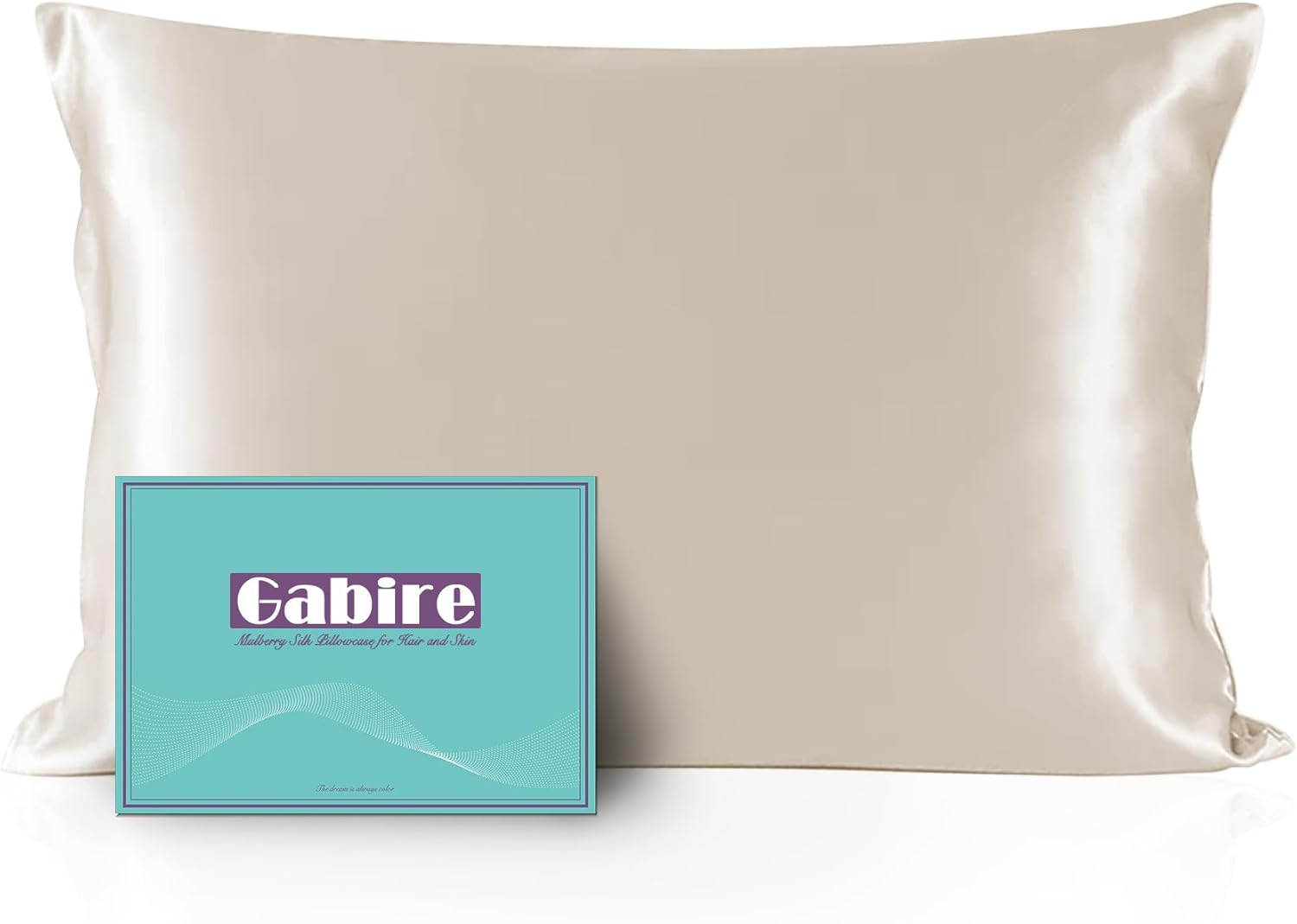
Pros
- Double-sided silk construction at a budget-friendly price point under $15
- Hidden zipper closure is more secure than typical envelope-style silk pillowcases
- Machine washable on gentle cycle, easier to care for than dry-clean-only silk
- Standard size (20x26) fits most pillows without custom measurements
- Beige color works with most bedroom color schemes and hides minor staining better than white
Cons
- Zero customer reviews makes it impossible to verify long-term durability or true silk quality
- Brand is relatively unknown compared to established silk bedding companies
- No momme weight specification listed, which is the standard measure of silk quality
This pillowcase offers a surprisingly affordable entry point into silk bedding without the typical sticker shock. The double-sided silk construction means you get the full benefit no matter which side you sleep on, and the hidden zipper is a thoughtful upgrade over the envelope closures that often let pillows slip out in the middle of the night.
What sets this apart in everyday use is how it handles both hair and skin concerns at once. If you wake up with sheet creases on your face or spend extra time smoothing down bedhead, the silk surface creates less friction than cotton while keeping your nighttime skincare routine from soaking into the fabric. The beige color is practical too, hiding the inevitable foundation smudges and natural oils better than stark white options.
If you want to test whether silk bedding actually makes a difference in your morning routine without spending $50 on a single pillowcase, this one delivers genuine silk benefits at a price point that removes the risk.
Styles it works with: Modern Minimalist, Scandinavian, Transitional, Contemporary Neutral
Best placed in: Master bedroom as part of a bedding upgrade, guest room for a hotel-like touch, teen or college dorm room for low-maintenance hair care
May not suit: Homes with pets that sleep on the bed (claws can snag silk), households preferring bold pattern or saturated color in bedding, buyers looking for luxury heirloom-quality silk with verified provenance
Buy it if:
- You want to try silk pillowcases without spending $40+ on established brands
- You have curly, textured, or chemically treated hair that tangles easily on cotton
- You wake up with sleep lines on your face and want a gentler surface
- You need a neutral color that coordinates with existing bedding
Consider waiting if:
- You need customer reviews to confirm silk quality before purchasing
- You want a specific momme weight verified by the manufacturer
Skip it if:
- You need a queen or king size (this is standard 20x26 only)
- You prefer vibrant colors or patterns over solid neutrals
- You want proven silk bedding from an established luxury brand
Check the latest price and availability on Amazon before it sells out.

INSSL Mulberry Silk Pillowcase Standard Size - Blue Gray Cooling Pillow Case with Hidden Zipper for Hair and Skin Care
Pros
- Genuine mulberry silk at an accessible price point under $10
- Hidden zipper design maintains a clean, seamless look
- Temperature-regulating fabric helps prevent night sweats
- Reduces morning bedhead and preserves hairstyles overnight
- Hypoallergenic properties good for sensitive skin
Cons
- Only 0 customer reviews makes quality and durability uncertain
- Single pillowcase per pack, not a pair like many competitors
- Limited color selection with just blue gray currently available
This pillowcase caught our attention because it brings the luxurious benefits of mulberry silk into reach for anyone curious about upgrading their sleep setup without spending $50 or more. The blue gray color is soothing and versatile enough to blend into most bedroom palettes, from coastal vibes to modern minimalist spaces.
The hidden zipper is a thoughtful touch that keeps your pillow from sliding out during the night while maintaining that polished, hotel-quality look. Silk naturally regulates temperature and reduces friction, which means less tossing and turning for hot sleepers and fewer creases on your face and tangles in your hair by morning.
If you want to test whether silk bedding lives up to the hype without committing to a high-end set, this one delivers solid basics at a price that makes experimenting easy.
Styles it works with: Coastal, Modern Minimalist, Scandinavian, Contemporary Bedroom
Best placed in: Master bedroom pillows, guest room refresh, teen or college dorm upgrade
May not suit: Buyers needing multiple pillowcases immediately (sold individually), homes wanting bold jewel tones or patterns beyond solid blue gray
Buy it if:
- You want to try silk pillowcases without spending $30 to $50 per case
- You wake up with bedhead, frizzy hair, or sleep creases you want to minimize
- You sleep hot and need cooling, breathable fabric that regulates temperature
- You have sensitive skin or allergies and need hypoallergenic bedding
Consider waiting if:
- You need customer reviews and real-world feedback before committing to a new brand
- You prefer buying pillowcases in matching pairs rather than individually
Skip it if:
- You need king or queen size instead of standard
- You want a wider color palette or patterned designs for your bedroom decor
Check the latest price and availability on Amazon before it sells out.

Pros
- Recognized by Good Housekeeping testers for moisture management and smoothness
- OEKO-TEX Standard 100 certification guarantees fabric safety
- 23-momme weight provides durability while staying breathable and cool
- 360-day warranty is significantly longer than typical bedding guarantees
- Non-absorbent silk helps hair and skin retain natural oils overnight
Cons
- Zero customer reviews available yet to validate long-term performance claims
- May require hand washing or delicate cycle to maintain silk quality
- Higher price point than cotton or satin alternatives at $24 per pillowcase
This pillowcase earned a Good Housekeeping Bedding Award for 2026, which means it passed rigorous lab testing for durability and moisture-wicking. The 23-momme weight hits a sweet spot: thick enough to last through regular washing, yet light enough to keep you cool when you tend to overheat at night. OEKO-TEX certification confirms no sketchy chemicals are touching your face for 8 hours every night.
The real appeal here is how it treats your hair and skin. Unlike cotton that soaks up your skincare products and creates friction, this mulberry silk lets your face glide across the surface. That means fewer sleep creases in the morning and hair that doesn't tangle into a rat's nest overnight. The cooling effect is noticeable if you run warm or deal with night sweats.
If you want smoother hair and fewer pillow lines on your face without spending $80+ on luxury silk, this one delivers.
Styles it works with: Modern Minimalist, Scandinavian, Spa-Inspired, Contemporary Glam
Best placed in: Master bedroom for nightly use, guest room to elevate the sleep experience, anywhere you want a cooling sleep surface
May not suit: Households with pets that shed heavily (silk shows fur easily), buyers who prefer low-maintenance cotton bedding they can toss in the dryer on high heat, those wanting decorative shams with embellishments rather than functional sleep pillowcases
Buy it if:
- You wake up with frizzy hair or sleep creases and want a proven solution backed by Good Housekeeping testing
- You sleep hot or experience night sweats and need moisture-wicking fabric that actually works
- You are investing in a multi-step skincare routine and want your pillowcase to stop absorbing those expensive serums
Consider waiting if:
- You want to see verified customer reviews before committing (this is a newer product with no reviews yet)
- You prefer trying one pillowcase first rather than committing to a 2-pack for savings
Skip it if:
- You need machine-washable, tumble-dry bedding with zero special care requirements
- You are looking for decorative pillowcases with patterns or colors beyond neutral tones
Check the latest price and availability on Amazon before it sells out.
Frequently Asked Questions
How often should I wash a silk pillowcase?
Every 5 to 7 days, same as cotton. Owner threads on r/HaircareScience flag bacterial buildup as a contributor to jawline acne, so don’t stretch washes longer just because silk “looks clean.” Cold water, mesh bag, pH-neutral or silk-specific detergent, delicate cycle, air dry.
Is satin just as good as silk for hair?
Not quite. Polyester satin reduces friction enough for casual frizz control but it doesn’t breathe or wick moisture, and it traps heat. Real mulberry silk at 22mm or higher outperforms satin on hair breakage, color-treated hair retention, and night-sweat management. If you’re shopping under $25, polyester satin is fine. If hair condition matters, the silk upgrade is worth it.
Will a silk pillowcase fix split ends?
No. Nothing repairs split ends except trimming them off. A silk pillowcase reduces new breakage by lowering friction, so you’ll generate fewer split ends going forward. That’s preventive, not corrective. Owners who saw “fewer split ends” reported it after 4 to 8 weeks of combined silk pillowcase plus monthly trims.
What momme weight is best for hair?
22mm to 25mm is the sweet spot. Below 19mm tears within months. Above 25mm runs hot and adds significant cost without proportional hair benefit. 22mm is the standard recommendation from the Mulberry Silk Council for daily-use pillowcases.
Can I use a silk pillowcase if I have acne?
Generally yes, and aggregated dermatology coverage suggests it may help. Silk absorbs less of your skincare product than cotton, so retinoids and moisturizers stay on your face. It also wicks less oil. That said, you’ve got to wash it regularly (every 5 to 7 days) or the bacterial buildup cancels the benefit. Consult a dermatologist if acne persists despite the fabric switch.
Bottom Line
A 22mm mulberry silk pillowcase with OEKO-TEX certification is the cheapest hair-care upgrade you can make. It won’t fix split ends, chemical damage, or medical hair loss, but it’ll dramatically cut the morning frizz, breakage, and tangle time that cotton causes. Wash it right, pair it with a loose bedtime hairstyle, and budget 3 to 4 weeks before you judge results. For most owners, it pays for itself in fewer salon trims and less product use within the first year.




Write Your Review
No reviews yet. Be the first to share your experience!