

> Editorial Note: I’m Maya Chen, a bedroom and sleep editor covering mattresses, bed frames, and bedding. The picks here are evaluated against OEKO-TEX certifications, Sleep Foundation evaluation protocols, and owner durability reports from r/Mattress.
Satin and silk are often confused, but they aren’t the same thing: satin is a glossy weave that can be made from polyester, nylon, or silk, while silk is a natural protein fiber made by silkworms and can be woven in satin or other structures. The real decision isn’t glossy versus luxurious. It’s whether you want the lowest-cost slippery feel, or a breathable natural fiber that costs far more and needs gentler care. For the wider natural-fiber picture, start with our best linen bedding guide, then compare the sibling breakdowns linen vs cotton, quilt vs comforter, and microfiber vs cotton sheets. If you care about cooling more than shine, our best bamboo sheets for hot sleepers roundup is also worth a look. Get the material right and you get smoothness without regret. Get it wrong and you’re either sweating under synthetic satin or babying silk you didn’t want to maintain.
The Key Differences at a Glance
| Factor | Satin | Silk |
|---|---|---|
| What it is | A weave, often synthetic | A natural protein fiber |
| Feel | Slick, glossy, slippery | Smooth, soft, breathable |
| Breathability | Low if polyester | High, temperature-regulating |
| Durability | 2 to 4 years typical | 5 to 10 years with care |
| Price | Low to moderate | High, premium fiber |
| Care | Easy if synthetic | Gentle wash or dry-clean |
When Satin Wins
Satin wins on price and shine, full stop. Most satin bedding sold at budget prices is polyester satin, which gives a glossy, slippery surface for far less than real silk. If you want the look of shine, a smooth pillowcase, or a low-cost decorative layer, satin delivers the aesthetic without the premium fiber price. A satin set often costs under $40, while silk can run several times that.
Easy care is the second reason. Synthetic satin machine-washes more easily than silk, dries faster, and doesn’t require the same careful handling, so it’s simpler for guest rooms or occasional use. Owners on r/Mattress often treat satin as a budget feel upgrade rather than an heirloom textile.
The honest trade-off is breathability and feel. Polyester satin traps heat and moisture, so hot sleepers can wake up clammy, and it feels slick rather than naturally soft. It can also snag or lose sheen in 2 to 4 years. If you want shine, low price, and simple care, satin is the clear pick.
When Silk Wins
Silk wins on breathability, natural softness, and temperature regulation, and for premium bedding shoppers that trio decides it. As a natural protein fiber, silk feels smooth without the plastic slickness of synthetic satin and moves moisture better, so it can feel cool in summer and comfortable in cooler rooms. Sleep Foundation notes that silk’s smooth surface and natural temperature regulation make it a premium option for sleepers who dislike rough fabrics.
Longevity is the second draw when it’s cared for properly. A quality silk set or pillowcase can last 5 to 10 years if washed gently, protected from high heat, and stored away from harsh sunlight. That lifespan helps offset the high price for shoppers who actually maintain it. Silk also has a quieter, softer sheen than synthetic satin, which reads luxe rather than glossy.
The honest trade-off is cost and care. Silk is expensive, delicate, and less forgiving in the wash, and many products require hand washing, a mesh bag, or dry cleaning. It also isn’t as crisp or durable as cotton or linen. If you want the smoothest natural feel and are willing to care for it, silk wins.
Cost, Durability, and Maintenance
On cost, satin wins easily, especially polyester satin under $40, while silk lives in the premium tier and often costs 3 to 5 times more. On durability, silk can outlast satin at 5 to 10 years only with careful handling; neglected silk wears fast, while synthetic satin is easier but shorter-lived at 2 to 4 years. Maintenance is the deciding factor. Satin usually goes in a standard machine cycle, while silk prefers gentle detergent, cool water, low heat, and often air drying. For low effort and low cost, satin wins; for natural feel and breathable smoothness, silk wins. OEKO-TEX certification on either confirms the fabric was checked for harmful substances.
Our Top Picks for Each
The five picks below coordinate under our best linen bedding hub, sorted by price and use case. They aren’t silk sheet substitutes; they’re real bedding pieces from the runlist that help build a smooth, breathable bed around satin or silk pillowcases and sheets. Start with the LANE LINEN percale if you need a cool cotton base under a smooth top layer. Jump to the HEVUMYI or Bedsure linen pieces if you want natural-fiber breathability without silk’s care demands.

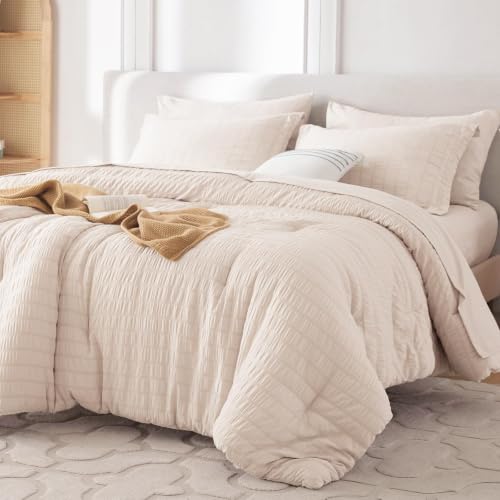
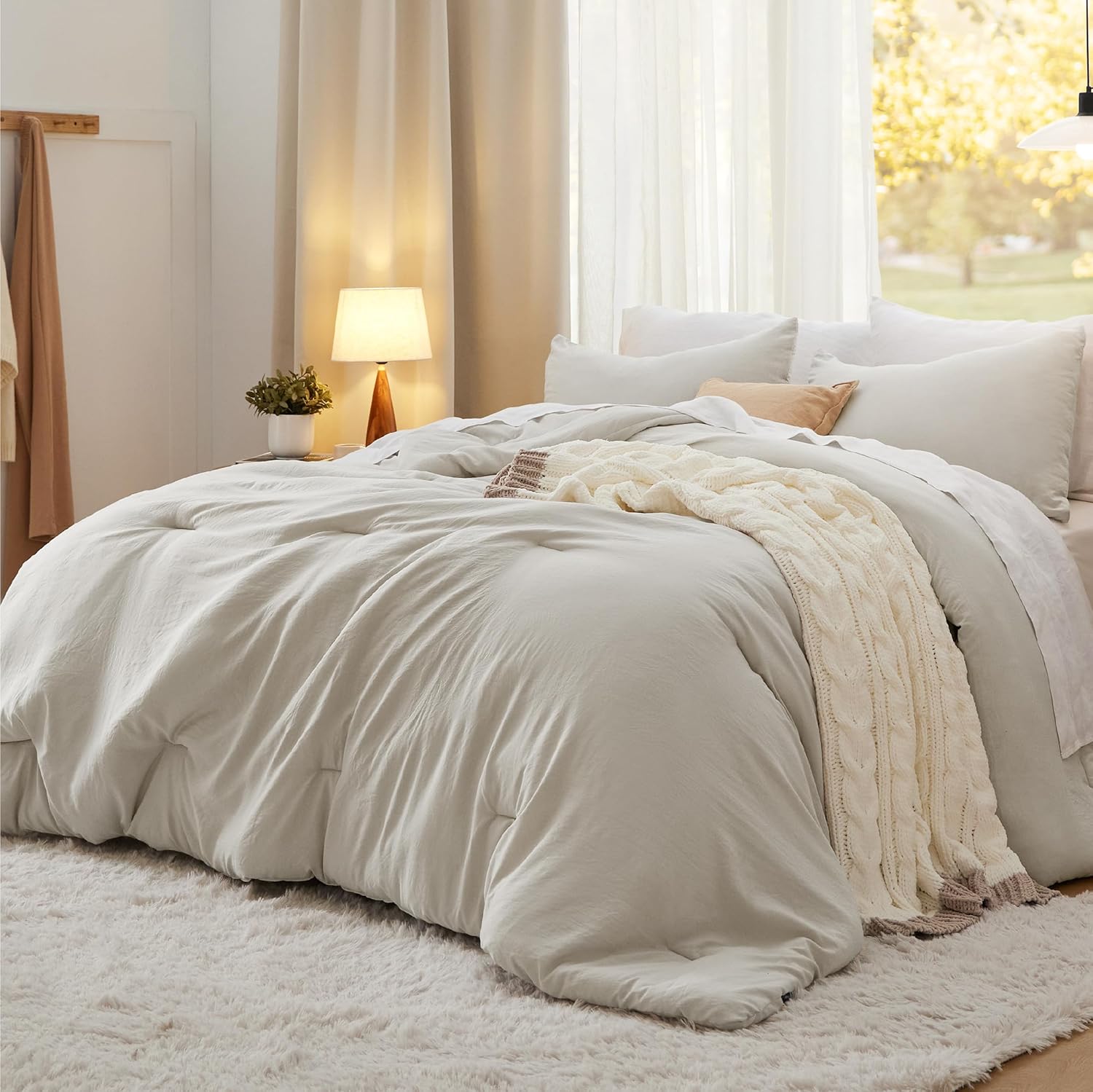
Bedsure King Comforter Set Beige 3-Piece GentleSoft Prewashed All-Season Bedding with 2 Pillowcases
Pros
- Genuinely soft texture that lives up to the prewashed promise, verified by thousands of buyers
- OEKO-TEX certification adds credibility for health-conscious households
- Holds shape and softness through multiple wash cycles without deforming or pilling
- Versatile beige tone works across a wide range of bedroom styles and accent colors
- Strong value at the price point with a complete 3-piece set included
Cons
- 100% polyester fill may feel less breathable than down or cotton alternatives for hot sleepers in warm climates
- Beige colorway, while versatile, offers limited visual drama for shoppers wanting a bold bedroom statement
- Lightweight design may not satisfy those who prefer a heavier, weighted comforter feel
There is something immediately satisfying about pulling a comforter out of the box and having it already feel like it has been washed a dozen times. The Bedsure GentleSoft set delivers exactly that. The prewashed finish removes that scratchy newness so common with budget bedding, and the cotton-like polyester fill feels genuinely cozy against bare skin from night one.
The beige colorway is one of those quiet wins in home decor. It is soft enough to feel warm and inviting, neutral enough to layer with almost any throw pillow color or blanket you already own, and understated enough that it does not compete with accent walls or artwork. The reversible design is a nice bonus, giving the bed a slightly different look depending on which side faces up.
For a set under $35 that includes two oversized king pillowcases and carries an OEKO-TEX safety certification, the value is hard to argue with. If you want all-season softness without paying premium duvet prices, this one delivers.
Styles it works with: Scandinavian, Minimalist, Modern Farmhouse, Coastal Casual
Best placed in: Primary bedroom as the main bedding layer, guest bedroom for a clean and welcoming look, or a teen or college dorm setup where durability and easy care matter
May not suit: Maximalist or richly layered bedroom styles that call for more textural drama or deep jewel tones; also less ideal for households where a single comforter needs to cover two people with very different temperature preferences, as the lightweight fill skews toward cooler sleepers
Buy it if:
- You are refreshing a guest room and want something clean, neutral, and easy to launder between visits
- You run warm at night and want a lightweight layer that keeps you comfortable without waking up overheated
- You are decorating on a budget and need a complete, polished-looking bedding set without buying pieces separately
Consider waiting if:
- You have a specific accent color in mind and want to browse the full 31-plus color range to find the closest match before committing
Skip it if:
- You prefer the feel and breathability of natural materials like down, cotton, or bamboo and are not satisfied by polyester alternatives
- You need a heavy, weighted comforter feel to sleep well, as this set is intentionally lightweight
Check the latest price and availability on Amazon before it sells out.

LANE LINEN Queen Sheets 100% Organic Cotton Percale 4pc Set - GOTS Certified, Cooling & Breathable for Hot Sleepers
Pros
- GOTS certification provides verified assurance that the organic cotton claim is legitimate, not just marketing
- 160TC percale weave is genuinely breathable and avoids the heat-trapping that plagues higher thread count or microfiber sheets
- Wide color range with 30 options gives real flexibility for bedroom styling
- Deep pocket design with full elastic accommodates most modern mattress depths without slipping
- Strong value at under $40 for a 4-piece set with credible certifications
Cons
- Organic cotton percale wrinkles noticeably and requires prompt removal from the dryer to stay smooth, which may frustrate buyers expecting low-maintenance bedding
- At 160TC, the fabric feels lighter and crisper than a cozy, silky sheet, which won't suit shoppers who prefer a soft, weighty feel
- Fitted sheet is rated for mattresses up to 13 inches, so anyone with a thick pillow-top over 13 inches may find the fit too snug
There is a real difference between sheets that claim to be breathable and sheets that actually feel cool when you slide in at night. Lane Linen's percale weave falls firmly in the second category. The 160TC organic cotton creates that classic crisp, slightly cool-to-the-touch sensation that percale fans recognize immediately, and it does it without any synthetic finish or chemical treatment. For hot sleepers who have been tolerating microfiber or dense sateen just because those options are cheap, this set is a straightforward upgrade.
What makes this set work well in a real bedroom is the balance between quality and restraint. The flat sheet has enough weight to drape cleanly across the bed without looking floppy, and the fitted sheet's all-around elastic keeps things neat through the night. Thirty color options mean you are not forced into white or gray like most budget sheet sets, so it actually fits into a styled bedroom rather than fighting it. The natural wrinkle of organic cotton gives it a relaxed, lived-in look that pairs well with linen pillowcases or textured throw blankets.
Over time, the fabric softens noticeably, which is the opposite experience from cheaper sheets that pill or thin out after a dozen washes. If you want genuinely cool, chemical-free sleep without spending over $100 on certified organic bedding, this one delivers.
Styles it works with: Scandinavian, Minimalist, Modern Farmhouse, Coastal
Best placed in: Master bedroom as the primary sheet set, guest bedroom for a clean hotel-style presentation, or a teenager's room where breathability matters but budget is limited
May not suit: Heavily maximalist or ultra-cozy hygge-style bedrooms where a plush, silky sheet texture is part of the design intent; also not ideal for households that prefer a wrinkle-free bed with zero effort, since organic percale requires prompt drying or a light iron
Buy it if:
- You sleep hot and have been frustrated by microfiber or high thread count sheets that trap heat through the night
- You want GOTS-certified organic cotton bedding but are not ready to spend $80 to $150 on premium brands
- You are furnishing a guest room and want sheets that look clean and feel quality without over-investing
Consider waiting if:
- The specific color you want for your bedroom is currently out of stock, since the wide color range means availability can vary
Skip it if:
- You strongly prefer a soft, silky, or sateen-smooth feel, because percale's crisp texture is a deliberate design choice, not a flaw that improves
- Your mattress is over 13 inches deep, as the fitted sheet may not stay securely in place
Check the latest price and availability on Amazon before it sells out.
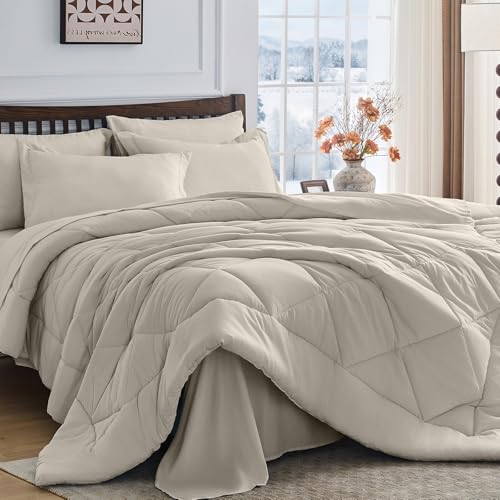

Best Cool Cotton Base: LANE LINEN 100% Organic Cotton Percale (Queen)
The LANE LINEN queen sheet set is the pick for the base layer under satin or silk, a 4-piece 100% organic cotton percale in white built for cooling airflow. Owner feedback centers on the crisp, cool percale weave and the organic-cotton sourcing.
This is the practical anchor for smooth bedding: breathable cotton against the mattress, then satin or silk where you want shine or slip. The percale weave offsets satin’s heat retention and gives silk a cooler base layer to pair with. The organic cotton is the differentiator against cheap blends. Pick it when you want a cool, durable foundation before adding any glossy or silky layer.
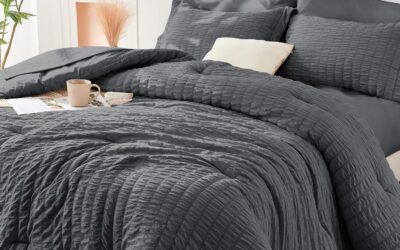
Best Budget Smooth-Look Set: MUXHOMO Seersucker Comforter Set (Queen)
The MUXHOMO 7-piece queen set is the pick for a low-cost, polished bed, a seersucker bed-in-a-bag with a light puckered surface and full coordinated pieces. Owners like the airy texture and the complete set that dresses a bed in one purchase.
The complete 7-piece value is the differentiator: it gives you a styled bed for far less than silk while keeping the top layer light. It doesn’t pretend to be satin or silk, which is better than faking the fiber. Use it as a breathable, textured counterpoint to smooth pillowcases. Choose it when you want a complete bed on a budget and can add satin or silk selectively.

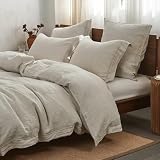
Best Soft Neutral Comforter: Bedsure GentleSoft Comforter Set (King)
The Bedsure king comforter set is the pick for soft, neutral comfort, a 3-piece prewashed beige set with a lightweight all-season fill. Owner feedback highlights the soft prewashed hand and the beige styling that works with glossy or matte bedding.
The prewashed softness is the differentiator: it gives a smooth, gentle top layer without satin’s synthetic slickness or silk’s maintenance. The lightweight fill keeps it usable most of the year, and king size drapes larger beds well. Pick it when you want soft, neutral bedding that pairs with silk pillowcases or satin accents without making the whole bed slippery.
Best Natural-Fiber Alternative: HEVUMYI Linen Comforter Set (Queen)
The HEVUMYI 7-piece queen set is the pick for natural-fiber breathability without silk care, an all-season bed-in-a-bag with a linen comforter, flat sheet, and shams. Owners point to the natural linen texture and cooling airflow.
The linen build is the differentiator: flax breathes beautifully and lasts decades with easier care than silk, though it feels textured rather than smooth. As a 7-piece set, it dresses the whole bed at once. It wrinkles by nature, which is the look. Choose it when you want a premium natural fiber but don’t want silk’s delicate washing routine.
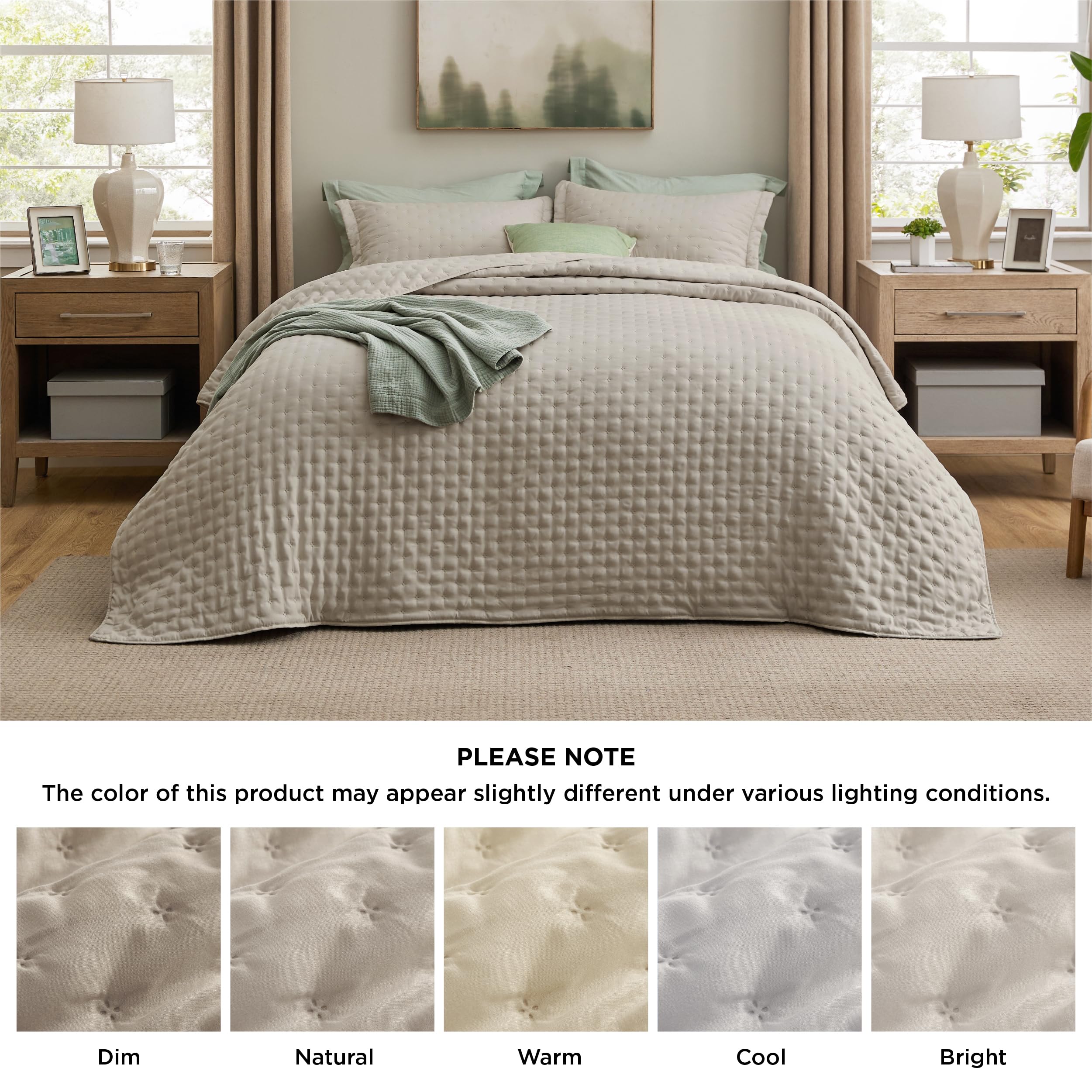
Best Lightweight Natural Layer: Bedsure Linen Bedspread Quilt (Queen)
The Bedsure queen quilt is the pick for a breathable top layer, a linen bedspread and lightweight comforter in a modern farmhouse clover pattern. Owner feedback centers on the airy summer weight and versatile coverlet styling.
The lightweight linen quilt is the differentiator: it balances satin or silk’s smoothness with natural texture, keeping the bed from feeling too slick while adding breathable coverage. The farmhouse pattern gives it visual interest. It works as a standalone summer cover or layer. Pick it when you want a natural, airy top layer over smooth sheets or pillowcases.
The Verdict
For shine, low price, and easy care, satin wins, especially if you’re buying pillowcases or decorative pieces rather than a full primary sheet set. For breathable natural softness and a premium feel, silk wins, and it’s the better material for hot sleepers who still want a smooth surface. Want a cool, durable base under either one? The LANE LINEN organic percale is the practical starting point. Want a natural-fiber alternative that’s easier than silk? The HEVUMYI linen set is the call. Match the fabric to your care tolerance and whether you want glossy or genuinely breathable, not to the word “silky” on a label.
Frequently Asked Questions
Are satin and silk the same thing?
No. Satin is a weave, while silk is a natural fiber. Satin can be made from polyester, nylon, or silk, but most budget satin bedding is synthetic polyester. Silk is the actual protein fiber from silkworms and can be woven into satin or other fabrics. That’s why satin can be cheap and glossy while silk is expensive and naturally soft.
Is satin or silk better for hot sleepers?
Silk, clearly. Real silk breathes and regulates temperature better than synthetic satin, which can trap heat and moisture. Polyester satin feels smooth but can turn clammy on warm nights. If you sleep hot and want a smooth surface, choose silk or a breathable cotton base with silk pillowcases. Satin is better for shine on a budget than cooling.
Which lasts longer, satin or silk?
Silk can last longer with careful care, roughly 5 to 10 years, while polyester satin often looks tired in 2 to 4 years. The catch is that silk needs gentle washing and low heat; neglect shortens its life quickly. Satin is easier but less durable. If you’ll care for it properly, silk wins longevity; otherwise satin is the lower-risk buy.
Is satin bedding worth buying?
Yes, for specific uses. Satin works well for low-cost pillowcases, decorative shine, or a guest bed where easy care matters more than breathability. It isn’t the best primary sheet fabric for hot sleepers because synthetic satin traps heat. If you want the glossy look under $40, satin is worth it; if you want breathable luxury, save for silk.
How should silk sheets be washed?
Gently. Use cool water, mild detergent, a delicate cycle or hand wash, and low heat or air drying. Avoid bleach, high heat, and rough fabrics in the same load. Silk rewards careful handling and punishes shortcuts. If that care routine sounds annoying, choose satin for easy maintenance or linen for natural-fiber breathability with less fuss.
Is linen a better alternative to silk sheets?
For many sleepers, yes. Linen breathes extremely well, lasts decades, and handles washing more easily than silk, but it feels textured and rumpled instead of smooth and glossy. If you want cooling and longevity more than slip, linen is the better practical upgrade. If you want a smooth, soft luxury surface, silk still wins.
Bottom Line
For glossy looks, low price, and easy care, satin is the smooth fabric most people should buy, especially for pillowcases or decorative accents under $40. If you want breathable natural softness and don’t mind delicate care, silk is the better call and can last 5 to 10 years with proper washing. One honest caveat: synthetic satin traps heat, so hot sleepers should skip full satin sheet sets. Match the fabric to your care tolerance and body temperature, and the right smooth bedding follows.



Write Your Review
No reviews yet. Be the first to share your experience!