

> Editorial Note: I’m Maya Chen, a bedroom and sleep editor covering mattresses, bed frames, and bedding. The picks here are evaluated against CertiPUR-US foam standards, Sleep Foundation evaluation protocols, and owner durability reports from r/Mattress.
A pillow sham does more than hide the pillow you slept on. It sets the top layer of the bed, protects spare pillows from dust, and can make a basic duvet look intentional next to a best platform bed with storage, best memory foam mattress, best cooling mattress topper, wall art for bedroom, and best reading pillow for bed. The wrong sham feels flimsy after three washes or looks flat against a 20 x 26 inch insert. The right one gives the bed shape.
How We Evaluated
For pillow shams, the important specs are fabric, closure, size accuracy, wash behavior, and how much visual structure the sham adds to the bed. Standard shams are usually built for 20 x 26 inch pillows; queen shams commonly fit 20 x 30 inch pillows. Cotton waffle and quilted cotton add texture without much shine, while brushed microfiber is easier to launder and usually costs less. We also looked for pairs where possible, since most queen and king beds need two matching shams. Sleep Foundation bedding guidance puts breathability and washability ahead of decorative details, and OEKO-TEX language matters when brands make skin-contact claims.
All five picks below use the first five products matched to this keyword, with preference given to standard bedding sizes, easy-care fabrics, and styles that make sense on real beds rather than staged rooms. Start with PHF if you want the safest cotton texture. Jump to Utopia Bedding if you need a queen-size pair that’s easy to rotate through weekly laundry.


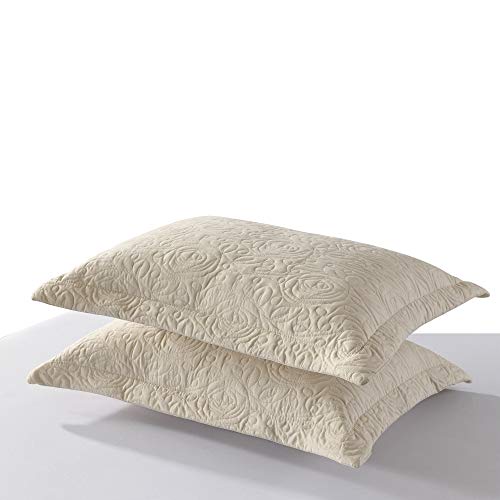


1. PHF 100% Cotton Waffle Pillow Shams — The Safest Texture for Most Beds
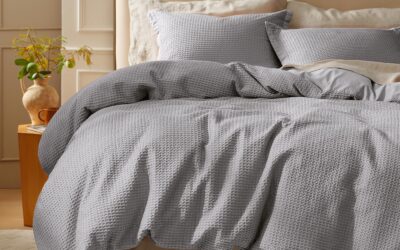
PHF is the easiest first pick because the 100% cotton waffle fabric gives the bed texture without forcing a strong pattern. The listed standard size is 20 x 26 inches, which matches the most common standard pillow insert and works across twin, full, and many queen beds when you’re using two pillows across. That matters. A sham that’s too loose looks deflated, while one that’s too tight curls at the corners.
The waffle weave is the reason to buy it. It adds shadow and depth against a smooth duvet, especially in white, ivory, beige, or other neutral bedding schemes. Cotton also tends to feel better against skin than slick polyester if you lean against the pillow while reading. It’s not a luxury hotel sham with piping and heavy flange edges, and it may relax after laundering. But for a casual bedroom that needs softness rather than shine, PHF gets the balance right.
2. KKJIAF Ruffle Pillow Cases — For Cottage Bedrooms That Need Soft Edges
KKJIAF goes in a more decorative direction with ruffled standard-size pillow cases sold as a set of 2. The white ruffle edge is the point: it softens the bed line, especially if your duvet cover, headboard, or nightstands are boxy. On a metal bed frame or simple platform frame, that extra edge detail keeps the bed from looking unfinished.
This isn’t the sham for someone who wants hotel-flat lines or a tailored modern bedroom. Ruffles create movement, and movement means the bed reads more cottage, coquette, vintage, or guest-room sweet than minimalist. Use these with linen-look bedding, floral sheets, or a matelasse coverlet. Keep the rest of the bed restrained so the ruffle doesn’t fight with too many patterns. The practical upside is the two-pack format: one order finishes the visible pillow layer for a full or queen bed.
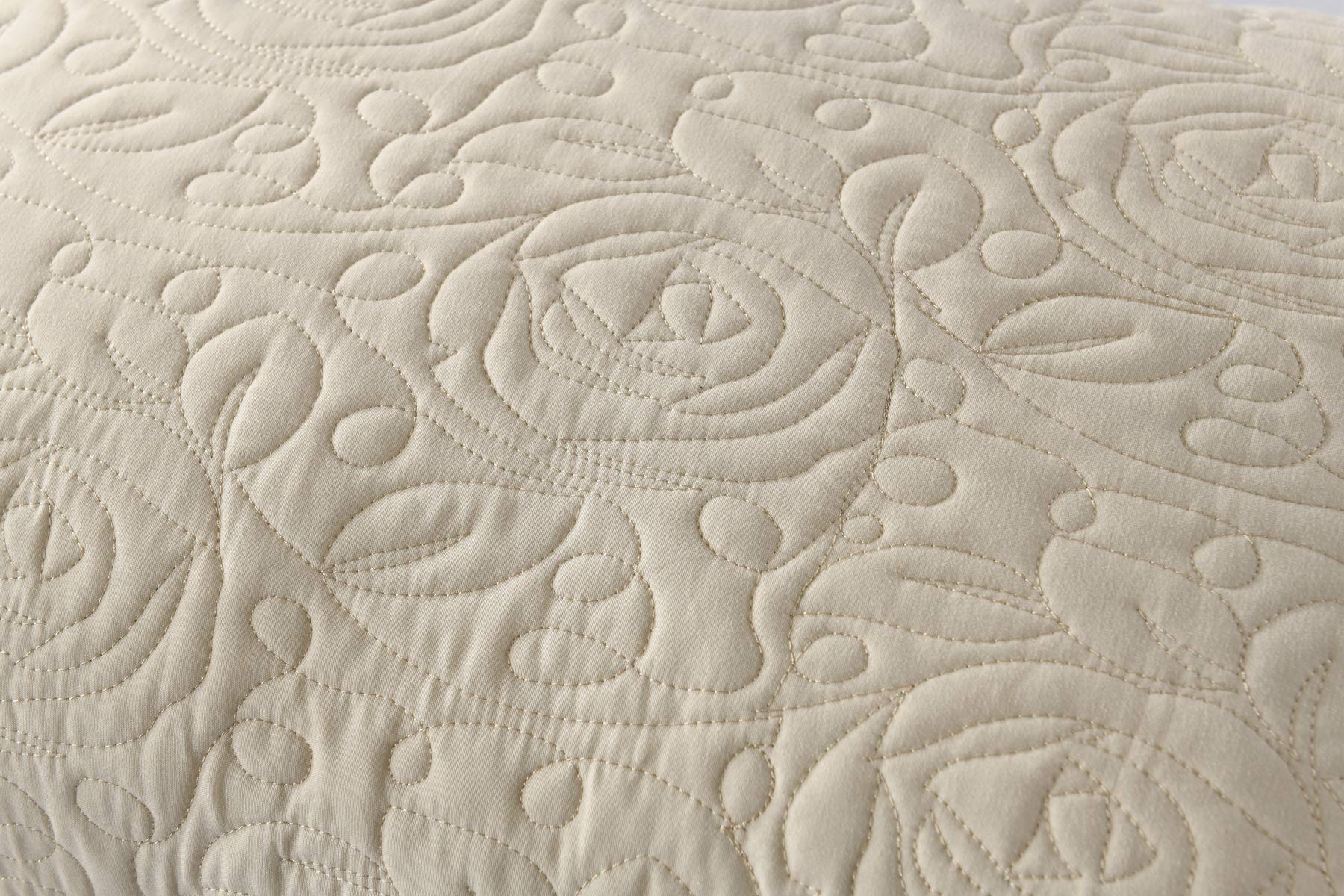
3. MarCielo Embroidered Microfiber Shams — Pattern Without a Loud Print
MarCielo’s 2-piece embroidered sham set is the pick for people who want detail but don’t want a busy floral or high-contrast stripe. The beige tone and embroidery give the sham a dressed-bed look, while microfiber keeps the care routine simpler than delicate cotton percale or linen. Standard sizing makes it a straightforward fit for 20 x 26 inch pillow inserts.
The embroidery is the differentiator. It gives the sham a more finished face for guest rooms, traditional bedrooms, and beds where the duvet itself is plain. Because the base fabric is microfiber, the hand feel will be smoother and less breathable than cotton waffle, but it also tends to wrinkle less after washing. That’s the trade-off. If your bedroom needs a decorative layer that won’t demand ironing, MarCielo makes sense. If you sleep hot and press your face into the sham every night, cotton is the safer material.
4. Utopia Bedding Queen Pillow Covers — The Practical Laundry-Rotation Pair
Utopia Bedding is the most practical pick here because it comes as a queen-size 2-pack in soft brushed microfiber. Queen pillows are usually 20 x 30 inches, so this is the one to choose if your pillows look cramped inside standard 20 x 26 inch shams. Those extra 4 inches matter on a queen bed. They help the pillows span the mattress without leaving awkward gaps near the edges.
The hotel-and-guest-room positioning also tells you what this sham does well: repeat use, simple washing, and a clean look. It won’t bring the same texture as PHF’s waffle weave or the same detail as MarCielo’s embroidery. Instead, it’s for people who want the bed to look neat fast. Brushed microfiber can hold warmth more than open-weave cotton, so don’t treat it as the most breathable choice. Treat it as the easy-care choice. Quick wash, quick reset.
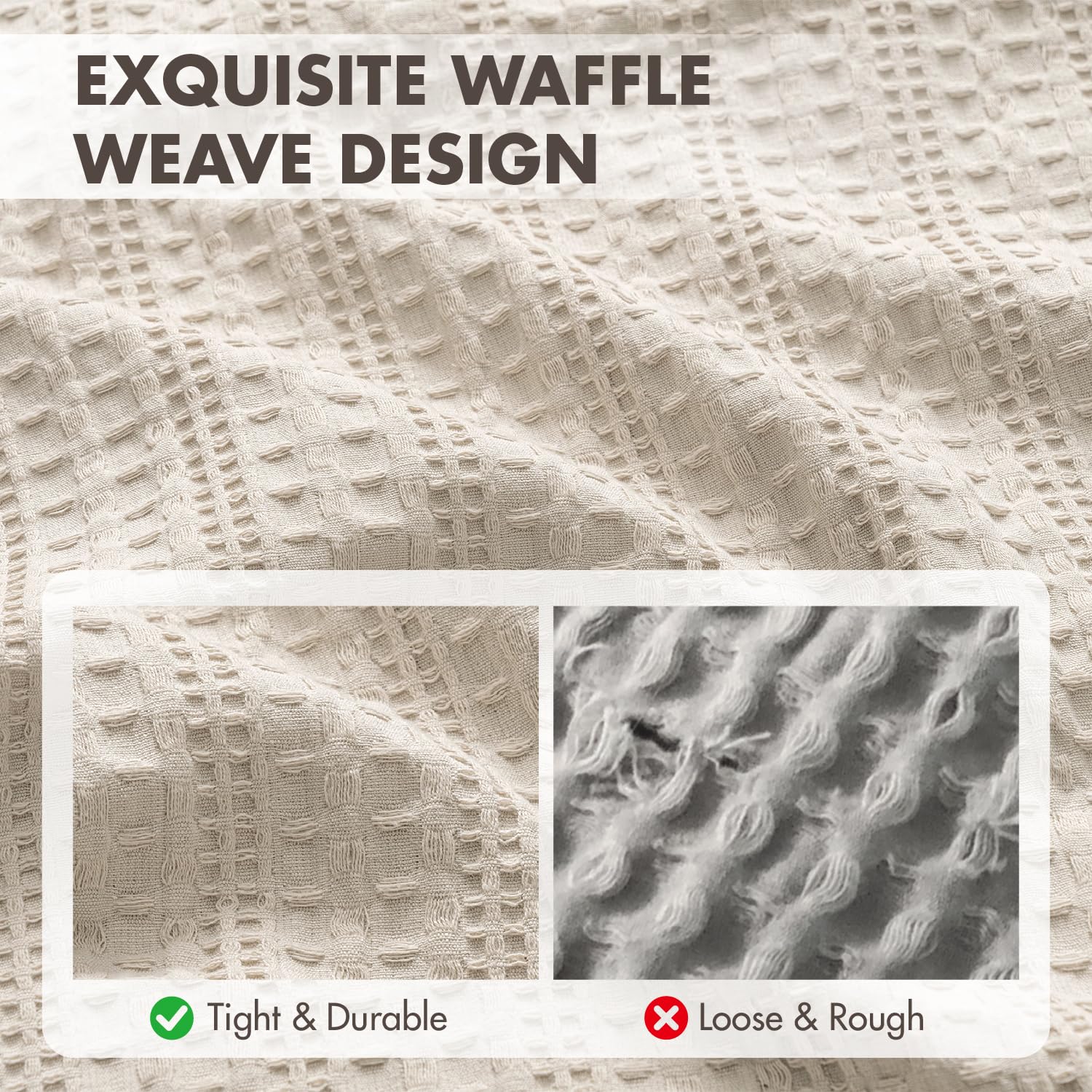
5. Woaboy 100% Cotton Waffle Pillow Shams — A Cotton Backup With a Neutral Look
Woaboy overlaps with PHF on purpose: it’s another 100% cotton waffle set in a standard 20 x 26 inch size. The difference is positioning. Woaboy leans into decorative pillow covers for the bed, couch, or sofa, so it’s useful if you want one sham style to repeat across a bedroom bench, daybed, or reading corner. That continuity can make a small bedroom feel calmer.
The cotton waffle surface is again the reason to consider it. It has enough texture to hold its own against plain bedding but doesn’t lock you into a seasonal look. Use it with a beige duvet in winter, a white quilt in summer, or a patterned throw when the room needs contrast. The limitation is the same as most waffle cotton: it can look relaxed rather than crisp. If you want a formal, pressed bed, choose embroidery or a smoother microfiber sham. If you want breathable texture, Woaboy belongs on the shortlist.
Comparison Table
| Pick | Size Listed | Material / Finish | Best For | Rating |
|---|---|---|---|---|
| PHF 100% Cotton Waffle Pillow Shams | Standard 20 x 26 in | 100% cotton waffle | Most neutral bedrooms | Not listed |
| KKJIAF Ruffle Pillow Cases | Standard set of 2 | Ruffle-edge fabric | Cottage and soft vintage rooms | Not listed |
| MarCielo Embroidered Shams | Standard set of 2 | Embroidered microfiber | Guest rooms and traditional beds | Not listed |
| Utopia Bedding Pillow Covers | Queen 2-pack | Brushed microfiber | Weekly laundry rotation | Not listed |
| Woaboy Cotton Waffle Pillow Shams | Standard 20 x 26 in | 100% cotton waffle | Coordinated bed and seating areas | Not listed |
What to Look for in a Pillow Sham
Start with size. A standard sham is usually 20 x 26 inches, a queen sham is usually 20 x 30 inches, and a king sham is usually 20 x 36 inches. If your pillow insert is too small, the sham collapses at the corners. If the insert is too large, the closure strains and the face puckers.
Then choose the fabric by how you’ll use it. Cotton waffle is better for breathable texture and a relaxed bedroom. Microfiber is better for frequent washing and low-wrinkle guest bedding. Embroidered styles work when the rest of the bed is plain, but they can feel too busy next to a patterned duvet.
Closure matters more than most people think. Envelope closures are easy and keep hardware away from your face. Zippers can look cleaner, but cheap zipper seams are often the first point of failure. For a decorative sham that gets leaned on every night, simple construction wins.
Cotton vs Microfiber Pillow Shams
Cotton wins when breathability and texture matter. A 100% cotton waffle sham feels more natural against skin and gives the bed a layered look without needing a bold pattern. It also pairs well with cotton sheets, linen duvet covers, and lighter quilts.
Microfiber wins when you want easy care and a lower price. It usually dries faster, wrinkles less, and works well in guest rooms where the sham gets washed between visitors. The caveat is heat. Microfiber can feel warmer than cotton, especially if the pillow sits behind your head for reading.
So pick by use, not by fabric loyalty. Daily bedroom with warm sleepers? Cotton. Guest room or rental-style turnover? Microfiber. Decorative front layer only? Either works.
How to Style Pillow Shams Without Overdoing the Bed
Use two sleeping pillows, two shams, and one accent pillow as the default formula for a queen bed. That’s enough structure without turning the bed into a pillow-storage problem every night. On a king bed, use two king pillows or three standard pillows across the back if your headboard is wide.
Keep texture and pattern in balance. If your duvet has a strong print, choose a plain cotton waffle or smooth microfiber sham. If your duvet is solid, an embroidered or ruffled sham can carry the detail. One focal point. Not five.
Color should either match the duvet or repeat a color already in the room. A beige sham can echo a wood nightstand; a white ruffle sham can pick up white trim or a white lamp shade. That’s how the bed feels designed instead of assembled from leftovers.
Frequently Asked Questions
What is the difference between a pillow sham and a pillowcase?
A pillowcase is for sleeping; a sham is for presentation and light support. Pillowcases usually open on one end and are made to be changed often. Shams often have envelope backs, decorative fronts, flanges, quilting, embroidery, or textured fabric.
You can lean on a sham while reading, but most people remove decorative shams before sleep. Better for the fabric. Better for the pillow shape.
What size pillow goes in a standard sham?
A standard sham usually fits a 20 x 26 inch pillow. That size works well on twin, full, and many queen beds when you use two pillows side by side.
If you want a fuller look, use a firm standard pillow insert rather than an old flattened sleeping pillow. A sham needs structure to look right.
Should pillow shams match the duvet cover?
No. Matching shams create a clean hotel look, but contrast often looks more layered. Pair a smooth duvet with waffle cotton, or pair a plain quilt with embroidered shams.
The safest rule is simple: repeat one color from the bed or room. Don’t introduce a brand-new color unless the sham is meant to be the focal point.
Are cotton pillow shams better than microfiber?
It depends. Cotton is better for breathability, texture, and a more natural hand feel. Microfiber is better for wrinkle resistance, faster drying, and lower-maintenance guest bedding.
For a primary bedroom, I’d start with cotton. For a guest room, microfiber is often the easier choice.
How many pillow shams do you need on a queen bed?
Two. A queen bed usually looks balanced with two standard or queen shams across the back, plus sleeping pillows in front or behind them.
Three shams can work on a king bed or a daybed, but on a queen bed it often looks crowded. Too much stack.
Can you sleep on pillow shams every night?
Yes, but it’s not ideal for every fabric. Cotton shams handle nightly contact better than heavily embroidered or ruffled styles, and microfiber can feel warm if you sleep hot.
If the sham is mainly decorative, remove it before sleep. It’ll hold its shape longer and need less frequent washing.
Bottom Line
PHF 100% Cotton Waffle Pillow Shams are the ones most people should buy because they add breathable texture in a standard 20 x 26 inch size without locking the bedroom into one style. If you use queen pillows or need the easiest weekly laundry pair, go with Utopia Bedding instead. Decorative shams aren’t complicated, but sizing is unforgiving: match the insert first, then choose the fabric and edge detail.




Write Your Review
No reviews yet. Be the first to share your experience!