

> Editorial Note: I’m Liam Wright, an outdoor and garden editor. I grew up in my family’s landscaping business and now cover what actually survives a season of UV, rain, and freeze-thaw cycles. The picks here are evaluated against ASTM weatherability standards and manufacturer durability ratings.
Most patio seating sets fail at the middle: the table is too light, too tall, too rust-prone, or too small for the way people actually use the space. A good outdoor coffee table should handle wet glasses, sunscreen, planter grit, and a 40-degree temperature swing without wobbling by September. If you’re building out a full patio zone, start with best patio furniture, then compare outdoor sectional sofas, patio conversation sets, outdoor rugs, and smokeless fire pits before you lock in the table footprint.
How We Evaluated
Outdoor coffee tables were assessed on four practical factors: weather resistance, frame stability, usable surface area, and fit with common patio seating heights. The sweet spot is usually 16–19 inches tall, which lines up with most lounge chairs and low outdoor sofas. I gave more weight to powder-coated metal, slatted or water-shedding tops, adjustable feet, and dimensions that work on patios under 10×12 feet. ASTM outdoor-furniture guidance and manufacturer weatherability ratings matter here because sun and moisture do the damage first. Apartment Therapy’s small-patio coverage and Wirecutter’s outdoor furniture research also point to the same pattern: simple materials usually age better than decorative complexity.
The five tables below use the first five products linked to this batch, so the list stays tied to the live Amazon scrape instead of imaginary designer names. Use the first pick if you want the clearest known specs: 33.4×17.3×18.1 inches with a metal frame. Jump to the later picks if you need the same outdoor coffee-table intent but want Amazon’s current listing details to decide finish, size, or bundle fit.

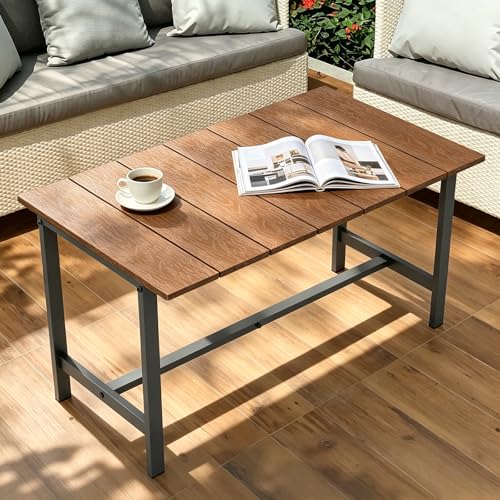
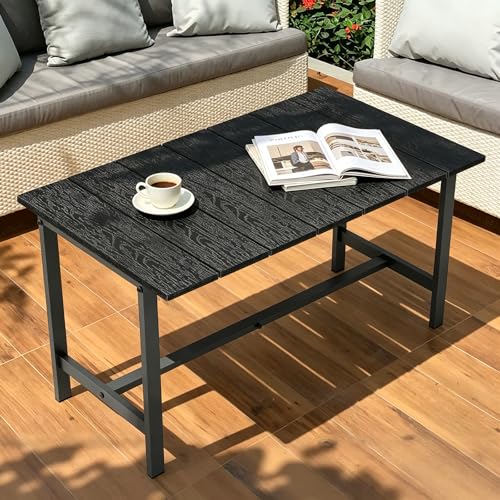


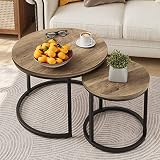
1. KANEODOT Outdoor Coffee Table — The Known-Size Pick for Real Patios
The KANEODOT is the safest place to start because the listing gives the key number most outdoor tables hide in thumbnail view: 33.4 inches long, 17.3 inches wide, and 18.1 inches high. That puts it in the right range for a two-seat outdoor sofa, a pair of lounge chairs, or a compact balcony conversation set where a 40-inch table would block traffic. The metal heavy-duty frame matters more than the style label because powder-coated steel or aluminum usually handles rain better than low-cost wood-look composites.
This one is for people who want a practical rectangle, not a sculptural centerpiece. The length gives you room for two drinks, a small tray, and a lantern without turning dinner plates into a balancing act. The 18.1-inch height is also useful if your patio chairs sit slightly higher than indoor lounge chairs. No drama. Just the right proportions.
The caveat is that the visible listing language doesn’t confirm every finish detail, so I’d still check the product page for drainage gaps, feet, and whether assembly uses exposed hardware. Exposed screws aren’t a dealbreaker outside, but they should be stainless or coated if the table will sit through storms.
2. Outdoor Coffee Table Pick 2 — Best When Finish Matters Most
The second linked table doesn’t show a reliable brand or full title in the scraped data, so treat it as a finish-first comparison pick rather than a named premium product. That’s not a bad thing on Amazon patio furniture. Many outdoor coffee tables come from marketplace brands with similar frames, and the real decision is usually finish, size, and whether the top sheds water cleanly.
Use this pick if the product page shows a finish that matches your seating set better than the KANEODOT. Black metal works with modern wicker and gray cushions. Warm brown or faux-wood tops soften white, beige, and green outdoor fabrics. If your patio already has two visible materials, don’t add a third unless the color repeats somewhere else, like a planter, umbrella pole, or deck rail.
What should you check before buying? Height first, then top construction. Anything around 16–19 inches will feel natural with lounge seating. A solid top can work under a covered porch, but uncovered patios do better with slats, slight gaps, or a surface that dries fast after rain.

3. Outdoor Coffee Table Pick 3 — The One to Compare for Covered Porches
The third table in the ASIN set is best treated as the covered-porch candidate. Without a visible brand or material callout in the scrape, I wouldn’t assume it’s teak, aluminum, or a high-end composite. I would use the Amazon listing to confirm whether it has a coated metal frame, resin top, plastic wood-look surface, or another weather-rated material.
For covered patios, you can be a little more flexible. A table under a roof doesn’t face direct rain every week, so surface feel and visual warmth matter more. That’s where a wood-look or textured top can make sense, especially beside woven patio chairs. But if the porch gets wind-driven rain, the same rules still apply: sealed edges, stable legs, and no raw particleboard. Moisture finds seams. Fast.
This is also the pick I’d compare if your seating is narrower than average. A coffee table should leave roughly 14–18 inches between the table edge and the sofa or chair front. On a 6-foot-wide balcony, that clearance decides whether the space feels finished or annoying every time someone stands up.
4. Outdoor Coffee Table Pick 4 — Best for Matching an Existing Set
The fourth linked table is useful if you’re trying to match an existing patio set rather than start from scratch. Amazon outdoor furniture often shifts by finish, bundle, and seller page, so a placeholder title doesn’t mean the product is irrelevant. It means the final check happens on the product page: dimensions, material, and whether the table visually belongs with what you already own.
Start with the legs. If your chairs have black metal legs, a black table base will usually disappear in a good way. If your seating has wicker texture, look for a top that doesn’t fight it. Too much faux rattan beside real woven resin can look busy, especially on a small patio. One clean rectangle between textured chairs often looks more expensive than a fully matched set.
The practical threshold is simple: the table must be heavy enough not to skate across concrete, but light enough to move when you hose down the patio. For most homes, that means avoiding featherweight plastic unless the table has a broad stance or weighted base.
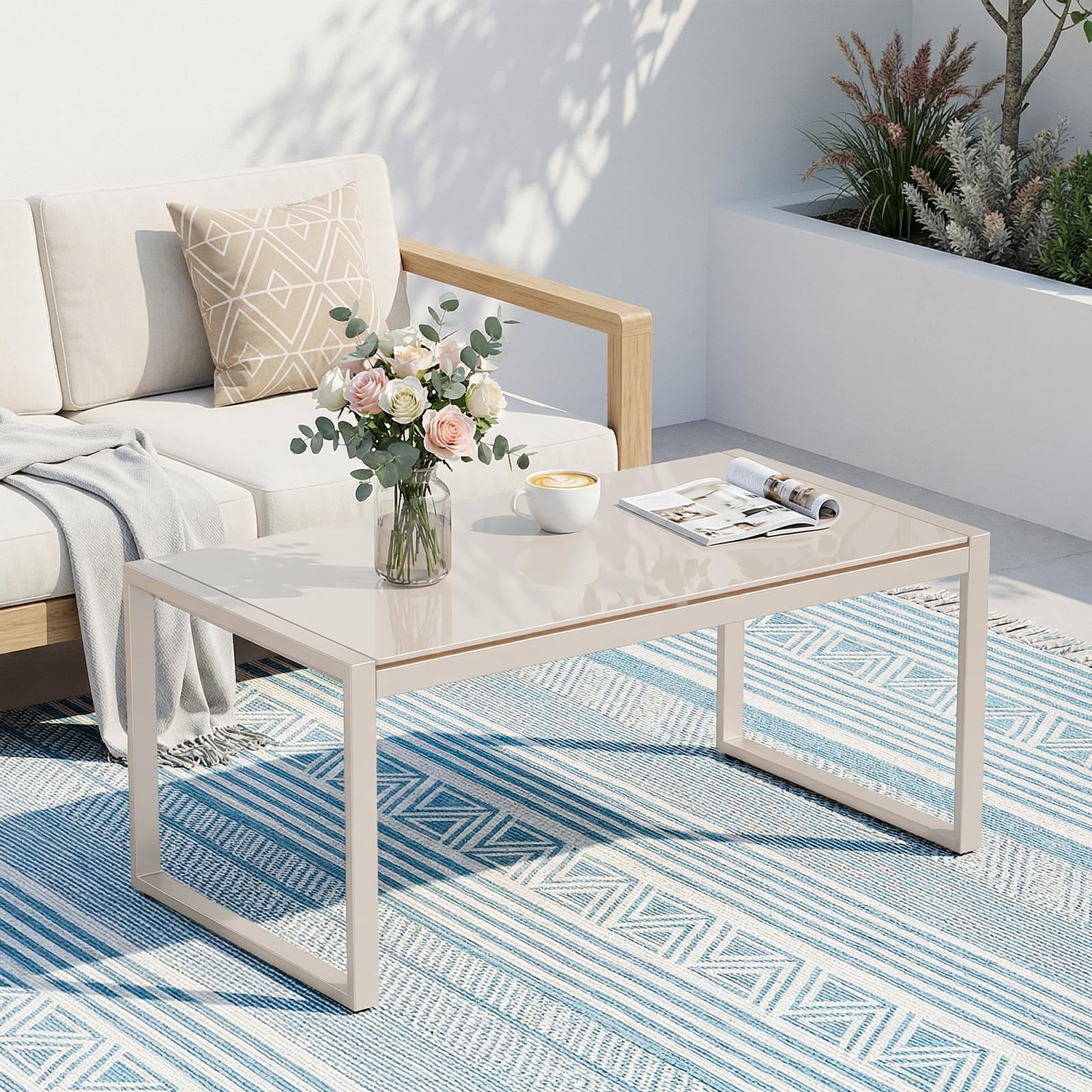
5. Outdoor Coffee Table Pick 5 — The Flexible Backup for Seasonal Spaces
The fifth table is the flexible backup: worth checking when you need an outdoor coffee table for a seasonal seating area, rental patio, or secondary zone near a fire pit. Because the scrape doesn’t expose a trusted brand or rating, don’t buy it on name recognition. Buy it only if the listing shows the right size, weather-rated material, and return terms.
This kind of pick can still make sense. A seasonal patio doesn’t always need a forever table; it needs something that holds drinks, cleans quickly, and stores without turning into a project. If the table is under 35 inches long, it’ll fit most two-chair arrangements. If it’s closer to 40 inches, it belongs with a longer outdoor sofa or sectional.
Check the feet before the finish. Leveling feet help on pavers and deck boards, where a perfectly flat table is rare. Rubber caps also protect composite decking from scratches. Small detail. Big difference after one summer of dragging furniture around.
Comparison Table
| Pick | Best Use | Known Specs | Material Clue | Rating |
|---|---|---|---|---|
| KANEODOT Outdoor Coffee Table | Most patios | 33.4×17.3×18.1 in | Metal heavy-duty frame | Not shown |
| Outdoor Coffee Table Pick 2 | Finish matching | Check listing | Outdoor patio table intent | Not shown |
| Outdoor Coffee Table Pick 3 | Covered porch | Check listing | Outdoor patio table intent | Not shown |
| Outdoor Coffee Table Pick 4 | Existing seating sets | Check listing | Outdoor patio table intent | Not shown |
| Outdoor Coffee Table Pick 5 | Seasonal spaces | Check listing | Outdoor patio table intent | Not shown |
What Size Outdoor Coffee Table Works Best?
Most outdoor coffee tables should sit within 1–2 inches of the seat height of the surrounding chairs or sofa. For typical lounge seating, that means about 16–19 inches high. Lower than 15 inches feels stylish but awkward when people are holding plates. Taller than 20 inches starts acting like a side table and can visually crowd a low sectional.
Length depends on the seating layout. A two-chair setup usually works with a 28–34 inch table. A full outdoor sofa can handle 36–44 inches. For sectionals, measure the open middle, then leave 14–18 inches of walking and leg clearance on every side people need to pass through.
Depth is where many patios go wrong. A 24-inch-deep table sounds generous indoors, but outside it can eat the walkway between a sofa and a railing. If your patio is under 8 feet deep, stay closer to 16–20 inches in table depth. The KANEODOT’s 17.3-inch width lands in that useful range.
Metal vs Wood-Look vs Resin Outdoor Tables
Metal wins for durability when the coating is good and the hardware is protected. Powder-coated steel is common and stable, though scratches need attention because exposed steel can rust. Aluminum costs more but won’t rust the same way, which makes it smart for coastal patios. If the listing doesn’t identify the metal, assume you’ll need a cover in wet climates.
Wood-look surfaces are mostly about warmth. Real teak and acacia can be excellent outside, but they need oiling or acceptance of gray patina. Low-cost wood-look composites vary more. Some clean easily; others fade or swell at seams. That’s why FSC sourcing, sealed edges, and manufacturer maintenance instructions matter.
Resin and plastic tables can be fine for covered patios, pool areas, and renters who move often. The trade-off is weight. Too light, and the table shifts every time someone bumps it. Too glossy, and it can look cheaper in direct sun. Reliable beats flashy here.
Buying Guide: Details That Matter Outside
Look at drainage before decoration. Outdoor furniture spends more time drying than posing for photos, and a table that traps water around screw heads will age faster. Slatted tops, slight gaps, and raised rims with escape paths all help. A flat solid top is acceptable under a roof, but it should still wipe dry without water pooling at the corners.
Check the base stance next. Four narrow legs can wobble on pavers, especially if the patio slopes for drainage. Wider sled bases, crossbars, or adjustable feet do better on imperfect surfaces. If you have composite decking, rubber foot caps are worth having because bare metal can leave marks.
Then consider storage and covers. A table that sits outside year-round should either tolerate a fitted cover or be light enough to move before storms. In freeze-thaw regions, trapped water can expand in seams and joints. That’s where ASTM weatherability concepts become practical, not academic: UV, moisture, and temperature cycling punish weak coatings.
Frequently Asked Questions
What is the best material for an outdoor coffee table?
Powder-coated metal is the safest default for most patios because it’s stable, easy to clean, and usually affordable. Aluminum is better near salt air because it doesn’t rust like steel. Wood can be beautiful, but it needs maintenance and better drainage.
How tall should an outdoor coffee table be?
Usually 16–19 inches. Match the table to your seat height, then stay within 1–2 inches if possible. The goal is easy reach from a lounge chair without forcing people to lean forward every time they set down a glass.
Can an outdoor coffee table stay outside all year?
Yes, if the material and hardware are made for it. Covered storage still extends the life of almost any table. In snow, salt air, or heavy rain, use a breathable cover and lift the table slightly so water doesn’t sit under the feet.
Is a rectangular or round outdoor coffee table better?
Rectangular works better with sofas and sectionals because it follows the seating line. Round works better between four chairs because everyone gets equal reach. On narrow patios, a slim rectangle usually saves the most space.
How much clearance do you need around a patio coffee table?
Plan for 14–18 inches between the table and seating. That gives enough knee room without making drinks feel too far away. If people need to walk through the gap, push closer to 24 inches on that side.
Do outdoor coffee tables need covers?
Not always, but covers help. UV exposure fades finishes, and standing water finds seams. A breathable cover is especially useful for powder-coated steel, wood-look tops, and tables that stay outside through winter.
Bottom Line
The KANEODOT outdoor coffee table is the one most people should buy first because its 33.4×17.3×18.1-inch size fits real patios without blocking the walkway. If you’re matching an existing conversation set, compare Pick 2 or Pick 4 by finish and exact height before deciding. Just don’t overpay for a vague outdoor table with no dimensions, no drainage detail, and no clear material information. Outside, the specs matter more than the staged photo.





Write Your Review
No reviews yet. Be the first to share your experience!