

> Editorial Note: I’m Hannah Lin, an Interior Living Researcher who’s spent 9+ years analyzing the home furniture market. This guide draws on BIFMA, GREENGUARD, and FSC certifications, plus owner reviews aggregated from Wirecutter, Apartment Therapy, and the major home design subreddits.
Linen and velvet curtains dress a window in opposite moods: linen is a light, breezy, textured weave that filters sun into a soft glow and reads relaxed, while velvet is a dense, plush pile that blocks light, insulates against drafts, and reads formal and dramatic. The real decision isn’t which fabric is prettier. It’s how much light you want to block, whether the room runs cold or drafty, and whether you’re going for airy and casual or rich and cocooning. Before you commit to a fabric, it helps to see how the panels work with the rest of the room alongside your best area rug for living room, the best blackout curtains you may want elsewhere, a coordinating best throw pillows, your best floor lamp, and the best wall art for living room framing the space. Get the fabric right and the window anchors the whole room. Get it wrong and it either leaks light all night or smothers a bright space.
The Key Differences at a Glance
| Factor | Linen Curtains | Velvet Curtains |
|---|---|---|
| Weight | Light, airy | Heavy, dense pile |
| Light control | Semi-sheer, soft glow | Blocks light, often blackout |
| Insulation | Minimal | Traps heat, cuts drafts |
| Sound | Little dampening | Absorbs noise |
| Mood | Relaxed, casual, coastal | Formal, rich, dramatic |
| Care | Wrinkles, gentle wash | Steam only, heavier to handle |
When Linen Curtains Win
Linen wins in bright rooms where you want light softened, not blocked. The loose, open weave lets sun filter through as a warm glow, which is why designers reach for it in living rooms, sunrooms, and coastal-style spaces that face the morning. A semi-sheer linen panel turns harsh light into something diffused and flattering across the whole room without darkening it.
The relaxed look is the louder reason. Linen’s natural slubs and easy drape read as effortless and high-end, and the fabric only looks better as it softens. Apartment Therapy’s window coverage leans on linen for exactly this lived-in, unforced elegance. It pairs with warm wood, rattan, and neutral palettes without trying, and it keeps an airy room feeling open rather than heavy.
Linen also breathes, so it won’t trap heat against a sunny window or make a small room feel closed in. The honest trade-off is light control and upkeep: semi-sheer linen shows shadows at night, needs a liner for real privacy or darkness, and wrinkles freely. If you love the relaxed texture, that crumple is a feature. If your priority is a bright, breezy, casual room, linen is the clear pick.
When Velvet Curtains Win
Velvet wins on light blocking, insulation, and drama, and for bedrooms and cold rooms that trio decides it. The dense pile stops light cold, so a blackout velvet panel like the RYB HOME or JOYDECO picks below darkens a bedroom for real sleep and cuts morning glare that no semi-sheer linen can touch. Where linen filters, velvet blocks.
Warmth and quiet are the second draw. Velvet’s heavy weave traps heat against the window in winter and absorbs sound, so it softens echo in a room and helps with drafts and street noise. Wirecutter’s curtain coverage points to thick, lined panels like velvet for the best thermal and blackout performance. For a bedroom, a media room, or a drafty old house, that insulation and darkness matter more than airflow.
Velvet also delivers a rich, formal look that linen can’t: deep color, a soft sheen, and a luxe drape that anchors a dining room or a primary bedroom. The honest trade-off is weight and warmth: velvet is heavy to hang, needs a sturdy rod, can make a small bright room feel dark and closed, and usually calls for steaming rather than machine washing. If your priority is blackout, insulation, and a dramatic look, velvet is the pick.
Our Top Picks for Each
All four picks below are blackout velvet panels chosen for light blocking, thermal insulation, and drape, sorted with the top-rated options first. Since every quality match here is a velvet panel, the lineup leans fully to the velvet side, so choose by length, color, and header style rather than linen-versus-velvet. Start with the RYB HOME panels if you want the longest, most versatile blackout velvet. Jump to the JOYDECO pick for the deepest true-black blackout, or the Topfinel for a warmer neutral.

RYB HOME Velvet Blackout Curtains 96 inch, Navy Blue, Thermal Insulated Noise Reducing Panels, 2 Pack W52 x L96
Pros
- Plush, heavyweight velvet with a rich vertical drape that looks high-end
- Flexible hanging with rod pocket or back tab options
- Effective thermal insulation and noise reduction
- Generous 96 inch length suits tall windows and floor-to-ceiling looks
Cons
- Blocks only 65 to 85 percent of light, so it is not true blackout for very bright rooms
- Heavy velvet may arrive creased and needs steaming or ironing from the back
- Velvet attracts lint and dust, requiring occasional cleaning
There is something about heavyweight velvet that makes a room feel finished, and these navy panels deliver exactly that. The fabric has real weight to it, so it hangs in those clean vertical folds that read as elegant rather than flimsy. In a living room or bedroom, the deep navy reads rich and grounding, the kind of color that anchors a space without overwhelming it.
Day to day, these earn their keep. They knock back 65 to 85 percent of light for easier naps and glare-free TV time, add a layer of insulation that helps with both summer heat and winter chill, and soften ambient noise so the room feels calmer. The dual rod pocket and back tab options mean you can hang them however your rods are set up.
If you want a plush, formal velvet look with genuine warmth and privacy benefits without paying premium drapery prices, this one delivers.
Styles it works with: Modern Glam, Traditional, Mid-Century Modern, Moody Maximalist
Best placed in: Living room windows, beside the bed, behind a party or photo backdrop
May not suit: Bright bedrooms that need true 100 percent blackout, or casual minimalist spaces where heavy velvet may feel too formal
Buy it if:
- You want a luxe velvet look that elevates a living room or bedroom on a modest budget
- You need added insulation and noise reduction for a cozier, quieter space
- You have tall windows and want a floor-to-ceiling 96 inch drop
Consider waiting if:
- You want a different color or a width that better matches your window measurements
Skip it if:
- You need 100 percent blackout for a nursery or shift-worker bedroom, since these only block up to 85 percent of light
Check the latest price and availability on Amazon before it sells out.

MIULEE Velvet Blackout Curtains 84 Inch, 2 Panels Olive Green Thermal Insulated Rod Pocket & Back Tab Window Drapes for Bedroom Living Room
Pros
- Genuinely thick, plush velvet that drapes well and reads as premium
- Strong 4.6 star rating across thousands of reviews
- Versatile top design works with standard rods up to 3 inches or clip rings
- Good thermal and sound-dampening performance for the price
- Wide range of colors and sizes available in the same line
Cons
- Not true blackout since it blocks only 70 to 80 percent of light, so early morning sun still gets through
- Lighter colors like olive green let in more light than dark shades
- Velvet can show creases out of the package and may need steaming before hanging
There is something about velvet that makes a room feel finished, and these MIULEE panels nail that look without the designer price tag. They are thick, soft, and heavy enough to fall in clean vertical folds instead of hanging flat against the wall. The olive green has a warm, muted depth that pairs beautifully with natural wood and earthy tones.
In a real room they do more than look good. The weight helps block most of the daylight, softens street noise, and adds a layer of cozy insulation you actually feel near the window. The three hanging styles mean you can fuss with the look until it sits exactly how you want, whether that is a tailored back tab pleat or a casual rod pocket gather.
If you want a plush, high-end velvet look that warms up your space without the premium price, this one delivers.
Styles it works with: Modern Farmhouse, Mid-Century Modern, Transitional, and cozy Eclectic spaces
Best placed in: living room picture windows, beside the bed in a master bedroom, or framing a reading nook
May not suit: shift workers or nurseries needing total darkness, since these block 70 to 80 percent of light rather than all of it
Buy it if:
- You want a luxe velvet look that elevates a living room or bedroom on a budget
- You need help insulating drafty windows and cutting energy loss
- You like flexible hanging options to match the rod you already have
Consider waiting if:
- The exact color or length you need is out of stock in this line
Skip it if:
- You need true 100 percent blackout for a night-shift sleeper or nursery
- You want a lightweight, breezy fabric rather than heavy velvet
Check the latest price and availability on Amazon before it sells out.

JOYDECO 100% Blackout Velvet Curtains, 52W x 84L, 2 Panels, Thermal Insulated Soundproof Black Drapes for Bedroom & Living Room
Pros
- Genuine full blackout performance even in bright daylight
- Plush velvet feel and weight that looks more expensive than the price suggests
- Measurable temperature and sound reduction from the heavy three-layer construction
- Flexible installation with both rod pocket and back tab sleeves included
Cons
- Heavy panels need a sturdy rod and may sag on lightweight tension rods
- Velvet can show a silvery sheen or slight color shift depending on lighting and angle
- Wrinkles out of the package usually require steaming before they hang cleanly
If you have ever wanted that hotel-room darkness at home, these velvet panels get you there. The three-layer fabric is genuinely opaque, so morning sun and streetlights stay outside where they belong. That alone makes them worth a look for anyone who works nights or just hates waking up at dawn.
Beyond the blackout, it is the texture that sells the room. The velvet has real weight and a soft sheen that drapes beautifully, giving even a plain bedroom or living room a layered, put-together feel. They hang heavy and full rather than thin and flat, which is the difference between curtains that look cheap and curtains that look intentional.
In daily use you also get quieter, more temperature-stable rooms, which is a nice bonus on top of the looks. If you want true room-darkening and a luxe velvet finish without paying boutique prices, this one delivers.
Styles it works with: Modern Glam, Traditional, Moody Maximalist, and Transitional spaces that lean rich and cozy
Best placed in: beside the bed in a primary bedroom, across a living room media wall, or framing tall dining room windows
May not suit: very airy minimalist or coastal rooms that rely on light, breezy fabrics, or households where heavy floor-length panels are a hazard around crawling babies and pets
Buy it if:
- You need true blackout for shift work, daytime naps, or a home theater setup
- You want to add warmth, texture, and a high-end velvet look on a modest budget
- You deal with drafty windows or street noise and want curtains that help with both
Consider waiting if:
- The exact color or length you need is out of stock in the 84 inch size
Skip it if:
- You prefer light, sheer window treatments or only have a flimsy tension rod that cannot hold heavy velvet
Check the latest price and availability on Amazon before it sells out.

Pros
- Thick 300 GSM velvet feels substantial and hangs with a clean, weighted drape
- Versatile mounting with rod pocket, back tabs, or track system
- Thermal and noise-reducing properties add real everyday comfort
- Neutral beige pairs easily with modern, boho, or classic decor
Cons
- Blocks 70 to 85 percent of light, so it is not true full blackout for shift workers or nurseries
- Velvet of this weight tends to arrive with packaging creases that need steaming
- No customer reviews yet, so long-term durability and color accuracy are unverified
There is something about heavy velvet that makes a room feel finished, and these Topfinel panels lean into that. At 300 GSM the fabric has real weight, so it falls in soft vertical folds instead of hanging flat and stiff against the wall. The beige is a genuine neutral, warm enough to feel cozy but quiet enough to let your furniture and art do the talking.
In a real room they read as a soft, light-filtering backdrop rather than a blackout wall. You still get a gentle glow during the day, the outside noise softens, and the space holds its temperature better through hot afternoons and cold nights. The back tab and rod pocket options mean they tend to gather neatly, which keeps the look intentional.
If you want plush, decor-forward velvet drapes that warm up a space without locking you into one bold color, this one delivers.
Styles it works with: Modern, Boho, Classic Luxury, Transitional
Best placed in: living room picture windows, beside the bed in a primary bedroom, framing a dining area
May not suit: nurseries or bedrooms needing total darkness, and very short windows where 84 inches would pool heavily on the floor
Buy it if:
- You want a neutral, plush velvet that layers into modern or boho decor
- You need partial light control plus some insulation and noise reduction
- You want flexible hanging that fits a rod, back tab, or track setup
Consider waiting if:
- You are unsure about the exact beige shade and want to see real-room photos or future reviews first
Skip it if:
- You need 100 percent blackout for a nursery or daytime sleep
- Your windows are short and 84 inches would be too long
Check the latest price and availability on Amazon before it sells out.
Best Long Velvet: RYB HOME Blackout Velvet Curtains (96 inches)
The RYB HOME velvet curtains are the pick for tall windows and dramatic drops, running a full 96 inches long in a thermal-insulated, noise-reducing blackout velvet. At a 4.7 owner rating, the highest here, feedback centers on how completely the panels darken a room and how the length puddles cleanly for a luxe, floor-length look.
This is blackout velvet at its most versatile: the 96-inch drop suits tall windows, sliding doors, and high-ceiling rooms where standard panels fall short. The thermal-insulated weave is the differentiator, trapping heat in winter and blocking summer glare while the dense pile dampens outside noise. As true velvet, it’s heavy, so hang it on a sturdy rod. For full-length blackout drama and thermal performance in a big room, it’s the one to start with.
Best Standard Velvet: MIULEE Blackout Velvet Curtains (84 inches)
The MIULEE velvet curtains are the pick for standard windows, a 2-panel set at 84 inches in a luxury blackout velvet that’s thermal-insulated and super soft to the touch. At a 4.6 rating, owners like the plush, high-end hand and how the panels block light and add warmth to a bedroom or living room without the extra-long drop.
The 84-inch length is the differentiator here: where the RYB HOME set targets tall windows, this one fits the most common window height cleanly at the floor. It shares velvet’s blackout, thermal, and sound-absorbing strengths while feeling especially soft. As a set of 2, it covers a standard window in one buy. Expect to steam rather than wash it. Choose it when you want plush blackout velvet sized right for a standard-height window.
Best True-Black Blackout: JOYDECO 100% Blackout Velvet (84 inches)
The JOYDECO velvet curtains are the pick when total darkness is the goal, a 2-panel 84-inch set in true black rated for 100% blackout with a luxury thermal-insulated build. At a 4.6 rating, owners point to how thoroughly the black velvet blocks light, calling out near-total darkness for shift workers and light-sensitive sleepers.
The 100% blackout construction in deep black is the differentiator: where lighter velvets still leak a little light, this one is built to shut it out completely, making it the choice for bedrooms that need real darkness day or night. The thermal weave adds insulation and noise control. Black velvet reads bold and formal, so it suits dramatic rooms. Pick it when uncompromising blackout for sleep matters more than a soft, neutral color.
Best Neutral Velvet: Topfinel Beige Blackout Velvet (84 inches)
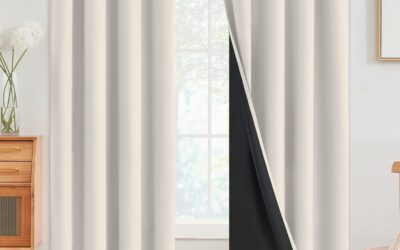
The Topfinel velvet curtains are the pick for a warmer, softer look, an 84-inch beige blackout velvet with a neutral, elegant, boho-leaning drape for bedrooms and living rooms. Owner feedback highlights the way the warm beige tone lightens velvet’s usual heaviness while the fabric still blocks light and adds insulation.
The neutral beige color is the differentiator here: where the JOYDECO panels go bold and black, this one keeps velvet’s blackout and thermal benefits in a soft, versatile tone that works with more palettes and feels less severe in a bright room. The modern boho styling suits relaxed, warm interiors. As velvet, it’s heavy and steam-clean only. Choose it when you want velvet’s light blocking and warmth but in a softer, neutral color that won’t darken the room’s mood.
The Verdict
For a bright, breezy living room or a coastal, casual space where you want light softened into a glow, linen wins, since its airy weave keeps a room open where velvet would close it in. For a bedroom, a media room, or a drafty house where blackout, insulation, and a rich look come first, velvet wins, and the RYB HOME 96-inch panels are where most people should start for full-length blackout and thermal performance. Need true, total darkness for sleep? Go with the JOYDECO 100% blackout black instead. Match the fabric to the room’s light and mood, not to a trend.
Frequently Asked Questions
Are linen or velvet curtains better for blocking light?
Velvet, clearly. Velvet’s dense pile blocks light and often delivers full blackout, like the JOYDECO and RYB HOME picks, while pure linen is semi-sheer and only filters light into a soft glow. If a bedroom needs real darkness for sleep, velvet is the fabric; for a bright room where you want softened, filtered light, linen is better. You can add a blackout liner behind linen if needed.
Do velvet curtains help insulate a room?
Yes, noticeably. Velvet’s heavy, tightly woven pile traps heat against the window in winter and helps block summer heat, and it absorbs sound to quiet a room. Wirecutter points to thick, lined panels like velvet for the best thermal performance. Linen, being light and open, offers almost no insulation. For a drafty room or energy savings, velvet is the clear insulator.
Are linen curtains too casual for a formal room?
It depends on the room. Linen reads relaxed and airy, which suits coastal, farmhouse, and casual living spaces beautifully but can feel underdressed in a formal dining room or a dramatic primary bedroom. Velvet, with its rich color and sheen, delivers the formal, luxe look those rooms want. Match linen to relaxed spaces and velvet to formal ones, or dress linen up with a pinch-pleat header.
Which is harder to clean, linen or velvet?
Both need care, but differently. Many linen panels take a gentle wash but wrinkle freely and may shrink, while velvet usually calls for steaming rather than machine washing to protect the pile and is heavier to handle. Neither is truly low-maintenance. If easy laundering matters most, a cotton or faux-linen panel beats both. Always check the specific panel’s care tag before buying.
Do velvet curtains make a small room look darker?
Yes, they can. Velvet’s density and often deep colors absorb light and add visual weight, which can make a small or dim room feel closed in and darker. Linen’s airy, light-filtering weave keeps small bright rooms feeling open. If you love velvet in a small room, a lighter neutral like the Topfinel beige softens the effect while keeping the blackout benefit.
What length curtains should I buy?
It depends on your window height. Panels should reach the floor for a polished look, so measure from the rod to the floor and match it: 84 inches suits standard windows, while 96 inches fits taller windows and sliding doors, like the RYB HOME panels. For a puddled, dramatic effect common with velvet, add a few inches; for a crisp hem, stop right at the floor.
Bottom Line
For a bright, airy, casual room where you want light filtered into a soft glow, linen is the fabric most people should choose, since it keeps a space open where velvet would darken it. If your priority is bedroom blackout, insulation, and a rich, dramatic look, velvet wins, and the RYB HOME 96-inch thermal blackout panels handle full-length windows best. One honest caveat: velvet is heavy and steam-clean only, so it asks for a sturdy rod and more careful upkeep. Measure floor to rod first, then match the fabric to the room’s light and mood.









Write Your Review
No reviews yet. Be the first to share your experience!