

> Editorial Note: I’m Maya Chen, a bedroom and sleep editor covering mattresses, bed frames, and bedding. The picks here are evaluated against CertiPUR-US foam standards, Sleep Foundation evaluation protocols, and owner durability reports from r/Mattress.
Linen beats cotton in August. In January, cotton usually wins. The rest depends on how hot you sleep and whether you can live with wrinkles. This is the summer sheet decision that trips up most people, because they buy for how a fabric feels in the store instead of how it behaves at 3 a.m. in July. If you’re rebuilding your warm-weather bed setup, it helps to read this alongside our guides on the best cooling mattress, breathable summer bedding, how to keep a bedroom cool at night, best lightweight duvet insert, and best queen bed frame. Both fabrics are natural, both breathe far better than polyester microfiber, and both can run cool if you buy the right weave. The difference that actually matters at night comes down to three things: weave structure, moisture behavior, and how much upkeep you’re willing to trade for that hotel-crisp feel. Get those right and either fabric can carry you through a heat wave. Get them wrong and you’ll be flipping the pillow every hour.
The Key Differences at a Glance
| Factor | Linen | Cotton (Percale) |
|---|---|---|
| Fiber source | Flax stalk (long bast fiber) | Cotton boll (shorter staple fiber) |
| Feel | Textured, relaxed; softens over years | Crisp, smooth, cool to first touch |
| Breathability | Very high (hollow fiber, loose weave) | High (depends on weave and thread count) |
| Moisture wicking | Absorbs up to 20% of its weight before feeling damp | Absorbs well but stays damp longer |
| Wrinkles | Heavy, permanent-looking creases | Light, ironable creases |
| Lifespan | 3–5x longer with care; often 5–10 years | Typically 2–4 years of nightly use |
| Upfront cost | Higher ($120–$250 for a queen set) | Lower ($40–$120 for a queen set) |
When Linen Wins
If you’re a genuinely hot sleeper, the kind who kicks a leg out from under the covers by midnight, linen is the fabric to buy. Flax fiber is hollow, so it moves air and pulls moisture away from skin faster than most cotton weaves. The Sleep Foundation notes that linen’s loose, open weave keeps airflow moving even when humidity climbs, which is exactly the condition that makes a July night miserable. Linen can absorb close to 20% of its weight in moisture before it feels wet against you. That’s the difference between waking up clammy and waking up dry. It also handles a hot, still bedroom better than any woven cotton, because the gaps between threads act like tiny vents.
Linen also wins the long game. A quality set made from European flax softens with every wash and can last 5 to 10 years, three to five times longer than typical cotton under nightly use. OEKO-TEX certification, which caps chemical residue on textiles, is common on better linen and worth checking before you buy. The trade-off is honest. Linen wrinkles hard, it costs more upfront, and it feels rough for the first few washes. If you love a lived-in, relaxed bed and you sleep hot, none of that matters. If you need a crisp, pressed look every morning, keep reading. And if you share the bed with a partner who runs warmer than you, linen is usually the compromise that keeps both of you comfortable.
When Cotton Wins
Cotton is the better pick if you run cool-to-neutral, you’re on a budget, or you simply can’t stand a wrinkled bed. Percale, a plain one-over-one-under weave, feels crisp and cool the instant you slip in, which is the sensation most people associate with a good hotel. That first-touch coolness is real, and for sleepers who aren’t sweating through the night, it’s often enough. A 200 to 300 thread-count percale breathes better than the 600+ sateen sheets marketed as “luxury,” so don’t chase a high number. Wirecutter has made the same point for years: past a certain thread count, you’re buying density, not comfort.
Cotton also wins on price and forgiveness. A solid queen percale set runs $40 to $120, roughly half what comparable linen costs, and it takes almost no break-in period. It’s soft out of the bag. It irons easily, tolerates hot washes, and hides less lint than cheap microfiber. The catch is moisture. Cotton holds it longer than linen once the fabric is saturated, so if you’re a heavy sweater it can feel damp by morning. It also wears out faster, running two to four years of nightly use before the weave thins at the folds. For most neutral-temperature sleepers who wash weekly, that’s a fair trade for the lower price and the crisp feel. Buy two sets and rotate them, and even that shorter lifespan stretches comfortably past three years.
Our Top Picks for Each
Every pick below clears a 4.4 owner rating (except one recent listing without an aggregate score yet), and I chose them on three criteria: fiber source you can verify, weave structure suited to summer airflow, and deep pockets that fit modern mattresses. Start with #1 if you sleep hot and want the coolest option. Jump to #3 if you want crisp cotton at the lowest price and don’t mind ironing.

Pros
- Genuine 100% French linen from Normandy, a rare and verifiable sourcing claim that justifies the price
- OEKO-TEX Standard 100 certification confirms no toxic dyes or chemicals, making it safe for sensitive skin
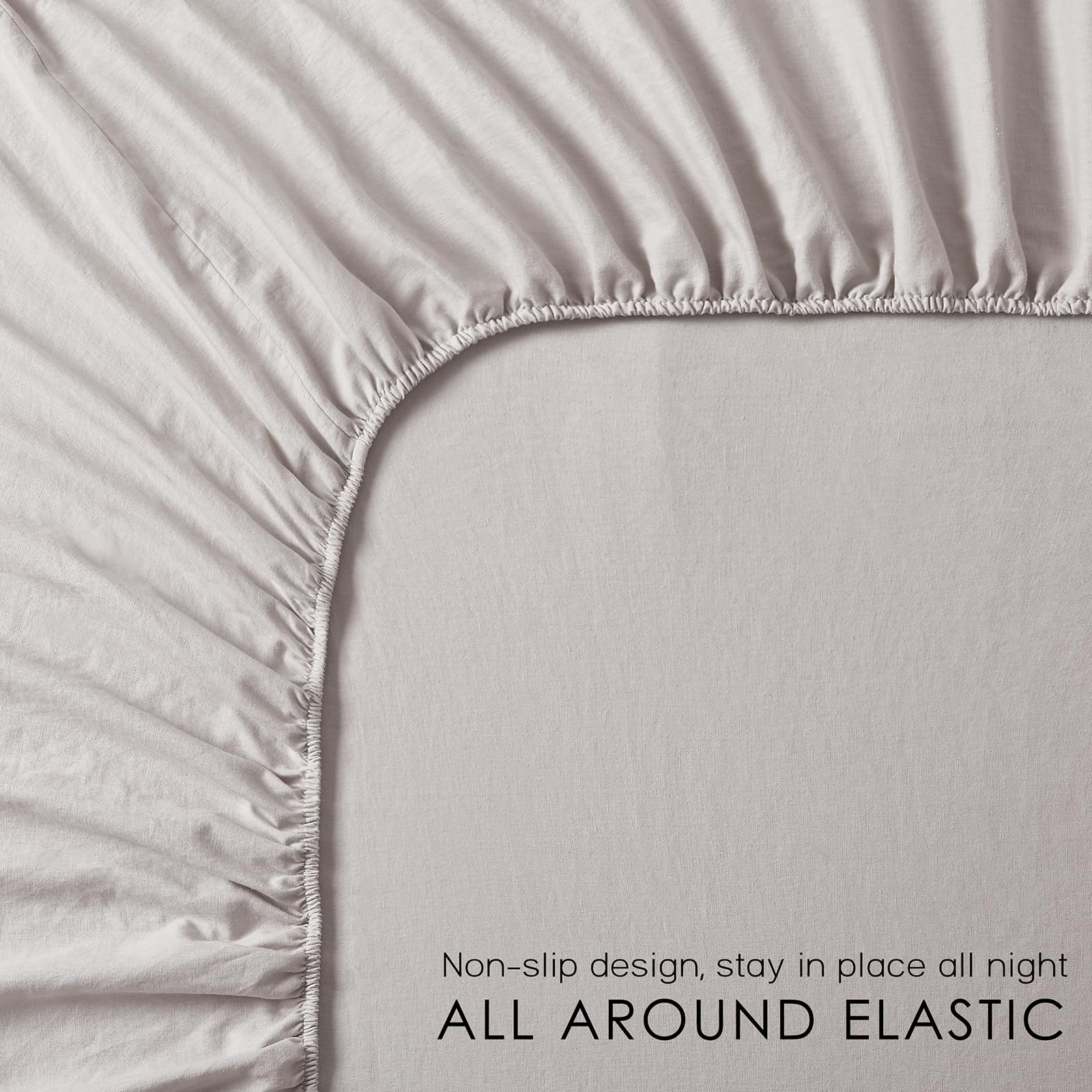
- All-around elastic band on the fitted sheet with a 16-inch deep pocket provides a secure, shift-free fit on most queen mattresses
- Natural moisture-wicking linen fabric makes it one of the better options for hot sleepers or humid climates
- Backed by a no-questions-asked return or replacement policy through Amazon
Cons
- Linen requires more careful laundering than cotton and can wrinkle significantly, which may frustrate buyers who prefer low-maintenance bedding
- No customer reviews yet, so real-world durability and color accuracy after washing cannot be independently verified at this time
- At $113.99, it sits above budget cotton sheet sets, which may be hard to justify for shoppers who are new to linen and unsure of the texture
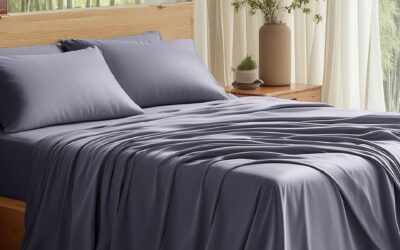
There is something genuinely different about climbing into a bed dressed with real linen, and the OnlySet French Linen Sheet Set captures that feeling without requiring a luxury hotel budget. The fabric comes from Normandy, a region in France where Atlantic coastal conditions produce flax fiber with exceptional breathability and tensile strength. That origin story is not just marketing copy. It is the reason this linen feels distinctly alive compared to blended or synthetic alternatives.
What makes this set stand out for home decor buyers specifically is how well it photographs and how naturally it fits into a considered bedroom. Linen drapes with a relaxed, slightly textured fall that looks effortless on a made bed. It pairs beautifully with wooden headboards, rattan furniture, and neutral wall tones without trying too hard. The muted, natural colorways also mean it will not clash as you update surrounding decor over time.
Day to day, the temperature-regulating properties are the real advantage. Linen absorbs moisture before it feels damp, which translates to fewer 3am blanket adjustments and calmer, more consistent sleep. If you want genuinely breathable, naturally sourced bedding that improves with age without sacrificing a refined bedroom aesthetic, this one delivers.
Styles it works with: Scandinavian, Modern Farmhouse, Coastal, Minimalist
Best placed in: Primary bedroom as the main sheet set, guest bedroom for an elevated hospitality feel, a vacation rental or Airbnb where low-fuss natural textiles photograph well
May not suit: Bedrooms with bold, maximalist decor where linen's understated texture may feel too quiet; households that prefer crisp, smooth cotton and do not want to manage linen's natural wrinkle tendency
Buy it if:
- You sleep hot or wake up sweating and want a natural fabric that actively manages body temperature through the night
- You are building a Scandinavian, coastal, or minimalist bedroom and want textiles that look styled without extra effort
- You have sensitive skin and need OEKO-TEX certified bedding free from chemical finishes and dyes
Consider waiting if:
- You want to see verified customer reviews before committing, as this listing currently has no published feedback on color accuracy or long-term durability after repeated washing
Skip it if:
- You strongly dislike wrinkled bedding and prefer the smooth, pressed look of high-thread-count cotton percale or sateen
- Your mattress exceeds 16 inches in depth, as the fitted sheet may not provide a reliable fit beyond that measurement
Check the latest price and availability on Amazon before it sells out.

EcoBedsoNight Cotton Linen Sheet Set Queen - Breathable 4-Piece Bed Sheets with 18" Deep Pocket for Year-Round Comfort
Pros
- Breathable cotton-linen blend prevents night sweats and overheating
- Deep 18-inch pockets accommodate pillow-top and thick mattresses securely
- Double-stitched seams add durability for long-term use
- Machine washable with simple care instructions
- Natural fibers regulate temperature across seasons
Cons
- No customer reviews yet to verify quality claims
- Linen blends naturally wrinkle more than pure cotton or microfiber
- Only available in one color (natural linen) limits decor flexibility
This sheet set solves one of the most common bedroom complaints: waking up too hot or too cold. The cotton-linen blend gives you the softness of cotton where it touches your skin, plus the breathability and moisture-wicking properties of linen. It's the kind of bedding that feels crisp and fresh when you climb in, then adapts to your body temperature through the night.
The 18-inch deep pocket is a practical win for anyone with a pillow-top, memory foam topper, or just a thicker mattress. No more fighting with fitted sheets that pop off the corners at 3 a.m. The double-stitched edges mean this set is built to handle weekly washing without falling apart, which matters when you're investing in natural-fiber bedding.
If you want year-round comfort and breathable bedding without paying luxury prices, this one delivers.
Styles it works with: Modern Farmhouse, Scandinavian, Coastal, Minimalist
Best placed in: Master bedroom, guest bedroom, any queen-sized bed where temperature regulation matters
May not suit: Homes wanting bold or patterned bedding; buyers who prefer the crisp smoothness of high-thread-count cotton; those needing color options beyond natural linen
Buy it if:
- You sleep hot and need breathable, temperature-regulating sheets
- You have a thick mattress (14-18 inches) and struggle with fitted sheets staying in place
- You prefer natural fibers over synthetic microfiber or polyester blends
- You want low-maintenance bedding that's machine washable and durable
Consider waiting if:
- You want to see verified customer reviews and photos before purchasing
- You're hoping for a sale price or promotional discount
Skip it if:
- You need sheets in a specific color to match existing bedroom decor
- You dislike the natural texture and wrinkles that come with linen-blend fabrics
- Your mattress is thinner than 14 inches and standard pockets would fit fine
Check the latest price and availability on Amazon before it sells out.

Linen Home 100% Cotton Percale Queen Sheet Set 4-Piece White Deep Pocket 200TC Hotel-Style Bedding
Pros
- 100% long-staple combed cotton percale delivers genuine breathability and that signature crisp feel that softens naturally with each wash
- All-around elastic on the fitted sheet prevents corner slippage on thicker mattresses up to 16 inches deep
- OEKO-TEX Made in Green certification provides third-party assurance on both material safety and ethical manufacturing
- Generous flat sheet dimensions (90 by 102 inches) offer ample tuck on a queen bed without pulling loose overnight
Cons
- At 200 thread count, the weave is on the lighter end for percale, which means the sheets may feel thinner than shoppers accustomed to higher-TC sets expect
- No customer reviews are currently available to verify real-world durability, shrinkage, or color accuracy after washing
- Machine wash warm with tumble dry low is required to limit shrinkage, which is more restrictive than cold-wash-only sets
Percale sheets have a loyal following for good reason: that tightly woven, one-over-one construction creates a matte, smooth surface that feels cool and substantial the moment you slide in. The Linen Home set leans into this with long-staple combed cotton yarns that start crisp and get better with every wash, gradually developing a softness that still holds the characteristic cool hand feel percale lovers are after.
What stands out in a crowded sheet market is the attention to finishing details. The z-hem stitch along the flat sheet and pillowcase edges is the kind of tailored touch you normally see on sheets costing significantly more. Paired with a deep pocket fitted sheet that uses elastic all the way around rather than just at the corners, the whole set has a put-together look and feel that holds up on the bed through the night.
The OEKO-TEX Made in Green certification is worth noting for shoppers who care about what goes on their skin while they sleep. It is not just a marketing claim; it requires third-party verification of both the finished product and the facility where it was made. If you want hotel-style crispness and breathable cotton without the uncertainty of unverified manufacturing claims, this one delivers.
Styles it works with: Minimalist, Scandinavian, Modern Farmhouse, Classic Traditional
Best placed in: Primary bedroom as an everyday sheet set, guest bedroom for a clean hotel-ready look, or a college dorm room where durability and easy care matter
May not suit: Bedrooms styled around plush, ultra-soft textures like velvet or sateen, where the crisp percale hand feel may feel out of place; also may not be the best fit for households with young children who need very frequent hot-water washing, as the warm-wash-only care requirement limits sanitizing flexibility
Buy it if:
- You sleep hot and want a breathable, cool-to-the-touch cotton sheet that does not trap heat the way microfiber or sateen blends can
- You are furnishing a guest room and want a crisp, hotel-style bed that looks polished without a large investment
- You prefer certified, chemical-free bedding and want OEKO-TEX documentation to back up that claim
Consider waiting if:
- You want to see verified customer reviews on long-term durability and post-wash shrinkage before committing, as no reviews are currently available
Skip it if:
- You prefer an ultra-soft, silky feel from day one and do not want to wait through a break-in period for the fabric to soften
- Your mattress is deeper than 16 inches, as the fitted sheet is not designed to accommodate extra-deep profiles beyond that
Check the latest price and availability on Amazon before it sells out.
Best Linen for Sweat-Through Summers: OnlySet Organic French Linen
The OnlySet 4-piece set is the one to buy if you sweat through summer, and it earns its 4.6 rating on fiber quality alone. This is 100% French linen sourced from flax grown in Normandy, one of the two regions (with Belgium) that produce the long, strong bast fibers behind the best European linen. That matters because Normandy flax spins into a smoother, more durable yarn than the shorter-staple linen used in bargain sets. The 16-inch pockets clear all but the thickest pillow-top mattresses, and owners consistently report the fabric softening noticeably after three or four washes. It wrinkles like all real linen. That’s the look, not a flaw. If you want the coolest, longest-lasting sheet here and the relaxed texture is a feature rather than a bug, this is your set.
The Blend for Deep Mattresses: EcoBedsoNight Cotton Linen Set
The EcoBedsoNight set, rated 4.4, is the smart middle path for someone who wants linen’s breathability without its full stiffness or price. It blends linen with cotton, which tempers the rough break-in period. You get much of the airflow and a softer first-night feel than pure flax. The standout spec is the 18-inch deep pocket, the deepest here, so it’s the pick if you own a tall or layered mattress that swallows standard fitted sheets. It won’t wick quite as aggressively as the pure French linen above, and the blend wrinkles a touch less. Choose this one if you sleep warm but not scorching, and you’d rather split the difference between crisp and relaxed than commit fully to either. It’s also the most forgiving option for a first-time linen buyer who isn’t sure about the texture yet.

Crisp Cotton Without the Linen Price: LINENHOME Cotton Percale
The LINENHOME set is 100% cotton percale, and it’s the pick for the crisp-and-cool camp who don’t want to spend linen money. Percale’s plain weave is what delivers that clean hotel-sheet snap the moment you get in, with no break-in needed. This set ships in classic white with a deep-pocket fitted sheet plus a flat, so it’s ready for a standard queen out of the bag. It doesn’t carry an aggregate rating yet as a newer listing, so buy it on the merits of the weave rather than crowd consensus. It’ll wrinkle lightly and need the occasional press to stay sharp, and you can expect two to four years of nightly use. For a cool, low-cost, no-fuss cotton bed, it does the job. White also hides less than you’d think, and it bleaches clean if summer sweat leaves a mark.
The Verdict
For genuinely hot summer sleepers, linen wins. The OnlySet French linen runs cooler and lasts years longer than any cotton here. For neutral-temperature sleepers on a budget who want crisp sheets and hate wrinkles, cotton wins, so go with the LINENHOME percale. If you’re somewhere in between, or you own a deep mattress, the EcoBedsoNight linen-cotton blend splits the difference at a lower price than pure linen. Buy for how you actually sleep, not how the fabric feels in a five-second store touch.
Frequently Asked Questions
Are linen sheets actually cooler than cotton in summer?
Yes, for most hot sleepers. Linen’s hollow flax fiber and loose weave move air and wick moisture faster, so it stays dry longer than cotton once you start sweating. Cotton feels cooler to the first touch, but linen keeps you cooler through the whole night.
Do linen sheets get softer over time?
Yes. Real linen breaks in with washing, and most owners report a noticeable softening after three or four wash cycles. It keeps getting better for years. That’s the opposite of cheap microfiber, which pills and degrades. It’s the main reason linen justifies the higher price.
Is a high thread count better for summer sheets?
No. Above roughly 300, higher thread count usually means a denser, warmer weave. For summer, a 200 to 300 thread-count cotton percale breathes better than a 600+ sateen. With linen, thread count barely applies, because the open weave is what keeps you cool.
How long do cotton sheets last compared to linen?
Cotton percale typically lasts two to four years of nightly use before the weave thins at the folds. Quality linen often lasts five to ten years, three to five times longer. That longevity narrows the real cost gap once you spread it across years.
Which is easier to care for, linen or cotton?
Cotton, by a clear margin. It’s soft out of the bag, irons easily, and tolerates hot washes. Linen wrinkles heavily and takes a few washes to soften. If a pressed, crisp bed every morning matters to you, cotton’s the lower-effort choice.
Can linen or cotton sheets help with night sweats?
They may help. Both wick moisture far better than polyester, and linen wicks fastest of the natural options, which can keep you drier. Neither is a medical fix for heavy night sweats, so pair breathable sheets with a cooling mattress and lighter bedding for the best result.
Bottom Line
The OnlySet French linen is the one most hot sleepers should buy, because it runs the coolest, wicks the fastest, and outlasts cotton by years. If you sleep cool-to-neutral, hate wrinkles, or want to spend less, go with the LINENHOME cotton percale for that crisp hotel feel. And if your mattress is unusually deep or you want a gentler break-in, the EcoBedsoNight linen-cotton blend is the balanced middle. Match the fabric to your body heat, not the label.
Write Your Review
No reviews yet. Be the first to share your experience!