

> Editorial Note: I’m Maya Chen, a bedroom and sleep editor covering mattresses, bed frames, and bedding. The picks here are evaluated against CertiPUR-US foam standards, Sleep Foundation evaluation protocols, and owner durability reports from r/Mattress.
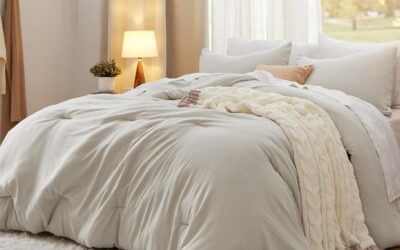
The biggest mistake isn’t the color or the pattern. It’s buying too many pillows and lining them up in a flat single row, so the bed reads cluttered and shallow at the same time. Depth comes from layering front to back in three tiers, not from adding one more cushion. Get the tiers right and a plain comforter looks styled; get them wrong and even expensive bedding falls flat. If you’re still sorting out the foundation first, start with a best platform bed frame, the right best memory foam mattress or best cooling mattress, a best down alternative comforter, and a best nightstand with charging station before you touch a single throw pillow. Then come back here.
The Ground Rules Before You Start
Three non-negotiables. First, match your sleeping pillows to your headboard width: a queen (60 inches) takes two standard 20-by-26-inch pillows across, a king (76 inches) takes two kings or three standards. Second, build in odd-numbered tiers of decreasing height so the eye steps down toward the foot. Third, leave the bottom third of the mattress clear. Pillows should occupy the top 24 to 30 inches only. Pile them past the halfway line and the bed looks smaller, not fuller.
Step 1: Set the Back Wall With Euro Shams
Start here. Everything else leans on this tier. Euro shams are the square 26-by-26-inch pillows that stand upright against the headboard and form the visual back wall of the whole arrangement. On a queen, use two side by side; on a king, use three. They fill the vertical gap between the mattress and the headboard, which is usually 10 to 14 inches of dead space that makes a bed look unfinished when it’s left bare.
Buy inserts one size up from the cover. A 26-inch cover wants a 28-inch insert so the corners stay plump instead of collapsing into flat dog-ears. Feather or feather-down inserts hold a karate-chop dent; polyester won’t, so skip the poly if you like that tailored crease. Stand them fully upright, not slouched. If they slump forward, your insert is too soft or too small. Apartment Therapy stylists lean the shams at a slight backward tilt against the headboard so the front tiers have something to rest into. That tilt is what keeps the arrangement from sliding flat by morning.
Step 2: Layer Your Sleeping Pillows In Front
These are the two you actually sleep on, and they do double duty as the middle tier. Standard sleeping pillows measure 20 by 26 inches; queens 20 by 30; kings 20 by 36. Lay them flat and stacked, two per side, directly in front of the Euro shams. Two stacked pillows give you roughly 8 to 10 inches of loft, which sits perfectly between the 26-inch Euro back wall and the shorter accent tier coming next.
Dress them in shams that coordinate with your duvet but don’t match it exactly. A matched set reads like a hotel; a near-match reads like a home. If you sleep on more than two pillows, store the extras in the closet during the day. Four flat pillows crammed at the head is the single most common way a made bed looks messy. Sleep Foundation notes that pillow loft affects neck alignment, so keep the ones you sleep on functional and let the decorative tier handle the styling. Tuck the front edge of the top comforter fold just under this row to hide the seam where shams meet duvet.
Step 3: Add the Accent Tier With Throw Pillows
This is the layer people see first, so it carries the personality. Use an odd number: three throw pillows on a queen, or a pair plus one lumbar on a king. Standard throw covers run 18 by 18 or 20 by 20 inches, and they should sit noticeably shorter than the sleeping pillows behind them so each tier stays visible. That step-down is the whole effect.
Mix textures before you mix colors. A woven or chenille face next to a smooth cotton one reads richer than two identical squares, even in the same shade. Pull one color from your comforter and one from the room, then let the third pillow be a neutral that ties both together. Keep patterns to one bold print maximum per arrangement, surrounded by solids and subtle textures. Space three 18-inch pillows across a 60-inch queen with a couple inches of breathing room between each, not jammed edge to edge. Crowding kills the depth you just built in the two tiers behind.
Step 4: Finish With a Lumbar and a Fold
The last tier is optional but it’s what separates a styled bed from a stacked one. A single lumbar pillow, usually 12 by 20 inches, sits centered in front of everything and gives the eye a resting point. One is plenty. Two lumbars fight for attention and push the whole arrangement past that 30-inch top-third boundary.
Then fold. Fold the top comforter or a coverlet down about 18 inches from the head so a band of the flat sheet or a contrasting blanket shows through. That horizontal line grounds the vertical pillow tiers and stops the top of the bed from feeling top-heavy. Drape a lightweight throw at an angle across one bottom corner, roughly 24 inches of overhang, to break the symmetry. Symmetry up top, one asymmetric element at the foot. That’s the balance that makes it look intentional rather than staged.
The Right Products Make It Easier
I looked for 18-by-18-inch covers above a 4.5 owner rating with hidden zippers and textures that layer well against a solid duvet. All three below are the accent tier from Step 3.

MIULEE Boho Sage Green Throw Pillow Covers 18x18 Set of 4 Soft Corduroy Farmhouse Nordic Cushion Covers for Couch Sofa Bed
Pros
- Four covers included at a price point that undercuts most two-pack competitors
- Corduroy fabric provides a tactile, lived-in quality that photographs well and feels premium in person
- Hidden zipper delivers a seamless finish that looks intentional rather than functional
- Machine washable on a gentle cycle, making upkeep practical for everyday use
- 18x18 is a universally common insert size, so finding compatible inserts is straightforward
Cons
- Pillow inserts are not included, which adds to the total cost if you are starting from scratch
- Polyester corduroy may not satisfy buyers who prefer natural fiber materials like cotton or linen
- Color accuracy can shift depending on your monitor, so the sage green you see may read slightly warmer or cooler in person
These MIULEE pillow covers punch well above their price. The corduroy fabric has a soft, ridged texture that catches light in a way smooth polyester never does, giving your sofa or bed an elevated, layered look without any heavy lifting. The sage green sits in that ideal middle ground between muted and vibrant, so it works as a neutral anchor or a gentle pop of color depending on what you pair it with.
Getting four covers in one order is genuinely useful. You can cluster all four on a large sectional, split them between a sofa and a reading chair, or keep two out and rotate the others when you want a subtle seasonal refresh. The hidden zipper is a small detail that makes a real difference in person since there is no visible hardware to pull the eye away from the texture and color.
If you want a cohesive, nature-inspired update to your living room or bedroom without spending on new furniture or committing to a full remodel, this one delivers.
Styles it works with: Modern Farmhouse, Boho, Scandinavian Hygge, Earthy Minimalist
Best placed in: Living room sofa or sectional, bedroom headboard arrangement, window seat or reading nook bench
May not suit: Highly formal or traditional interiors where rich jewel tones and ornate patterns are the design anchor, or compact spaces already carrying heavy pattern where a textured solid would read as filler rather than a feature
Buy it if:
- You want to update a neutral sofa or bed with a cohesive set of covers without sourcing multiple single packs
- You are building a boho, farmhouse, or nature-inspired room and need a grounding green tone that does not read too dark or too muted
- You already own 18x18 inserts and just need fresh covers to change the look of a room quickly
Consider waiting if:
- You need a specific deeper forest green or a lighter eucalyptus tone and want to compare swatches in person before committing
Skip it if:
- You need pillow covers made from natural fibers like cotton or linen for allergy or texture preference reasons
- Your existing decor is heavily pattern-driven and a solid textured cover would disappear visually rather than contribute
Check the latest price and availability on Amazon before it sells out.

MIULEE Chenille Throw Pillow Covers 18x18 Set of 4, Neutral Soft Decorative Cushion Covers with Invisible Zipper for Couch, Bedroom & Living Room
Pros
- Plush, heavyweight chenille feels soft and looks more premium than the price suggests
- Versatile neutral tones work across farmhouse, modern, and boho styles
- Hidden zipper sewn with neat stitching allows effortless insert swaps
- Machine washable and easy to maintain over time
- Comes as a coordinated set of four for a unified look
Cons
- Inserts are not included, so you need to buy four 18x18 pillow forms separately
- Handmade cutting and sewing allows a 1 to 2cm size variance between covers
- Screen and lighting differences mean the neutral color may look slightly different in your room
If you have ever stared at a flat, dated couch and wished you could hit refresh without spending a fortune, this is the kind of small upgrade that does the heavy lifting. The chenille feels genuinely plush and substantial in hand, with a soft velvety surface that catches light in a quiet, cozy way rather than looking cheap or shiny.
In a real room, the neutral mix of taupe, gray, and brown is the quiet hero. It layers beautifully against warm wood, leans into a farmhouse or boho vibe, and still looks at home in a clean modern space. Because you get four matching covers, your sofa or bed reads as intentional and pulled together instead of pieced from random buys. The invisible zipper keeps the look tailored and makes swapping inserts painless.
If you want a soft, polished refresh for your couch or bed without committing to brand new pillows or a bold color you might regret, this one delivers.
Styles it works with: Modern Farmhouse, Boho, Scandinavian, Mid Century Modern
Best placed in: living room sofa, on the bed against the headboard, a reading chair or bench corner
May not suit: homes wanting bold, saturated color statements, or anyone who needs the inserts included rather than buying them separately
Buy it if:
- You want to refresh a couch or bed with soft, neutral covers that match almost any decor
- You already own 18x18 inch pillow inserts and just need new covers
- You want a coordinated set of four for a unified, layered look
Consider waiting if:
- You are unsure of your exact insert size and want to measure first
- You need a specific neutral shade and want to confirm the current color in available photos
Skip it if:
- You need pillow inserts included in the purchase
- You want a bold patterned or brightly colored accent pillow
Check the latest price and availability on Amazon before it sells out.

YZJZEDS 100% Cotton French Pastoral Throw Pilow Covers Set of 2 - 18x18 Blue Farmhouse Cushion Covers
Pros
- Genuine 100% natural cotton that is soft, breathable, and skin-friendly
- Two covers included at under $16 offers strong value for the quality
- Clean hidden zipper with smooth operation for easy insert changes
- Versatile French pastoral print pairs well with multiple decor styles
- High review volume with a 4.6 rating signals consistent customer satisfaction
Cons
- Hand wash is recommended; machine washing may cause fading over time
- Fabric color is cream or light beige, not pure white, which can surprise some buyers
- Covers only, no pilow inserts included
- Single-sided print means the back is plain, limiting styling flexibility on open seating
These YZJZEDS pillow covers hit a sweet spot that is hard to find: they look curated and intentional, but they cost less than a takeout dinner for two. The blue French pastoral motif feels calm and collected, the kind of pattern that quietly elevates a neutral sofa without screaming for attention.
In hand, the unbleached cotton has a natural, slightly textured feel that photographs beautifully and gets softer with gentle washing. The hidden zipper sits flush, so the silhouette stays neat whether you toss them on a couch or prop them on a reading chair.
If you want a quick farmhouse refresh that feels like real quality without spending on designer-priced textiles, this set delivers.
Styles it works with: French Country, Modern Farmhouse, Cottage Core, Coastal Grandmother
Best placed in: Living room sofa or accent chair, guest bedroom bed, reading nook bench
May not suit: Ultra-modern or industrial spaces where pastoral prints clash with clean lines; homes with pets prone to snagging woven cotton fabrics
Buy it if:
- You want a low-cost way to test a French farmhouse aesthetic before committing to bigger pieces
- You prefer natural, chemical-free fabrics against your skin while lounging
- You need a coordinated pair of covers that look intentional without mixing and matching
Consider waiting if:
- You need a pure white back panel to match existing bright-white beding
- You want a larger20x20 or lumbar size that may be available in other listings
Skip it if:
- You need a fully machine-washable cover that can handle frequent hot-water cycles
- You want double-sided printing so both faces show the pattern on open seating
Check the latest price and availability on Amazon before it sells out.
The MIULEE Boho Farmhouse Sage Green covers are the easiest starting point for Step 3, and their 4.6 rating reflects it. The set of four 18-by-18-inch covers gives you the odd-number flexibility to run three across a queen and keep a spare. Sage is a low-commitment accent color that pulls from most neutral and wood-toned rooms, so it ties the accent tier to the space without demanding a full palette overhaul. The soft ribbed face adds the texture contrast Step 3 asks for.
The MIULEE Neutral Chenille covers, also 4.6, are the texture play. Chenille reads plush and catches light differently than flat cotton, which is exactly the richness you want sitting in front of smoother sleeping shams. The neutral tone means they work as the tie-together third pillow when your other two carry the color. Same 18-by-18-inch footprint, so they mix cleanly with the sage set if you want to build a four-pillow king arrangement.
The YZJZEDS 100% Cotton French Pastoral covers bring the one-print-maximum rule to life. The set of two 18-by-18-inch blue farmhouse covers is your single bold pattern, rated 4.6 by owners, meant to be flanked by solids rather than repeated. Cotton gives a crisp, breathable face that won’t pill against a chenille or ribbed neighbor. Use one as the centerpiece of the accent tier and let the solids do the supporting work.
Frequently Asked Questions
What if my bed is a full or twin, not a queen?
Scale down the tiers, don’t skip them. A full (54 inches) takes two Euro shams and two throw pillows; a twin (38 inches) takes one Euro sham and one or two 18-inch throws. Keep the front-to-back layering intact even at smaller widths. The depth rule matters more on a narrow bed, not less.
What if I don’t have a headboard?
Lean two Euro shams flat against the wall to fake a back wall. Without a headboard, that 26-inch upright tier becomes the visual anchor the frame would normally provide. Position the bed so the shams meet the wall at roughly 24 inches high and build the other tiers forward from there.
How many pillows is too many?
On a queen, more than seven total starts to crowd. Two Euros, two sleeping pillows, three throws is the ceiling for most beds. If pillows spill past the top 30 inches of the mattress or you have to move a pile to sit down, cut the accent tier by one.
What if my comforter is a busy pattern already?
Let the pillows go quiet. Skip the printed YZJZEDS covers and run all solids and textures in colors pulled from the comforter. One bold element per arrangement is the limit, and a patterned duvet already claimed it. Match texture, not more pattern.
Do the pillow covers need matching inserts?
Size up by two inches. An 18-by-18-inch cover wants a 20-inch insert so the corners stay full and the pillow holds its shape against the tier behind it. A too-small insert leaves floppy corners that flatten the accent row within a day.
Bottom Line
Layer front to back in decreasing tiers and the rest sorts itself out: Euro shams as the back wall, sleeping pillows in the middle, an odd-numbered accent row in front. That single principle does more than any color choice. The main exception is a small bed, where you scale the tiers down but never flatten them into one row. Keep everything in the top third of the mattress, mix texture before pattern, and finish with one lumbar and an angled fold. A plain comforter styled this way beats expensive bedding piled flat.



Write Your Review
No reviews yet. Be the first to share your experience!