

> Editorial Note: I’m Olivia Bennett, a storage and organization contributor. I approach storage as a systems problem rather than a product one — fit to actual room dimensions, load ratings, and how the system holds up under daily use.
Most grill damage over winter starts with one mistake: people cover a dirty, warm grill and trap grease, water, and ash inside until spring. Start with a clean shutdown, then treat the grill like outdoor storage equipment with clearances, airflow, and a fixed parking spot. If you’re tightening up the rest of the yard before freezing weather, pair this with outdoor storage box, patio furniture covers, garage storage shelves, shed organization ideas, and best storage bins for garage.
The Ground Rules Before You Start
Winter grill storage works when three things stay controlled: fuel, moisture, and movement. Give the grill at least 1–2 inches of breathing room under the cover, keep propane cylinders outside and upright, and move the grill only when the cookbox is fully cool. For gas grills, that usually means waiting 60 minutes after the last burn-off. For charcoal grills, ash needs to be cold for 24 hours before it goes into a metal container.
Don’t improvise with a tarp. It traps condensation and turns one freezing night into three months of damp metal.
Step 1: Burn Off Grease for 30 Minutes
Turn the burners to high, close the lid, and let the grill run for 20–30 minutes after the final cook of the season. That heat bakes off grease stuck to the grates, flavorizer bars, and inside lid. It also makes the next step faster because carbonized residue brushes away instead of smearing across the metal.
Stay nearby and keep the grill at least 10 feet from siding, railings, dry leaves, and vinyl fencing. Winter prep isn’t the time to walk away from a hot appliance. If flames flare for more than a few seconds, turn the burners down and let the grease burn off gradually.
Once the burn-off ends, shut the burners first, then close the propane valve at the tank. Wait until the grates drop below hand-warm temperature before brushing. Not hot. Not smoking. Just warm enough that residue releases.
For charcoal grills, skip the gas-style burn-off and run the same idea with airflow. Open the vents, let the remaining charcoal finish, then close the vents once everything is fully spent. Ash holds moisture, so the goal is a dry bowl before storage.
Step 2: Scrape, Wash, and Dry Every Food Zone
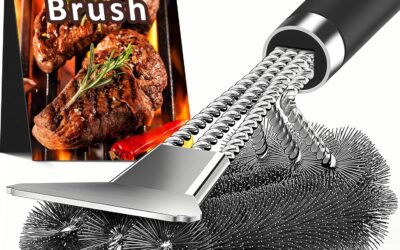
Brush the grates, scrape the inside lid, and empty the grease tray before you cover anything. A grill stored with one half-full drip pan can attract mice within a week, especially once temperatures drop below 40°F and rodents start looking for warm, oily shelter.
Use a plastic putty knife or grill scraper on the cookbox walls, then wipe the grates with warm soapy water. Keep water away from igniters, burner tubes, and control knobs. If you remove cast-iron grates, dry them completely and wipe on a thin layer of cooking oil before reinstalling.
The dry step matters more than the wash. Water left in seams, screw heads, and tray corners expands as it freezes. Tiny gap. Bigger rust problem by March.
Check the grease cup and liner size while you’re there. If the cup is more than 1/4 full, empty it. If the foil liner is warped or torn, replace it before storage so spring startup doesn’t begin with a leak under the firebox.
Step 3: Disconnect Fuel the Safe Way
For propane grills, turn every burner knob to off, close the tank valve clockwise, then disconnect the regulator by hand. Store the propane cylinder outdoors, upright, and away from ignition sources. Do not bring it into a basement, garage, shed, or enclosed porch. The National Fire Protection Association’s propane guidance is clear on this point: cylinders belong outside where vapor can’t collect in a closed room.
Keep the tank on a flat surface, not directly in wet soil. A patio paver or 12×12 inch concrete block is enough. Leave the safety cap in place and keep the valve at least 10 feet from dryer vents, furnace exhaust, and exterior outlets.
For natural gas grills, turn the shutoff valve perpendicular to the gas line, then cover the quick-connect fitting if your setup has one. Don’t kink the hose to make it fit under a cover. A bent hose can crack at the fitting after repeated freeze-thaw cycles.
Pellet grills need one extra step: empty the hopper. Pellets swell when they absorb moisture, and a cup of swollen pellets can jam an auger tight. Vacuum the hopper and burn pot once the unit is unplugged and fully cool.
Step 4: Choose a Storage Spot With Drainage and Airflow
Park the grill where water runs away from it, not toward it. A covered patio, carport edge, or shed overhang usually beats the middle of a lawn because the wheels stay out of standing water. If the grill must stay outside, raise the wheels on pavers so the metal frame sits at least 1 inch above puddles and thawed slush.
Leave 6 inches behind the grill for airflow and 18 inches above the lid if it’s under a shelf or low overhang. That clearance keeps the cover from rubbing against brick, fence boards, or sharp shelf brackets during wind. Rubbing is what wears holes in many covers long before the fabric fails.
Face the control panel away from the prevailing winter wind if you can. Wind pushes rain and snow under loose seams, and those seams often sit near knobs, igniters, and side-burner lids. Manufacturer durability ratings for outdoor covers usually assume the cover is secured with straps or drawcords, not flapping open for three months.
Apartment Therapy’s small-patio storage advice often comes back to the same idea: assign one permanent winter zone instead of moving gear every time the weather changes. Same here. One parking spot. Less damage.
Step 5: Cover It Without Sealing It Shut
Measure the grill before buying or tightening a cover. Use width first: measure from the left edge of the side shelf to the right edge of the opposite shelf, then measure depth and height. A 55-inch grill usually needs a 55–58 inch cover, not a 48-inch cover stretched tight across the handles.
The cover should hang low enough to shield the cookbox and cart, but it shouldn’t drag on wet concrete. Leave 1–2 inches of clearance at the bottom so air can move. ASTM weatherability standards focus on how materials handle UV, moisture, and temperature cycling; in real storage, venting is what keeps that material from becoming a damp bag around steel.
Use straps, buckles, or a drawcord so the cover stays fitted during gusts over 25 mph. If snow piles on top, brush it off once it reaches 2–3 inches. Heavy snow presses fabric into corners, and pressure points become leaks.
Check under the cover once a month. Lift one side, look for condensation, rodent droppings, or standing water in the cart shelf, then close it again. Thirty seconds. Worth it.
The Right Cover Makes Winter Storage Easier
The covers below were chosen for grill width, waterproof fabric claims, secured hems or straps, and owner ratings above 4.4. Start with the 64-inch UNICOOK if your grill has broad side shelves, use the 55-inch SunPatio for standard four-burner gas grills, and choose the 40-inch YQSZWJ only for compact carts where extra fabric would flap.
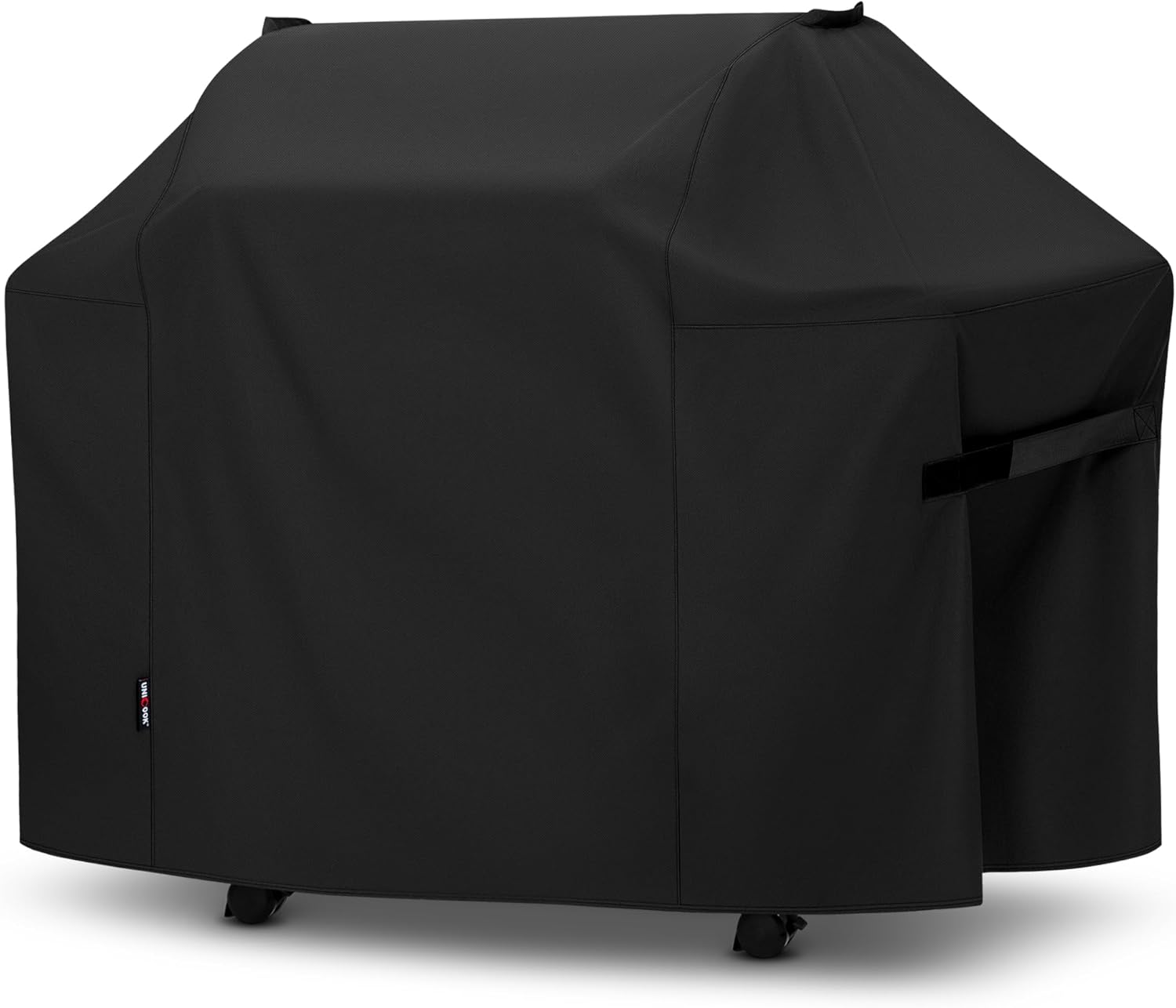
Unicook Heavy Duty Grill Cover for Weber Summit 400 Series |64 Inch Waterproof UV-Resistant BBQ Protector (Replaces Weber 7108)
Pros
- Waterproof vinyl undercoating provides a genuine moisture barrier, not just a water-resistant top layer
- Solution-dyed fabric resists UV fading and cold cracking for multi-season durability
- Adjustable straps and top handles make fitment fast and secure, even in windy backyards
- Broad compatibility covers Weber Summit 400, Genesis II 400, and several competing brands in one SKU
Cons
- No customer reviews yet to validate long-term durability claims beyond manufacturer specifications
- At 64 inches wide, it won't accommodate larger5-6 burner Summit or Summit Plus configurations without measuring carefully first
- Air vents are present on this model but their effectiveness in preventing mold buildup in humid climates is unverified without real-world feedback
If you've invested in a Weber Summit grill, you already know it's not something you want sitting exposed to the elements between cookouts. The Unicook Summit 400 cover is one of the few aftermarket options enginered to match that grill's specific footprint at 64 inches wide by 26.8 inches deep by 47 inches tall, so it actually fits the way a cover should rather than billowing loosely or pulling tight at the corners.
What sets this cover apart from budget alternatives is the construction approach. The outer fabric is solution-dyed rather than surface-printed, which means the color runs through the fiber and resists UV breakdown from the inside out. The vinyl undercoating adds a true waterproof layer, not just a splash-resistant finish. Add the sewn-in top handles and adjustable hem straps and you have a cover you can pull on in under ten seconds before a storm rolls in.
If you want reliable all-season grill protection without paying OEM prices for a Weber-branded cover, this one delivers.
Styles it works with: Outdoor Modern, Industrial Patio, Classic Suburban Backyard, Farmhouse Exterior
Best placed in: Freestanding patio or deck grill station, covered outdoor kitchen area, open backyard grilling zone with seasonal wind or rain exposure
May not suit: Very compact balconies or patios where a64-inch covered grill would dominate the space, or households with grills that have side tables or attached accessories that extend the total width beyond 63 inches
Buy it if:
- You own a Weber Summit E470, S470, E450, S450, E430, or S420 and want a snug, purpose-fit cover at fraction of the Weber 7108 retail price
- Your grill lives outdoors year-round and faces sun, rain, or snow, and you need both UV protection and genuine waterproofing in one cover
- You've gone through cheaper covers that faded, cracked, or blew off in the wind and want something with straps and handles that actually stay put
Consider waiting if:
- You'd prefer to see verified customer reviews accumulate before committing, since this listing currently has no user feedback to cross-reference against manufacturer claims
Skip it if:
- Your grill is a larger Summit Plus or 6-burner configuration that exceds 63 inches in width, as this cover will not provide a proper fit
- You specifically need a cover with a side-table pocket or built-in storage pouch, as this model does not include those features
Check the latest price and availability on Amazon before it sells out.
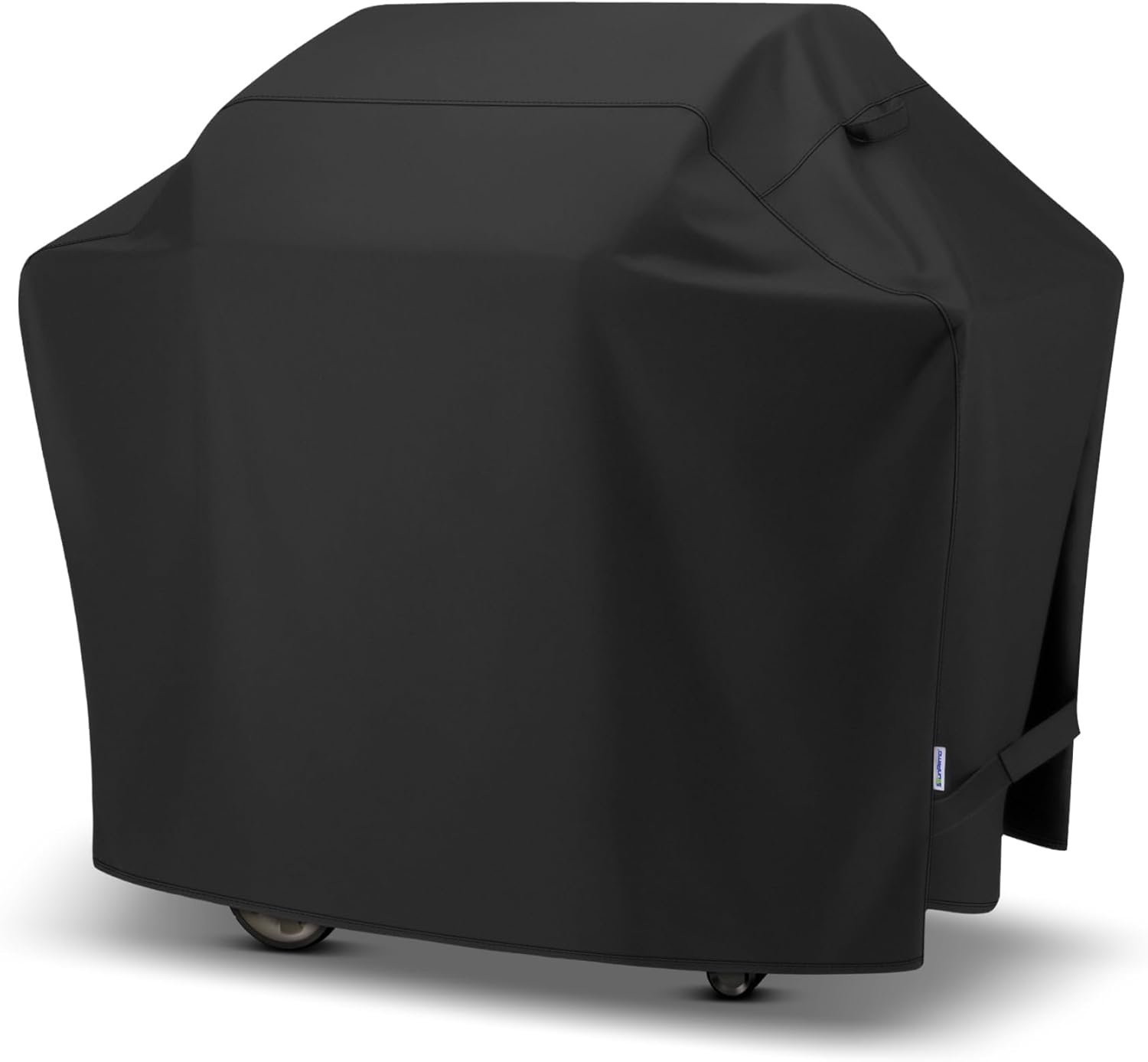
SunPatio 55 Inch Heavy Duty Waterproof Grill Cover | UV & Fade Resistant All-Weather BBQ Cover for Weber, Charbroil, Nexgrill
Pros
- Dual-layer construction with UV-resistant polyester and a waterproof vinyl lining provides genuine all-weather defense
- Adjustable side straps and built-in handles make fitting and removing the cover quick and hassle-free
- Wide compatibility across popular grill brands means most shopers will find a matching fit
- Multiple size options in the same product line let you upgrade or swap without switching brands
Cons
- No vents built into the cover, which can trap moisture underneath if the grill is not fully cooled and dried before covering
- At 55 inches it only fits grills up to about 53 inches wide, so larger 5-burner or jumbo grills will need the58 or 60-inch version
Grill covers are one of those purchases that feel boring until the first heavy rainstorm rolls through and your neighbor's uncovered grill starts showing rust spots. The SunPatio 55-inch cover stands out because it is built with two layers of protection working together: a fade-resistant polyester outer shell that shrugs off UV damage and a waterproof vinyl lining that stops rain and snowmelt from reaching the metal underneath. That combination is what separates it from single-layer covers that look fine on day one but start leaking by year two.
The practical details are genuinely thoughtful. The fabric handles sit right where your hands naturally reach, so you are not fumbling around the bottom of the cover in the dark after a cookout. The adjustable straps are strong enough to keep the cover in place when wind picks up, which matters if your grill lives on an open patio or deck. Cleaning is as simple as a garden hose and some air drying, no special care required.
If you want year-round protection for a mid-size gas grill without dealing with a stiff or ill-fitting cover that flies off in the first windstorm, this one delivers.
Styles it works with: Modern Outdoor, Minimalist, Industrial Backyard, Classic Patio
Best placed in: Open backyard patios, covered deck areas, side-yard grill stations
May not suit: Very compact balconies where a bulky cover adds clutter, or households with built-in grill islands where the dimensions and fixed cabinetry require a custom-fit cover
Buy it if:
- You own a 3-burner or 4-burner gas grill in the 48to 53-inch width range and want a snug, secure fit from a brand with multiple size options
- Your grill sits exposed to full sun, rain, or winter weather and you want to slow down rust and fading without spending over $50
- You are tired of lightweight covers that blow off in the wind and want adjustable straps that actually hold
Consider waiting if:
- You need a color other than black to match a specific patio aesthetic, as this cover is only available in black
Skip it if:
- Your grill is larger than 53 inches wide, since this size will fit too loosely and not protect the sides properly
- You have a kamado-style, ketle, or pelet smoker that requires a contoured or specialized cover shape
Check the latest price and availability on Amazon before it sells out.

YQSZWJ 40 Inch Grill Cover Waterproof 420D Oxford BBQ Cover for 36-40in Gas Grills with Storage Bag
Pros
- Solid waterprofing at a sub-$20 price point
- Secure fit with both drawstring and hook-and-loop straps on both sides
- Includes a compact storage bag for off-season or travel use
- 420D Oxford fabric resists tearing better than thinner polyester covers
- Compatible with multiple major grill brands in the 36-40 inch range
Cons
- Brand is relatively unknown with limited long-term durability data
- Sizing is fixed at 40x24x35.5 inches, so wider or taller grills will not be fully covered
- No color options available; only comes in black
This grill cover solves a simple but annoying problem: keeping your outdoor grill protected without spending a fortune or wrestling with a flimsy tarp. The 420D Oxford fabric feels noticeably thicker than bargain covers, and the waterproof coating actually beads water rather than letting it sep through at the seams.
What sets it apart at this price is the dual-fastening system. The bottom drawstring cinches tight while the side hook-and-loop straps add extra hold. It stays put on breezy evenings when thinner covers would be halfway across the patio. The included storage bag is a nice touch for keeping things tidy in the garage or bringing it along to rental property.
If you want reliable weather protection for a standard 40-inch grill without paying premium-brand prices, this one delivers.
Styles it works with: Modern Patio, Classic Backyard, Minimalist Outdoor Kitchen, Rustic Deck Setup
Best placed in: Backatio next to a standard freestanding grill, covered deck grilling station, portable setup at a campsite or tailgate
May not suit: Built-in or island-style grills wider than 40 inches, tall smoker-grill combos that exceed 35.5 inches in height, or extra-deep kamado-style cookers
Buy it if:
- You own a standard 36-40 inch freestanding gas grill and need affordable all-weather protection
- You live in a windy area and have had cheaper covers blow off repeatedly
- You want a portable cover you can toss in a bag for vacation grilling or tailgating
Consider waiting if:
- You want a cover in a color other than black to match your patio furniture
- You are unsure of your grill dimensions and need to measure first
Skip it if:
- Your grill exceds 40 inches in length, 24 inches in depth, or 35.5 inches in height
- You need a cover for a built-in grill island or an irregularly shaped smoker
Check the latest price and availability on Amazon before it sells out.
UNICOOK 64-Inch Heavy Duty Waterproof Grill Cover
The UNICOOK cover is the fit for larger grills, especially Weber Summit 400-style layouts with side shelves that push the total width near 64 inches. Its 4.7 owner rating is useful here because winter covers fail in boring ways: loose hems, split corners, faded panels, and water sneaking through stressed seams.
Use this one if your measured grill width lands between 60 and 64 inches and you want the cover to sit with a little breathing room instead of pulling tight over the handle. The larger cut also helps if your grill has bulky side shelves or a raised lid profile. Bigger isn’t always better, though. On a 52-inch grill, this much fabric can flap hard in wind unless the straps are cinched.
SunPatio 55-Inch Heavy Duty Waterproof BBQ Gas Cover
The SunPatio 55-inch cover is the middle-size pick for standard gas grills, and that’s the size many four-burner backyard grills actually need. It carries a 4.7 owner rating and focuses on waterproofing plus UV and fade resistance, which matters if the grill spends winter on an exposed deck.
Choose it when your measured width is roughly 52–55 inches and the grill has average-height side shelves. The tighter footprint means less loose fabric, which usually means less rubbing along lid corners during wind. If your grill sits under a covered patio, this is probably the easiest size to live with because it protects the cookbox without turning into a sail.
YQSZWJ 40-Inch Waterproof 420D Oxford Cover
The YQSZWJ 40-inch cover is for compact grills, balcony carts, and small patio setups where a full-size cover would create more problems than it solves. The 420D Oxford fabric spec points to a lighter-duty outdoor cover, and the 4.4 owner rating is still solid for a compact, budget-friendly option.
Pick it only after measuring the side-to-side width. If your grill is 38–40 inches wide, the fit should be close enough to reduce flapping while still leaving bottom airflow. If the grill is wider than 40 inches with shelves folded out, size up instead. A stretched cover fails at the seams first.
Frequently Asked Questions
Can I leave my grill outside all winter?
Yes, if it’s clean, dry, covered, and parked where water drains away. Outside storage works best when the grill sits on pavers or concrete, not soil, and the cover leaves 1–2 inches of bottom airflow. Propane tanks can stay outside too, but they must stay upright and away from ignition sources.
Should I store my propane tank in the garage?
No. Store propane cylinders outdoors only. A garage, basement, shed, or enclosed porch can trap vapor if a valve leaks, and propane vapor is heavier than air. Keep the tank upright, capped, and at least 10 feet from vents, outlets, and flame sources.
Do I need to deep clean the grill before winter?
Yes, but focus on the food and grease zones rather than polishing every exterior panel. Clean grates, empty the grease tray, scrape the cookbox, and remove ash. Grease attracts pests, and ash holds moisture against metal. That’s the storage problem.
Is a tarp okay instead of a grill cover?
Almost never. A tarp blocks rain, but it also traps condensation and usually lacks fitted straps, vents, and a shape that matches the grill. Use a fitted cover with enough bottom clearance for airflow. If you must use a tarp for a short storm, remove it once the weather clears.
How often should I check a stored grill in winter?
Check it once a month and after heavy wind or snow. Brush off snow once it reaches 2–3 inches, tighten straps if the cover shifted, and look under one side for moisture or pests. You don’t need a full cleaning session. Just a quick inspection.


Write Your Review
No reviews yet. Be the first to share your experience!